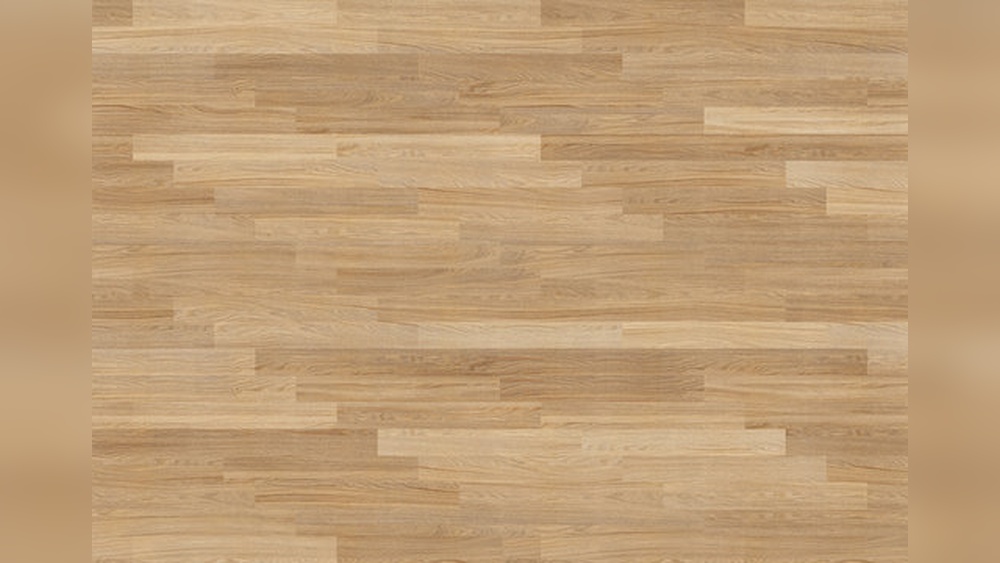

When it comes to choosing the perfect flooring, texture plays a huge role in how your space feels and looks. Texture floor wood isn’t just about appearance—it’s about creating a warm, inviting atmosphere that you can see and feel underfoot.
Whether you want a sleek modern finish or a rustic, hand-scraped look, understanding wood textures can help you pick the floor that matches your style and lifestyle. If you’re ready to transform your home or workspace with wood flooring that speaks to your personality, keep reading to discover everything you need to know about texture floor wood.
Your perfect floor is just a few steps away.
Credit: castlebespokeflooring.com
Wood Floor Types
Wood floors bring warmth and style to any room. Choosing the right wood floor type matters. Each type has unique looks and benefits. Understanding these options helps in making the best choice for your space.
Wood floors vary by material, construction, and durability. They can fit different budgets and lifestyles. Below are common wood floor types to consider.
Solid Hardwood
Solid hardwood floors are made from a single piece of wood. They offer natural beauty and last for decades. These floors can be sanded and refinished multiple times. They respond well to changes in humidity. Solid hardwood works best in dry areas inside your home.
Engineered Wood
Engineered wood floors have a real wood top layer. Beneath it are layers of plywood or fiberboard. This structure makes them stable in moist conditions. They resist warping better than solid wood. Engineered wood is ideal for basements and kitchens. It looks like solid wood but is often easier to install.
Laminate And Vinyl Options
Laminate and vinyl floors mimic the look of wood without using real wood. They are budget-friendly and easy to clean. These floors resist scratches and moisture well. Laminate uses a photographic layer to show wood grain. Vinyl offers more flexibility and water resistance. Both options suit busy homes and places with pets or kids.
Popular Wood Textures
Wood floors bring warmth and natural beauty to any space. The texture of the wood plays a big role in the floor’s style and feel. Different wood types offer unique textures that suit various home designs. Understanding popular wood textures helps in choosing the right floor for your home.
Here are some of the most popular wood textures used in flooring. Each type has its own charm and character.
Oak Variations
Oak is a classic choice for wood floors. It has a strong, visible grain that adds depth and interest. Red oak shows a warm, reddish hue. White oak offers a cooler, more neutral tone. Both types are durable and age beautifully. Oak floors work well in both traditional and modern homes.
Hickory And Maple
Hickory features bold grain patterns and color contrasts. Its texture is rugged and natural. Maple has a smooth, fine grain with a light color. It looks clean and simple. Both woods are very hard and resist dents well. Hickory adds a rustic touch, while maple suits sleek, contemporary designs.
Exotic Wood Textures
Exotic woods bring unique colors and grains to floors. Woods like Brazilian cherry, tigerwood, and mahogany offer rich, deep hues. Their textures range from smooth to highly figured patterns. These woods are usually harder and more durable. Exotic wood floors create a bold, luxurious look in any room.
Texture Patterns
Texture patterns add depth and character to wood floors. They create visual interest and enhance the style of any room. Different patterns bring unique charm and personality. Each texture pattern tells a story through the grain and layout.
Choosing the right texture pattern can transform a space. It balances beauty and function. Texture patterns also influence how light plays on the floor. This affects the mood and feel of the room.
Herringbone And Chevron
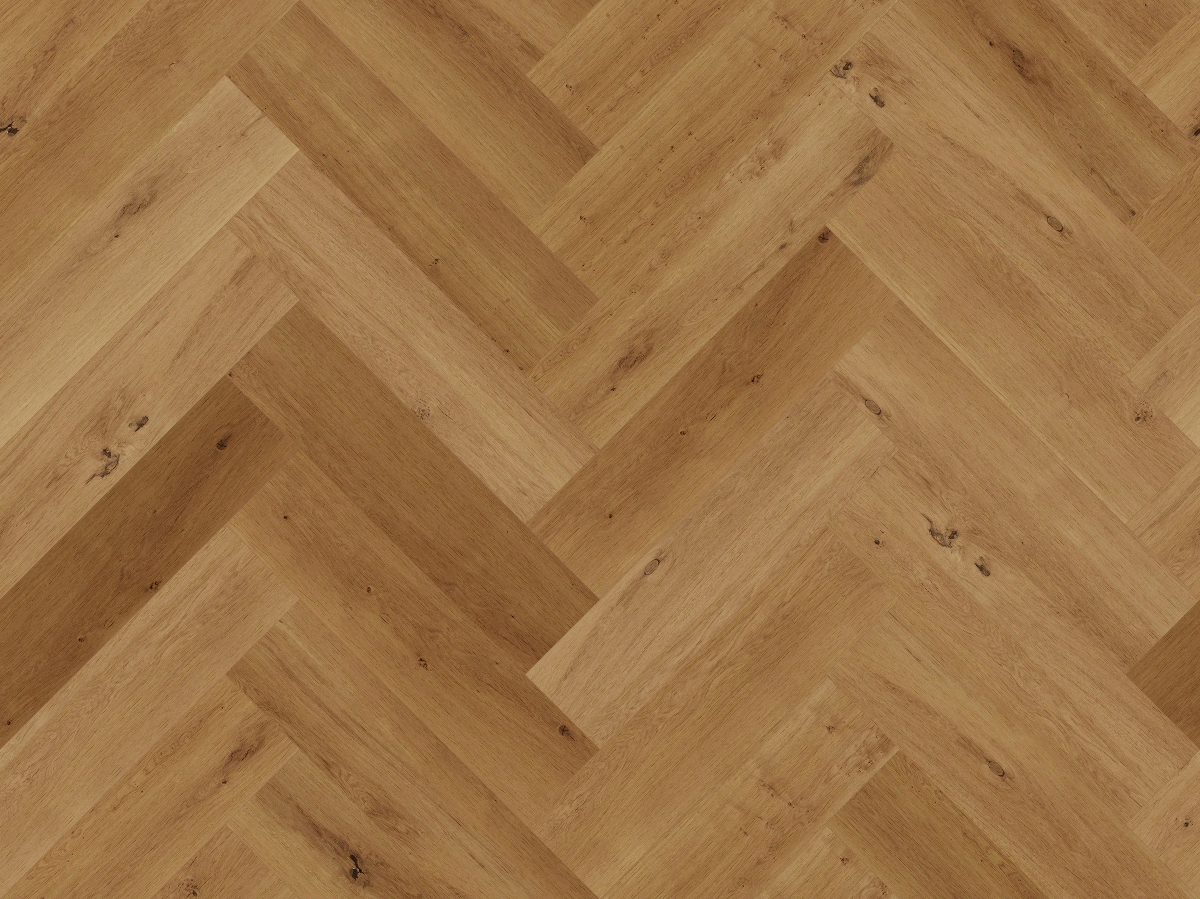
Herringbone and chevron are classic wood floor patterns. They use rectangular planks arranged in zigzag shapes. Herringbone has a broken zigzag look. Chevron forms a continuous V shape. Both add movement and elegance to floors.
These patterns suit traditional and modern interiors. They make rooms appear larger and more dynamic. Their timeless style works well in living rooms, hallways, and kitchens.
Wide Plank Styles
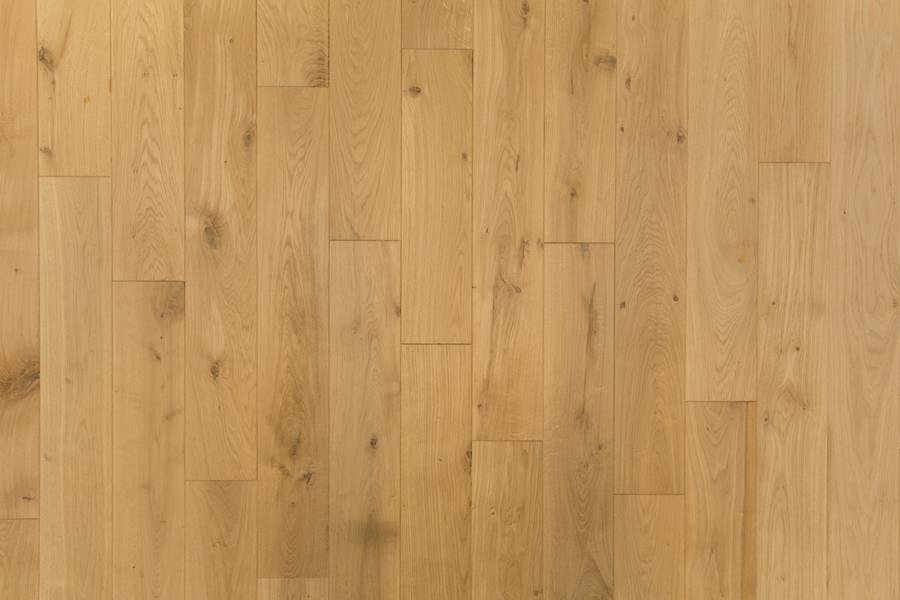
Wide plank wood floors have wider boards than standard floors. They highlight the natural grain and knots of the wood. This style offers a rustic and spacious feel. Wide planks create a warm and inviting atmosphere.
The fewer seams in wide planks give a cleaner look. They are ideal for open floor plans and large rooms. This style blends well with farmhouse, industrial, and contemporary designs.
Hand-scraped And Distressed Finishes
Hand-scraped and distressed finishes add texture and history. They mimic the look of aged, well-worn wood. Hand-scraped floors have subtle grooves and uneven surfaces. Distressed finishes show marks, dents, and scratches.
These finishes hide scratches and dents from daily use. They bring warmth and character to rustic or vintage-style spaces. Floors with these textures feel cozy and lived-in, perfect for homes with personality.
Credit: freestocktextures.com
Choosing The Right Texture
Choosing the right texture for wood flooring shapes the room’s look and feel. Texture adds depth and character. It influences how the floor interacts with light and furniture. Picking the right texture makes your space inviting and balanced.
Consider your style, room use, and lighting to find the perfect match. Each factor plays a key role in the final appearance and comfort.
Matching Interior Styles
Wood texture should blend with your room’s style. Smooth, polished wood fits modern and minimal spaces. Rough, hand-scraped textures suit rustic and traditional interiors. Grain patterns and finishes must support your design theme. Choose textures that enhance rather than clash with your décor.
Considering Room Function
Think about how you use the room. High-traffic areas benefit from textured floors that hide scratches and dirt. Smooth floors work well in formal spaces with less foot traffic. Textured wood can add warmth and safety by reducing slips. Match texture to activity level for durability and ease of care.
Lighting And Texture Impact
Lighting changes how wood texture looks. Natural light highlights wood grain and depth. Dark textures absorb light, making rooms feel cozy but smaller. Lighter textures reflect light and open up the space. Balance texture with lighting to create the mood you want. Test samples in your room before deciding.
Installation Techniques
Installing texture floor wood requires careful choice of methods to ensure durability and beauty. Proper techniques protect the wood and enhance its natural appeal. Different installation styles suit different spaces and preferences. Understanding these techniques helps achieve a flawless finish.
Floating Floors
Floating floors do not attach directly to the subfloor. Instead, planks lock together using a tongue-and-groove system. This method allows the floor to expand and contract naturally. It is quick and less messy, ideal for DIY projects. Floating floors work well over concrete or existing floors.
Nail-down And Glue-down Methods
Nail-down installation involves securing wood planks with nails to a wooden subfloor. This method creates a strong and stable floor. Glue-down uses special adhesives to stick wood directly onto the subfloor. It works best on concrete or uneven surfaces. Both methods require skill and proper tools for best results.
Subfloor Preparation
Preparing the subfloor is crucial for a successful installation. The surface must be clean, dry, and level. Any bumps or gaps can damage the wood or cause uneven wear. Use a moisture barrier to prevent water damage. Proper preparation extends the life of your texture floor wood.
Maintenance Tips
Maintaining textured wood floors keeps their beauty and extends their life. Regular care prevents dirt buildup and surface damage. Simple steps help preserve the wood’s natural look and texture.
Cleaning Wood Floors
Use a soft broom or vacuum to remove dust daily. Avoid vacuums with hard brushes that can scratch wood. Clean spills immediately with a damp cloth. Use wood floor cleaners made for textured surfaces. Never use water in excess; wood absorbs moisture easily.
Preventing Damage
Place felt pads under furniture legs to stop scratches. Avoid dragging heavy items across the floor. Keep pet nails trimmed to reduce marks. Use rugs in high-traffic areas to protect the wood. Maintain indoor humidity between 35% and 55% to prevent wood from shrinking or swelling.
Refinishing And Repairs
Check floors for scratches or dull spots regularly. Light sanding can restore texture and remove minor damage. Use wood stain or finish to match the floor color. For deep scratches or gouges, consult a professional. Regular refinishing keeps textured wood floors looking fresh and new.
Trending Wood Floor Ideas
Wood floors bring warmth and charm to any room. Choosing the right texture can transform your space completely. Trending wood floor ideas focus on styles that blend beauty with function. These ideas suit many tastes and settings. Explore popular looks that stand out today.
Rustic And Vintage Looks
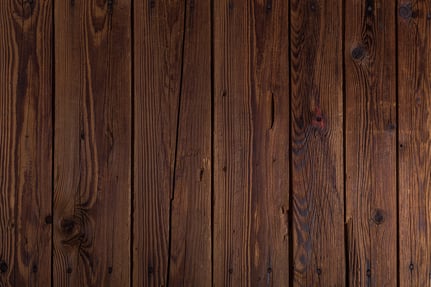
Rustic wood floors offer a cozy, lived-in feel. They often feature knots and natural grain patterns. Vintage styles highlight aged wood with a weathered finish. These floors add character and history to homes. They pair well with farmhouse and cottage decor. Rough textures and distressed surfaces create depth.
Modern Minimalist Designs
Modern designs favor clean lines and smooth textures. Light-colored wood with subtle grains works best. These floors create an open, airy atmosphere. Minimalist floors focus on simplicity and elegance. Matte finishes reduce shine for a natural look. They suit urban apartments and sleek interiors.
Combining Textures For Impact
Mixing wood textures adds visual interest and style. Pair smooth planks with rough, hand-scraped pieces. Contrast light and dark woods for dynamic effects. Layering textures breaks monotony in large spaces. This approach works well in open floor plans. It creates a unique, personalized flooring design.
Credit: architextures.org
Sourcing Quality Materials
Sourcing quality materials is key to achieving a beautiful texture floor wood. The right materials impact durability and appearance. Choose wood that suits your style and environment. Quality wood lasts longer and looks better over time. Below are important factors to consider when selecting wood flooring.
Top Brands And Retailers
Choose reputable brands for consistent quality. Trusted retailers offer a wide selection of wood types. They provide detailed product information and customer support. Buying from well-known brands ensures the wood meets industry standards. Many top retailers have physical stores and online shops. This makes it easy to find and order the right flooring.
Sustainable Wood Options
Eco-friendly wood reduces environmental impact. Look for wood certified by organizations like FSC or PEFC. These certifications guarantee sustainable forest management. Bamboo and reclaimed wood are good sustainable alternatives. They offer unique textures and strong durability. Sustainable wood also adds value to your home by supporting green practices.
Budget-friendly Choices
Quality wood does not always mean high cost. Engineered wood offers a budget-friendly alternative to solid hardwood. It has a wood veneer over plywood layers for stability. Laminate flooring mimics real wood texture at lower prices. Shop sales and clearance events for discounts on premium wood. Careful selection helps balance cost with long-term performance.
Using Wood Floor Textures Digitally
Using wood floor textures digitally allows designers and creators to bring realistic wooden surfaces into their projects. These textures add depth and detail, making digital spaces feel warm and natural. Digital wood floor textures work well in many fields, from architecture to video games.
Applying wood textures helps visualize how a room might look with different flooring styles. It saves time and cost compared to physical samples. Digital use also lets users try many wood types quickly, finding the perfect match for their design.
3d Rendering And Visualization
Wood floor textures play a key role in 3D rendering. Designers map these textures onto floors in virtual rooms. This process creates a lifelike look that shows wood grain and color clearly. Realistic lighting and shadows improve the final image.
3D visualization helps clients and designers see the wood floor in detail. It gives a clear idea of how the texture fits with other design elements. The result is a better decision-making process for choosing wood floors.
Texture Libraries And Resources
Many websites offer wood floor textures for download. These texture libraries provide high-quality images in various wood styles. Free and paid options exist, catering to different project needs.
Textures come in formats ready for digital use, such as JPEG or PNG. Some libraries also offer seamless textures for easy tiling. This feature helps cover large surfaces without visible edges.
Diy Design Tools
DIY design tools let users apply wood floor textures easily. These tools often include drag-and-drop features to place textures on floors. Users can change colors and patterns to customize the look.
Such tools are user-friendly for beginners and professionals alike. They help visualize wood floors in home renovations or interior designs. The digital approach speeds up the creative process and reduces mistakes.
Frequently Asked Questions
What Is Textured Wood Flooring?
Textured wood flooring features a surface with grooves, patterns, or embossing. It adds depth and character while improving slip resistance. This style enhances rustic or natural aesthetics in homes or commercial spaces.
How Does Textured Wood Flooring Differ From Smooth?
Textured wood flooring has a tactile surface, unlike smooth floors that are flat. Texture hides scratches and dirt better and offers more grip. It suits high-traffic areas needing durability and visual interest.
What Are Popular Textures For Wood Floors?
Common textures include wire-brushed, hand-scraped, distressed, and wire-brushed finishes. Each adds unique patterns and aging effects. These textures highlight the wood grain and create a warm, inviting atmosphere.
Is Textured Wood Flooring Easy To Maintain?
Yes, textured wood floors require regular sweeping and occasional damp mopping. Texture may trap dust, so extra care is needed. Using proper cleaning products preserves the finish and prolongs floor life.
Conclusion
Texture floor wood adds warmth and character to any space. It offers durability and a natural look that lasts. Choosing the right texture enhances both style and comfort. Maintenance remains simple with proper care and cleaning. This flooring option suits many designs and budgets.
Enjoy the timeless beauty and feel of wood beneath your feet. A smart choice for homes and offices alike.