
When it comes to designing a handicapped bathroom, your goal is clear: create a space that feels safe, comfortable, and easy to use. You want every detail to support independence and dignity, whether for yourself or a loved one.
From wide doorways that allow smooth wheelchair access to curbless showers equipped with grab bars and handheld showerheads, every choice matters. Accessible fixtures and thoughtful layouts can transform a regular bathroom into a welcoming sanctuary tailored to your unique needs.
Keep reading to discover practical design tips that make your handicapped bathroom both functional and stylish—because everyone deserves a space that works perfectly for them.

Credit: www.archdaily.com
Space And Layout
Designing a handicapped bathroom requires careful attention to space and layout. The room must allow easy movement and access for users with different needs. Planning the arrangement improves safety and comfort. Each element should support independence and convenience.
Wide Doorways
Wide doorways help wheelchairs and walkers enter the bathroom easily. Doors should be at least 32 inches wide. This space prevents users from struggling or getting stuck. Sliding doors or doors that open outward save extra space. Clear access makes the bathroom more welcoming and usable.
Turning Radius
A proper turning radius is essential for wheelchair users. The room should have enough clear floor space to turn around comfortably. A circular space with a diameter of 60 inches is recommended. This allows smooth movement without hitting walls or fixtures. Good layout planning prevents frustration and accidents.
Non-slip Flooring
Non-slip flooring is vital for safety in a handicapped bathroom. Wet floors can cause dangerous falls. Materials like textured tiles or rubber mats provide strong grip. Floors should be easy to clean and water-resistant. Safe flooring protects all users and adds confidence to their movements.
Shower Design
Designing a shower for a handicapped bathroom requires careful thought. It must provide safety, comfort, and easy access. Proper shower design helps users maintain independence and confidence. The right features reduce risks and make daily routines easier.
Below are key elements to consider for an accessible shower. Each feature supports mobility and safety. These choices improve the overall bathroom experience for people with disabilities.
Curbless Entry
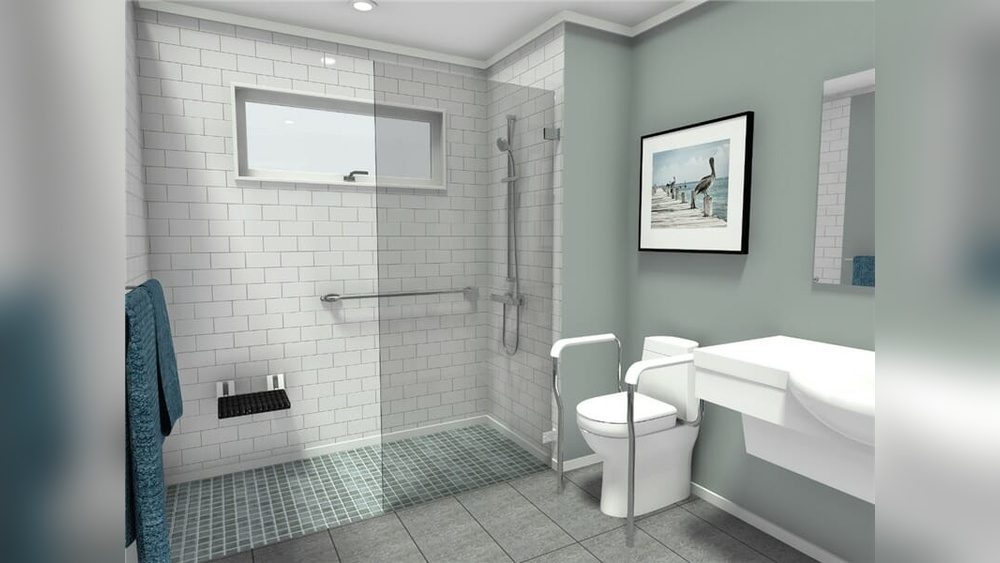
A curbless entry means no raised edges at the shower door. This design allows smooth, step-free access. Wheelchairs and walkers can roll right in without obstruction. It also prevents trips and falls. The floor slopes gently to drain water away safely.
Grab Bars
Grab bars provide sturdy support inside the shower. They help users balance and move safely. Bars should be placed near the entrance and along the walls. Strong, slip-resistant materials ensure a firm grip. Properly positioned grab bars reduce the chance of accidents.
Handheld Showerhead
A handheld showerhead offers flexibility and ease of use. It can be adjusted to different heights and angles. Users can direct water where needed without standing. This feature suits people with limited mobility or who use a seat. It adds comfort and control during showering.
Toilet And Sink Features
The design of handicapped bathrooms must focus on comfort and ease of use. Toilet and sink features play a big role in accessibility. These elements should support mobility and independence. Thoughtful design improves safety and convenience.
Raised Toilet Height
Raised toilets help users sit and stand with less effort. They reduce strain on knees and hips. The height should be comfortable for wheelchair transfers. Installing grab bars nearby adds extra support. This feature enhances safety and user confidence.
Accessible Sink Design
Sinks must be easy to reach and use. Lever-style faucets work well for limited hand strength. Controls should be simple and responsive. Placing mirrors at an angle helps seated users. The sink height should allow comfortable access from a wheelchair.
Clear Under-sink Space
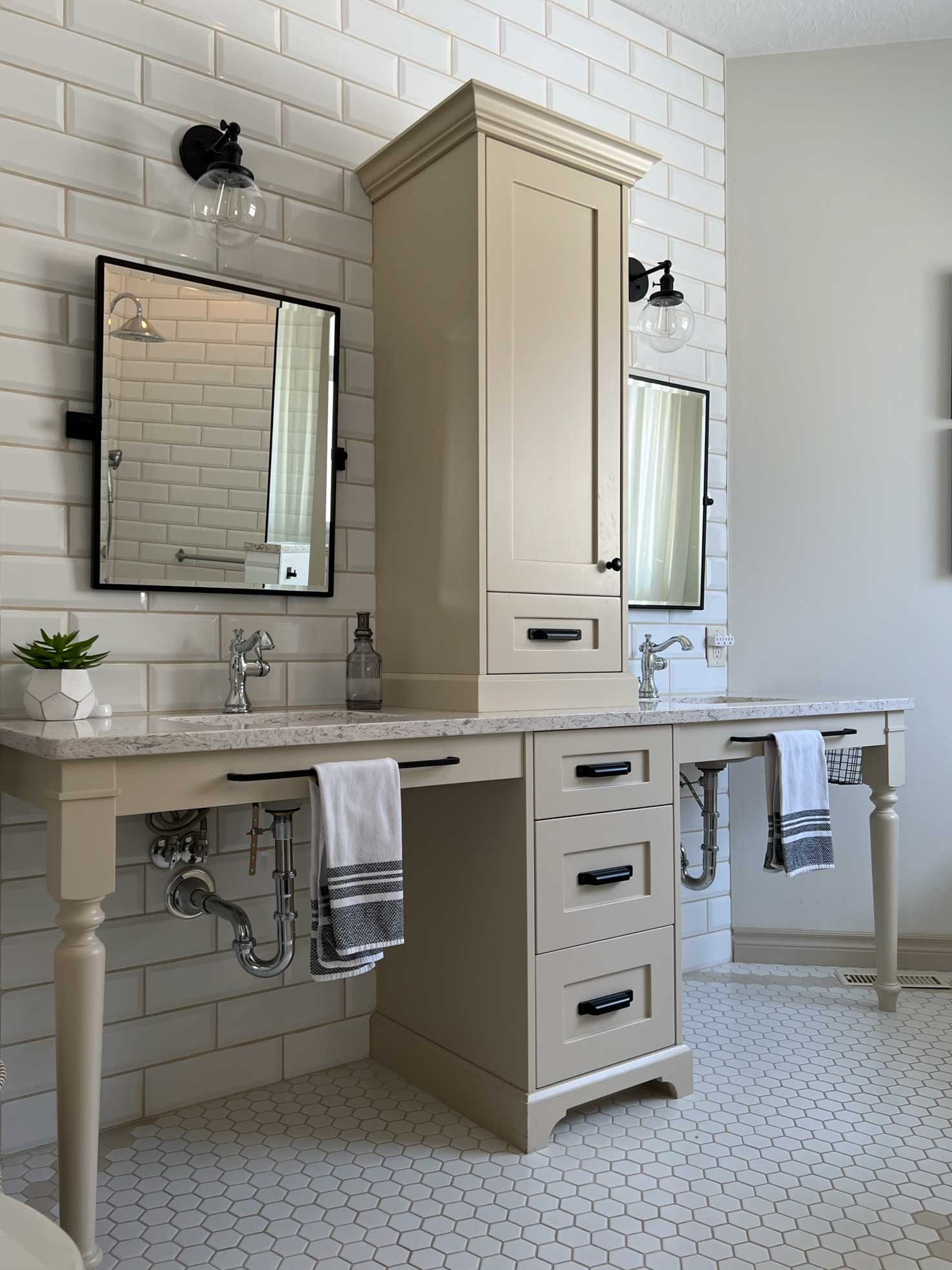
Clear space under sinks is essential for wheelchair users. It allows the knees and feet to fit easily below. Pipes should be insulated or covered to prevent burns. This open area improves freedom of movement. It makes daily tasks easier and safer.
Lighting And Mirrors
Lighting and mirrors play a vital role in handicapped bathroom design. They enhance visibility and comfort. Thoughtful lighting and mirror placement help users navigate easily. These elements support independence and safety.
Adequate Illumination
Bathrooms need bright, even lighting without glare. Use soft, diffused lights to reduce shadows. Lights should cover all areas, including corners and around fixtures. Motion sensor lights add convenience and save energy. Avoid harsh overhead lights that create uncomfortable reflections. Proper illumination prevents accidents and improves usability.
Tilted Mirrors
Tilted mirrors allow wheelchair users to see themselves clearly. They must be installed at lower heights and angled correctly. This design helps people of different heights use the mirror comfortably. Large, tilt-adjustable mirrors increase bathroom accessibility. Mirrors with anti-fog features improve visibility in humid conditions. Proper mirror placement supports user confidence and independence.
Storage Solutions
Storage solutions in handicapped bathrooms must focus on ease and safety. Proper storage helps users find items quickly without strain or risk. Thoughtful design supports independence and comfort. Organizing bathroom essentials within reach reduces obstacles and saves time.
Easy-to-reach Shelving
Install shelves at lower heights for wheelchair users. Shelves should be sturdy and wide enough for various items. Open shelving allows quick access without opening doors. Use non-slip surfaces to prevent items from falling. Position shelves near sinks and toilets for convenience.
Accessible Cabinets
Cabinets with pull-out drawers work well for easy reach. Soft-close hinges add safety by preventing slams. Use handles that are easy to grip and pull. Place cabinets at heights accessible for seated and standing users. Clear labeling helps identify contents without extra effort.

Credit: www.roomsketcher.com
Safety Enhancements
Safety is the top priority in handicapped bathroom design. Enhancements reduce risks and provide peace of mind. Careful planning creates a secure and comfortable space for all users.
Emergency Call Systems
Emergency call systems offer quick help during accidents or falls. They usually include easy-to-reach buttons or cords. These systems connect directly to assistance services or staff. Installing them increases safety and confidence for users.
Rounded Edges
Sharp edges can cause injuries in small, tight spaces. Rounded edges on counters, sinks, and fixtures reduce this risk. They prevent cuts and bruises during movement or transfers. This simple design choice improves overall bathroom safety.
Material Selection
Choosing the right materials is key for handicapped bathroom design. Materials must support safety, durability, and comfort. They also need to resist moisture and wear over time. Thoughtful material selection improves accessibility and ease of use. It helps create a bathroom that lasts and stays safe.
Durable Surfaces
Surfaces in handicapped bathrooms must be strong and long-lasting. Flooring should handle heavy use and support wheelchairs. Non-slip tiles or textured vinyl are ideal choices. Walls need tough finishes to resist dents and scratches. Durable surfaces reduce the need for frequent repairs. They keep the bathroom safe and functional for all users.
Moisture-resistant Materials
Bathrooms often have high humidity and water exposure. Materials that resist moisture prevent mold and damage. Use water-resistant paint on walls and ceilings. Waterproof panels around showers and tubs add extra protection. Flooring materials like sealed vinyl or ceramic tiles stop water from seeping in. Moisture-resistant materials keep the space clean and healthy.
Credit: erinzubotdesign.com
Compliance And Standards
Designing bathrooms for handicapped accessibility demands strict adherence to rules. Compliance ensures safety and ease of use for everyone. Meeting the right standards avoids legal issues and promotes inclusivity. Understanding key guidelines is vital for a proper bathroom design.
Ada Guidelines
The Americans with Disabilities Act (ADA) sets clear rules for accessible bathrooms. These guidelines cover door widths, grab bar placement, and sink heights. They ensure wheelchair users can enter, move, and use facilities comfortably. ADA standards also include features like non-slip floors and easy-to-reach controls. Following ADA rules helps create spaces that serve all users equally.
Local Building Codes
Local building codes vary by city and state but must align with federal laws. They often include additional requirements for plumbing, ventilation, and emergency access. Builders and designers should check local codes before starting any project. Proper permits and inspections confirm compliance with these laws. Meeting local codes guarantees safety and legal approval for handicapped bathrooms.
Frequently Asked Questions
How To Design A Bathroom For A Disabled Person?
Design a bathroom for disabled persons by installing grab bars, a roll-in shower, non-slip flooring, and an accessible sink and toilet. Ensure enough space for wheelchair maneuvering and use lever-style faucets for ease. Prioritize safety, comfort, and ADA compliance throughout the layout.
Does Medicare Pay For A Handicap Bathroom Remodel?
Medicare usually does not cover handicap bathroom remodels. Exceptions apply if changes are medically necessary and prescribed by a doctor.
How Big Should A Handicap Bathroom Be In A Home?
A handicap bathroom in a home should be at least 60 inches wide for wheelchair access. Allow 30 by 48 inches clear floor space. Ensure grab bars, accessible sink, and roll-in shower for safety and comfort.
What Is The Golden Rule For Bathroom Layouts?
The golden rule for bathroom layouts ensures clear space for movement, proper fixture placement, and accessibility for all users.
Conclusion
Designing handicapped bathrooms requires thoughtful planning and care. Every detail matters for comfort and safety. Clear space, grab bars, and easy controls help users move freely. Simple layouts reduce stress and increase independence. Inclusive bathrooms show respect and support for everyone’s needs.
Creating accessible spaces benefits all, not just those with disabilities. Small changes can make a big difference in daily life. Prioritize accessibility to build welcoming and functional bathrooms.