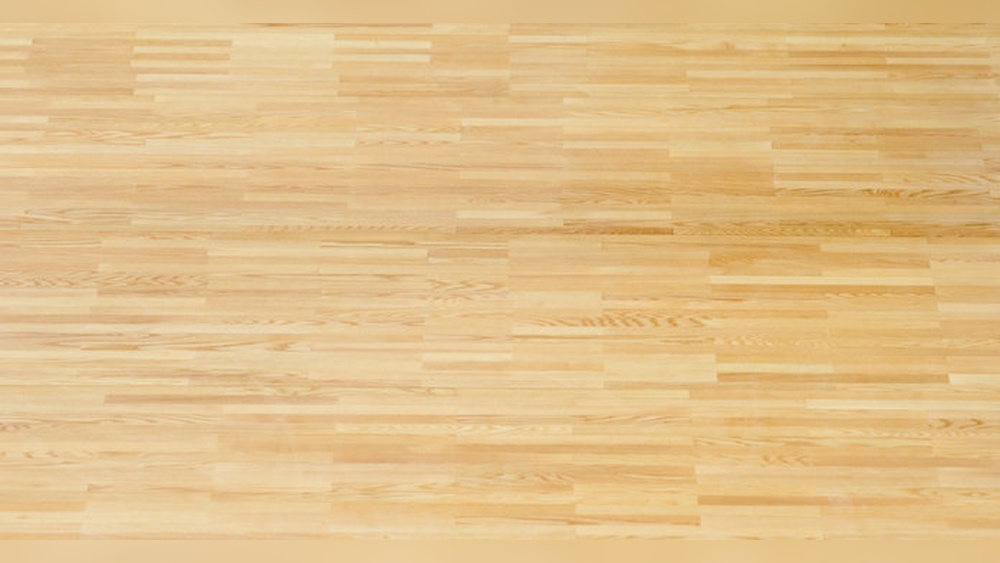

When it comes to setting up your gym, the texture of your gym floor can make all the difference. You want a surface that feels just right under your feet—safe, sturdy, and comfortable—whether you’re lifting weights, doing cardio, or stretching out.
But with so many options out there, how do you choose the best texture for your gym floor? You’ll discover the key gym floor textures that boost your performance, protect your joints, and keep your space looking great. Read on to find the perfect fit for your workout zone and transform your gym experience like never before.
Types Of Gym Flooring
Choosing the right gym floor texture can improve safety and performance. Different types of gym flooring serve different purposes. Some provide cushioning while others offer durability. Understanding each type helps in selecting the best fit for your gym space.
Rubber Tiles
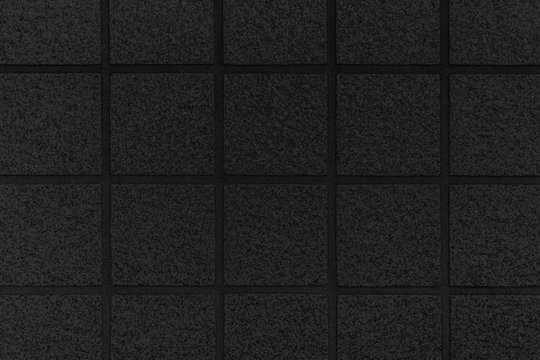
Rubber tiles are popular for home and commercial gyms. They absorb shock and reduce noise effectively. Easy to install, they come in various thicknesses and colors. Their interlocking design keeps them securely in place.
Rubber Rolls
Rubber rolls create a seamless gym floor surface. They are ideal for large areas and heavy foot traffic. This flooring type is durable and easy to clean. It provides excellent traction and cushioning for workouts.
Horse Stall Mats
Horse stall mats are a budget-friendly gym floor option. Made from recycled rubber, they are thick and durable. They protect floors from heavy weights and equipment. Their rough texture prevents slipping during exercises.
Foam Tiles
Foam tiles offer soft cushioning for low-impact workouts. They are lightweight and easy to move or replace. Foam flooring is best for yoga, stretching, or children’s areas. It provides comfort but less durability under heavy loads.
Turf
Turf flooring mimics natural grass and suits athletic training. It allows for sled pushes and agility drills. Turf is soft and absorbs impact well. It also adds a fresh look to the gym environment.
Linoleum
Linoleum is a smooth, hard surface often used in multi-purpose gyms. It is easy to clean and maintain. Linoleum is less cushioned but durable under moderate use. It offers a polished appearance and resists stains.
Credit: stock.adobe.com
Key Features Of Gym Floor Textures
Gym floor textures play a vital role in creating a safe and effective workout environment. They influence how athletes move, protect the flooring structure, and enhance overall gym performance. Understanding the key features of gym floor textures helps in choosing the right surface for various activities.
Durability
Durability is essential for gym floors to endure heavy use. Textures must resist wear from equipment and foot traffic. High-quality materials prevent cracks and damage. A durable floor saves money by reducing repair needs.
Slip Resistance
Slip resistance keeps users safe during workouts. Textured surfaces provide grip to stop slipping. This feature is crucial in wet or sweaty conditions. A good gym floor texture reduces accidents and injuries.
Shock Absorption
Shock absorption protects joints and muscles from impact. It cushions falls and heavy landings. Proper shock absorption lowers injury risks. Floors with this feature improve comfort during exercise.
Ease Of Maintenance
Easy maintenance saves time and effort. Textured floors should resist stains and dirt. Cleaning should be simple with regular methods. A low-maintenance floor stays fresh and lasts longer.
Safety Considerations
Safety is the top priority when choosing gym floor texture. A well-designed gym floor helps reduce injuries. It supports users during workouts and heavy activities. Proper floor texture prevents accidents and creates a secure environment. This section covers key safety aspects for gym floors.
Preventing Slips And Falls
Gym floors must have a non-slip surface. Textured materials provide grip for shoes and bare feet. This reduces the risk of slipping on sweat or water. Floors with good traction keep users steady during fast movements. Avoid smooth or overly polished surfaces that cause slips.
Impact Protection
Gym floors should absorb shock from falls and dropped weights. Rubber and foam textures cushion impacts well. This protects joints and lowers injury risk. Impact-resistant floors also prevent damage to equipment. Proper cushioning helps maintain long-term floor quality.
Hygiene And Cleanliness
Textured gym floors must be easy to clean and maintain. Surfaces that trap dirt or moisture can breed bacteria. Choose materials that resist stains and allow quick cleaning. Good hygiene prevents odors and health hazards. Clean floors support a safe workout space for everyone.
Performance Benefits
Choosing the right gym floor texture plays a key role in workout performance. The texture impacts grip, comfort, and safety. It also influences how well athletes can move and train. A well-textured floor supports various exercises and reduces distractions like noise. These factors together improve the overall workout experience and results.
Enhancing Athletic Movements
Gym floor texture helps athletes maintain better balance. It provides the right grip for quick direction changes. Textured surfaces reduce slipping during fast movements. This support allows athletes to train harder and safer. It also lowers the risk of injuries from falls or slips.
Supporting Different Workout Types
Different exercises need different floor qualities. A textured gym floor can absorb impact during weightlifting. It cushions joints during high-impact workouts like jumping. The floor texture also helps in exercises requiring stability, such as yoga or Pilates. This versatility makes the gym floor ideal for all workout types.
Noise Reduction
Textured gym floors can reduce noise from dropped weights and foot traffic. The texture helps absorb sound waves rather than reflecting them. This creates a quieter workout space. Less noise means fewer distractions for all gym users. It also improves focus and workout efficiency.
Installation Options
Choosing the right gym floor texture involves deciding how to install it. The installation affects durability, maintenance, and usability. Different options suit various gym sizes and budgets. Understanding each method helps pick the best fit.
Interlocking Tiles
Interlocking tiles are easy to install and remove. They fit together like puzzle pieces. This method needs no glue or nails. Tiles can be replaced individually if damaged. They offer good shock absorption and grip. Ideal for home gyms or small studios.
Rolled Flooring
Rolled flooring provides a smooth, continuous surface. It covers large areas quickly and with few seams. This option reduces dirt and dust buildup. It works well for commercial gyms and fitness centers. Rolls come in different thicknesses and textures. Installation may need professional help.
Adhesive Methods
Adhesive methods secure flooring firmly to the subfloor. They prevent movement and reduce noise. This approach suits high-traffic gym areas. Adhesives must be compatible with the floor material. Proper surface preparation is essential for strong bonding. It offers a clean and stable workout space.

Credit: stock.adobe.com
Maintenance Tips
Maintaining the gym floor texture is essential for safety and durability. Proper care keeps the surface clean and prevents damage. It also helps the floor last longer, saving money over time.
Cleaning Techniques
Use a soft broom or vacuum to remove dust and debris daily. Avoid harsh chemicals that can damage the texture. Clean spills immediately with a damp cloth. For deep cleaning, use a mild detergent mixed with water. Mop the floor gently and allow it to dry completely before use.
Damage Prevention
Place protective mats under heavy equipment to reduce stress on the floor. Avoid dragging heavy objects across the surface. Use rubber-soled shoes to prevent scratches and scuffs. Regularly inspect the floor for signs of wear or damage. Repair small issues quickly to avoid bigger problems.
Longevity Enhancements
Rotate equipment layout to distribute wear evenly. Keep the gym well-ventilated to prevent moisture buildup. Schedule regular professional inspections for thorough care. Use floor polish or sealants designed for gym floors to protect the texture. Follow manufacturer guidelines for all maintenance activities.
Choosing Flooring For Home Gyms
Choosing the right flooring for your home gym is essential. It affects safety, comfort, and workout quality. The floor must support your activities and protect both you and the surface beneath. Understanding your space, budget, and style helps pick the best gym floor texture.
Space And Usage Assessment
Start by measuring your gym area. Know the size and shape clearly. Think about the exercises you will do. Heavy lifting needs strong, shock-absorbing floors. Cardio workouts require smooth, slip-resistant surfaces. Identify zones for different activities. This helps select flooring that fits all needs.
Budget Considerations
Set a clear budget before shopping. Prices vary widely by material and quality. Rubber tiles are affordable and durable. Rubber rolls cost more but offer seamless coverage. Horse stall mats are cheap but less stylish. Balance cost with durability and comfort. Spending wisely means longer-lasting flooring.
Aesthetic Preferences
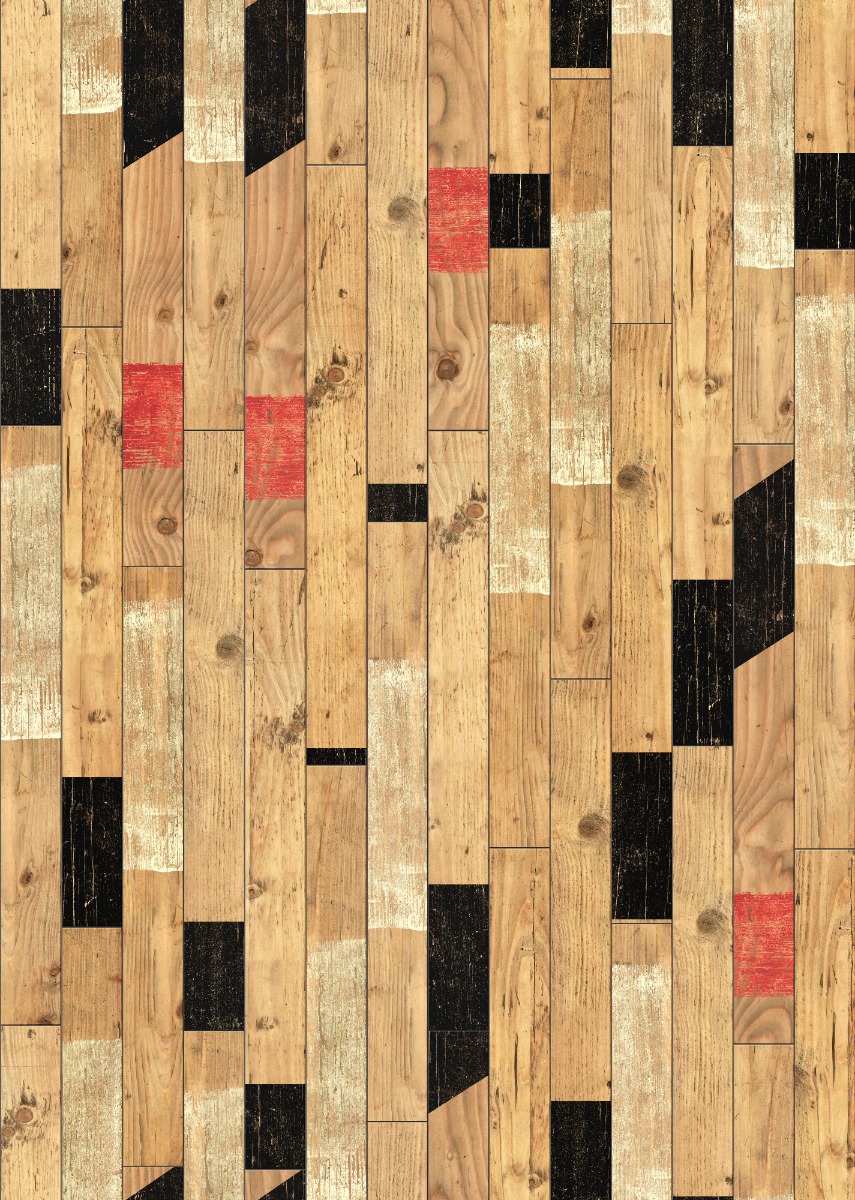
Choose flooring that matches your home style. Colors and textures affect the room’s look. Dark rubber floors hide dirt well. Wood-look vinyl adds warmth and class. Some floors come with flecks or patterns for style. Pick a texture that feels good underfoot. Your gym should be inviting and motivating.
Credit: architextures.org
Choosing Flooring For Commercial Gyms
Choosing the right flooring for commercial gyms requires careful thought. The flooring must handle heavy use and support various activities. It should also meet safety rules to protect users. Proper gym floor texture improves performance and comfort. It also helps prevent injuries and damage to equipment.
Heavy Traffic Durability
Commercial gym floors face constant heavy traffic from people and machines. Flooring materials must resist wear and tear over time. Rubber and high-density foam are common choices for durability. These materials absorb impact and reduce noise. Durable floors save money by lasting longer without repairs.
Multi-use Areas
Gyms often serve many purposes like weightlifting, cardio, and group classes. Flooring must be versatile to suit all these activities. Textured surfaces provide good grip for safety and performance. Easy-to-clean floors keep the gym hygienic for different users. Choose flooring that supports both heavy equipment and active workouts.
Compliance And Safety Standards
Gym floors must follow safety rules to protect users. These include slip resistance and shock absorption standards. Flooring should reduce the risk of falls and injuries. Fire resistance and non-toxicity are also important factors. Meeting these standards ensures a safe gym environment for everyone.
Popular Brands And Products
Choosing the right gym floor texture is key for safety and performance. Popular brands and products offer various options to fit different needs and budgets. This section highlights trusted names and top products for gym flooring. You will also find turf options and affordable alternatives to suit your space and style.
Top Rubber Flooring Brands
Rubber flooring is durable and shock absorbent. Brands like Greatmats, Rep Fitness, and Titan Fitness lead in quality. Greatmats offers interlocking tiles that are easy to install. Rep Fitness provides puzzle tiles with a gray fleck design for style and function. Titan Fitness sells rolls with yellow crumb rubber for heavy use. These brands make floors safe and long-lasting.
Recommended Turf Options
Turf adds a natural feel and extra grip. Popular turf options come from companies like FieldTurf and TigerTurf. These products suit areas for agility drills and sled pushes. Turf is soft on joints and adds a fresh look to gym spaces. It is ideal for both indoor and outdoor gyms. Turf products are made to last and resist wear.
Affordable Alternatives
Budget-friendly flooring still offers good protection. Horse stall mats are a popular low-cost choice. They provide strong cushioning and are easy to clean. Rubber rolls from RubberFlooringInc are another option. These rolls create a smooth surface without many seams. Both choices help save money without sacrificing durability or safety.
Frequently Asked Questions
What Is The Best Material For A Gym Floor?
Rubber flooring ranks as the best gym floor material. It offers durability, shock absorption, slip resistance, and easy maintenance. Rubber tiles or rolls suit commercial and home gyms, providing safety and comfort during workouts.
What Type Of Floor Is Best For A Gym?
Rubber flooring suits gyms best due to durability, shock absorption, and slip resistance. Rubber tiles or rolls offer seamless, easy-to-clean surfaces. Turf fits functional training, while foam suits low-impact workouts. Choose based on gym activities and maintenance needs.
What Material Is A Gymnastics Floor?
A gymnastics floor uses layered materials like plywood, foam, and carpet. These provide cushioning, shock absorption, and grip for safety and performance.
Are Gym Floors Better With Rolls Or Tiles?
Gym floors with rolls offer a seamless, easy-to-clean surface ideal for commercial gyms. Tiles provide customizable layouts and easier repairs. Choose rolls for large, continuous areas and tiles for flexibility and quick replacement. Both enhance durability and shock absorption, supporting safe workouts.
Conclusion
Choosing the right gym floor texture matters for safety and comfort. Rubber tiles offer durability and easy cleaning. Rubber rolls create a smooth, seamless surface for busy gyms. Horse stall mats save money but may smell and show seams. Foam tiles work well for soft cushioning during stretching or yoga.
Turf adds variety for special workout zones. Each option fits different needs and budgets. Think about your gym activities before deciding. A good floor supports your workouts and protects your space.