Your bathroom should be a place of comfort, safety, and style—especially as you plan to age in place. Designing a bathroom that supports your independence doesn’t mean sacrificing elegance or modern conveniences.
Imagine stepping into a space where every detail, from non-slip floors to easy-to-use fixtures, is thoughtfully chosen to keep you safe and confident. Whether you’re updating your own home or preparing for an aging family member, this guide will help you transform your bathroom into a sanctuary that meets your needs today and for years to come.
Ready to discover how simple design changes can make a big difference? Let’s dive in.
Credit: blog.innovatebuildingsolutions.com
Safety Features
Safety features are essential in aging in place bathroom design. They help prevent falls and injuries. Bathrooms can be slippery and challenging to navigate. Proper safety measures create a secure and comfortable environment. These features support independence and confidence for older adults.
Grab Bars And Supports
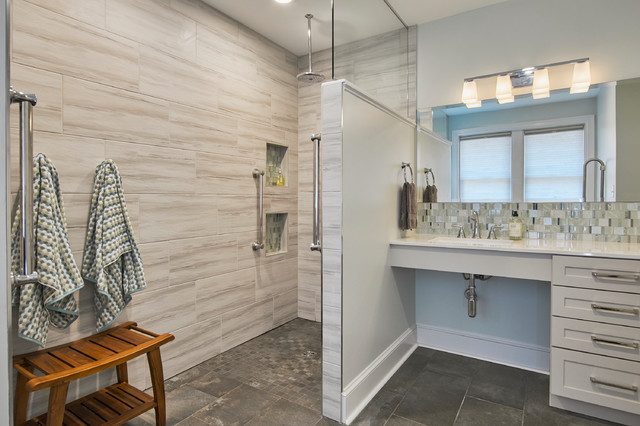
Grab bars offer sturdy support near toilets, showers, and tubs. They help users maintain balance and stability. Installing grab bars at different heights suits various needs. Choose bars made from strong, rust-resistant materials. Secure mounting is vital to ensure they hold weight safely.
Non-slip Flooring Options
Non-slip floors reduce the risk of slipping on wet surfaces. Textured tiles or vinyl with grip improve safety. Avoid shiny or smooth materials that become slippery when wet. Mats with rubber backing add extra traction near sinks and tubs. Regular cleaning keeps floors safe and free of hazards.
Curbless Shower Designs
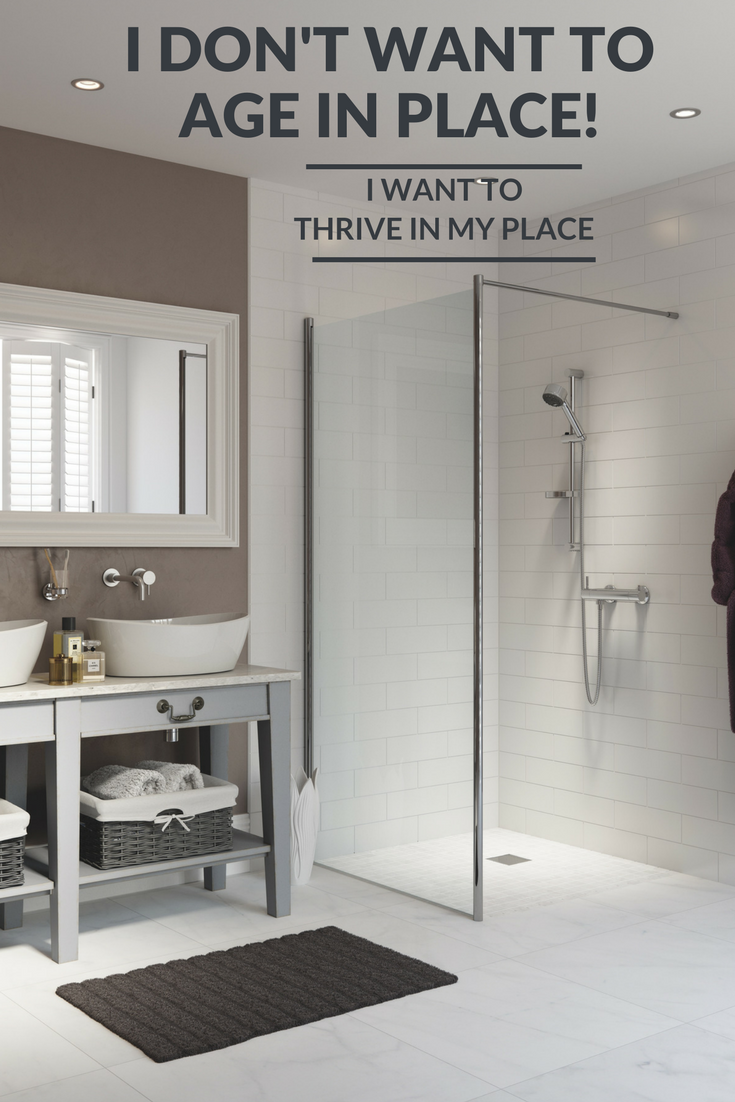
Curbless showers remove the step or ledge at the entrance. This design allows easy entry with a walker or wheelchair. It prevents tripping and makes cleaning simpler. A slight slope directs water toward the drain. Adding a built-in bench increases comfort and safety inside the shower.
Comfort Height Toilets
Comfort height toilets are taller than standard models. They make sitting down and standing up easier. This height reduces strain on knees and hips. Choose toilets with a sturdy seat and secure lid. Some models offer extra features like soft-closing lids for convenience.

Credit: designtechremodeling.com
Lighting Solutions
Proper lighting plays a key role in aging in place bathroom design. It improves safety and enhances comfort for daily routines. Good lighting helps reduce falls and makes tasks easier. Balancing natural and artificial light creates a welcoming space. Thoughtful lighting solutions support independence and confidence in the bathroom.
Natural Light Benefits
Natural light brightens the bathroom without harsh glare. It helps with visibility and lifts mood. Sunlight aids in regulating sleep patterns and overall health. Large windows or skylights bring in daylight. Frosted glass keeps privacy while allowing light inside. Position mirrors to reflect sunlight and brighten dark corners.
Layered Artificial Lighting
Layered lighting combines different light sources for flexibility. Overhead lights provide general illumination. Task lighting near mirrors improves grooming and shaving. Accent lights highlight design features and add warmth. Use LED bulbs for energy efficiency and long life. Dimmers control brightness to suit various needs and times of day.
Motion-sensor Fixtures
Motion-sensor lights turn on automatically when someone enters. They reduce the risk of fumbling in the dark. These fixtures save energy by switching off when the room is empty. Ideal for nighttime trips to the bathroom. Place sensors near entrances and showers for quick response. Motion sensors add convenience and enhance safety.
Shower And Tub Design
Designing showers and tubs for aging in place focuses on safety and comfort. These elements must allow easy access and support. Thoughtful design helps maintain independence in daily routines. Features like seating, adjustable showerheads, and walk-in tubs improve usability and safety. These adaptations help reduce slips and falls, common hazards in bathrooms.
Bench Seating Options
Bench seating adds a safe spot to rest in the shower. Built-in benches or fold-down seats work well. Materials should be slip-resistant and easy to clean. Seating height must suit the user for comfort and stability. A bench also helps when dressing or undressing. It provides extra support for those with limited mobility.
Fixed And Handheld Showerheads
Fixed showerheads offer steady water flow without needing adjustment. Handheld showerheads give flexibility and control. They allow the user to direct water exactly where needed. Adjustable height and spray settings add convenience. Handheld models are especially useful for seated bathing. Both types improve comfort and reduce strain.
Walk-in Tub Features
Walk-in tubs provide safe entry without climbing over high edges. Doors seal tightly to prevent leaks. Many include built-in seats and grab bars inside. Hydrotherapy jets offer soothing water massage benefits. Non-slip flooring and textured surfaces increase safety. These tubs combine comfort, ease, and therapeutic benefits for aging users.
Credit: www.houzz.com
Accessible Fixtures
Accessible fixtures in aging in place bathroom design improve safety and ease of use. They help seniors and people with limited mobility to maintain independence. Thoughtful fixture choices reduce strain and prevent accidents. Each fixture supports comfort and functionality without sacrificing style.
Levered Faucet Handles
Levered faucet handles are easier to operate than traditional knobs. They require less strength and dexterity. Users can turn faucets on or off with a simple push or pull. This design suits arthritis sufferers and those with weak hands. Lever handles also allow quick temperature adjustments without slipping.
Touchless Controls
Touchless controls offer a hygienic, hands-free way to use sinks and showers. Sensors activate water flow automatically. This reduces the need to touch handles, lowering germ spread. Touchless faucets also save water by shutting off quickly. They provide convenience and enhance bathroom cleanliness.
Easy-access Storage
Easy-access storage keeps essentials within reach without bending or stretching. Cabinets with pull-out shelves and drawers work well. Open shelving at seated height is another option. Organizing items in reachable spots saves effort and reduces falls. Clear labeling and simple layouts help users find items fast.
Comfort And Style
Designing a bathroom for aging in place balances comfort with style. This space must feel welcoming and safe, yet remain visually appealing. Thoughtful choices in color, materials, and fixtures create a relaxing environment. These choices support daily routines while enhancing the bathroom’s aesthetic.
Warm Earthy Color Palettes
Soft, warm colors bring calm and coziness. Shades like beige, taupe, and muted greens soothe the senses. These tones reduce glare and create a gentle light reflection. Earthy palettes blend well with natural light, making the space inviting. They add warmth without overwhelming the room.
Natural Materials Integration
Natural materials connect the bathroom to the outdoors. Wood, stone, and bamboo add texture and depth. These materials feel comfortable to touch and improve air quality. They also age well and hide wear over time. Using natural elements creates a peaceful, grounded atmosphere.
Minimalist Vanity Designs
Simple vanities offer both function and style. Clean lines and open spaces prevent clutter buildup. This design makes cleaning easier and movement safer. Minimalist vanities often include accessible storage at reachable heights. Their sleek look complements various bathroom styles, enhancing overall comfort.
Biophilic Elements
Biophilic elements bring nature indoors, enhancing comfort in aging-in-place bathrooms. These natural touches create calm, reduce stress, and improve well-being. Including plants, natural materials, and textured surfaces helps connect users with the outdoors. Such design choices make bathrooms feel warm and inviting while supporting safe, practical use.
Incorporating Plants
Adding plants introduces fresh air and color. Choose low-maintenance varieties like succulents or air plants. Place them near windows or on shelves where light is ample. Plants soften hard surfaces and bring life to the space. Their presence promotes relaxation and a sense of calm.
Stone And Wood Accents
Stone and wood add texture and warmth. Use natural stone for countertops or shower walls. Wood accents appear in cabinetry or trim to create an earthy feel. These materials are durable and age gracefully. Their natural patterns give each bathroom a unique look.
Textured And Patterned Tiles
Tiles with texture or patterns add visual interest and grip. Choose slip-resistant tiles for safety and style. Subtle patterns mimic natural elements like leaves or waves. Textured tiles reduce fall risk by improving footing. These tiles blend beauty with practical benefits.
Smart Technology
Smart technology transforms aging in place bathroom design. It adds convenience, comfort, and safety. These tools make daily routines easier and more independent. Technology adapts the space to personal needs. It helps create a bathroom that feels modern and secure.
Automated Lighting And Heating
Automated lighting adjusts brightness based on time and movement. It prevents fumbling in the dark. Warm lighting creates a relaxing atmosphere. Automated heating keeps the bathroom cozy at all times. It activates before use, so no cold surprises. These features improve comfort and reduce energy waste.
Voice-controlled Fixtures
Voice-controlled fixtures respond to simple commands. Turn on faucets and showers without touching controls. Adjust water temperature with easy voice prompts. Lights and fans also operate by voice. This technology helps those with limited mobility. It adds independence and reduces strain.
Safety Alert Systems
Safety alert systems monitor for falls or unusual activity. They can send alerts to caregivers or family members. Sensors detect water leaks or flooding early. Emergency buttons provide quick access to help. These systems offer peace of mind and faster responses. They create a safer bathroom environment for seniors.
Layout Considerations
Designing a bathroom for aging in place means making the space safe and easy to use. The layout plays a big role in comfort and accessibility. Thoughtful planning helps avoid accidents and supports independence. It also allows for future needs as mobility changes.
Open Circulation Paths
Clear, wide paths improve movement and reduce tripping risks. Avoid clutter and sharp corners to keep walkways smooth. Aim for at least 36 inches of clear space around fixtures. This space helps users move freely and safely. Open paths also make it easier to use wheelchairs or walkers.
Ergonomic Placement Of Fixtures
Place sinks, toilets, and showers within easy reach. Fixtures should be at heights that reduce bending or stretching. Use lever handles instead of knobs for easier operation. Position grab bars near toilets and showers for support. Good placement lowers strain and helps maintain balance.
Space For Mobility Aids
Allow enough room for wheelchairs, walkers, or canes. A turning radius of at least 60 inches is ideal for wheelchairs. Make sure doorways are wide enough for easy access. Keep floors clear to prevent obstacles. Proper space helps users move independently and safely.
Frequently Asked Questions
How To Design A Bathroom For Aging In Place?
Design an aging-in-place bathroom with open space, ample lighting, lever handles, comfort-height toilet, non-slip floors, grab bars, shower bench, and hand-held showerheads for safety and ease.
What Is Aging In Place Bathroom?
An aging in place bathroom includes safety features like grab bars, non-slip flooring, curbless showers, and shower benches. It ensures accessibility and comfort for seniors to use independently and safely at home.
What Is The Golden Rule For Bathroom Layouts?
The golden rule for bathroom layouts is to ensure functional flow by positioning fixtures for easy access and maximizing space efficiency.
What Is The Trend In Bathrooms For 2025?
The 2025 bathroom trend emphasizes spa-like experiences with soaking tubs, steam showers, biophilic design, warm earthy tones, natural materials, and smart technology. Minimalist vanities and textured tiles also gain popularity, creating relaxing, nature-inspired spaces that combine style and functionality.
Conclusion
Designing a bathroom for aging in place means safety and comfort matter most. Easy access, good lighting, and sturdy fixtures help reduce risks. Simple features like grab bars and non-slip floors make a big difference. Thoughtful design keeps independence alive while adding style and warmth.
Choose colors and materials that feel calming and natural. Small changes today create a safer, more relaxing space for tomorrow. Aging in place bathroom design supports a better quality of life.