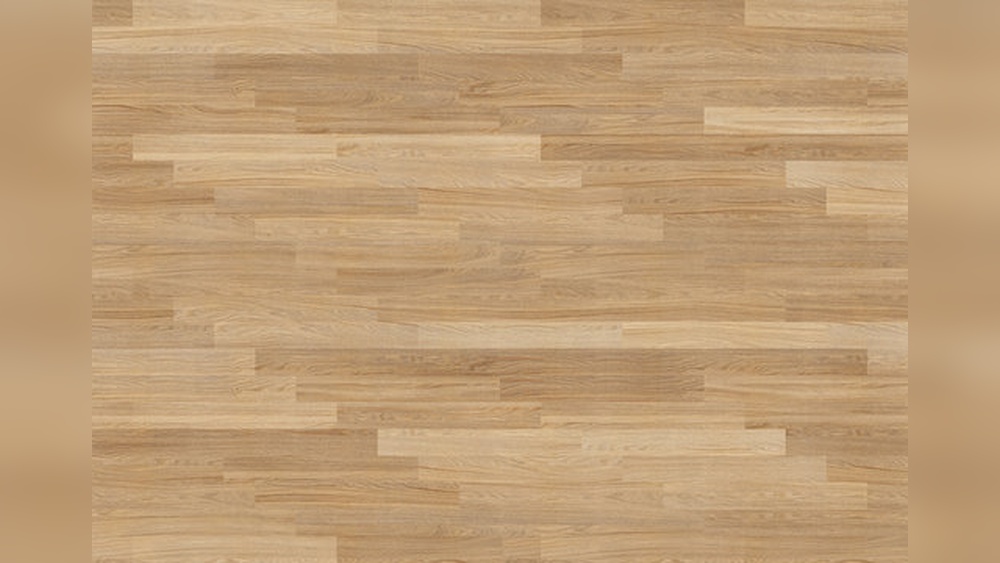

When it comes to transforming your space, the floor plays a huge role in setting the mood and style. Imagine a floor that looks flawless from every angle—no distracting lines or breaks, just smooth, continuous beauty.
That’s exactly what floor seamless texture offers you. Whether you’re redesigning your home, office, or commercial space, understanding how seamless textures work can help you create a stunning environment that feels bigger, cleaner, and more modern. Ready to discover how this simple yet powerful design choice can elevate your space?
Keep reading to unlock the secrets behind floor seamless textures and how they can make your floors stand out like never before.
Seamless Floor Basics
Seamless floors offer a smooth, joint-free surface that enhances any space. This type of flooring creates a clean and continuous look. It is popular in both homes and commercial spaces due to its modern appeal and practical benefits.
Understanding the basics helps you appreciate why seamless floors are a smart choice. Let’s explore what makes a floor seamless, the materials involved, and the visual benefits they bring.
What Makes A Floor Seamless
A seamless floor has no visible joints or grout lines. Unlike traditional tiled floors, it appears as one continuous surface. The surface is poured or applied in one piece or layers that fuse perfectly. This eliminates cracks or gaps where dirt can collect. The result is a clean and smooth finish that feels uniform underfoot.
Materials Used For Seamless Floors
Seamless floors use materials like epoxy, polyurethane, and polished concrete. Epoxy is popular for its durability and resistance to stains. Polyurethane offers flexibility and UV resistance. Polished concrete provides a natural, sleek look and lasts long. These materials bond tightly to the base floor, creating a strong, seamless layer. Each material suits different needs and styles.
Visual Benefits Of Seamless Flooring
Seamless floors visually enlarge rooms by removing breaks in the surface. The smooth texture reflects light evenly, brightening spaces. It creates a modern and minimalist appearance that blends well with many interiors. Without grout lines, the floor looks cleaner and more elegant. This style works well in small and large areas, enhancing the overall design.
Types Of Seamless Flooring
Seamless flooring creates a smooth, continuous surface without gaps or joints. This type of floor enhances room size and looks modern. It also makes cleaning easier and reduces dirt buildup. Various materials offer seamless textures, each with unique benefits.
Choosing the right type depends on the space and its use. Here are three popular seamless flooring options that blend style and function well.
Resin Floors
Resin floors use materials like epoxy or polyurethane. They form a strong, durable surface that resists chemicals and wear. These floors suit industrial, commercial, and residential spaces. Resin floors come in many colors and finishes, allowing design flexibility. They are easy to clean and maintain, ideal for busy areas.
Ceramic Options
Ceramic seamless floors offer a sleek, polished look. They are made by applying large ceramic slabs or poured tiles without visible joints. This method prevents dirt from collecting in cracks. Ceramic floors withstand moisture and heat well, making them perfect for kitchens and bathrooms. They also provide a smooth texture for safe walking.
Pvc Flooring Choices
PVC seamless flooring consists of flexible vinyl material. It is water-resistant and comfortable underfoot. PVC floors come in rolls or sheets, laid without seams for a uniform appearance. They work well in healthcare, schools, and offices due to their noise reduction and easy cleaning. PVC options include different colors and patterns to match any decor.
Creating Seamless Textures
Creating seamless textures is essential for designing floor patterns that look natural and continuous. These textures repeat without visible borders or interruptions. This effect helps make spaces appear larger and more refined. Achieving this requires careful planning and precise techniques.
Photography Tips For Textures
Choose even lighting to avoid harsh shadows or bright spots. Use a tripod to keep your camera steady and ensure sharp images. Shoot from directly above the floor to maintain perspective. Capture high-resolution photos to keep details crisp. Avoid reflections or shiny surfaces that can disrupt the texture’s uniformity.
Using Software For Seamless Patterns
Use image editing software like Photoshop or GIMP to create seamless textures. Start by cropping the photo into a square for easier editing. Apply filters to reduce noise and smooth out imperfections. Use the offset tool to shift the image and expose edges. Clone or heal areas to blend the seams perfectly. Save the file in a format that supports quality and repeatability.
Matching Edges Perfectly
Align edges carefully so the pattern repeats without visible breaks. Check corners to ensure they join smoothly. Use guides and grids in your software to maintain precision. Adjust colors and brightness if edges look different. Test the texture by repeating it multiple times. Correct any mismatches until the pattern flows naturally.
Texture Sources And Resources
Finding the right floor seamless texture is key for smooth, realistic designs. Various sources offer a wide range of textures that fit different needs and budgets. Understanding these resources helps you choose the best option for your project.
Free Texture Libraries
Free texture libraries provide many seamless floor textures at no cost. These sites offer images in high resolution and easy download options. They are great for beginners and small projects. Examples include Texture Haven, CC0 Textures, and Freepik. Always check the usage rights before downloading.
Premium Stock Images
Premium stock images offer high-quality seamless textures with professional polish. These textures often come with extended licenses for commercial use. Platforms like Adobe Stock and Shutterstock host vast collections. Investing in premium images ensures uniqueness and excellent detail.
Pbr Texture Sets
PBR texture sets include multiple maps like albedo, normal, and roughness. These textures simulate realistic lighting and material properties. They are perfect for 3D artists and game developers. Websites like Poliigon and Quixel Megascans provide extensive PBR collections.
Installation Techniques
Installing a seamless floor texture requires careful attention and precise steps. Each stage plays a key role in achieving a flawless and durable finish. Following proper techniques ensures the floor looks smooth and lasts longer.
Surface Preparation
Clean the floor thoroughly to remove dust and debris. Repair any cracks or holes using a suitable filler. Ensure the surface is dry and level before moving forward. Proper preparation helps the coating stick well and prevents future damage.
Applying Resin Coatings
Mix the resin components according to the manufacturer’s instructions. Pour the mixture evenly over the floor surface. Use a trowel or roller to spread the resin in thin, uniform layers. Avoid thick coats to prevent bubbles and unevenness.
Ensuring Smooth Finishes
Work quickly before the resin begins to set. Use a spiked roller to remove trapped air bubbles gently. Smooth out any marks or ridges carefully with a flat trowel. Allow the floor to cure fully in a clean, dust-free environment for the best result.
Cost Comparison
Comparing costs is essential when choosing between floor seamless texture options. Understanding price differences helps you make smart decisions for your space. This section breaks down pricing aspects clearly and simply.
Resin Vs Tile Pricing
Resin floors usually cost less than tile floors. The basic resin materials are affordable and easy to install. Tiles vary widely in price depending on type and quality. Ceramic and porcelain tiles tend to be more expensive than resin. Labor costs for tile installation are often higher. Resin installation is quicker, saving on labor. Resin prices rise with special features like UV resistance. Tile prices rise with intricate designs and brand names.
Material Costs Breakdown
Resin materials include epoxy, polyurethane, and additives. These materials cost less and cover large areas easily. Tiles require buying each piece separately, which adds up. You also need grout, adhesives, and sometimes underlayment for tiles. Resin needs fewer extra materials. Tiles need more preparation and surface leveling. Resin coatings are self-leveling and smooth. The cost of surface preparation can affect both options.
Long-term Value
Resin floors are durable and resist cracks well. They need less maintenance over time. Tiles can crack and require grout repairs. Resin floors are seamless, reducing dirt buildup. Tiles have grout lines that collect dirt and need cleaning. Resin resists stains and chemicals better. Tiles may need sealing to protect surfaces. Resin floors can last 10 to 20 years with care. Tiles also last long but repair costs may add up. Consider durability and upkeep for long-term savings.
Maintenance Tips
Maintaining seamless floors is key to keeping their beauty and strength. Proper care helps these floors stay smooth and durable. Simple steps can prevent damage and extend their life.
Cleaning Seamless Floors
Use a soft broom or vacuum to remove dust daily. Mop with warm water and a mild detergent. Avoid harsh chemicals that can damage the surface. Dry the floor after cleaning to prevent water spots. Clean spills immediately to stop stains.
Repairing Minor Imperfections
Small scratches or dents appear over time. Use a repair kit designed for seamless floors. Follow the instructions to fill cracks or chips carefully. Sand lightly if needed to blend repairs. Regular checks catch damage early and reduce repair costs.
Extending Floor Lifespan
Place mats at entrances to catch dirt and grit. Use furniture pads to avoid scratches. Avoid dragging heavy items across the floor. Schedule professional inspections every few years. Proper maintenance keeps floors looking new longer.

Credit: www.patternpictures.com
Design Ideas
Seamless floor textures offer endless design possibilities. They create smooth, continuous surfaces that enhance any space. Using different styles can change the room’s mood and appearance. Explore creative ideas to transform your floors with unique looks.
Wood And Timber Looks
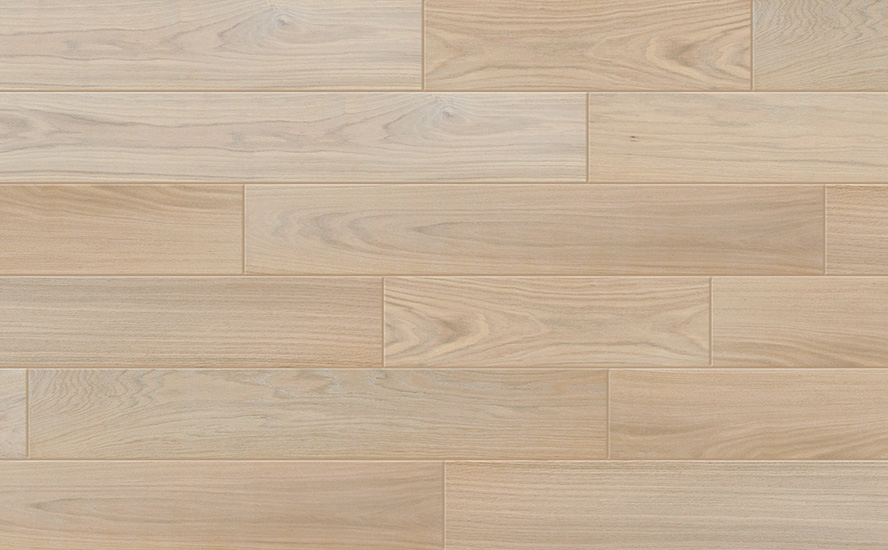
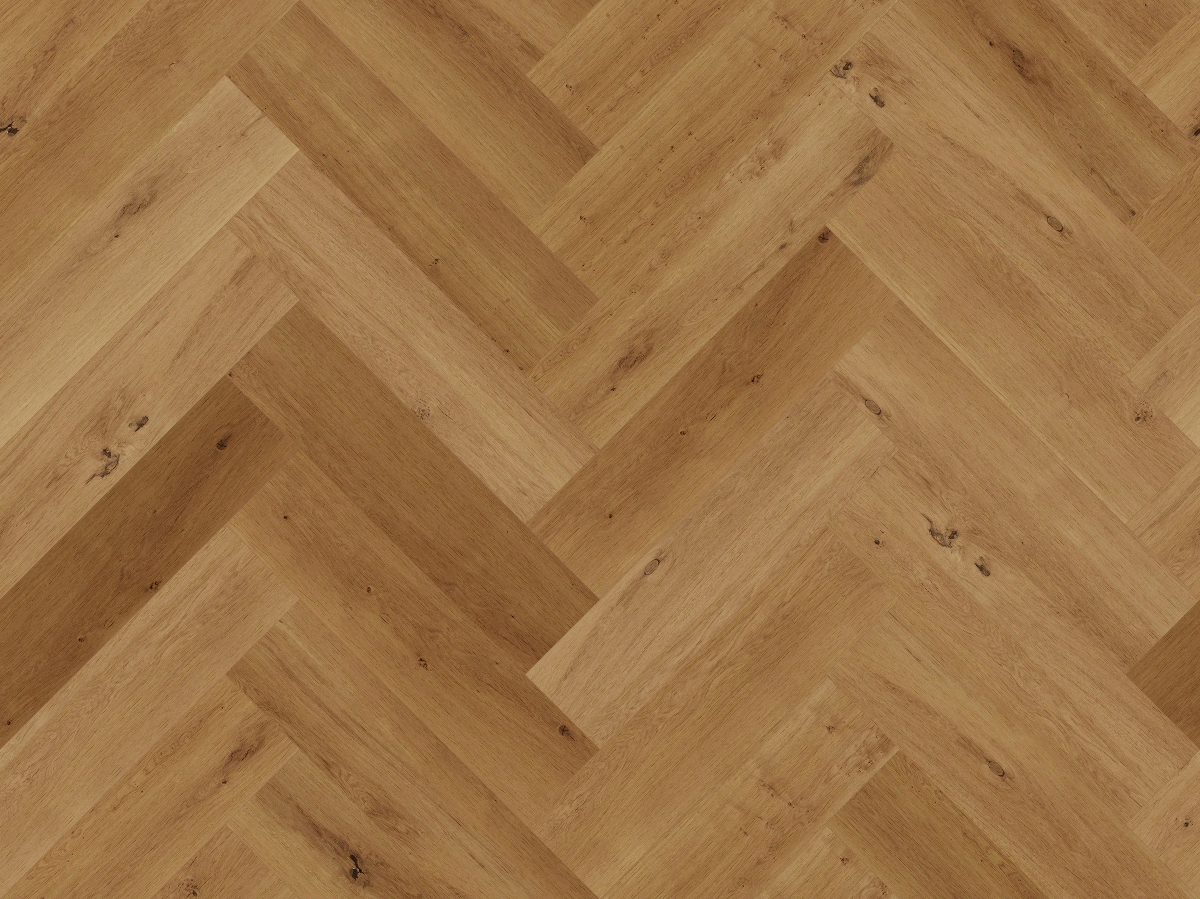
Wood textures add warmth and natural beauty to floors. Seamless wood patterns mimic real timber grains perfectly. They create a cozy, inviting atmosphere without visible joints. Choose from oak, pine, or walnut styles for classic or modern vibes. These textures work well in living rooms and bedrooms.
Stone And Marble Effects
Stone and marble seamless textures bring elegance to any floor. They mimic natural stone patterns with smooth, joint-free surfaces. This look suits kitchens, bathrooms, and hallways. Marble effects add luxury, while stone textures offer a rugged charm. Both styles create spacious, clean environments.
Creative Patterns
Creative seamless patterns offer bold and artistic floor designs. Geometric shapes, abstract lines, or floral motifs add character. These textures suit modern homes and commercial spaces. They give floors a unique personality without breaks or seams. Use vibrant or subtle colors to match your style.
Common Challenges
Seamless floor textures offer a smooth and elegant look. They create a continuous surface without breaks. Despite their beauty, several challenges arise during installation and maintenance. Addressing these issues ensures a flawless finish and lasting durability.
Avoiding Visible Seams
Visible seams can ruin the seamless floor effect. Careful preparation of the surface is key. Using high-quality materials helps blend the joints perfectly. Skilled application by professionals reduces the chance of seams showing. Proper curing time allows the floor to settle evenly.
Handling Surface Cracks
Cracks may appear due to floor movement or heavy loads. Early detection prevents cracks from spreading. Applying flexible coatings absorbs stress and minimizes damage. Regular inspections catch problems before they worsen. Repairing cracks quickly keeps the floor strong and smooth.
Dealing With Slipperiness
Seamless floors can become slippery when wet. Adding anti-slip additives improves traction safely. Textured finishes increase grip without harming appearance. Proper cleaning methods avoid making surfaces slick. Ensuring safety is crucial in homes and workplaces.
Credit: johnsonhardwood.com
Credit: architextures.org
Frequently Asked Questions
What Is Seamless Texture?
A seamless texture is an image that repeats perfectly without visible edges or breaks. It creates smooth, continuous patterns ideal for digital design.
What Are Seamless Floors?
Seamless floors are smooth surfaces without visible joints or grout lines. They create a spacious, continuous look using materials like resin, ceramic, or PVC. These floors enhance room size visually and offer easy maintenance with a modern, sleek finish.
Is It Cheaper To Tile Or Epoxy A Floor?
Epoxy flooring generally costs less than tiling due to cheaper materials and faster installation. Tiles require more labor and higher material costs.
How To Make The Texture Seamless?
To make a texture seamless, align and blend edges so they match perfectly when repeated. Use tools like Photoshop’s offset filter and clone stamp. Check for visible seams by tiling the image. Adjust colors and details to ensure smooth transitions across edges.
Conclusion
Seamless floor textures create smooth, continuous surfaces without visible breaks. They enhance room appearance by making spaces look larger and cleaner. Various materials like resin and ceramic offer durable, stylish options. Easy to maintain and visually appealing, seamless floors suit many settings.
Choosing the right texture can improve your floor’s look and feel. Consider seamless textures for a modern, uniform finish that lasts.