
Are you curious about who is investing in smart kitchens and why this trend is gaining so much momentum? Whether you’re thinking about upgrading your own cooking space or just want to understand the buzz, knowing who’s buying smart kitchens can help you see if it’s the right move for you.
From busy professionals seeking convenience to tech enthusiasts eager for the latest gadgets, the smart kitchen market is growing fast—and it’s changing the way we cook, clean, and connect at home. Keep reading to discover which buyers are driving this shift and what it means for your kitchen’s future.

Credit: gourmetkitchenworks.com
Smart Kitchen Buyers
Smart kitchens attract diverse buyers worldwide. These buyers appreciate technology and convenience. They seek efficient, connected, and stylish kitchen solutions. Understanding who buys smart kitchens helps tailor products and marketing.
Homeowners Embracing Innovation
Many homeowners choose smart kitchens for ease and control. They want appliances that save time and energy. Smart features like remote control and automation appeal to them. These buyers often update their homes with modern tech. They enjoy a kitchen that adapts to their lifestyle.
Tech Enthusiasts Leading Adoption
Tech lovers are among the first to adopt smart kitchens. They enjoy exploring new gadgets and smart home integration. These buyers value cutting-edge features and seamless connectivity. Their kitchens often showcase the latest technology trends. They influence others by sharing their experiences.
Luxury Market Preferences
The luxury market demands high-end smart kitchen appliances. Buyers here want premium quality and advanced functionality. Features like voice control and personalized settings attract them. They seek sleek designs that match upscale interiors. Smart kitchens add both value and style to their homes.
Millennial And Gen Z Impact
Millennials and Gen Z drive smart kitchen growth significantly. They prioritize convenience and technology in daily life. These buyers prefer eco-friendly and energy-efficient options. They use apps to manage their kitchen devices easily. Smart kitchens fit their fast-paced, connected lifestyles well.
Commercial And Hospitality Buyers
Businesses in food and hospitality also invest in smart kitchens. They need efficient, reliable appliances to improve service. Smart tech helps reduce waste and optimize energy use. These buyers focus on durability and ease of maintenance. Smart kitchens support their goal for better customer experiences.
Popular Smart Kitchen Features
Smart kitchens have become popular due to their ability to simplify cooking and improve home management. Many people choose smart kitchens to save time and enhance their cooking experience. The features found in these kitchens make daily tasks easier and more efficient.
These smart kitchen features focus on convenience, control, and energy savings. They combine technology with everyday appliances to create a connected cooking space. Below are some of the most popular smart kitchen features that buyers enjoy.
Voice-activated Appliances
Voice control lets users operate appliances hands-free. You can preheat ovens or start coffee makers using simple voice commands. This feature adds ease and speed to meal preparation. It suits busy people who multitask in the kitchen.
Remote Monitoring And Control
Smart kitchens allow users to control appliances from anywhere. Using a smartphone app, you can check the status of your fridge or adjust the oven temperature. This feature helps prevent food waste and saves energy. It also offers peace of mind when away from home.
Ai-enhanced Cooking Functions
Artificial intelligence helps cook meals with precision. AI can suggest recipes based on ingredients or adjust cooking times automatically. It learns your habits to improve results. This feature makes cooking easier for beginners and busy families.
Energy Efficiency And Sustainability
Smart kitchens use energy-saving technology to reduce waste. Appliances can optimize power use during off-peak hours. Some devices track energy consumption and suggest ways to save. This feature appeals to eco-conscious buyers and lowers utility bills.
Connectivity And Integration
Smart kitchen devices connect with each other and other smart home systems. This integration creates a seamless user experience. For example, your fridge can notify your phone when groceries run low. Connectivity helps create a modern, efficient kitchen environment.
Emerging Trends In Smart Kitchens
Smart kitchens are evolving with new styles and finishes that appeal to diverse buyers. These emerging trends show how technology meets design to create unique cooking spaces. Colors and materials play a big role in setting the tone of a smart kitchen.
Buyers want kitchens that reflect their personality and lifestyle. They choose appliances and finishes that fit their home’s style while offering modern features. The following trends highlight popular choices in smart kitchen design.
Bold And Jewel Tone Appliances
Deep greens, blues, and reds stand out in smart kitchens. These jewel tones add color and personality. Buyers select these shades to make a statement, especially on ranges and refrigerators. They bring vibrancy and a fresh look to kitchen spaces.
Matte Black And Modern Finishes
Matte black is a favorite for its sleek and clean appearance. This finish suits minimalist and contemporary kitchens well. It hides fingerprints and smudges better than glossy surfaces. Many buyers appreciate the modern edge that matte black appliances add.
Warm Neutrals And Vintage Styles
Beige, cream, and other warm neutrals create a soft and inviting kitchen. These shades offer an alternative to cold stainless steel. Vintage-style appliances in off-white or soft colors are also popular. They bring nostalgia and warmth while supporting smart technology.
White And Off-white Comebacks
Glossy white and white glass finishes make kitchens bright and clean. These finishes often pair with black or stainless steel appliances for contrast. Off-white tones with a vintage touch are returning too. Buyers choose these for a fresh yet timeless look.
Sleek Stainless Steel Variants
Stainless steel remains a classic choice for smart kitchens. It blends well with many designs and offers durability. Black stainless steel is a warmer alternative gaining popularity. This finish adds depth and a bold style to modern kitchens.
Top Brands Driving The Market
Top brands shape the smart kitchen market with innovation and style. Their products attract buyers seeking technology and convenience combined. These companies invest in research to meet evolving consumer needs. They offer smart appliances that blend design with functionality. This section highlights key players driving smart kitchen growth.
Samsung And Lg Innovations
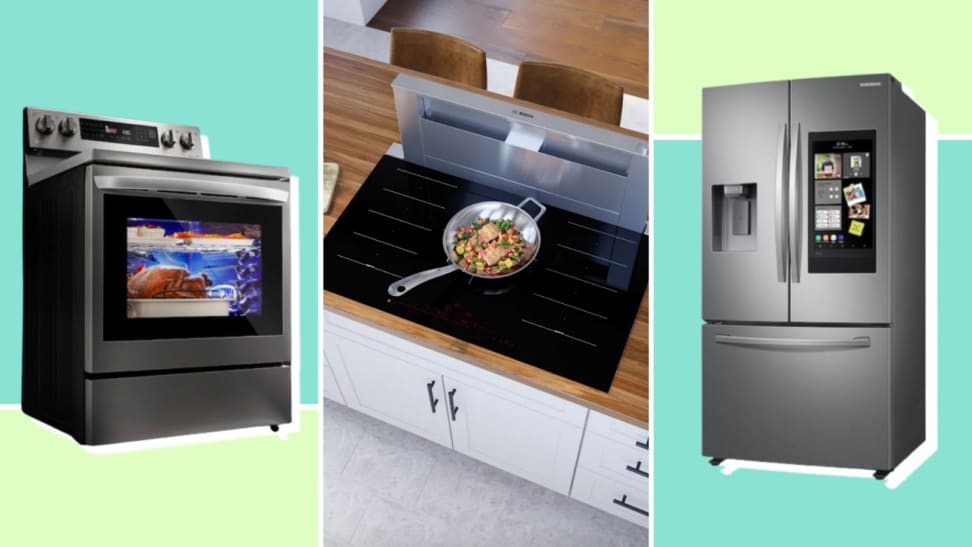
Samsung leads with connected refrigerators and smart ovens. Their appliances feature voice control and app integration. LG focuses on energy-efficient smart washers and cooktops. Both brands use AI to improve cooking and storage. Their products appeal to tech-savvy buyers wanting modern kitchens.
Whirlpool And Electrolux Offerings
Whirlpool offers smart dishwashers and refrigerators with remote monitoring. Electrolux emphasizes sustainability and smart sensors in appliances. Both brands provide easy-to-use interfaces and reliable performance. Their products attract families seeking convenience and energy savings.
Kitchenaid’s Stylish Selections
KitchenAid combines smart technology with classic design. Their mixers and ovens offer smart features like precise temperature control. They cater to buyers wanting beauty and function in their kitchens. KitchenAid’s products fit well in both modern and traditional homes.
Emerging Players And Startups
New startups bring fresh ideas to smart kitchen tech. They focus on niche markets like healthy cooking and space-saving designs. These companies use IoT and AI to create unique appliances. Emerging brands attract early adopters who want cutting-edge solutions.
Challenges For Buyers
Buying a smart kitchen offers many benefits. Still, buyers face several challenges. These issues can affect satisfaction and usability. Understanding these challenges helps buyers make better decisions.
Data Privacy Concerns
Smart kitchens collect a lot of personal data. This includes usage patterns and voice commands. Buyers worry about who accesses this data. Data breaches can expose sensitive information. Privacy settings can be complex to manage. Buyers need to check how companies protect their data.
Repair And Maintenance Complexity
Smart kitchen devices have advanced technology inside. This makes repairs harder than traditional appliances. Not all technicians can fix smart appliances. Parts may be expensive or hard to find. Maintenance requires regular software updates too. Buyers must be ready for higher upkeep costs.
Dependence On Connectivity
Smart kitchens rely heavily on internet connections. If Wi-Fi is slow or lost, devices may stop working. This can cause frustration during cooking. Some features only work online, limiting their use offline. Buyers should have a stable internet setup at home. Backup plans are useful during connectivity issues.
Rapid Obsolescence Risks
Technology in smart kitchens evolves quickly. New models with better features appear often. Older devices may stop receiving updates or support. This can reduce their lifespan and value. Buyers might need to upgrade sooner than expected. Choosing brands with long-term support can help reduce risks.
Credit: www.reviewed.com
Value And Investment Considerations
Investing in a smart kitchen requires careful thought about value and long-term benefits. Buyers want technology that improves daily life without unnecessary costs. Smart kitchens blend convenience with modern design, but the key is choosing features that truly add value. Understanding the balance between cost and advantages helps make wise decisions. This section explores how buyers assess smart kitchens as a valuable investment.
Prioritizing Useful Features
Buyers focus on smart appliances that simplify tasks. Features like automated cooking and voice control save time. Choosing useful tools avoids paying for extras that remain unused. Practical functions improve kitchen efficiency and comfort. The goal is to select technology that fits personal cooking habits.
Balancing Cost And Benefits
Smart kitchens often have higher upfront costs. Buyers weigh these costs against long-term benefits. Benefits include convenience, energy savings, and improved home value. Some smart devices may reduce food waste or speed up cooking. Cost-benefit balance ensures buyers get real value from their investment.
Energy Savings And Longevity
Energy-efficient smart appliances lower utility bills. Sensors and timers help reduce power use. Longevity matters; durable appliances protect investment over time. Buyers look for products with good warranties and quality reviews. Saving energy adds both financial and environmental value.
Future-proofing Your Kitchen
Technology evolves quickly, so future-proofing is essential. Buyers choose smart kitchens with upgrade options and compatibility. Wi-Fi enabled devices offer flexibility for new features. A future-ready kitchen adapts easily to changing technology. This approach keeps the kitchen modern for years to come.
Credit: www.thesantegroup.org
Frequently Asked Questions
What Are The Disadvantages Of A Smart Kitchen?
Smart kitchens face data privacy risks, complex repairs, reliance on internet connectivity, high costs, and rapid tech obsolescence.
Are Smart Kitchen Appliances Worth It?
Smart kitchen appliances enhance convenience, save time, and improve energy efficiency. Choose models with useful features for best value.
What Is The No. 1 Kitchen Appliances Brand?
Whirlpool is widely recognized as the No. 1 kitchen appliances brand. It offers durable, innovative, and reliable products globally.
What Color Of Appliances Are In Style In 2025?
In 2025, appliance colors in style include matte black, deep greens, jewel tones, warm neutrals like beige, and classic stainless steel. White with glossy or vintage off-white finishes also gains popularity. Black stainless steel offers a bold alternative, blending modern and timeless kitchen aesthetics.
Conclusion
Smart kitchens attract tech lovers and busy families alike. Many buyers seek convenience and energy savings. Homeowners who value modern style also invest in smart appliances. Small apartments and new homes often include smart kitchen setups. As technology grows, more people find smart kitchens useful.
The market shows steady growth in smart kitchen buyers. This trend will likely continue in the near future.