
Imagine stepping into your kitchen and having everything work together seamlessly—your oven preheats itself as you leave the office, your fridge reminds you what’s running low, and your lights adjust automatically to create the perfect cooking ambiance. This isn’t just a dream; it’s what goes into creating a smart kitchen.
If you want to save time, reduce waste, and make cooking safer and more enjoyable, understanding the key elements of a smart kitchen is essential. Ready to discover how technology can transform your cooking space into a connected, efficient hub?
Let’s dive into what makes a kitchen truly smart—and how you can bring these innovations into your home.
Credit: www.safewise.com
Smart Appliances
Voice control is a key feature in smart kitchens. It allows users to operate appliances using simple spoken commands. This hands-free approach makes cooking and kitchen management easier and safer. Voice control helps multitaskers who need to keep their hands free for cooking or cleaning. It also adds convenience by speeding up common tasks like setting timers or adjusting appliance settings.
Hands-free Operation
Hands-free operation lets you control kitchen devices without touching them. You can ask the oven to preheat or start the coffee maker while your hands are busy. This reduces the risk of spreading germs or causing accidents. Voice commands can also manage lighting, play music, or add items to your shopping list. The ability to speak commands keeps the kitchen workflow smooth and uninterrupted.
Popular Voice Assistants
Many smart kitchens use popular voice assistants to enable voice control. Amazon Alexa and Google Assistant lead the market with wide device compatibility. Apple’s Siri also integrates with some smart kitchen products through HomeKit. These assistants recognize natural speech and respond quickly. They can connect to multiple devices for a seamless kitchen experience. Choosing the right assistant depends on your existing smart home setup and personal preference.
Credit: www.nar.realtor
Voice Control
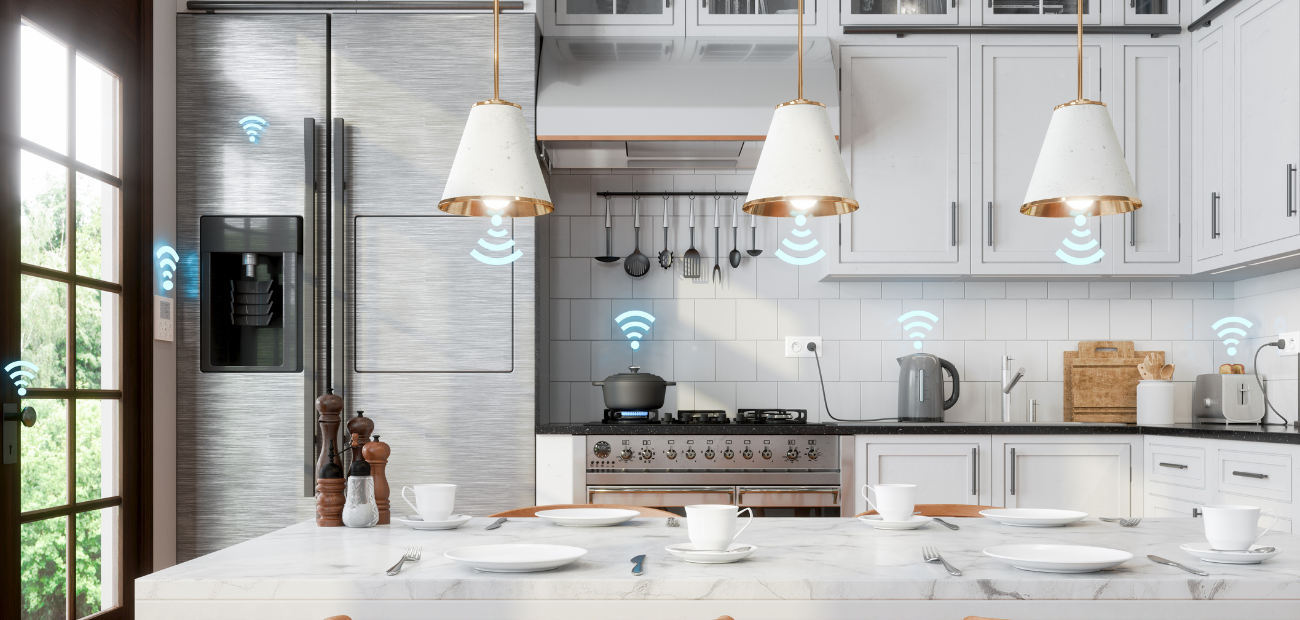
Automation and integration form the heart of smart kitchens. They connect devices and systems to work together smoothly. This connection brings ease and saves time in daily kitchen tasks. Smart kitchens use these technologies to create a seamless cooking environment. Appliances communicate with each other and respond to your needs.
Centralized Device Hubs
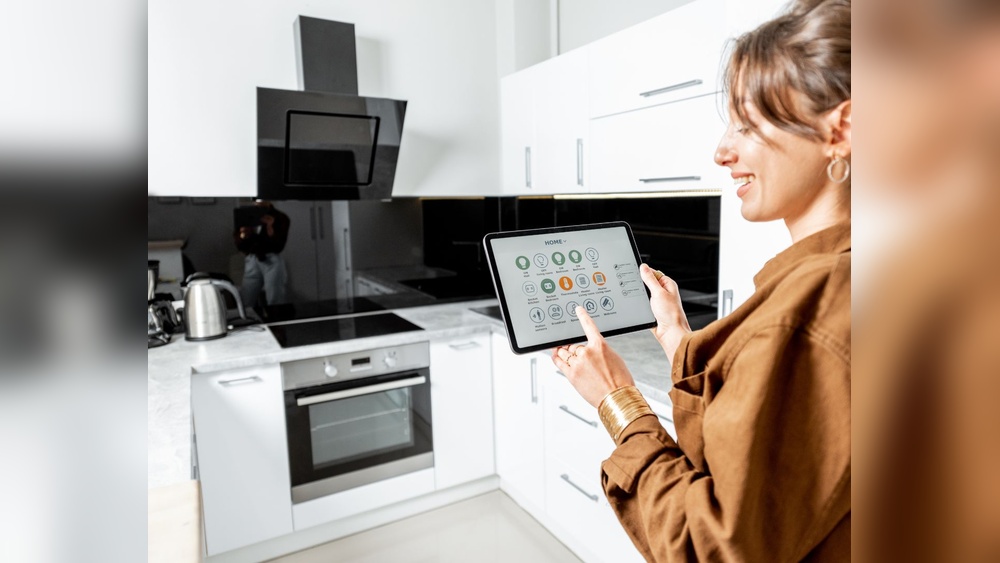
A centralized device hub controls all smart kitchen appliances in one place. It acts as the brain of the kitchen, linking devices like ovens, refrigerators, and dishwashers. You can manage settings, schedules, and alerts from a single app or screen. This hub simplifies operation and reduces the need to switch between different apps. It also allows devices to share information and coordinate actions automatically.
Smart Lighting And Notifications
Smart lighting adapts to your kitchen activities and mood. Lights can brighten when you start cooking or dim during dinner time. Some systems use motion sensors to turn lights on or off automatically. Notifications keep you informed about cooking progress or appliance status. For example, your phone can alert you when the oven reaches the right temperature or the dishwasher finishes. These features improve safety and convenience in the kitchen.
Automation And Integration
Remote access is a key feature in smart kitchens. It allows users to control and monitor kitchen appliances from anywhere. This capability adds convenience and saves time. Smart kitchens become more responsive and adaptable to daily routines through remote access.
Smartphone Monitoring
Smartphone apps connect directly to kitchen appliances. Users can check the status of refrigerators, ovens, and dishwashers at any time. These apps send real-time updates about appliance performance and alerts for maintenance. Monitoring remotely helps avoid problems and keeps the kitchen running smoothly.
Preheating And Status Alerts
Remote access allows preheating ovens before arriving home. This feature saves time and ensures food cooks promptly. Status alerts notify users when cooking finishes or if there is an issue. These alerts help prevent overcooking and reduce energy waste.

Credit: www.restroworks.com
Remote Access
Energy efficiency plays a key role in smart kitchens. It helps reduce electricity use and lowers utility bills. Smart appliances use technology to manage power better and avoid waste. This creates a more sustainable kitchen environment that benefits both the user and the planet.
Smart kitchens include systems designed to use energy at the best times. They also track energy use and offer insights to improve efficiency. These features help owners save money and protect resources.
Off-peak Usage
Smart kitchens can schedule appliances to run during off-peak hours. This means using electricity when demand is low and rates are cheaper. For example, dishwashers and washing machines can start late at night. This reduces strain on the power grid and cuts energy costs.
Off-peak usage also helps balance energy supply. It prevents overloads and supports cleaner energy sources. Smart timers and apps make it easy to set these schedules without extra effort.
Energy Analytics
Energy analytics track and analyze power consumption in real time. Smart kitchen devices collect data on how much energy each appliance uses. Users get detailed reports showing patterns and peak times.
This information helps identify waste and areas for improvement. For example, a fridge door left open may cause higher energy use. Analytics alert users to such issues, encouraging smarter habits.
With clear data, homeowners can make informed choices. They can adjust appliance settings or replace inefficient devices. Energy analytics turn raw numbers into actionable advice.
Energy Efficiency
Safety features are a core part of smart kitchens. They protect your home and family from accidents. Smart kitchens use advanced technology to detect hazards and act quickly. These features reduce risks linked to cooking and appliances. They give you control and peace of mind, even when you are away.
Automatic Shut-off
Many smart appliances have automatic shut-off functions. This feature stops the appliance after a set time or if it senses a problem. For example, a smart stove can turn off if left on accidentally. This prevents fires and saves energy. It also helps avoid burns and other kitchen accidents. You can control this feature through an app on your phone.
Gas And Smoke Sensors
Smart kitchens often include gas and smoke sensors. These sensors detect leaks or smoke quickly. They send alerts to your phone or sound alarms in the home. Early warnings can prevent dangerous situations like gas poisoning or fires. Sensors work continuously, even when you are not in the kitchen. They connect with other smart devices to trigger safety actions automatically.
Safety Features
Smart kitchens bring many benefits but also have some drawbacks. Understanding these helps you decide if smart tech fits your home. These kitchens rely heavily on technology, which can cause issues beyond just convenience. They raise concerns about privacy, repairs, connectivity, and staying current with new tech. Below are key drawbacks to consider.
Data Privacy Risks
Smart kitchens collect lots of personal data. This includes your habits, schedules, and even what you eat. Hackers may try to access this data. Poor security can lead to privacy breaches. Your information might be shared without permission. Always check the privacy policies of smart devices.
Repair Complexity
Smart appliances have complex parts and software. Fixing them is harder than traditional devices. Not all repair shops can handle smart tech. Repairs may take longer and cost more. Sometimes a small issue needs a full device replacement. This increases maintenance expenses over time.
Connectivity Dependence
Smart kitchens depend on strong internet connections. If your Wi-Fi goes down, many devices stop working. You might lose control over your appliances. Remote features become useless without internet. This can cause frustration and limit the kitchen’s usefulness.
Technology Obsolescence
Smart kitchen devices become outdated quickly. New models with better features appear often. Older devices may not get updates or support. This can lead to security risks and reduced performance. Replacing devices frequently can be expensive.
Drawbacks Of Smart Kitchens
Setting up a smart kitchen involves more than just buying smart appliances. It requires thoughtful planning and choosing the right components. A well-set-up smart kitchen ensures smooth operation and easy control. It brings convenience and efficiency to daily cooking and kitchen tasks.
Choosing Compatible Devices
Select devices that work well together. Compatibility prevents connection issues and frustration. Look for products supporting common platforms like Alexa, Google Assistant, or Apple HomeKit. This ensures easy integration and control from one app or voice command. Choose devices that match your kitchen’s size and your cooking habits.
Network Requirements
A strong Wi-Fi network is essential for a smart kitchen. Devices need stable internet to communicate without delays. Use a router that covers your entire kitchen area. Consider mesh Wi-Fi systems for larger homes. Keep your network secure with strong passwords to protect your devices from hacking.
User-friendly Interfaces
Simple controls make smart kitchens enjoyable to use. Choose devices with clear displays and easy-to-navigate apps. Voice control adds convenience, especially when hands are busy. Test interfaces before buying to ensure they fit your comfort level. Easy operation encourages daily use and reduces learning time.
Frequently Asked Questions
What Are Smart Kitchens?
Smart kitchens use connected devices and appliances to automate tasks, boost efficiency, and enhance convenience and safety. They include smart refrigerators, ovens, and voice-controlled systems. Users can control appliances remotely, save energy, reduce food waste, and improve safety with features like automatic shut-off and alerts.
What Are The Disadvantages Of A Smart Kitchen?
Smart kitchens can be expensive to install and maintain. They may face technical glitches and require regular updates. Privacy concerns arise due to data collection. Dependence on Wi-Fi can disrupt functionality during outages. Some users find smart devices complicated to operate.
How To Set Up A Smart Kitchen?
Start by choosing smart appliances like refrigerators and ovens with remote control features. Integrate devices using a central hub for automation. Use voice assistants for hands-free operation. Enable energy-saving modes and safety features. Control and monitor everything via smartphone apps for convenience and efficiency.
What Is The 3×4 Kitchen Rule?
The 3×4 kitchen rule suggests a kitchen layout should ideally measure 3 feet by 4 feet. This size optimizes space for cooking, storage, and movement, promoting efficiency and comfort in small kitchen designs. It suits compact homes or apartments needing functional, organized kitchen areas.
Conclusion
Smart kitchens blend technology with everyday cooking tasks. They make life easier by saving time and energy. Connected devices work together for better convenience and safety. You can control appliances from anywhere using simple apps or voice commands. These kitchens also help reduce food waste and prevent accidents.
Smart kitchens represent a practical step toward modern living. They offer a glimpse of how technology shapes our homes. Embracing smart kitchen features can improve your daily routine.