

Are you curious about where Smart City Kitchens are located and how they fit into the future of urban living? Whether you’re a foodie, an entrepreneur, or someone interested in smart city innovations, knowing the locations of these cutting-edge kitchens can open up exciting possibilities for you.
Smart City Kitchens blend technology with convenience, offering efficient, connected spaces that serve the needs of modern communities. You’ll discover key Smart City Kitchen locations, why they matter, and how they are shaping the way we cook, eat, and live in smart cities around the world.
Keep reading to find out where you can experience this revolution firsthand—and how it might impact your daily life.
Smart City Kitchen Concept
The Smart City Kitchen Concept is an innovative approach to urban food preparation and delivery. It combines modern technology with efficient space use to serve city residents better. These kitchens are designed to support multiple food businesses within a shared facility.
Smart City Kitchens help reduce costs and increase convenience. They aim to improve food access and promote sustainability in dense urban areas.
Definition And Features
Smart City Kitchens are shared kitchen spaces in urban locations. They provide cooking facilities to restaurants and food startups. These kitchens often include commercial-grade appliances and storage areas. They focus on maximizing space and minimizing waste. Features include flexible rental options and advanced hygiene systems.
Technological Integration
Technology is key in Smart City Kitchens. They use IoT devices to monitor kitchen equipment and inventory. Automated ordering systems help manage supplies efficiently. Data analytics optimize cooking schedules and reduce energy use. Some kitchens use apps to coordinate food delivery and track orders in real time.
Benefits For Urban Areas
Smart City Kitchens reduce the need for large, individual restaurant spaces. They lower startup costs for food businesses. This model supports local entrepreneurs and creates jobs. These kitchens also decrease food waste by using data to plan meals better. They help reduce traffic and pollution by optimizing delivery routes. Overall, they contribute to cleaner, more efficient cities.
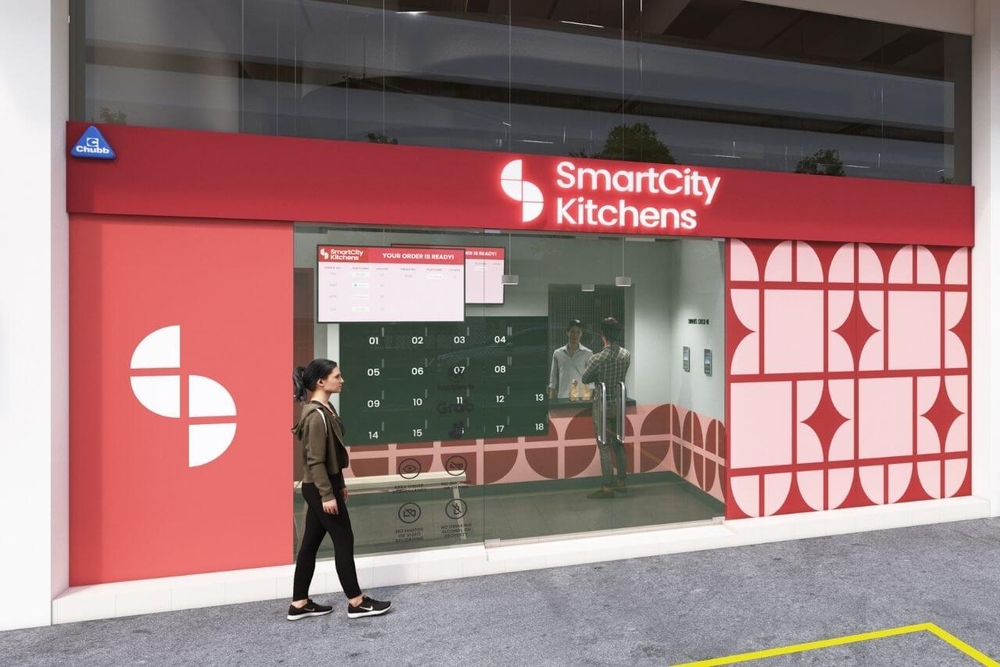
Credit: www.smartcitykitchens.com
Choosing Prime Locations
Choosing the right location for Smart City Kitchens is crucial for success. A prime spot ensures the kitchen serves its customers efficiently. It also reduces costs and improves operations. Several factors influence this choice, each playing a key role in location strategy.
Urban Demand And Accessibility
Smart City Kitchens thrive where demand is high. Urban areas with dense populations offer many potential customers. Easy accessibility attracts more users. Locations near busy streets or commercial hubs increase visibility. Accessibility by foot, bike, or car matters. The more reachable the kitchen is, the better it performs.
Proximity To Residential Areas
Close proximity to homes helps meet daily food needs. Families and individuals prefer kitchens nearby for quick meals. Being near residential zones shortens delivery times. It also lowers delivery costs, benefiting both kitchen and customer. This closeness builds loyalty and repeat business.
Transportation And Logistics
Efficient transportation links are vital for Smart City Kitchens. Proximity to highways, public transit, or bike lanes supports smooth deliveries. Good logistics reduce delays and keep food fresh. Warehousing and supply routes must be easy and fast. This ensures timely restocking and reliable service.
Local Regulations And Incentives
Local rules affect where kitchens can operate. Understanding zoning laws and health codes is essential. Some cities offer incentives for tech-driven food services. Tax breaks or grants can lower startup costs. Compliance with regulations avoids fines and shutdowns. Choosing a location with favorable policies supports growth.
Top Smart City Kitchen Spots
Smart City Kitchens bring technology and innovation to urban food preparation. These kitchens use smart tools to improve efficiency and reduce waste. Cities worldwide adopt such kitchens to support growing populations and sustainability goals.
Explore top locations where Smart City Kitchens thrive. Each spot shows unique strengths in technology, culture, and community support. These hubs inspire others to modernize food services and urban living.
Austin, Texas Highlights
Austin blends tech innovation with a strong food culture. Smart City Kitchens here use data to optimize deliveries and reduce food waste. Local startups integrate sensors and AI for real-time kitchen management. The city supports green energy and smart appliances in kitchens. Austin’s tech ecosystem fuels continuous kitchen improvements. These kitchens also host events to teach smart cooking techniques.
Singapore Smart City Kitchens
Singapore leads with advanced infrastructure and sustainability. Its Smart City Kitchens focus on energy efficiency and space optimization. Sensors monitor kitchen equipment to prevent breakdowns and save power. The government promotes smart kitchens to enhance food security. Compact kitchen designs fit the city’s limited space. Integration with smart grids helps balance energy use. Singapore’s kitchens serve as models for dense urban areas.
Emerging Locations Worldwide
New cities embrace smart kitchens to address urban challenges. Tokyo develops smart kitchens with robotics for fast food prep. Amsterdam integrates kitchens with smart waste management systems. Dubai invests in kitchens powered by renewable energy. These locations focus on citizen engagement and data-driven decisions. Innovation spreads as more cities join the smart kitchen movement. Each emerging spot adapts technology to local needs and cultures.

Credit: www.citykitchenpgh.com
Cost Factors
Cost factors play a crucial role in the success of Smart City Kitchens locations. Understanding these costs helps businesses plan budgets and manage resources effectively. Each cost element impacts the overall investment and ongoing expenses of operating a smart kitchen.
Setup And Infrastructure Expenses
Setting up a smart city kitchen requires significant infrastructure investment. This includes renting or buying space in strategic locations. The kitchen must have modern facilities and comply with local regulations. Proper ventilation, plumbing, and electrical systems are essential. These foundational elements ensure smooth daily operations and food safety.
Technology Investment
Smart city kitchens rely heavily on technology to improve efficiency. This includes automated cooking equipment and smart appliances. Sensors and IoT devices monitor inventory and kitchen conditions. Software platforms manage orders, deliveries, and customer data. Investing in technology reduces errors and speeds up service.
Operational Costs
Running a smart kitchen involves ongoing operational costs. Utilities such as water, gas, and electricity add to monthly expenses. Staff salaries and training are necessary for smooth operations. Maintenance of equipment and technology requires regular attention. Efficient management of these costs keeps the kitchen profitable and sustainable.
Technology Driving Success
Technology drives the success of Smart City Kitchens by improving operations and service quality. It connects devices, collects data, and optimizes resources. This leads to faster deliveries, lower costs, and better food safety. Smart kitchens rely on advanced tools to meet customer needs efficiently.
The following sections explain key technologies powering Smart City Kitchens’ growth and efficiency.
Iot And Sensor Networks
Smart City Kitchens use IoT devices and sensors to monitor kitchen conditions. Sensors track temperature, humidity, and equipment status in real time. This helps prevent food spoilage and equipment failures. IoT allows remote management of kitchen processes, reducing downtime and waste. Sensors also improve hygiene by monitoring cleanliness levels continuously.
Data Analytics And Ai
Data analytics processes large amounts of kitchen data to find patterns and optimize workflows. AI predicts demand, helping kitchens prepare the right amount of food. It also suggests menu changes based on customer preferences and trends. AI-powered systems improve order accuracy and speed, reducing errors. Analytics help managers make informed decisions for better efficiency and cost savings.
Energy Efficiency Solutions
Energy efficiency is vital in Smart City Kitchens to lower costs and reduce environmental impact. Smart meters and sensors monitor energy use in real time. Automated controls adjust lighting, heating, and cooling based on activity levels. Kitchens use energy-saving appliances and renewable energy sources when possible. These solutions help kitchens run sustainably without sacrificing performance.
Sustainability In Smart Kitchens
Sustainability plays a vital role in smart kitchens within smart cities. These kitchens use technology to reduce waste, save energy, and optimize resources. The goal is to create efficient kitchens that lower environmental impact while providing high-quality food services. Smart kitchens support the broader mission of smart cities to promote green living and sustainable development.
Waste Management Strategies
Smart kitchens implement advanced waste management techniques. Sensors track food waste and alert staff to excess disposal. Organic waste is separated for composting or bioenergy production. Digital inventories help reduce overbuying and spoilage. These methods cut down landfill waste and promote recycling.
Renewable Energy Use
Many smart kitchens rely on renewable energy sources. Solar panels on rooftops power kitchen appliances and lighting. Some kitchens connect to local smart grids that use wind or solar energy. This reduces dependence on fossil fuels and cuts carbon emissions. Energy-efficient devices further lower overall consumption.
Resource Optimization
Smart kitchens use technology to optimize water and energy use. Automated faucets and smart dishwashers conserve water during cleaning. Intelligent ovens and refrigerators adjust settings to save power. Data analytics monitor usage patterns to identify savings. These practices reduce resource waste and operating costs.
Challenges And Solutions
Smart City Kitchens Location faces several challenges that affect its success and growth. These challenges stem from the complexity of technology, data security, and social gaps. Finding practical solutions helps ensure smooth operation and benefits for all users. Below are key challenges and how they can be addressed effectively.
Security And Data Privacy
Protecting user data is vital for Smart City Kitchens. The system collects sensitive information that must stay safe. Strong encryption methods prevent unauthorized access. Regular security audits help identify weaknesses early. Users feel confident when their privacy is respected. Transparency about data use builds trust. Strict access controls limit who can view or change data. These steps reduce risks of breaches and misuse.
Integration Complexities
Smart City Kitchens involve many devices and platforms working together. Combining these systems can be difficult due to different standards and software. Using open standards allows better compatibility. Modular design makes updates and repairs easier. Skilled technicians ensure smooth connectivity across all components. Testing the system thoroughly before launch avoids delays. Clear communication among teams solves integration issues quickly. A well-integrated system improves efficiency and user experience.
Addressing Digital Inequality
Not all users have equal access to technology or the internet. This gap limits who can benefit from Smart City Kitchens. Providing affordable internet access is a first step. Offering simple user interfaces helps those less familiar with technology. Public training sessions increase digital skills in the community. Partnerships with local organizations promote inclusion. Designing services for low-tech devices broadens reach. These actions create fair access and empower more people.
Future Trends
The future of Smart City Kitchens Location holds exciting possibilities. Technology will continue to shape how urban kitchens operate and serve communities. These trends will improve efficiency, accessibility, and sustainability in food services across cities.
Expanding Smart Kitchen Networks
Smart kitchen networks will grow beyond city centers. More neighborhoods will gain access to connected cooking spaces. This expansion will reduce food delivery times and lower costs. Shared kitchen facilities will support small businesses and startups. The networked kitchens will share data to optimize resource use and reduce waste.
Innovations In Urban Food Services
Urban food services will use new technologies to enhance customer experiences. Automated ordering and cooking systems will become common. Kitchens will use artificial intelligence to predict demand and manage inventory. Sustainable practices like vertical farming and zero-waste cooking will increase. These innovations will make food services faster, greener, and more reliable.
Role Of Citizen Engagement
Citizens will play a bigger role in shaping smart kitchen services. Mobile apps will allow residents to give feedback easily. Community input will guide menu options and service hours. Public participation will ensure kitchens meet local needs and preferences. Engaged citizens will help create more inclusive and responsive food systems.

Credit: www.citykitchenpgh.com
Frequently Asked Questions
How Much Does A Smart City Kitchen Cost?
A smart city kitchen typically costs between $10,000 and $50,000, depending on technology and size. Prices vary by features and customization.
What Is The Concept Of A Smart City?
A smart city uses technology and data to improve urban life and optimize city services. It integrates sensors, connectivity, and analytics to enhance transportation, energy use, safety, and sustainability while engaging citizens effectively.
What Is The Location Of Smart City Kitchens?
Smart City Kitchens are located in multiple urban areas, including Austin, Texas, and Singapore. They focus on strategic locations that support efficient food delivery and urban connectivity. Locations are chosen based on population density and infrastructure for optimal service.
How Does Smart City Kitchens Benefit Urban Areas?
Smart City Kitchens enhance urban living by providing efficient food delivery, reducing traffic congestion. They use technology to streamline kitchen operations and minimize environmental impact. This supports sustainability and convenience in fast-growing cities.
Conclusion
Smart City Kitchens bring innovation to urban food services. Their locations matter for easy access and efficient delivery. Cities like Austin, Texas, show how these kitchens support local communities. They use technology to streamline cooking and distribution. This helps reduce waste and improve freshness.
Choosing the right location boosts convenience for customers and businesses. As cities grow, smart kitchens will play a bigger role. They make food services faster, cleaner, and more sustainable. Understanding their locations helps you stay informed about urban food trends.