
Imagine stepping into your kitchen and having every appliance ready to assist you instantly. No more guessing if the oven is preheated or wondering what’s left in the fridge.
With Smart Kitchens 2019, your cooking space becomes a hub of convenience, efficiency, and safety—all controlled by your voice or smartphone. But is this futuristic setup really worth it for you? You’ll discover how smart kitchens can transform your daily routine, the must-have features to look for, and the hidden challenges you should be aware of before making the switch.
Get ready to rethink what your kitchen can do for you.
Credit: www.ottosappliance.ca
Smart Kitchen Essentials
Smart Kitchen Essentials form the foundation of a modern kitchen designed for ease and efficiency. These tools and features simplify daily cooking and cleaning tasks. They help save time and reduce effort in the kitchen. Smart kitchens combine technology with practical design to improve your cooking experience.
Connected Appliances
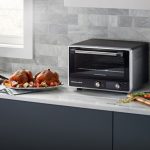
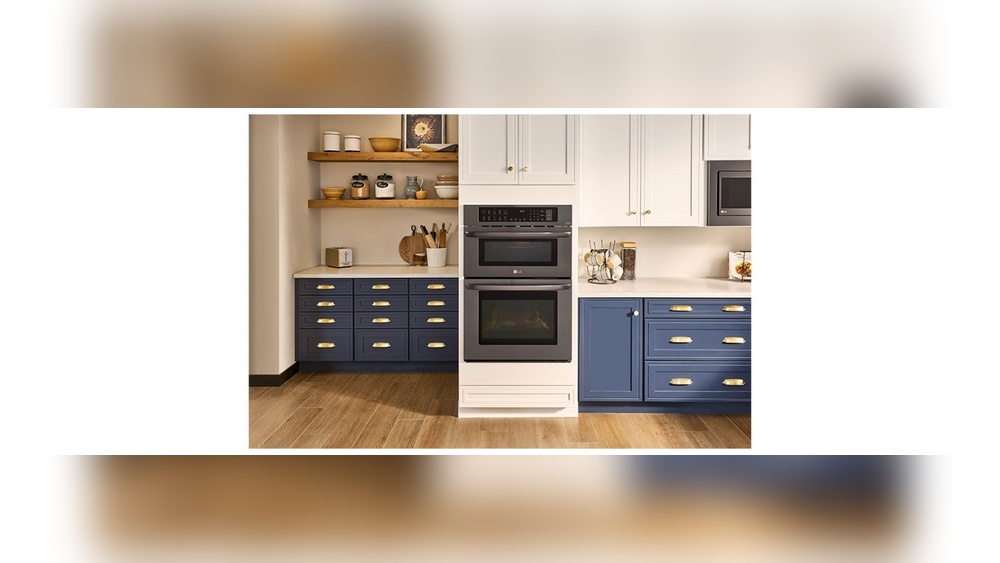
Connected appliances link to the internet or a home network. This connection allows you to control them from anywhere. Smart refrigerators can track food items and suggest recipes. Ovens preheat remotely, ready for cooking when you arrive. Dishwashers can notify you when their cycle finishes. These appliances communicate to make your kitchen more efficient.
Voice Control Features
Voice control lets you manage kitchen devices without using your hands. Smart assistants like Alexa or Google Assistant answer your commands. You can set timers, adjust oven temperatures, or control lights by speaking. This feature is useful when your hands are busy or dirty. Voice control adds convenience and speeds up kitchen tasks.
Automation And Integration
Automation connects different kitchen devices to work as one system. Lights can turn on automatically when you enter the room. Your coffee maker can start brewing as soon as your morning alarm sounds. Integration means appliances share information and respond to each other. This smart system reduces manual steps and creates a smoother cooking process.
Benefits Of Smart Kitchens
Smart kitchens bring many benefits to everyday life. They make cooking easier, faster, and safer. These kitchens use technology to save time and energy. They also help reduce food waste, which is good for the environment. Smart kitchens change how people manage their cooking and food storage.
Time And Energy Savings
Smart kitchens cut down cooking and cleaning time. Appliances like ovens and dishwashers work more efficiently. They use less energy by running only when needed. Remote control lets users start or stop devices from anywhere. This convenience saves time and lowers electricity bills.
Enhanced Safety Measures
Smart kitchens improve safety with automatic features. Sensors can detect smoke or gas leaks and alert users. Appliances can turn off automatically if left on too long. Cameras and alarms add extra security. These measures reduce accidents and protect homes.
Food Waste Reduction
Smart refrigerators track food items and their expiration dates. They send reminders to use food before it spoils. Some devices suggest recipes based on available ingredients. This helps people buy only what they need. Less food waste means saving money and helping the planet.
Popular Smart Devices
Smart kitchens in 2019 brought many new devices that made cooking easier and more fun. These devices connect to the internet and to each other. They help save time, reduce waste, and improve safety. Many smart devices became popular for their unique features and ease of use.
Smart Refrigerators
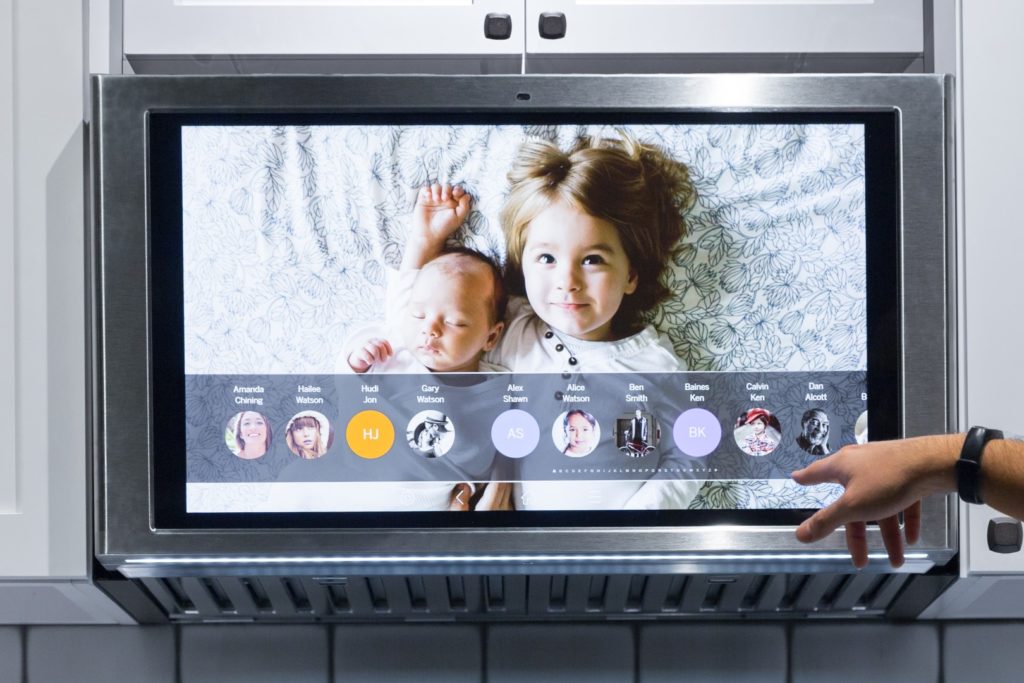
Smart refrigerators do more than keep food cold. They track what is inside and tell you when items run low. Some models show inside contents on a screen without opening the door. They can suggest recipes based on available ingredients. These refrigerators help reduce food waste and save money.
Remote-controlled Ovens
Remote-controlled ovens let users start cooking from anywhere using a smartphone. You can preheat the oven before getting home. Some ovens send alerts when cooking is done or if the temperature changes. These ovens offer precise control for better cooking results and convenience.
Smart Lighting Systems
Smart lighting systems adjust brightness and color automatically. They can turn on when you enter the kitchen and off when you leave. Lights can be controlled by voice or phone apps. These systems improve energy efficiency and create a pleasant cooking environment.
Remote Access And Control
Remote access and control have transformed kitchens into smarter, more convenient spaces. This technology lets users manage kitchen appliances from anywhere. It offers flexibility and saves time for busy households.
Smart kitchens in 2019 integrate devices that connect to the internet. Users can monitor and operate appliances without being physically present. This feature improves safety and efficiency in daily cooking and kitchen tasks.
Smartphone App Management
Smartphone apps allow easy control of kitchen appliances. Users can start, stop, or adjust settings remotely. For example, preheating the oven on the way home saves time. Apps also send alerts if something needs attention, like a fridge door left open. This control provides peace of mind and better kitchen management.
Voice Assistant Compatibility
Voice assistants like Alexa and Google Assistant work with smart kitchens. They enable hands-free control of devices. Users can ask to set timers, turn lights on, or check appliance status. Voice commands make cooking simpler, especially when hands are busy or dirty. This feature adds convenience and enhances the kitchen experience.
Real-time Monitoring
Real-time monitoring keeps track of appliance performance and kitchen conditions. Sensors detect temperature changes, humidity, or appliance faults instantly. Users receive instant updates on their phones. This helps prevent accidents, food spoilage, and energy waste. Continuous monitoring ensures the kitchen runs smoothly and safely.
Energy Efficiency Advances
Energy efficiency is a major focus in smart kitchens of 2019. New technologies help reduce electricity use and lower utility bills. These advances also support a greener lifestyle by cutting waste. Smart kitchens now use intelligent systems to manage power better and encourage sustainable habits.
Off-peak Operation
Many smart appliances can run during off-peak hours. This means they operate when electricity demand and costs are lower. For example, a dishwasher may start late at night instead of during the day. This shift helps balance the power grid and saves money.
Off-peak operation also reduces strain on energy sources. It allows users to take advantage of cheaper, cleaner energy. Scheduling appliances in this way makes homes more energy-friendly and cost-effective.
Energy Usage Analytics
Smart kitchens provide detailed energy reports. These analytics show how much power each device uses. Users can identify which appliances consume the most energy. This insight helps make informed decisions about appliance use and upgrades.
Energy usage data also supports better habits. For instance, it can suggest turning off devices when not needed. Tracking energy use encourages more mindful consumption and reduces waste.
Sustainable Cooking Practices
Smart kitchen tools promote eco-friendly cooking methods. Precise temperature controls avoid overheating and energy loss. Timers and sensors prevent overcooking and wasted electricity.
Some appliances suggest recipes based on available ingredients. This reduces food waste and unnecessary cooking steps. Sustainable cooking saves energy and supports a healthy lifestyle.

Credit: blog.cranksoftware.com
Challenges With Smart Kitchens
Smart kitchens bring many benefits but also face real challenges. These issues affect user experience and adoption. Understanding these challenges helps users prepare and make better choices. Below are the main challenges smart kitchens faced in 2019.
Data Privacy Concerns
Smart kitchen devices collect personal data like usage patterns and habits. This data can be vulnerable to hacking or misuse. Many users worry about who accesses their information. Manufacturers must improve security to protect user privacy. Without trust, people hesitate to use smart kitchen technology fully.
Repair And Maintenance Complexity
Smart appliances have complex systems and software inside. Repairing these devices is harder than fixing traditional ones. Not all technicians have the skills to handle smart kitchen repairs. This leads to longer downtime and higher costs. Users may face frustration when a smart device stops working.
Connectivity Dependence
Smart kitchens rely heavily on stable internet connections. If the Wi-Fi goes down, many devices lose functionality. This dependence can cause inconvenience during network outages. Some kitchen tasks may become impossible without connectivity. Reliable internet is essential for smooth smart kitchen operation.
Technology Obsolescence
Smart kitchen technology evolves quickly, making devices outdated fast. New features and updates may not support older models. Users might need to replace appliances sooner than expected. This rapid obsolescence adds to long-term costs. It also creates waste and environmental concerns.
Choosing The Right Appliances
Choosing the right appliances is key to building a smart kitchen that fits your daily needs. The goal is to pick tools that make cooking easier and save time. Focus on features that help in real life, not just flashy options.
Prioritizing Useful Features
Select appliances with features that truly help in your kitchen tasks. Look for smart refrigerators that track groceries or ovens with remote preheat. Features like maintenance alerts or auto-sensing cooking cycles add real convenience. These help avoid mistakes and save energy.
Avoiding Unnecessary Extras
Skip gadgets with too many bells and whistles you won’t use. Complex extras can confuse and break easily. Simple, reliable technology often works best. Choose devices with intuitive controls and clear benefits. This reduces frustration and repair costs.
Investment Value Over Time
Think about how long the appliance will last and stay useful. Energy-efficient models cut bills and help the environment. Look for brands that offer updates and good customer support. A smart appliance should save money and effort over years, not just days.

Credit: www.maximizemarketresearch.com
Future Trends In Smart Cooking
The future of smart cooking is bright and full of innovation. Kitchens will become smarter, making cooking easier and more efficient. New technologies will help users save time and energy while improving the cooking experience. Trends in smart kitchens focus on better technology integration and energy use.
Ai And Machine Learning Integration
Artificial intelligence will learn your cooking habits. Smart devices will suggest recipes based on your preferences. Machines will adjust cooking times and temperatures automatically. This reduces mistakes and improves food quality. AI will also help reduce food waste by suggesting meal plans using available ingredients.
Enhanced Interdevice Communication
Smart kitchen devices will communicate with each other better. Your oven, fridge, and dishwasher will work in sync. This will streamline cooking and cleaning processes. For example, the oven can start preheating when the fridge detects you have fresh ingredients. Improved communication helps save time and energy.
Growing Energy-saving Technologies
Energy efficiency will be a priority in smart kitchens. New appliances will use less electricity and water. Sensors will monitor energy use and adjust settings automatically. This saves money and helps the environment. Smart kitchens will support sustainable living by reducing waste and energy consumption.
Frequently Asked Questions
What Are The Disadvantages Of A Smart Kitchen?
Smart kitchens may face data privacy risks, require complex repairs, depend on stable internet, and become outdated quickly.
Are Smart Kitchen Appliances Worth It?
Smart kitchen appliances boost convenience, save time, and improve energy efficiency. They offer remote control, automation, and safety features. Investing wisely in useful functions ensures value. They enhance cooking precision and reduce waste, making them worth it for many users.
What Are Smart Kitchens?
Smart kitchens use connected devices and appliances to automate tasks, enhance efficiency, and improve safety. They offer remote control, voice commands, energy savings, and smart monitoring to simplify cooking and reduce waste.
What Is The Latest Technology In Ovens?
The latest oven technology includes smart ovens with Wi-Fi, voice control, precise temperature sensors, and remote preheating features.
Conclusion
Smart kitchens in 2019 bring many helpful features. They save time and make cooking easier. Smart devices connect and work together smoothly. You can control appliances from anywhere using your phone. Energy-saving functions help reduce utility bills. Safety improves with automatic alerts and shut-offs.
While some may face tech challenges, benefits often outweigh them. Smart kitchens offer convenience for everyday life. They keep evolving with new, user-friendly tools. Consider your needs to enjoy a smarter kitchen experience.