Imagine stepping into your kitchen and having everything you need right at your fingertips—appliances that know what you’re running low on, lights that adjust to your mood, and gadgets that save you time and energy. This is the power of smart kitchen designs.
If you want your kitchen to work smarter, not harder, you’re in the right place. You’ll discover how simple upgrades and clever technology can transform your kitchen into a space that’s efficient, modern, and tailored just for you. Ready to unlock the secrets behind smart kitchens and create a space that truly makes your life easier?
Keep reading to find out how.
Smart Kitchen Essentials
Smart kitchen essentials bring convenience and style to your home. They combine technology and design to make cooking easier. These essentials include intelligent appliances, smart storage, and connected devices. They help save time and reduce energy use. Smart kitchens create a modern cooking space that adapts to your needs.
Integrating smart technology into your kitchen boosts functionality. It allows better control over appliances and lighting. Smart kitchens improve safety and help organize your cooking process efficiently. These essentials transform everyday tasks into smooth, enjoyable experiences.
Key Features Of Smart Designs
Smart kitchen designs focus on automation and connectivity. Voice control and touchscreens simplify appliance use. Sensors monitor temperature and humidity to keep food fresh. Lighting adjusts automatically based on natural light. Storage solutions use space efficiently with smart organizers. Designs prioritize easy cleaning and user-friendly layouts.
Popular Smart Appliances
Smart refrigerators track food and suggest recipes. Ovens and microwaves can be controlled remotely via apps. Dishwashers offer energy-saving modes and quiet operation. Coffee makers start brewing at scheduled times. Smart faucets adjust water flow and temperature automatically. These appliances save effort and enhance cooking precision.
Energy Efficiency And Automation
Smart kitchens use sensors to reduce energy waste. Lights turn off when rooms are empty. Appliances run during off-peak energy hours to save costs. Automated systems regulate heating and cooling. Energy-efficient devices lower utility bills and carbon footprint. Automation helps maintain a sustainable and cost-effective kitchen environment.

Credit: frikly.com
Innovative Kitchen Layouts
Innovative kitchen layouts bring fresh ideas to how kitchens look and work. They focus on smart use of space and easy movement. These designs help make cooking and cleaning faster and more pleasant. They also fit well with modern appliances and smart technology.
Different layouts suit different homes and needs. Choosing the right one can improve daily kitchen use. The key is to balance style, comfort, and function in the kitchen space.
Maximizing Small Spaces
Small kitchens need clever solutions to feel open and useful. Using vertical storage helps keep counters clear. Folding tables and pull-out shelves create extra room when needed. Light colors make the space look bigger. Smart appliances that fit well save space and add function.
Open Vs Closed Kitchen Plans
Open kitchens connect to living areas, making homes feel larger. They allow easy socializing while cooking. Closed kitchens separate cooking from other spaces. This keeps smells and noise away. Both plans have benefits depending on lifestyle and home design.
Ergonomic Considerations
Ergonomics means designing kitchens for comfort and safety. Counters and shelves should be at a good height. Walkways need enough space to move easily. Placing the sink, stove, and fridge close saves steps. Good lighting reduces eye strain and accidents.
Modern Materials And Finishes
Modern materials and finishes bring style and function to smart kitchens. These elements create sleek, durable spaces that fit today’s technology. They also make kitchens easier to clean and maintain. Choosing the right materials can improve a kitchen’s look and smart features.
Smart kitchens need surfaces and finishes that handle daily use and tech integration. Materials like quartz, laminate, and stainless steel work well. They resist stains and scratches while matching modern design trends. Let’s explore affordable cabinet updates, countertop options, and flooring choices.
Affordable Cabinet Updates
Cabinets shape the kitchen’s style and storage. Updating cabinet doors with modern finishes can transform the space without a full remodel. Options like thermofoil or laminate offer smooth, easy-to-clean surfaces. These materials come in many colors and patterns, fitting any smart kitchen theme.
Adding soft-close hinges and pull-out shelves increases cabinet functionality. These small changes improve convenience and match the smart kitchen’s efficient design. Painting cabinets with durable, washable paint also refreshes the look on a budget.
Countertop Options For Smart Kitchens
Countertops in smart kitchens must be strong and low maintenance. Quartz is a popular choice due to its durability and variety of colors. It resists stains, heat, and scratches, ideal for busy kitchens.
Laminate countertops offer an affordable alternative with many designs. They are easy to clean and install. Concrete and solid surface countertops also suit smart kitchens well. These materials support built-in smart appliances and accessories.
Flooring And Fixtures
Flooring should be durable and easy to maintain in smart kitchens. Vinyl and tile floors resist water and wear. They come in many styles, including wood and stone looks.
Fixtures like faucets and handles must blend style and function. Matte black or brushed nickel finishes are modern and hide fingerprints. Touchless faucets add convenience and reduce germs, fitting the smart kitchen’s tech focus.
Tech Integration Strategies
Tech integration strategies form the core of smart kitchen designs. They make kitchens more efficient and easier to use. Smart technology helps save time and energy. It also improves safety and convenience in daily cooking tasks.
These strategies involve combining lighting, devices, and appliances into one connected system. This system responds quickly to your needs. It adapts to your lifestyle and kitchen habits. Let’s explore some key tech integration methods.
Smart Lighting Solutions
Smart lighting adjusts brightness and color automatically. It creates the perfect mood for cooking or dining. Sensors detect movement and turn lights on or off to save energy. Voice commands can change lighting settings without lifting a finger.
LED lights with smart controls last longer and use less power. Lighting zones allow different areas to have unique settings. This helps highlight workspaces or create ambiance easily.
Voice-controlled Devices
Voice-controlled devices simplify kitchen tasks. You can set timers, play music, or get recipes hands-free. These devices connect with other smart tools in the kitchen for smoother operation.
They reduce the need to touch screens with messy hands. Voice assistants help manage shopping lists and control lighting or appliances. This keeps your kitchen workflow uninterrupted and clean.
Connected Appliances And Inventory Management
Connected appliances link to your phone or voice assistant. They offer remote control and monitoring of cooking progress. Smart refrigerators track food inventory and expiration dates.
This system sends alerts to avoid food waste. It suggests shopping lists based on what you have or need. Ovens, dishwashers, and coffee makers work more efficiently with smart scheduling and control.
Budget-friendly Smart Kitchen Tips
Creating a smart kitchen does not have to drain your wallet. Simple, budget-friendly tips make smart kitchens accessible. Smart features improve convenience and save energy without huge costs.
Small upgrades and smart choices help you enjoy modern technology. Focus on practical solutions that fit your budget and lifestyle. Here are key ideas for affordable smart kitchen design.
Cost-effective Upgrades
Replace old bulbs with smart LED lights that adjust brightness. Use smart plugs to control appliances remotely and save energy. Add a smart speaker for hands-free control of timers and recipes. Install a water leak sensor to prevent costly damage early. These upgrades cost little but add real value and convenience.
Avoiding Expensive Structural Changes
Keep your existing layout to avoid costly remodeling. Use wireless devices to skip new wiring and drilling. Choose countertop appliances over built-in ones to save installation fees. Focus on adding smart gadgets instead of changing cabinet space. This approach keeps your budget low and installation simple.
Choosing Standard Over Custom Features
Standard smart appliances are more affordable and easier to replace. Avoid custom cabinetry with built-in tech; it raises costs quickly. Select popular brands with ready-made smart options. These products often come with good warranties and support. Standard features balance functionality and price well.

Credit: m.youtube.com
Challenges In Smart Kitchens
Smart kitchens bring many benefits but also face several challenges. These issues affect user experience and long-term satisfaction. Understanding these challenges helps plan better smart kitchen designs. Below are some common problems encountered in smart kitchens.
Data Privacy Concerns
Smart kitchens collect data from connected devices. This includes usage patterns and personal preferences. Poor data security can lead to privacy breaches. Hackers may access sensitive information through weak protections. Users must be aware of data sharing policies. Choosing devices with strong encryption reduces risks.
Repair And Maintenance Issues
Smart kitchen appliances are more complex than traditional ones. Repairs often require specialized technicians and parts. Finding expert help can be difficult and costly. Regular maintenance is necessary to keep devices running smoothly. Neglecting upkeep may lead to frequent breakdowns and frustration.
Technology Obsolescence
Technology in smart kitchens evolves quickly. New features and updates appear every year. Older devices may not support the latest software. This can limit functionality and compatibility. Consumers might need to replace appliances sooner than expected. Planning for upgrades helps extend the kitchen’s lifespan.
Style And Organization
Style and organization define the heart of every smart kitchen. A well-designed kitchen blends beauty with practical use. This balance creates a space that is both inviting and efficient. Smart kitchens focus on clean lines, clever storage, and functional decor. These elements work together to make cooking and cleaning easier. The right design improves movement, reduces clutter, and saves time.
Modern Masterpiece Design Ideas
Modern smart kitchens use minimalism and technology. Sleek surfaces and hidden appliances create a smooth look. Matte finishes and neutral tones add calmness to the room. LED lighting under cabinets boosts visibility and style. Smart countertops with built-in charging stations make work easier. Open shelving shows off elegant dishware while keeping things accessible. Clean designs reduce distractions and help focus on cooking.
Pantry And Drawer Solutions
Smart kitchens use clever pantry and drawer systems to keep order. Pull-out shelves allow easy access to every item. Adjustable dividers separate utensils and gadgets for neatness. Transparent containers make it simple to find ingredients fast. Soft-close drawers reduce noise and prevent damage. Labeling systems improve organization and reduce waste. These solutions save space and speed up meal preparation.
Decorative Touches For Smart Kitchens
Decorative elements add personality without clutter. Plants bring freshness and improve air quality. Stylish backsplashes create visual interest behind counters. Simple artwork or framed prints enhance the mood. Minimalist clocks and smart speakers blend functionality with design. Using natural materials like wood or stone adds warmth. Thoughtful decor completes a smart kitchen’s inviting atmosphere.
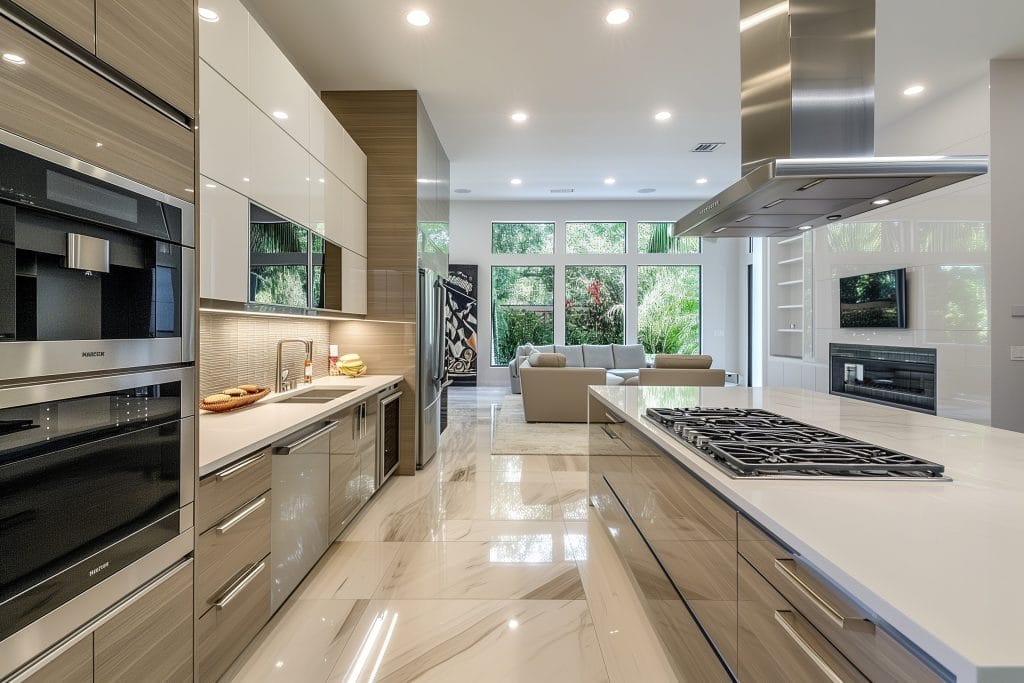
Credit: www.decorilla.com
Future Trends In Smart Kitchens
The future of smart kitchens promises exciting changes that will make cooking easier and more efficient. Technology will play a bigger role in everyday kitchen tasks. This shift will bring new features to help save time, reduce waste, and enhance comfort.
Smart kitchens will become more connected and intelligent. They will adapt to personal habits and preferences. This will create a seamless cooking and dining experience.
Ai And Machine Learning Applications
Artificial intelligence will learn your cooking styles and preferences. It can suggest recipes based on available ingredients. Smart appliances will adjust cooking times and temperatures automatically. AI will help reduce food waste by tracking expiration dates. Machine learning will improve kitchen safety by detecting hazards early. This technology will make kitchens smarter and more responsive to your needs.
Sustainable And Eco-friendly Innovations
Future smart kitchens will focus on saving energy and water. Appliances will use less power without losing performance. Recycling and composting systems will be integrated to reduce waste. Sensors will monitor energy use and suggest ways to save more. Sustainable materials will be used in kitchen designs for a greener home. These innovations will help protect the environment while keeping kitchens modern.
Integration With Smart Home Ecosystems
Smart kitchens will connect smoothly with other smart home devices. Voice assistants will control kitchen appliances with simple commands. Lighting, heating, and security systems will work together for better comfort. You can start preheating the oven from your smartphone. Kitchen devices will share data to improve efficiency and convenience. This integration will create a fully connected home environment.
Frequently Asked Questions
What Is Smart Kitchen Design?
Smart kitchen design integrates technology and smart appliances to enhance efficiency, reduce waste, and optimize energy use in cooking spaces.
What Are The Disadvantages Of A Smart Kitchen?
Smart kitchens face data privacy risks, require complex repairs, depend heavily on internet connectivity, and can become outdated quickly.
Is $10,000 Enough For A Kitchen Remodel?
Yes, $10,000 can cover a basic kitchen remodel. Focus on cabinet painting, affordable countertops, updated fixtures, and selective appliance upgrades.
What Is The 3×4 Kitchen Rule?
The 3×4 kitchen rule suggests designing kitchens with a minimum 3 feet by 4 feet work triangle. This optimizes movement between the sink, stove, and refrigerator for efficiency and convenience.
Conclusion
Smart kitchen designs bring ease and style to daily cooking. They save time with smart appliances and clever layouts. Energy use drops, helping the environment and your bills. These kitchens also keep food fresh longer, reducing waste. Choosing simple, reliable technology works best for most homes.
A well-planned smart kitchen makes cooking more fun and less stressful. Embrace smart ideas to create a space that fits your life. Small changes can lead to big improvements in your kitchen. Enjoy a modern kitchen that works hard and looks great.