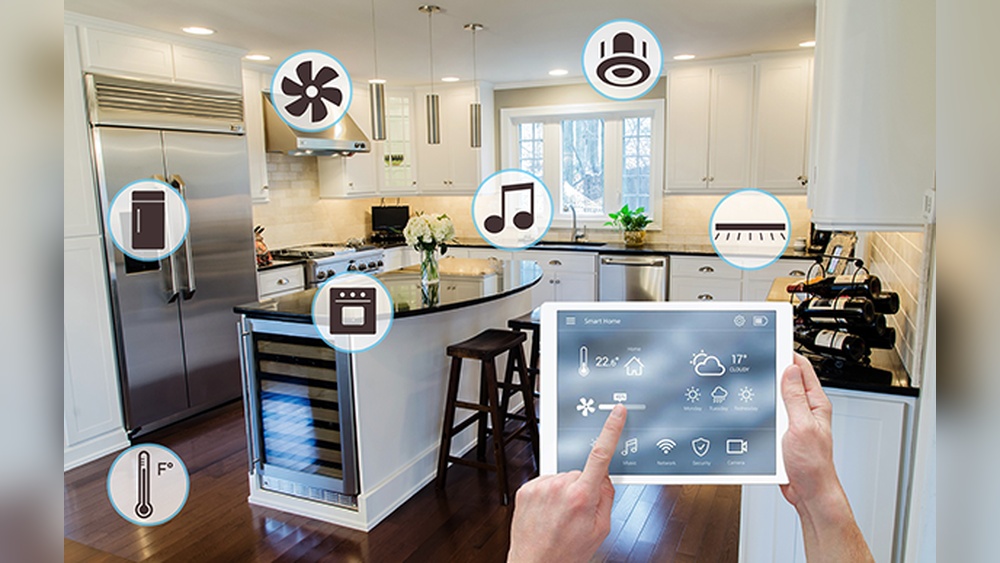

Imagine stepping into your kitchen and having everything work seamlessly for you—appliances that anticipate your needs, lights that adjust with your mood, and gadgets that make cooking faster and more enjoyable. That’s the magic of a smart home kitchen.
If you’ve ever wished your kitchen could be more than just a place to prepare meals, this is your chance to discover how technology can transform your space. You’ll learn how smart kitchens save you time, cut energy costs, and add convenience to your daily routine.
Ready to make your kitchen smarter and your life easier? Keep reading to find out how to bring the future right into your home.
Smart Appliances
Smart appliances bring new ease and efficiency to kitchen tasks. They connect to the internet and your devices. This connection allows remote control and real-time updates. Smart appliances help save energy and reduce waste. They simplify cooking, cleaning, and food storage.
Connected Refrigerators
Connected refrigerators keep track of your groceries. They alert you when food is near its expiration date. Some models have touchscreens to display recipes and calendars. They can sync with your smartphone for remote monitoring. This helps you plan meals and shop smarter.
Voice-controlled Ovens
Voice-controlled ovens respond to simple commands. You can set temperature and timer by speaking. Some ovens offer guided cooking with step-by-step instructions. This hands-free operation is helpful when your hands are busy. It makes baking and roasting easier and safer.
Smart Dishwashers
Smart dishwashers adjust water and energy use based on the load. They send alerts when cycles finish or if maintenance is needed. Many models allow you to start or stop remotely. This flexibility saves time and keeps your kitchen running smoothly.
Automated Coffee Makers
Automated coffee makers brew coffee on a schedule or by app control. Customize strength, temperature, and cup size easily. Some machines learn your preferences over time. Fresh coffee is ready when you want it, without any hassle.
Energy Efficiency
Energy efficiency plays a key role in smart home kitchens. It helps reduce utility bills and supports a greener lifestyle. Smart kitchens use technology to control and lower energy use.
With smart systems, kitchens can optimize power and water consumption. This creates a more sustainable home environment. Smart appliances and fixtures work together to save energy without sacrificing convenience.
Reducing Power Consumption
Smart kitchens include appliances that use less electricity. These devices adjust their power based on usage. For example, smart refrigerators run compressors only when needed. This cuts down wasted energy and lowers bills.
Smart plugs and power strips turn off devices automatically. They prevent standby power waste from electronics. Sensors detect room activity and shut off unused appliances. This keeps power use minimal throughout the day.
Smart Lighting Solutions
Smart lighting uses LED bulbs that consume less power. Lights can be controlled remotely via apps or voice commands. Sensors adjust brightness based on natural light and presence.
These systems avoid lighting empty rooms. Dimmers and timers help reduce electricity use further. Smart lighting creates a comfortable kitchen atmosphere while saving energy.
Water-saving Fixtures
Water-saving fixtures reduce water waste and energy used to heat water. Smart faucets offer touchless control to prevent leaks and drips. They also regulate water flow for efficiency.
Smart dishwashers use sensors to adjust water and energy levels. They clean dishes effectively with less water. These fixtures lower water bills and reduce environmental impact.
Kitchen Layouts
Kitchen layouts shape the heart of smart home kitchens. Thoughtful design improves convenience and efficiency. The right layout supports daily tasks and technology use. It helps create a space where cooking feels natural and enjoyable. Smart kitchens blend style with function through smart layouts.
Optimizing Workflow
Smart kitchen layouts focus on smooth workflows. Appliances, counters, and storage stay close to each other. This reduces unnecessary steps during cooking. The classic work triangle links the sink, stove, and fridge. Smart kitchens add zones for prep, cooking, and cleaning. Clear paths prevent crowding and improve safety. Efficient layouts save time and reduce effort.
Integrating Tech Seamlessly
Technology fits naturally into smart kitchen layouts. Built-in charging stations keep devices ready. Smart appliances align with counters and cabinets. Touchscreens and controls stay within easy reach. Wiring hides behind walls and inside cabinets. This keeps the kitchen tidy and modern-looking. The layout supports smart lighting and voice control. It balances tech with open, comfortable space.
Space-saving Designs
Space-saving layouts make small kitchens work better. Pull-out shelves and corner units maximize storage. Compact appliances fit in tight spots without crowding. Foldable or extendable counters add flexibility. Vertical storage uses wall space efficiently. Smart kitchens use multi-functional furniture and hidden compartments. These designs keep kitchens uncluttered and user-friendly.
Smart Storage
Smart storage transforms kitchens into organized, efficient spaces. It helps reduce clutter and saves time by keeping everything in its place. Modern technology in storage solutions makes kitchen tasks simpler and faster.
Smart storage uses sensors and apps to track items and manage space. It ensures you always know what you have and what you need. This system improves kitchen workflow and reduces food waste.
Inventory Management Systems
Inventory management systems use smart sensors to track food and supplies. They update your inventory in real time. You receive alerts when items run low or expire. This system prevents overbuying and food spoilage. Managing groceries becomes easier with automated lists and reminders.
Automated Pantry Solutions
Automated pantries use smart shelves and containers. These track the quantity and type of stored items. You can check pantry contents remotely through a smartphone app. The system suggests meal plans based on available ingredients. It saves time and reduces unnecessary trips to the store.
Smart Cabinets And Drawers
Smart cabinets and drawers open with voice commands or sensors. They have built-in lighting for better visibility. Some models include adjustable shelves controlled via an app. These features provide easy access and improve kitchen safety. They keep your kitchen neat and well-organized.
User-friendly Interfaces
User-friendly interfaces transform smart home kitchens into easy, enjoyable spaces. They simplify control over appliances and settings. Users can interact naturally with technology without frustration.
Simple design and clear displays help everyone, including those less familiar with tech. The focus stays on cooking and family time, not on managing gadgets. These interfaces bring convenience and efficiency together.
Touchscreens And Panels
Touchscreens offer clear, bright displays for kitchen control. They show recipes, timers, and appliance status at a glance. Large icons and simple menus make navigation quick and easy.
Built-in panels on refrigerators, ovens, or dishwashers allow direct control. Users can adjust temperature, set timers, or check inventory with a few taps. These screens reduce the need for physical buttons and knobs.
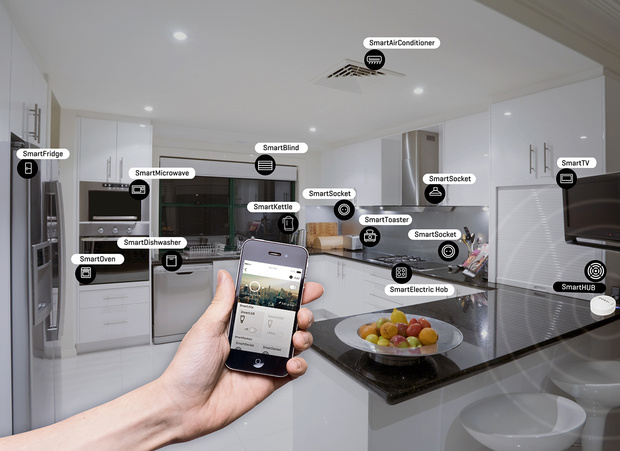
Mobile App Controls
Mobile apps give control from anywhere in the home or outside. Turn on the oven or check the fridge while grocery shopping. Apps send alerts, like when food is ready or supplies run low.
These apps sync with appliances to offer remote management. They also provide usage tips and maintenance reminders. Mobile control keeps the kitchen running smoothly and saves time.
Voice Assistants In Kitchens
Voice assistants respond to simple spoken commands in the kitchen. Ask to set a timer, play music, or add items to a shopping list. Hands stay free for cooking tasks.
They integrate with smart devices for seamless control. Voice commands offer quick access to information like recipes or conversions. This natural interaction suits busy kitchen environments well.
Credit: thecabinetdoctors.com
Budget-friendly Upgrades
Smart home kitchens do not have to break the bank. Budget-friendly upgrades can refresh your space and add modern touches. Small changes improve both function and style without high costs. Focus on smart yet affordable updates that bring technology and design together.
Refacing Cabinets
Refacing cabinets is a cost-effective way to update your kitchen. Instead of replacing, apply new doors and veneers. This method saves money and time. Choose finishes that match smart kitchen themes like sleek white or wood grain. Fresh cabinet faces create a modern look instantly.
Affordable Countertops
Countertops shape your kitchen’s appearance and feel. Budget-friendly options include laminate or solid surface materials. These surfaces mimic expensive stones but cost less. They are durable and easy to clean. Installing affordable countertops supports a smart kitchen style without overspending.
Replacing Fixtures
Fixtures like faucets, lighting, and cabinet handles update a kitchen quickly. Pick modern designs with smart features such as touchless faucets or LED lights. Replacing old fixtures improves efficiency and style. It is a simple upgrade that fits tight budgets and boosts kitchen appeal.
Diy Smart Tech Installations
Smart technology can be added without hiring professionals. Devices like smart plugs, bulbs, and sensors are easy to install yourself. These add convenience and control to your kitchen. DIY smart tech upgrades save money and introduce smart home benefits step-by-step.
Avoiding Costly Mistakes
Planning a smart home kitchen requires careful decisions to avoid costly mistakes. Mistakes can raise expenses and delay your project. Prioritize smart choices to save money and time. Focus on what truly improves your kitchen’s function and style.
Skipping Structural Changes
Ignoring structural upgrades may seem cheaper at first. Walls, windows, or doorways might limit your kitchen layout. Without changes, space may feel cramped or awkward. Plan minor structural updates early. This avoids costly fixes later.
Keeping Plumbing And Electrical
Moving plumbing and electrical lines can be expensive. Keeping these systems in place lowers costs. Design your smart kitchen around existing pipes and outlets. This keeps installation simpler and budget-friendly. Smart appliances often need special outlets; plan for these without rewiring entire rooms.
Choosing Standard Cabinets
Custom cabinets look great but cost much more. Standard cabinets offer good quality at lower prices. They come in many styles and finishes. Mixing smart storage solutions with standard cabinets balances style and cost. This approach saves money without sacrificing function.
Prioritizing Essential Features
Focus on must-have smart kitchen features first. Smart refrigerators, lighting, and faucets improve daily use. Avoid buying all gadgets at once. Add extras gradually to spread out costs. Prioritizing essentials ensures your kitchen stays practical and budget-friendly.

Credit: www.illusiveautomation.com
Future Trends
The kitchen of tomorrow blends technology with smart design. Future trends focus on making cooking easier, faster, and more enjoyable. Smart home kitchens will use advanced tools and materials to create a seamless experience.
These innovations will also promote sustainability and better connectivity. The goal is a kitchen that adapts to your needs and helps reduce waste. Below are some key trends shaping the future of smart kitchens.
Ai-powered Cooking Assistants
AI-powered assistants will guide users through recipes step-by-step. They can adjust cooking times based on real-time data. Voice control will allow hands-free operation of appliances. These assistants learn your preferences to suggest meals you will like. They make cooking less stressful and more precise.
Robotic Kitchen Helpers
Robots will take over repetitive kitchen tasks like chopping and stirring. Some models can even prepare full meals from scratch. Robotic helpers save time and reduce physical effort. They are designed to work safely around humans. This technology brings convenience to busy households.
Sustainable Materials
Future kitchens will use eco-friendly materials that last longer and recycle easily. Surfaces made from recycled glass or bamboo will become common. Appliances will focus on energy efficiency to cut utility bills. Sustainable design reduces the kitchen’s environmental impact. It supports a healthier home and planet.
Enhanced Connectivity
Smart kitchens will connect all devices through a single system. Your refrigerator, oven, and dishwasher will communicate seamlessly. This connectivity allows remote monitoring and control via smartphones. It helps track groceries and manage cooking schedules. Enhanced connectivity creates a smooth and integrated kitchen experience.
Credit: www.safewise.com
Frequently Asked Questions
What Is A Smart Home Kitchen?
A smart home kitchen uses connected appliances and devices to simplify cooking, enhance efficiency, and save energy. It integrates technology for convenience.
Is $10,000 Enough For A Kitchen Remodel?
Yes, $10,000 can cover a basic kitchen remodel by updating cabinets, countertops, fixtures, and paint without structural changes. Prioritize cosmetic upgrades and DIY tasks to maximize your budget efficiently.
What Is The 3×4 Kitchen Rule?
The 3×4 kitchen rule suggests a kitchen layout with three work zones—cooking, cleaning, and storage—arranged in a 4-foot by 3-foot triangle for efficiency. This design minimizes movement, improves workflow, and enhances convenience during meal preparation.
What Are The Disadvantages Of A Smart Kitchen?
Smart kitchens can be expensive to install and maintain. They may face compatibility issues and rely heavily on internet connectivity. Privacy concerns arise from data collection. Technology glitches can disrupt cooking. Some users find smart appliances complicated to operate.
Conclusion
Smart home kitchens bring ease and efficiency to daily cooking tasks. They help save time and reduce energy use. Smart appliances and gadgets simplify meal preparation and cleanup. Even small changes make a big difference in kitchen comfort. Embrace smart technology to enjoy a modern, practical kitchen space.
The future of cooking is smarter and more convenient. Start small and upgrade step by step for best results. Your kitchen can become a helpful, connected part of your home.

