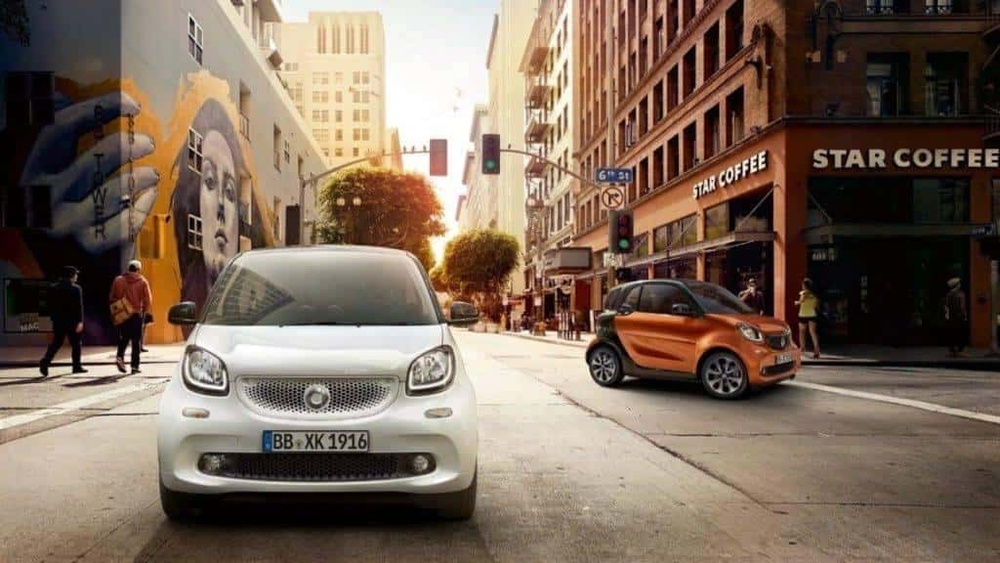

Are you considering a Smart car in Kitchener but wondering if it’s the right fit for your lifestyle? Smart cars have made a name for themselves as compact, city-friendly vehicles perfect for tight parking spots and busy streets.
But before you make your decision, it’s important to know what to expect—from their unique advantages to some common drawbacks. You’ll discover why Smart cars became popular in urban areas like Kitchener, what challenges they face, and how they compare to other vehicles you might be considering.
Keep reading to find out if a Smart car is truly the smart choice for your daily drive.
Smart Car Availability In Canada
Smart car availability in Canada has changed significantly in recent years. These small vehicles once appealed to city drivers seeking easy parking and fuel savings. The market now reflects shifts in consumer preferences and manufacturer decisions.
Smart cars face challenges in Canada due to limited dealer presence and production changes. The brand’s focus has shifted toward electric models, but supply remains low. Despite this, smart cars still offer benefits for urban residents who want compact, efficient transportation.
Current Market Status
Smart cars are less common in Canada than before. The brand stopped selling gasoline models a few years ago. Only electric versions remain, and these have limited availability. Many dealerships no longer stock smart cars, making them harder to find. Buyers often must order directly or seek used models.
Urban Suitability
Smart cars suit Canadian cities well. Their small size helps with tight parking and narrow streets. They use less fuel, saving money on daily drives. Ideal for commuters, smart cars reduce traffic congestion and pollution. Their compact design fits well in crowded urban areas.
Electric Model Options
Smart’s electric models are the main option in Canada today. These cars offer zero emissions and lower running costs. Range is limited but enough for city driving. Charging infrastructure is growing, making electric smart cars more practical. These models appeal to buyers focused on green transportation.
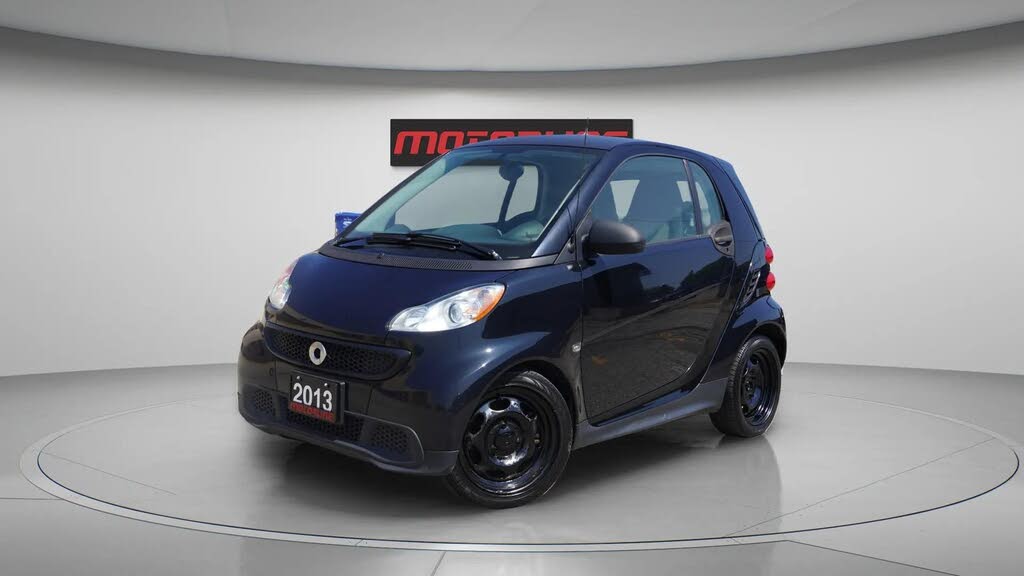
Credit: www.cargurus.ca
Reasons For Discontinuation
The discontinuation of Smart cars in Kitchener and across North America stemmed from several key issues. These problems affected the brand’s ability to compete and stay profitable in a changing market. Understanding these reasons helps explain why Smart cars are no longer common on local roads.
Declining Micro-car Market
The market for micro-cars has been shrinking steadily. Urban drivers once favored small cars for easy parking and fuel savings. Sales dropped as other vehicle types grew more popular. This decline reduced demand for Smart cars significantly.
Consumer Preferences Shift
Consumers started choosing larger vehicles like SUVs and trucks. These vehicles offer more space and comfort. Many buyers felt micro-cars were too small for family needs or long trips. The shift in taste hurt Smart car sales.
High Compliance Costs
Smart cars faced expensive safety and emissions rules. Meeting these standards for a small number of cars raised costs. These high compliance expenses made selling Smart cars less profitable. It became difficult to justify continuing production.
Limited Dealer Network
Smart cars had fewer dealerships compared to other brands. This limited availability made it harder for buyers to find and service these vehicles. Dealers dropped the brand after sales slowed, worsening the problem. The small dealer network reduced consumer access and interest.
Smart Car Safety Concerns
Smart cars have grown popular in cities like Kitchener due to their compact design and ease of parking. Yet, their small size raises important safety concerns. Understanding these risks helps drivers make safer choices on the road.
Size And Collision Risks
Smart cars are much smaller than most vehicles on the road. This size difference can increase the danger in crashes. Larger cars and trucks may cause more damage to Smart car occupants. The small frame offers less protection during high-impact collisions.
Crash tests show Smart cars perform well in low-speed impacts. But they may not hold up as well against bigger vehicles. Drivers should stay alert and avoid risky situations where collisions might occur.
Passenger And Cargo Limitations
Smart cars typically seat two people only. This limits family or group travel options. The small interior also restricts cargo space. Carrying large items or many bags can be difficult.
Drivers must plan trips with these limits in mind. Overloading the vehicle can affect handling and safety. Knowing these restrictions helps avoid unsafe conditions.
Visibility On Roads
Smart cars sit lower than many other vehicles on the road. This position can make them harder to see, especially by truck or SUV drivers. Blind spots increase the risk of accidents at intersections or lane changes.
Using headlights and signals clearly helps improve visibility. Smart car drivers should stay aware of their surroundings at all times. Defensive driving reduces the chance of being overlooked.

Credit: www.ebay.com
Performance And Handling Issues
Smart cars in Kitchener offer compact design and easy city driving. Yet, some drivers face performance and handling challenges. These issues affect daily use and overall satisfaction. Understanding these concerns helps buyers make informed choices.
Acceleration And Speed Limits
Smart cars often have modest acceleration. They are designed for city speeds, not highways. Reaching high speeds takes longer than larger cars. This affects merging and passing on busy roads. Drivers should expect slower responses in some situations.
Ride Comfort
The small size impacts ride comfort. The suspension can feel stiff on rough roads. Passengers may notice bumps and vibrations more. Long drives might feel less smooth compared to bigger vehicles. Comfort is best in slow, smooth traffic conditions.
Transmission Characteristics
Smart cars use automated manual transmissions. Shifts may feel abrupt or delayed sometimes. This can cause a jerky ride, especially in stop-and-go traffic. Drivers new to this system may need time to adjust. The transmission suits city driving but may limit highway ease.
Maintenance Challenges
Smart cars in Kitchener offer unique benefits but also come with specific maintenance challenges. These small vehicles need special care to keep running smoothly. Understanding the common issues helps owners avoid unexpected problems and expenses.
Smart cars require attention different from regular cars. Their compact design and advanced systems demand expert service. Knowing the maintenance needs can save time and money in the long run.
Specialized Repair Needs
Smart cars need mechanics trained in their unique design. Many garages lack the tools or knowledge for smart car repairs. Finding a qualified technician in Kitchener can be difficult. Repairs often take longer due to the car’s compact parts. Routine checks should be done at specialized service centers to ensure quality care.
Common Mechanical Problems
Smart cars often face issues with their transmissions and electrical systems. Battery problems are frequent, especially in electric models. Suspension parts may wear faster due to the car’s light weight. Cooling system failures can cause engine overheating. Timely maintenance prevents these common problems from worsening.
Cost Of Upkeep
Maintaining a smart car can be more expensive than expected. Parts are often imported and cost more than standard car parts. Labor charges add up because repairs take longer. Insurance rates might be higher due to limited repair options. Budgeting for regular maintenance helps avoid surprise costs.
Pros And Cons Of Used Smart Cars
Used Smart cars offer a unique blend of benefits and drawbacks. They attract many buyers, especially in cities like Kitchener. Understanding their pros and cons helps in making a smart choice. This section highlights key points about used Smart cars.
Affordability And Economy
Used Smart cars usually cost less than new ones. This makes them budget-friendly for many buyers. Their small size means they use less fuel, saving money daily. Maintenance costs can be lower due to simpler parts. Insurance rates tend to be cheaper compared to larger cars. Overall, they provide good value for city drivers.
Potential Mechanical Risks
Older Smart cars may face mechanical issues. Parts can wear out faster because of the car’s compact design. Finding specialized repair services might be harder in some areas. Battery life in electric models may decline over time. Buyers should check service history carefully. A thorough inspection helps avoid costly repairs later.
Suitability For Urban Driving
Smart cars excel in tight city spaces. Their small size makes parking easy and stress-free. They maneuver well through heavy traffic and narrow roads. However, they may feel less stable at high speeds. Limited cargo space can be a challenge for some users. They work best for short trips and daily urban commutes.
Buying Tips For Smart Cars In Kitchener
Buying a Smart car in Kitchener requires careful thought. These small vehicles suit city driving well. Choosing the right one saves money and stress. This guide helps spot good deals and avoid problems.
Where To Find Smart Cars
Start by checking local dealerships in Kitchener. Some dealers specialize in small or used cars. Online marketplaces often list Smart cars for sale nearby. Certified pre-owned programs offer quality checks. Attend local car shows or meet-ups to see options.
Important Features To Check
Look for the car’s condition, especially the engine and brakes. Check the battery health if it’s an electric model. Inspect tires for wear and alignment. Test all lights and signals for proper function. Confirm the air conditioning and heater work well. Review the vehicle history report for accidents or repairs.
Negotiation Strategies
Start with a fair offer based on market prices. Point out any repairs or upgrades needed. Ask for a lower price if the car has high mileage. Be ready to walk away if the deal feels unfair. Use cash payment as leverage for discounts. Stay polite but firm during talks.
Maintenance Tips For Smart Car Owners
Proper maintenance keeps your Smart Car running smoothly and safely. Regular care prevents costly repairs and boosts performance. Follow these maintenance tips to enjoy your Smart Car longer.
Routine Checks
Check tire pressure every two weeks. Correct pressure improves fuel efficiency and safety. Inspect oil levels monthly to protect your engine. Replace air filters regularly for better air flow. Test brake pads often to ensure quick stopping. Keep lights and signals working for safe driving.
Finding Reliable Mechanics
Choose mechanics experienced with Smart Cars. Ask for recommendations from local Smart Car owners. Verify certification and reviews before choosing a shop. Trust shops that use original parts. Clear communication about repairs builds trust. Regular visits to a trusted mechanic save money.
Extending Vehicle Lifespan
Drive gently to reduce wear and tear. Avoid sudden stops and fast acceleration. Keep your car clean to prevent rust and damage. Follow the manufacturer’s service schedule strictly. Store your car in a garage to protect it. Regular maintenance helps your Smart Car last longer.
Credit: www.volvocarswaterloo.com
Frequently Asked Questions
Are Smart Cars Available In Canada?
Smart cars are no longer sold new in Canada, as Mercedes-Benz discontinued them due to low demand and high costs. Some used models remain available through private sellers and dealerships.
Why Were Smart Cars Discontinued?
Smart cars were discontinued due to low demand, high production costs, limited dealer support, and American preference for larger SUVs.
What Is A Disadvantage Of A Smart Car?
A disadvantage of a Smart car is its small size, which limits safety, passenger space, and cargo capacity. It also has slow acceleration and a rough ride.
Can You Still Get A Smart Car In The Us?
Smart cars are no longer sold new in the US. Mercedes-Benz discontinued them due to low demand and high costs.
Conclusion
Smart cars in Kitchener offer easy parking and good fuel savings. Their small size suits crowded city streets well. Despite some limits in space and power, they remain a practical choice. Many drivers enjoy their simple design and low running costs.
For city life, smart cars provide a neat, efficient option. Consider your needs carefully before choosing one. Smart cars bring convenience and economy to urban driving.