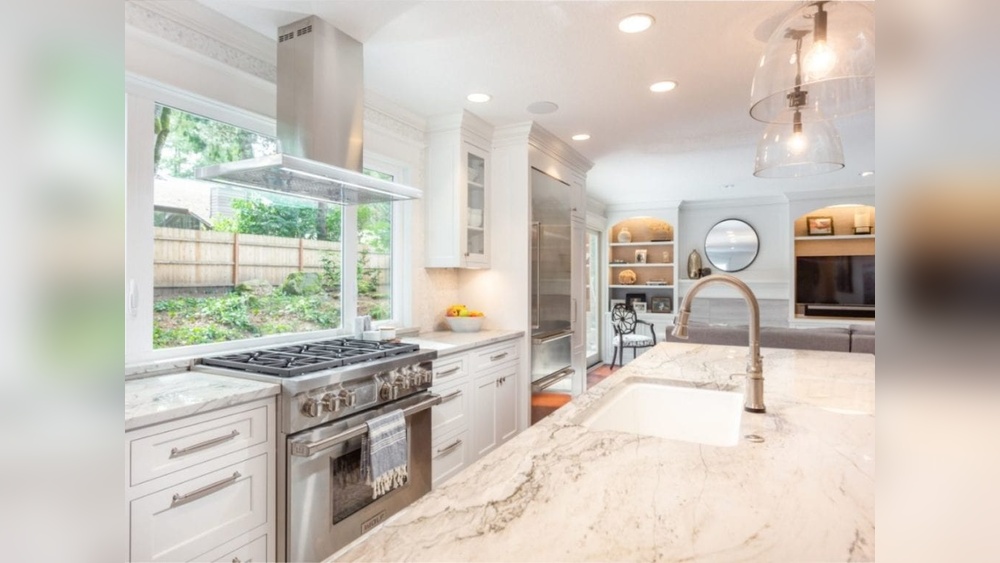

When you think about upgrading your kitchen, the idea of a luxury kitchen probably excites you. But how much should you really expect to spend?
Understanding the cost of luxury kitchens can help you plan your dream space without surprises. You want a kitchen that’s not just beautiful but also functional and lasting. This guide breaks down what influences luxury kitchen costs and how you can get the best value for your investment.
Ready to discover what it takes to create your perfect luxury kitchen? Let’s dive in.
Cost Breakdown
Understanding the cost breakdown of a luxury kitchen helps in planning your budget clearly. Each part of the kitchen adds to the total expense. Knowing where the money goes makes it easier to manage costs. Let’s explore the main components that affect the price.
Cabinet Prices
Cabinets often take up the largest part of the budget. Custom cabinets cost more than ready-made ones. Materials like solid wood or exotic finishes increase the price. The design and hardware also affect the final cost. Expect to spend thousands on quality cabinetry.
Countertop Expenses
Countertops add style and function to your kitchen. Materials like granite, quartz, and marble are popular but pricey. Installation costs vary depending on the material and kitchen size. Choosing durable and beautiful surfaces means investing more upfront.
Appliance Costs
High-end appliances bring convenience and luxury. Brands known for quality and innovation charge premium prices. Refrigerators, ovens, and dishwashers can each cost several thousand dollars. Energy-efficient models may save money over time.
Lighting And Fixtures
Lighting sets the mood and improves kitchen usability. Luxury kitchens use layered lighting: task, ambient, and accent lights. Fixtures made of brass, crystal, or designer glass raise the cost. Proper lighting installation adds to the overall expense.
Flooring Options
Flooring completes the look of your kitchen. Materials like hardwood, stone, or porcelain tiles are common choices. Luxury floors require expert installation and maintenance. These materials cost more but last longer and look elegant.
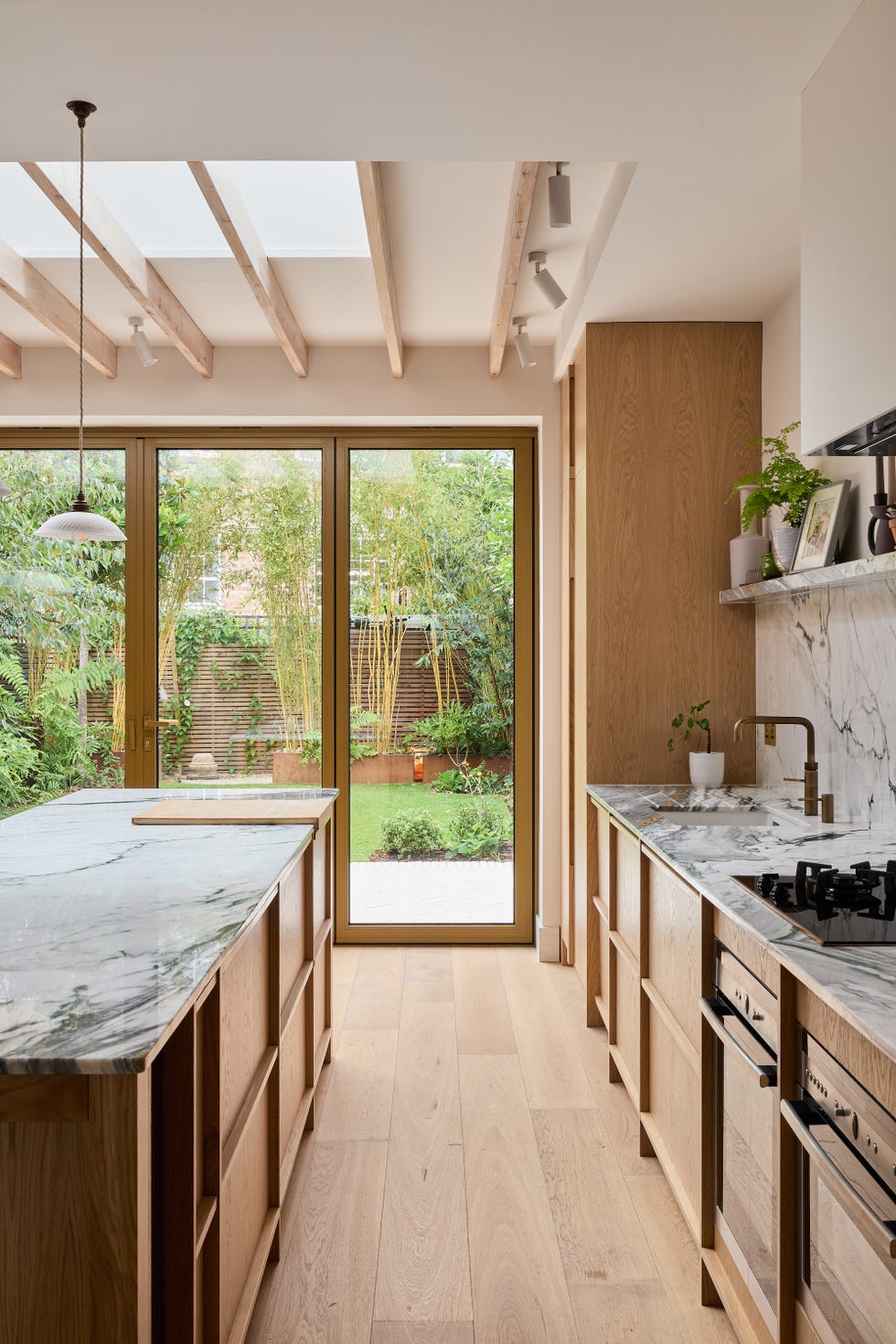
Credit: www.housebeautiful.com
Budget Ranges
Luxury kitchens come in various budget ranges. Understanding these helps plan your dream kitchen better. Costs depend on materials, appliances, and design choices. Below are common budget categories for luxury kitchens.
Entry-level Luxury
Entry-level luxury kitchens usually cost between $20,000 and $50,000. They feature good quality materials and stylish designs. Cabinets might be semi-custom with durable finishes. Appliances are high quality but not top-tier brands. These kitchens balance luxury and affordability well.
Mid-tier Luxury
Mid-tier luxury kitchens range from $50,000 to $100,000. They include custom cabinetry and premium materials like granite or quartz countertops. Appliances come from well-known luxury brands. More attention goes to lighting and layout. This range offers a polished, high-end look.
High-end Luxury
High-end luxury kitchens cost $100,000 or more. They feature custom cabinets made from exotic woods or specialty finishes. Countertops use rare stones or custom materials. Appliances are professional grade and often built-in. Design details and smart technology are common in this range.
Factors Influencing Cost
The cost of a luxury kitchen depends on many factors. These factors shape the final price and the overall quality of the kitchen. Knowing what affects the cost helps in planning your budget smartly.
Each element plays a key role in the expense. From size to location, every detail matters. Understanding these helps you make better choices for your dream kitchen.
Kitchen Size
The bigger the kitchen, the higher the cost. Larger kitchens need more materials and labor. More cabinets, countertops, and flooring add up quickly. Even appliances and lighting increase with size.
Material Choices
Luxury kitchens use high-end materials. Marble, granite, and quartz are popular for countertops. Custom cabinetry often uses solid wood or exotic finishes. Premium materials cost more but last longer and look better.
Design Complexity
Complex designs require skilled craftsmanship. Unique layouts, custom islands, and built-in appliances increase labor costs. Intricate details and special features add to the price. Simple designs are cheaper but less unique.
Labor And Installation
Expert labor costs more than standard work. Skilled installers ensure quality and precision. Installation time varies by kitchen size and design. Mistakes during installation lead to extra costs and delays.
Location Variations
Costs differ by city and region. Urban areas usually have higher prices for materials and labor. Local building codes and permits can add expenses. Transporting materials to remote areas also raises costs.
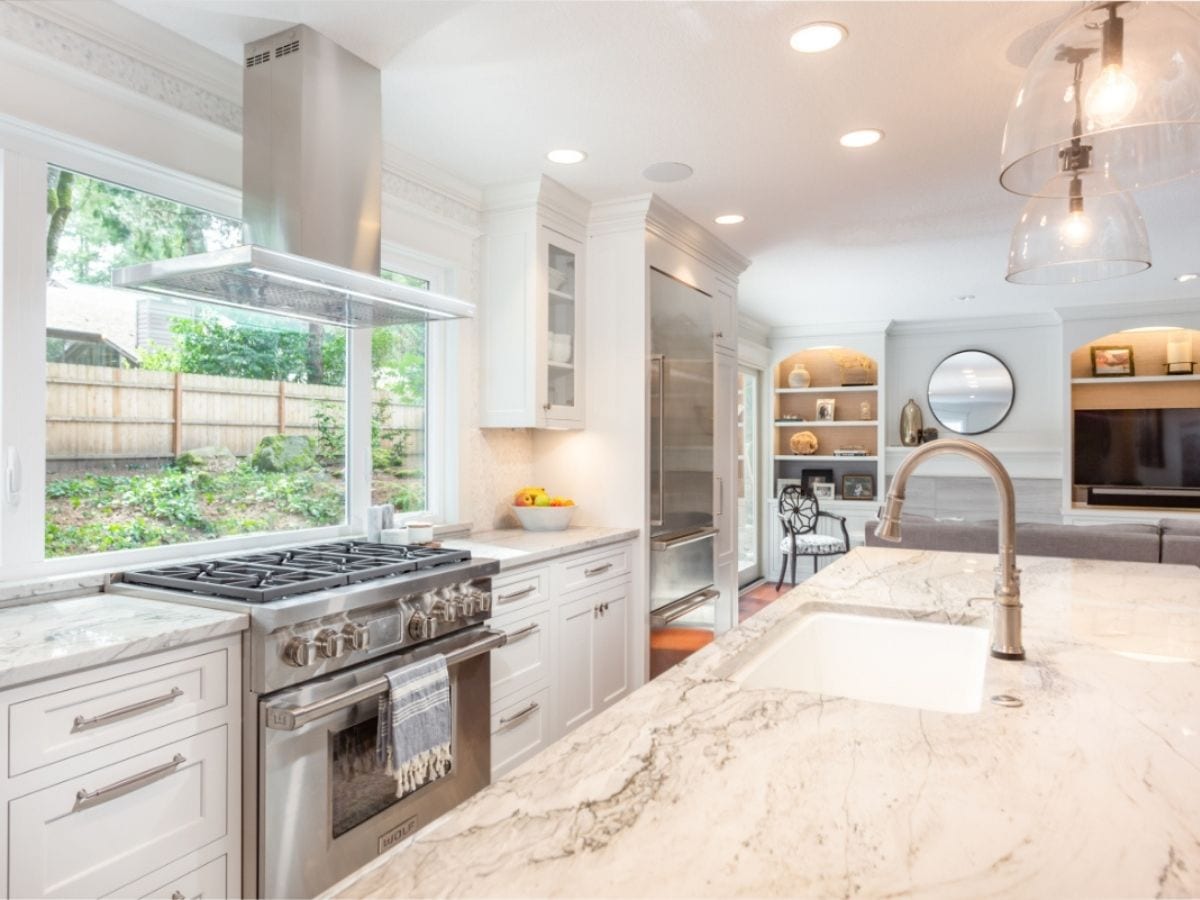
Credit: www.metkeremodeling.com
Value Considerations
Luxury kitchens represent a significant investment. Understanding the value they add helps in making smart choices. The cost of a luxury kitchen is not just about upfront spending. It also includes long-term benefits and savings. Below are key value considerations to keep in mind.
Resale Impact
Luxury kitchens often increase a home’s resale value. Buyers see high-end kitchens as a strong selling point. Quality materials and stylish designs attract more offers. This can lead to faster sales and better prices. Investing in a luxury kitchen may pay off during resale.
Energy Efficiency
Modern luxury kitchens include energy-saving appliances. These reduce utility bills over time. Efficient lighting and smart systems also cut energy use. Choosing energy-efficient options lowers environmental impact. This adds value beyond just appearance and comfort.
Durability And Maintenance
Luxury kitchens use durable materials like granite and hardwood. These last longer and resist wear and tear. Maintenance is easier with high-quality finishes. This reduces repair costs and keeps the kitchen looking new. Durability adds to the kitchen’s overall value.
Customization Benefits
Custom kitchens fit your lifestyle and needs perfectly. Personalized storage, layouts, and features improve usability. This enhances daily cooking and social experiences. Customization can also reflect personal style and taste. These benefits create lasting satisfaction and value.
Cost-saving Tips
Luxury kitchens bring elegance and advanced features but can stretch budgets. Saving costs does not mean sacrificing style or quality. Thoughtful planning and smart choices reduce expenses effectively. Below are key tips to save on your luxury kitchen project.
Smart Material Selection
Choose materials that look expensive but cost less. Quartz countertops offer beauty and durability without the high price of marble. Laminate cabinets mimic wood grain and save money. Consider porcelain tiles for floors; they are affordable and stylish. Select finishes that require low maintenance to cut future costs. Small changes in material choice can lower your budget greatly.
Choosing Appliances Wisely
Invest in energy-efficient appliances to save on utility bills. Pick brands known for reliability to avoid repair costs. Focus on essential features instead of luxury add-ons. Compare prices across stores and online for the best deals. Sometimes slightly older models provide the same benefits at lower prices. Balance quality and cost to get long-term value.
Hiring Skilled Professionals
Hire experienced contractors with good reviews to ensure quality work. Skilled workers reduce mistakes that increase expenses later. Get multiple quotes and check references before deciding. Clear communication about your budget helps avoid unexpected costs. Skilled professionals finish projects faster and more efficiently, saving time and money.
Phased Renovations
Break the kitchen project into smaller phases over time. Focus on high-impact areas first, like cabinets or countertops. This spreads out costs and reduces financial strain. Phasing allows you to adjust plans based on your budget and needs. It also lets you enjoy parts of the new kitchen sooner. Plan phases carefully to keep the overall style consistent.
Trends In Luxury Kitchens
Luxury kitchens reflect style, comfort, and advanced features. Trends shape their design and cost. Homeowners desire spaces that blend function with beauty. These trends influence choices in technology, materials, and layout. Understanding current trends helps plan a luxury kitchen budget wisely.
Smart Technology
Smart technology changes how kitchens operate. Voice-activated assistants control lights and appliances. Refrigerators with touchscreens track groceries and suggest recipes. Automated faucets and smart ovens save time and energy. These upgrades increase convenience and efficiency in luxury kitchens.
Sustainable Materials
Sustainability is key in modern luxury kitchens. Recycled wood and bamboo offer eco-friendly options. Low-VOC paints improve indoor air quality. Energy-efficient appliances reduce electricity use. Choosing sustainable materials supports the environment and adds value to the home.
Open Layouts
Open layouts create spacious, airy kitchens. They connect cooking areas with dining and living rooms. Islands with seating encourage social gatherings. This design enhances natural light and movement. Open layouts are popular for both aesthetics and practicality.
Unique Finishes
Unique finishes add character to luxury kitchens. Matte black fixtures contrast with polished countertops. Custom cabinetry features bold colors or textures. Handcrafted tiles create eye-catching backsplashes. These details personalize the space and make it stand out.
Luxury Kitchen Styles
Luxury kitchens offer a unique blend of style, comfort, and function. They reflect personal taste and elevate home value. Choosing a style helps set the tone for the entire space. Each style has distinct features and cost implications. Understanding popular luxury kitchen styles guides your budget and design decisions.
Modern Designs
Modern kitchens focus on clean lines and sleek surfaces. They often feature glossy cabinets and stainless steel appliances. Lighting plays a key role in creating a bright, open feel. Materials like glass and metal add a futuristic touch. These kitchens usually require a higher budget due to custom finishes.
Classic Elegance
Classic kitchens bring timeless beauty with detailed woodwork and rich colors. Crown moldings and traditional hardware add sophistication. Marble countertops and ornate fixtures enhance the luxury feel. This style demands skilled craftsmanship, increasing overall costs. It suits homeowners who appreciate a warm, inviting atmosphere.
Rustic Charm
Rustic kitchens emphasize natural materials and cozy vibes. Exposed wood beams and stone accents create a countryside look. Open shelving and farmhouse sinks add to the charm. This style balances luxury with comfort and practicality. Costs vary based on the choice of natural stone and wood types.
Minimalist Approaches
Minimalist kitchens use simplicity to make a bold statement. Neutral colors and clutter-free spaces define this style. Hidden storage and integrated appliances maintain a clean look. High-quality materials and precise design increase the cost. Ideal for those who value calm and order in their kitchen.

Credit: www.refreshrenovations.com
Frequently Asked Questions
How Much Does A Luxury Kitchen Cost?
A luxury kitchen typically costs between $80,000 and $160,000. Prices vary by size, materials, and customization. High-end appliances and custom cabinetry increase costs. Location and design complexity also affect the final price. Always budget for quality finishes to ensure lasting value.
How Much Do High End Kitchen Cabinets Cost?
High-end kitchen cabinets typically cost between $500 and $1,200 per linear foot. Custom designs increase prices significantly.
Is $30,000 Enough For A Kitchen Remodel?
Yes, $30,000 can cover a mid-range kitchen remodel with quality materials and some custom features. Luxury remodels usually cost more.
How Much Is A Fancy Kitchen?
A fancy kitchen typically costs between $80,000 and $160,000. Prices vary by materials, design, and location.
Conclusion
Luxury kitchens bring style and function to any home. Costs vary based on materials, size, and design choices. Planning a budget helps avoid surprises during renovation. Quality craftsmanship and durable materials add to the price but improve longevity. Remember, investing in a luxury kitchen can increase your home’s value.
Choose elements that fit your lifestyle and preferences. Careful decisions ensure a beautiful kitchen that lasts for years.