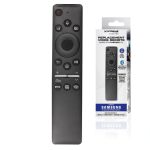

Are you ready to simplify your life with just your voice? Imagine controlling your home, getting instant answers, and managing your daily tasks without lifting a finger.
Choosing the best voice control device can transform the way you interact with technology, making everything faster and more intuitive. But with so many options out there, how do you find the one that truly fits your needs? You’ll discover the top voice control devices that stand out for their ease of use, reliability, and smart features—helping you make the perfect choice for your lifestyle.
Keep reading, and get ready to unlock the power of voice like never before.
Top Voice Assistants
Voice assistants have become essential in daily life. They help with tasks, control smart devices, and provide information quickly. Choosing the right voice assistant depends on your needs and devices. Below, we explore the top voice assistants available today.
Alexa Features
Alexa is Amazon’s popular voice assistant. It works well with smart home devices. Alexa can play music, set reminders, and answer questions. It supports many third-party skills to expand its abilities. Alexa also works through Echo speakers and other compatible devices.
Google Assistant Strengths
Google Assistant offers fast and accurate responses. It integrates deeply with Google services like Maps and Calendar. It understands natural language well, making conversations easy. Google Assistant works on Android phones, smart displays, and more. It also supports many smart home devices.
Siri For Apple Users
Siri is built into Apple devices like iPhones and Macs. It connects smoothly with Apple apps and services. Siri can send messages, make calls, and control smart home gadgets via HomeKit. It offers a simple, user-friendly voice experience for Apple users.
Bixby And Samsung
Bixby is Samsung’s voice assistant designed for Galaxy devices. It helps with device control, app navigation, and smart home tasks. Bixby supports voice commands for texting, calling, and searching. It also integrates with Samsung’s ecosystem for a seamless experience.
Business Assistants
Business voice assistants focus on productivity and meetings. Tools like Otter AI transcribe conversations in real time. They help with note-taking and task management. These assistants improve communication and save time in professional settings.

Credit: www.amazon.com
Amazon Echo Devices
Amazon Echo devices bring voice control to your home with ease. They use Alexa, Amazon’s smart voice assistant, to perform tasks. From playing music to managing smart home gadgets, Echo devices handle it all. Different Echo models serve different needs and budgets. This variety makes choosing the right device simple and personalized.
Echo Vs Alexa
Alexa is the voice assistant that listens and responds. Echo is the speaker device that hosts Alexa. You need an Echo device to use Alexa at home. Alexa processes your commands in the cloud. Echo devices have microphones and speakers to interact with Alexa.
Standard Echo Benefits
The standard Echo offers balanced sound for music and voice. It has a sleek design that fits any room. This device supports all Alexa functions and smart home controls. It provides a good mix of features without a high price. The standard Echo suits most users well.
Echo Dot For Budget
Echo Dot is the smallest and most affordable Echo device. It delivers clear voice control in a compact size. Ideal for bedrooms or small spaces, it costs less than other models. Echo Dot still supports all Alexa commands. A great choice for those new to smart speakers.
Echo Studio Sound Quality
Echo Studio offers premium sound for music lovers. It features powerful speakers and deep bass. This device creates an immersive audio experience. Perfect for large rooms or serious listening. Echo Studio supports 3D audio and high-fidelity music formats.
Echo Pop Compact Option
Echo Pop is a small and colorful Echo device. It fits in tight spaces and adds style to your home. Despite its size, it offers good sound quality. Echo Pop is easy to move around and control. A smart choice for those who want compact design.
Echo Show With Screen
Echo Show adds a touch screen to the Echo experience. It shows videos, recipes, and video calls. The screen improves interaction with Alexa’s features. Ideal for kitchens or living rooms. Echo Show combines voice and visual control smoothly.
Choosing The Right Device
Choosing the right voice control device shapes your daily interactions with technology. It affects how clearly you hear responses, how much you pay, and how well the device fits into your home. Consider your main needs before making a choice. This helps pick a device that works well and makes life easier.
Sound Quality Needs
Sound quality varies across devices. Some offer rich, clear audio for music and voice. Others focus mainly on voice commands and are less clear. Decide if you want a device mainly for talking or also for enjoying music. Good sound makes interactions more pleasant and helps you hear responses in noisy rooms.
Budget Considerations
Voice control devices come in many price ranges. High-end models have extra features and better sound. Budget options cover basic commands and smart home control. Set a spending limit before you buy. This keeps choices practical and avoids overspending on features you do not need.
Smart Home Compatibility
Check which smart home devices your voice control device supports. Some work well with many brands and products. Others are limited to their own ecosystems. Choose one that fits your current and future smart home setup. This ensures smooth control of lights, thermostats, and more.
Privacy And Security
Voice devices listen for commands, raising privacy concerns. Review how each device handles your data. Look for options to mute microphones or delete voice recordings. Choose devices with strong security measures to protect your personal information from misuse.

Credit: innexia.in
Emerging Trends In 2025
Voice control devices continue to evolve rapidly. In 2025, new trends will shape how we interact with technology. These trends focus on improving privacy, personalization, and the overall user experience. Devices will become smarter, faster, and more connected to our daily lives.
Local Voice Assistants
Local voice assistants will run directly on devices without needing the cloud. This means faster responses and better privacy. Users will enjoy more control over their data. It also helps in places with poor internet connections. Expect more devices to support local processing in 2025.
Ai Customization
Voice assistants will learn to adapt to individual preferences better. AI will allow users to customize commands and responses easily. This makes interactions feel more natural and personal. Custom AI settings will improve accessibility for people with different needs. The technology will tailor itself to fit each user’s lifestyle.
Multitasking Capabilities
Devices will handle multiple tasks at once without confusion. You can ask for weather updates while controlling smart lights and playing music. This multitasking will make devices more efficient and useful. Voice assistants will manage several commands in one conversation smoothly. It reduces the need to repeat or simplify requests.
Integration With Smart Living
Voice control devices will connect more deeply with smart home systems. They will manage everything from lighting to security with simple commands. Integration with appliances, thermostats, and entertainment systems will expand. This creates a seamless smart living experience. Devices will work together to make homes more comfortable and secure.
User Experience Tips
Enhancing your experience with the best voice control device depends on how well you use it. Simple steps can make a big difference in ease and efficiency. Clear commands, proper setup, and knowing what to do if problems arise improve daily interactions.
Taking time to understand features helps you get the most from your device. This section shares practical tips to make voice control smooth and enjoyable for everyone.
Optimizing Voice Commands
Speak clearly and at a natural pace. Use short, direct phrases to get faster responses. Avoid background noise to help the device hear you better. Learn the specific commands your device understands. Try to use consistent phrases for common tasks.
Setting Up Devices
Place the device in a central spot for better voice detection. Connect it to a strong Wi-Fi network for quick responses. Follow the setup instructions carefully to link other smart devices. Update the device software regularly to access new features and fixes. Customize settings to fit your daily routine.
Troubleshooting Common Issues
If the device does not respond, check the microphone status first. Restart the device to fix many minor glitches. Ensure your internet connection is stable and fast. Clear voice history occasionally to improve performance. Consult the user guide or support site for specific errors.
Accessibility Features
Many voice devices offer features for users with disabilities. Enable voice feedback for hearing assistance. Adjust speech speed for easier understanding. Use visual or tactile alerts if needed. Explore settings to make the device comfortable for all users. These options create a more inclusive experience.

Credit: www.techhive.com
Frequently Asked Questions
What Is The Best Voice Control?
The best voice control depends on your needs. Google Assistant excels in free, versatile use. Alexa suits smart homes. Siri works best with Apple devices. Otter AI aids business tasks, while Bixby fits Samsung users. Choose based on device compatibility and features.
Which One Is Better, Echo Or Alexa?
Alexa is the voice assistant software, while Echo is the speaker device using Alexa. Neither is better; they work together. Choose Echo based on your budget and sound needs.
Who’s Better, Alexa Or Siri?
Alexa excels in smart home control and device compatibility. Siri works best within Apple’s ecosystem, offering seamless iPhone and Mac integration. Choose Alexa for broader device support, Siri for Apple user convenience. Both have unique strengths depending on your devices and preferences.
What Is The Best Voice-activated Speaker?
The best voice-activated speaker depends on your needs. Amazon Echo offers great sound and features, while Google Nest excels in smart home integration. Apple HomePod suits Apple users. Choose based on compatibility, sound quality, and budget for optimal performance.
Conclusion
Choosing the best voice control device depends on your needs and budget. Each option offers unique features to simplify daily tasks. Consider sound quality, compatibility, and ease of use before deciding. A good voice assistant can make your home smarter and life easier.
Try one that fits your lifestyle and enjoy hands-free convenience. Voice control technology continues to improve, making it a useful tool for everyone. Start with what feels right and explore its benefits step by step.