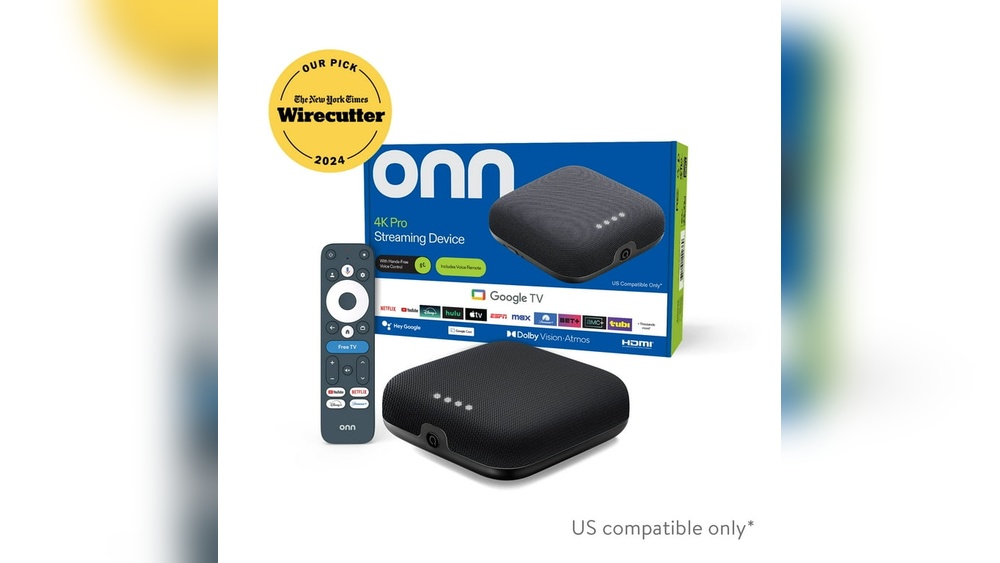

Imagine controlling your devices without lifting a finger. With hands free voice control devices, you can do just that—talk to your phone, smart speaker, or home gadgets and watch them respond instantly.
Whether you want to send a message, play your favorite song, or adjust the lights, your voice becomes the remote control. If you’ve ever wished for easier, faster ways to get things done, these devices are about to change your daily routine.
Keep reading to discover how hands free voice control can simplify your life and which options suit your needs best.

Credit: www.digi.com
Hands-free Voice Control Basics
Hands-free voice control devices offer a new way to interact with technology. They let users operate gadgets using only their voice. This approach improves convenience and accessibility. Understanding the basics helps users get the most from these devices.
What Hands-free Voice Control Means
Hands-free voice control means using voice commands to control devices. No need to touch screens or buttons. Speak simple commands to open apps, send messages, or play music. It allows users to multitask or keep their hands free. This technology suits driving, cooking, or accessibility needs.
Key Features And Capabilities
Voice control devices recognize natural speech and respond quickly. They support commands like calling, texting, and setting reminders. Many connect to smart home gadgets for lights, thermostats, and security. Some learn user habits to offer personalized help. They often include wake words like “Hey Siri” or “Alexa” to activate listening.
Top Voice Assistants Compared
Choosing the right voice assistant can enhance your hands free voice control experience. Each assistant offers unique features and fits different user needs. Comparing the top voice assistants helps you find the best match for your lifestyle and devices.
Google Assistant Strengths And Weaknesses
Google Assistant understands natural speech very well. It answers complex questions quickly and clearly. It works on many devices, from phones to smart displays. Its routines can automate daily tasks easily. Privacy concerns arise since it connects deeply with Google services. Some users worry about data collection. Overall, Google Assistant offers strong performance for general use.
Amazon Alexa For Smart Homes
Amazon Alexa shines in smart home control. It supports a wide range of devices and brands. Alexa lets you customize the wake word for convenience. It provides useful features like whisper mode for quiet replies. Alexa sometimes struggles with follow-up questions. Its biggest strength lies in device compatibility. Alexa suits users who want extensive smart home management.
Apple Siri Integration And Privacy
Siri works best for Apple device users. It integrates smoothly with iPhones, iPads, and HomePods. Siri keeps user privacy a top priority. It processes many commands on the device itself. Siri may not understand complex questions well. It offers good control within the Apple ecosystem. Privacy-conscious users who own Apple products will benefit most.
Other Notable Assistants
Other voice assistants include Microsoft Cortana and Samsung Bixby. Cortana focuses on productivity and Microsoft apps. Bixby works well on Samsung smartphones and appliances. These assistants have smaller user bases but unique features. They may suit users loyal to specific brands. Exploring these options can reveal hidden advantages.
Smart Home Integration
Smart home integration with hands free voice control devices makes daily tasks simpler and faster. These devices connect with your home gadgets to create a smooth, automated experience. You can control lights, thermostats, security cameras, and more just by speaking. This technology brings comfort and convenience right to your fingertips—or rather, your voice.
Connecting Devices Seamlessly
Setting up voice control devices with your smart home gadgets is easy. Most devices support common smart home protocols. They link with Wi-Fi, Bluetooth, or Zigbee to communicate. This allows them to work together without extra steps. Once connected, your voice commands reach all devices instantly. You no longer need multiple apps or remotes.
Customizing Voice Commands
Personalizing voice commands lets you control your home naturally. You can create custom phrases for actions like turning on lights or adjusting temperature. This makes the system more intuitive and user-friendly. Many devices learn your speech patterns over time. They improve recognition and reduce errors. This customization helps everyone in the home use voice control easily.
Popular Smart Home Devices
Many smart home devices pair well with voice control. Smart bulbs, plugs, and switches let you manage lighting and power. Thermostats adapt your home’s temperature with simple commands. Security systems provide peace of mind by arming or disarming through voice. Smart speakers and displays act as the central hub. They respond quickly and handle multiple devices at once.

Credit: www.amazon.com
Voice Control For Accessibility
Voice control technology has made many devices easier to use for people with disabilities or limited mobility. It helps users operate phones, computers, and smart home gadgets without needing to touch screens or buttons. This technology enhances accessibility, making everyday tasks simpler and more manageable.
Hands free voice control devices provide a vital tool for people who face challenges with traditional input methods. Users can speak commands to send messages, make calls, or control their environment. This improves quality of life by offering independence and ease of use.
Assistive Uses For Seniors
Seniors benefit greatly from voice control devices. These tools allow them to manage calls, set reminders, and access information quickly. Older adults with arthritis or limited hand strength find it easier to use voice commands than physical controls.
Voice control also helps seniors stay connected with family and friends. They can ask questions, listen to news, or enjoy music without needing to navigate complex menus. This technology supports their daily routines and reduces frustration.
Enhancing Mobility And Independence
People with mobility impairments gain freedom through voice control devices. They can operate lights, thermostats, and appliances by speaking commands. This reduces the need for assistance and fosters self-reliance.
Voice control supports users in moving around their homes safely. It can trigger emergency calls or control security systems. These features give users confidence and peace of mind.
Business And Productivity Applications
Voice control devices improve productivity for many professionals. Workers can dictate emails, schedule meetings, and set reminders quickly. This hands-free approach saves time and increases efficiency.
In busy work environments, voice commands allow multitasking without distraction. They enable users to stay focused on tasks while managing communication and information flow. Voice control supports better organization and workflow.

Credit: www.walmart.com
Frequently Asked Questions
What Is Handsfree Voice Control?
Handsfree voice control lets you operate devices using spoken commands without touching them. It enables opening apps, sending messages, and navigating screens solely by voice. This technology enhances convenience, safety, and accessibility, making tasks easier and faster through natural speech interaction.
What Is The Best Voice Control Assistant?
The best voice control assistant depends on your needs. Google Assistant excels in natural conversation and accuracy. Alexa leads in smart home compatibility. Siri suits Apple users with strong privacy and device integration. Choose based on your ecosystem and feature preferences.
What Are The Voice Activated Devices For Seniors?
Voice-activated devices for seniors include Amazon Alexa, Google Assistant, and Apple Siri. They offer hands-free control, smart home integration, and easy communication. These assistants improve accessibility, safety, and convenience for elderly users. Devices like Echo, Google Nest, and HomePod are popular choices.
Is Alexa Or Bixby Better?
Alexa excels in smart home control with vast device compatibility. Bixby integrates deeply with Samsung devices. Choose based on your ecosystem and device preferences.
Conclusion
Hands free voice control devices make daily tasks easier and faster. They help you stay productive while keeping your hands free. Voice assistants like Google, Alexa, and Siri offer different benefits. Choose the one that fits your lifestyle and devices.
These tools improve accessibility and add convenience to your routine. Try using voice control to simplify your tech experience today.