
Is your craft space bursting at the seams with supplies, tools, and unfinished projects? You’re not alone.
Small craft spaces can quickly become overwhelming, making it hard to focus and enjoy your creative time. But what if you could transform your cluttered nook into a neat, inspiring haven? Imagine having every brush, bead, and paper perfectly organized and right at your fingertips.
You’ll discover simple, effective ways to maximize every inch of your small craft area. From smart storage hacks to clever furniture ideas, these tips will help you reclaim your space and boost your creativity. Ready to see your craft room in a whole new light? Let’s dive in!
Credit: www.youtube.com
Maximize Vertical Space
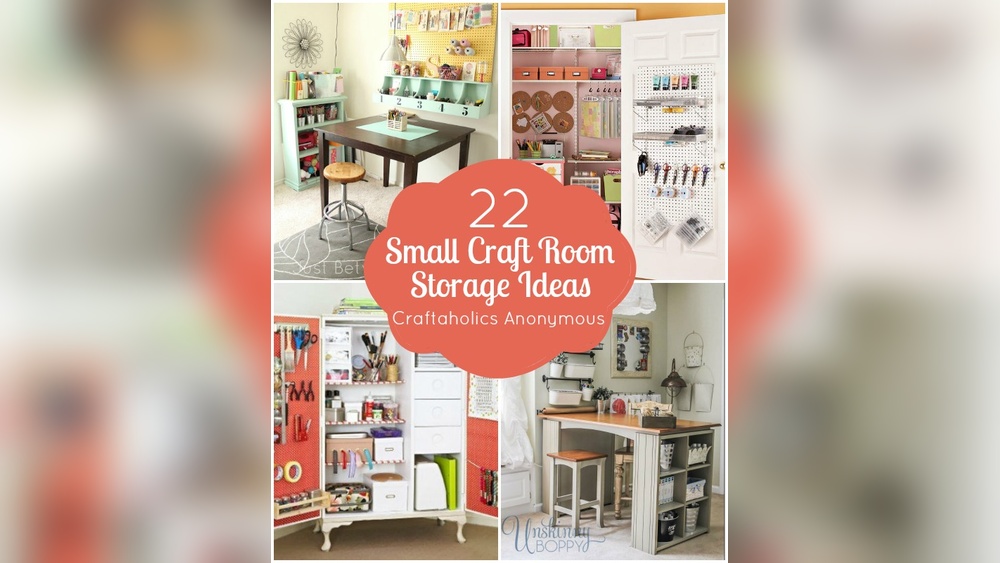
Maximizing vertical space is a smart way to organize small craft areas. It frees up your work surface and floor. You gain more storage without cluttering your room. Using walls and doors efficiently can keep your tools and supplies neat. Vertical storage keeps everything easy to reach and visible.
Pegboards For Tools
Pegboards offer flexible storage for craft tools. Hang scissors, brushes, and rulers on hooks. Customize the layout to fit your needs. Pegboards make it simple to find what you need fast. They also add a clean and tidy look to your space.
Floating Shelves
Floating shelves use wall space without taking floor room. Place jars, baskets, or small containers on them. They keep supplies off your desk and within easy reach. Install them at different heights to hold various items. Floating shelves create extra storage without crowding your craft area.
Vertical Filing Systems
Vertical filing systems organize papers, patterns, and fabric neatly. Store flat items upright to save space and avoid wrinkles. Use labeled folders or magazine holders for easy access. This system keeps your important papers tidy and easy to find. It also helps maintain a clutter-free workspace.
Over-the-door Organizers
Over-the-door organizers make use of unused door space. Hang pockets or racks for small supplies and tools. These organizers keep items off your desk and floor. They work well for storing paints, threads, or glue sticks. Over-the-door solutions keep your craft room organized and efficient.
Credit: realcreativerealorganized.com
Smart Containers For Supplies
Smart containers help keep small craft spaces tidy and efficient. They save space and make supplies easy to find. Choosing the right containers means less mess and more creativity.
Clear Bins And Jars
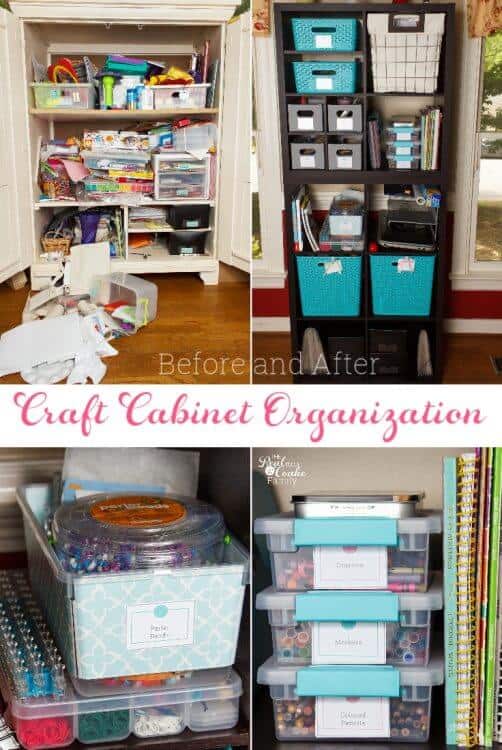
Clear bins and jars show what’s inside without opening them. This saves time and reduces clutter. Use stackable clear bins to maximize vertical space. Jars work well for beads, buttons, and small tools.
Categorize And Label
Sort supplies by type or project. Group similar items together to avoid searching. Label containers clearly with simple words or pictures. Labels help keep the space organized and easy to maintain.
Zip-top Bags For Small Items
Zip-top bags hold tiny craft pieces like sequins or thread. They keep items sealed and prevent spills. Use different sizes for various supplies. Store bags inside bins or drawers for neatness.
Multi-functional Furniture
Multi-functional furniture is essential for small craft spaces. It helps save room and keeps everything tidy. These pieces serve more than one purpose. They make your craft area more efficient and enjoyable.
Rolling Carts
Rolling carts are great for storing craft supplies. They move easily, so you can take your tools anywhere. Use different-sized trays to sort items. Keep frequently used things on top for quick access. When not in use, roll the cart into a corner. This saves floor space and keeps your area neat.
Storage-integrated Desks And Cabinets
Desks and cabinets with built-in storage combine work and organization. Drawers and shelves hold your materials close. This setup reduces clutter on the desktop. Choose pieces with compartments for smaller items. It helps keep everything in its place. These units create a clean and productive workspace.
Foldable And Compact Pieces
Foldable furniture fits perfectly in small craft rooms. Tables and chairs that fold save space when not needed. Compact pieces can be tucked away easily. Use foldable desks for extra work surfaces. Store them flat against a wall. This keeps your room open and flexible for other activities.
Declutter Regularly
Keeping your small craft space tidy requires regular decluttering. Clearing out unused items frees up room. It makes crafting more enjoyable and efficient. Set a schedule to sort through supplies often. This habit prevents clutter from building up.
Sorting And Purging
Start by grouping all your craft materials. Sort them into categories like paper, fabric, and tools. Check each item for usability and condition. Toss or donate anything broken or no longer needed. Purging clears space and reduces overwhelm. It helps you focus on what you truly use.
Keeping Only Essentials
Keep items you use regularly within easy reach. Essentials include your favorite tools and frequently used supplies. Store extras in labeled containers to avoid clutter. Limit duplicates to save space. This approach keeps your workspace neat and practical. It also speeds up your creative process.
Seasonal Rotation Of Supplies
Rotate craft supplies based on seasons or projects. Store off-season items in bins or boxes. Bring them out only when needed. This rotation keeps your area fresh and organized. It also prevents overcrowding your craft space. Seasonal rotation helps you focus on current projects without distractions.
Create Zones For Tasks
Creating zones for tasks is key to organizing small craft spaces effectively. It helps keep your area tidy and boosts your productivity. Each zone should have a clear purpose. This way, you can find tools and materials quickly. It also allows you to focus on one task at a time without distractions.
Designated Work Areas
Set up specific spots for different craft tasks. A cutting area, sewing station, or painting corner works well. Keep tools and materials related to each task close by. Use a compact table or foldable desk to save space. Clear surfaces help you work with ease and avoid clutter.
Storage Zones
Organize your supplies in dedicated storage zones. Use shelves, bins, or drawers to keep items sorted. Label containers to find things faster. Store frequently used items at eye level. Place less-used supplies in higher or lower spots. This system keeps your craft space neat and functional.
Display And Inspiration Spaces
Create a small area to showcase your favorite projects. Use wall hooks, corkboards, or shelves for displays. This zone keeps your space lively and inspiring. Change displays often to keep motivation high. Seeing your work sparks new ideas and keeps you creative.
Use Labels Effectively
Labels play a key role in organizing small craft spaces. They help identify items quickly and keep the area tidy. Effective labeling saves time and reduces frustration when searching for supplies. It creates a system that anyone can follow, making craft projects more enjoyable.
Clear And Consistent Labeling
Use simple words that describe the contents clearly. Keep the font easy to read and the size large enough to see from a distance. Place labels in the same spot on every container for consistency. This helps you find things faster and keeps your space looking neat.
Color-coded Systems
Assign colors to different categories of craft supplies. For example, blue for paints, red for fabrics, and green for tools. Colors make it easy to spot groups of items at a glance. This method also adds a visual order that speeds up cleanup and restocking.
Labeling Tools And Supplies
Use label makers, printable stickers, or masking tape with a permanent marker. Choose tools that fit your style and the surface you are labeling. Waterproof labels work well for items exposed to spills. Keep extra labels and markers nearby for quick updates and changes.
Optimize Lighting And Accessibility
Optimizing lighting and accessibility enhances any small craft space. Good lighting reduces eye strain and boosts creativity. Easy access to tools and materials saves time and keeps the area tidy. Focus on these elements to create a functional and inspiring craft nook.
Natural Light Usage
Natural light creates a bright and welcoming workspace. Place your craft table near windows to catch daylight. Use sheer curtains to soften harsh sunlight without blocking it. Natural light improves color accuracy for painting or sewing projects. Keep windows clean to maximize light flow. Avoid clutter near windows to let light in freely.
Task Lighting Options
Task lighting provides focused light for detailed work. Use adjustable desk lamps with LED bulbs for clear, bright light. Clip-on lamps save space and can be directed where needed. Choose lamps with dimmers to control brightness levels. Battery-operated lights work well if outlets are limited. Position lights to avoid shadows on your work area.
Easy Reach Storage
Store frequently used items within arm’s reach. Use wall-mounted shelves or pegboards to keep tools visible and accessible. Clear containers help identify supplies quickly. Rolling carts offer mobility and extra storage. Label storage boxes for faster retrieval. Avoid overstuffing drawers to maintain order and ease of access.
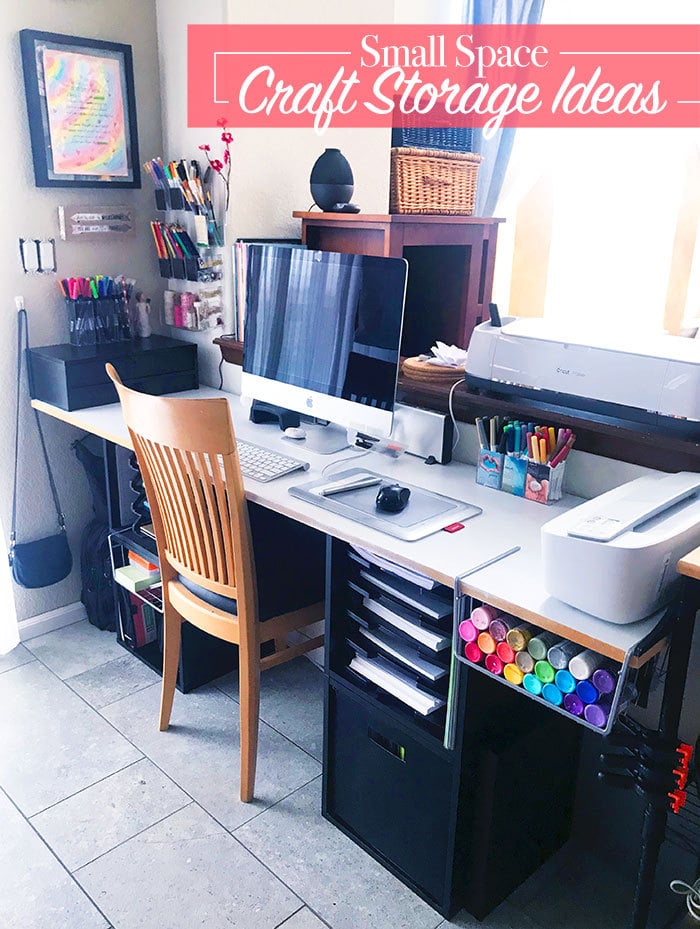
Credit: www.100directions.com
Frequently Asked Questions
How Do You Maximize Space In A Small Craft Room?
Maximize space in a small craft room by using vertical storage like shelves and pegboards. Choose compact, multi-functional furniture. Organize supplies in clear, labeled containers and keep frequently used items accessible. Regularly declutter to maintain order and optimize your workspace efficiently.
How Do You Store Art Supplies In Small Spaces?
Store art supplies using vertical pegboards, floating shelves, and over-the-door organizers. Use clear, labeled bins and jars to categorize items. Opt for multi-purpose furniture like rolling carts to save space and keep supplies accessible. Regularly declutter to maintain order and maximize small spaces.
How To Organize Stuff In A Small Space?
Maximize vertical space with shelves, pegboards, and hooks. Use clear, labeled bins to categorize items. Choose compact, multi-use furniture to save space. Regularly declutter to maintain order.
How Do You Keep Track Of Craft Inventory?
Track craft inventory by listing items in a spreadsheet or app. Categorize supplies, label containers, and update counts regularly. Use clear bins for visibility and keep a dedicated storage area to avoid misplacement.
Conclusion
Organizing small craft spaces can make your creative work easier and more fun. Use shelves, bins, and hooks to keep tools neat and reachable. Clear containers help you find supplies quickly. Keep only what you need to save space and avoid clutter.
A tidy craft area inspires new ideas and boosts productivity. With simple steps, you can enjoy a clean, well-arranged space every day. Try these tips and see how your craft room transforms!