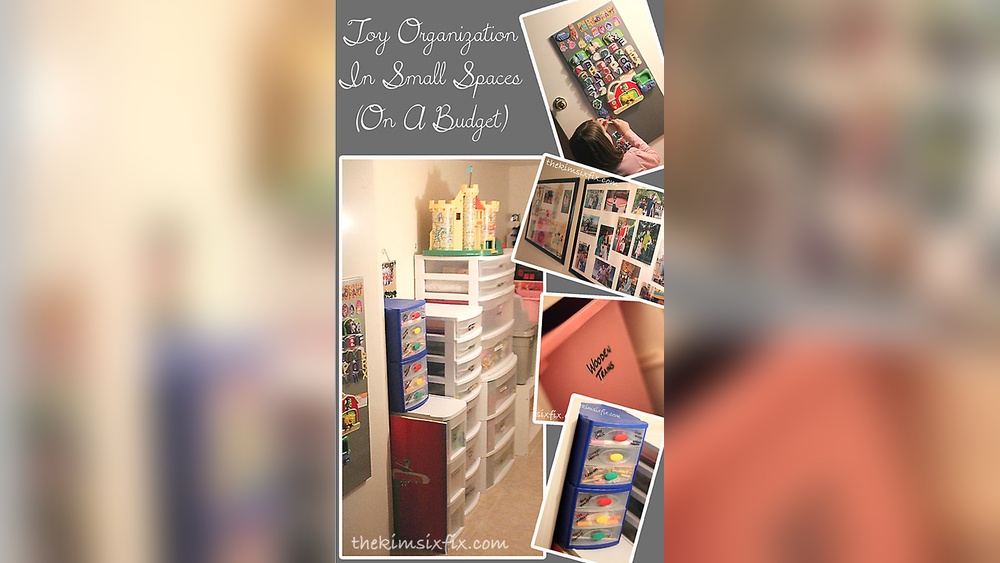

Do you find yourself stepping on toys every time you enter a room? When space is tight, keeping toys neat can feel like an impossible task.
But what if you could turn your small space into a tidy, organized play zone without sacrificing fun? You’ll discover simple, smart ways to organize toys that save space and bring peace to your home. Say goodbye to clutter and hello to a stress-free, joyful environment for you and your kids.
Keep reading to unlock easy tips that work even in the smallest rooms!
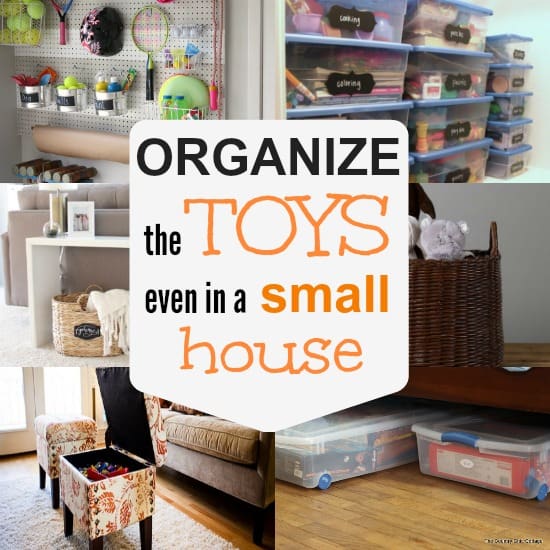
Credit: www.organizedmom.net
Declutter And Sort Toys
Decluttering and sorting toys is the first step to organize toys in a small space. It creates order and frees up valuable room. Sorting helps decide which toys to keep, donate, or discard. This process makes storage easier and more effective.
Involve Kids In Sorting
Ask your children to join the sorting activity. Let them choose their favorite toys to keep. Explain why some toys need to go to others. This teaches sharing and decision-making skills. Kids feel proud and responsible for their space.
Eliminate Duplicates
Look for toys that are the same or very similar. Keep only one or two of each type. Extra duplicates take up unnecessary space. Removing them makes the collection neat and manageable. It also helps children focus on their best toys.
Prioritize Quality Over Quantity
Choose toys that offer more play value and learning. Simple toys like blocks or puzzles work well. Avoid too many small, single-use toys. Quality toys last longer and encourage creativity. This approach reduces clutter and adds joy to playtime.
:strip_icc()/thibodeau_szg_39411_preview-87dc0f9171e24cacb8d4bc0dcc954142.jpg)
Credit: www.vigantas.lt
Use Vertical Space
Using vertical space is a smart way to organize toys in small rooms. It frees up floor area and makes the room feel bigger. You can store many toys without cluttering the room. Vertical storage also keeps toys easy to reach and view.
Install Wall Shelves
Wall shelves give extra space to hold toys. You can stack books, puzzles, and small toys neatly. Choose shelves at a child’s height for easy access. Floating shelves save floor space and look tidy. Use colorful bins on shelves to keep tiny items organized.
Hang Storage Bins
Storage bins hang on walls or hooks. They hold soft toys, blocks, or art supplies. Clear bins help kids find toys quickly. Use labels with pictures or words for easy sorting. Hanging bins keep toys off the floor and out of the way.
Utilize Door Organizers
Door organizers fit over closet or room doors. They have pockets or shelves for small toys. Perfect for stuffed animals, dolls, or cars. This method uses hidden space efficiently. It keeps toys visible and easy to grab without mess.
Creative Storage Solutions
Creative storage solutions turn small spaces into organized play areas. They help keep toys tidy and easy to find. Using clever methods saves room and reduces mess. Kids learn to put toys away quickly with fun storage options.
Under-bed Storage Boxes
Under-bed storage boxes use hidden space well. They slide easily under beds or sofas. You can store puzzles, dolls, or building blocks inside. Clear boxes let you see what is inside without opening. This keeps toys out of sight but close by.
Multi-functional Furniture
Multi-functional furniture saves space and adds storage. Look for ottomans or benches with hidden compartments. Tables with shelves can hold toy baskets underneath. These pieces blend into the room and keep toys organized. They make clean-up fast and simple.
Clear Stackable Containers
Clear stackable containers help organize small toys by category. They stack vertically to save floor space. Seeing inside each box makes finding toys easy. Label containers with pictures or words for quick identification. This system encourages kids to put toys back properly.

Credit: www.cliniquedentairestleonard.ca
Implement Toy Rotation
Implementing toy rotation is a smart way to manage toys in small spaces. It keeps play areas neat and toys fresh. Children enjoy rediscovering toys after some time away. Rotation limits the number of toys out at once, reducing mess and overwhelm.
This method helps parents maintain order without throwing toys away. It also encourages longer playtime for each toy. Here are key steps to make toy rotation work well in your home.
Store Extra Toys Out Of Sight
Keep toys not in use in bins or boxes. Store them in closets, under beds, or on high shelves. This hides clutter and frees up play space. Make sure storage is easy to access for adults. Label containers to find toys quickly during rotation. Out-of-sight storage creates a calm environment for children.
Schedule Regular Toy Swaps
Set a routine to swap toys every few weeks. Rotate toys out of storage and put others away. This keeps playthings feeling new and exciting. Mark calendar reminders for toy swap days. Involve children in choosing which toys to rotate. Regular swaps prevent boredom and keep the space tidy.
Maintain Interest And Reduce Clutter
Toy rotation helps children focus on fewer toys at once. This boosts creativity and deeper play. It also stops rooms from becoming overcrowded. Children learn to appreciate what they have. Parents can avoid constant clutter battles. Overall, rotation supports a cleaner, more organized home with happy kids.
Label And Organize By Category
Labeling and organizing toys by category simplifies playtime and cleanup. It helps children find their favorite toys quickly. Clear categories reduce clutter and save space. This method works well in small rooms with limited storage. Keeping toys sorted makes the room look neat and inviting.
Use Picture Labels For Kids
Picture labels help kids identify toy bins easily. They work well for young children who cannot read yet. Use simple images showing the toy type inside the box. For example, cars, dolls, or blocks. This visual guide encourages kids to put toys back correctly. It makes cleanup faster and less frustrating.
Group Similar Toys Together
Put all similar toys in one place. Keep building blocks in one bin and stuffed animals in another. Grouping toys by type saves space and keeps things tidy. It also helps kids focus on one activity at a time. You can use clear bins or colorful baskets for each group. Label each container for easy identification.
Make Cleanup Easy
Organize toys so kids can clean up without help. Use low shelves or bins within their reach. Label each storage spot clearly with pictures or words. Teach children to return toys to their proper place. Make cleanup a game to keep them motivated. Easy cleanup means less mess and a happier home.
Create Defined Play Zones
Creating defined play zones helps keep toys organized and the space tidy. It divides the room into clear areas for different activities. This method makes small spaces feel larger and more functional. Kids learn where to find toys and where to put them back. A well-defined play area encourages better habits and easier cleanup.
Designate Specific Areas
Assign a spot for each type of toy or activity. For example, build a block corner, an art station, and a reading nook. This keeps toys grouped and reduces mess. Kids know exactly where to play and store their items. Use furniture or shelves to mark these zones clearly.
Use Rugs And Bins To Separate
Place rugs to visually divide the floor space. Rugs create cozy, inviting zones for play. Use colorful bins to hold toys in each area. Label the bins with pictures or words for easy sorting. This makes cleanup fast and fun for children. Bins also keep small toys from scattering around.
Keep High-traffic Zones Clear
Leave pathways open to move safely through the room. Avoid placing toys or furniture in busy spots. Clear spaces reduce tripping hazards and stress. Store frequently used toys in easy-to-reach bins or shelves. This setup keeps the playroom safe and organized.
Adopt Minimalist Toy Policies
Adopting minimalist toy policies can greatly improve toy organization in small spaces. Fewer toys mean less clutter and more room for play. It also teaches children to value what they have. Minimalism encourages mindful choices about toys brought into the home. This approach keeps small areas neat and manageable.
One-in, One-out Rule
The one-in, one-out rule helps control toy quantity. For each new toy, an old one must leave. This keeps the total number of toys steady. Children learn to decide which toys they love most. This rule prevents piles of unused toys from building up.
Focus On Open-ended Toys
Open-ended toys spark creativity and last longer. They include blocks, dolls, and art supplies. These toys offer many ways to play. Kids can use their imagination and create new games. Fewer, versatile toys reduce the need for many single-purpose items.
Encourage Experiences Over Stuff
Prioritize experiences instead of more toys. Activities like trips, crafts, or playdates create lasting memories. Experiences teach social skills and creativity. They do not take up physical space. This approach helps keep the home less crowded and more joyful.
Frequently Asked Questions
How To Organize A Lot Of Toys In A Small Space?
Use stackable bins and shelves to maximize vertical space. Sort toys by size and type. Rotate toys regularly to reduce clutter. Store less-used toys in closets or under beds. Involve kids in choosing and decluttering toys to keep the space organized.
What Is The 20 Toy Rule?
The 20 toy rule limits children to 20 toys at once, promoting organization and reducing clutter. It encourages toy rotation and mindful play.
What Is The 10 Toy Rule?
The 10 toy rule limits children to ten toys at a time. It reduces clutter and encourages focused play. Parents rotate toys to keep playtime fresh and organized. This rule promotes creativity and helps maintain a tidy space.
What Is The Montessori Approach To Toy Storage?
The Montessori approach stores toys within children’s reach using low shelves and open bins. It emphasizes order, simplicity, and easy access to encourage independence and creativity. Toys are rotated regularly to maintain interest and reduce clutter, supporting focused and purposeful play.
Conclusion
Organizing toys in a small space takes simple planning and creativity. Use bins, shelves, and labels to keep things tidy. Involve your child to make organizing fun and easy. Rotate toys to keep the play area fresh and clutter-free. Remember, less is more when space is limited.
A neat space helps children find toys quickly and enjoy playtime. Keep these tips in mind to create a calm and organized toy area at home.