
Are toys taking over your small space, leaving you frustrated and overwhelmed? You’re not alone.
Finding smart ways to organize toys in tight areas can feel like a puzzle with no solution. But what if you could create a clutter-free zone that’s easy to maintain and keeps your child’s favorite things within reach? This guide will show you simple, effective toy organization ideas designed specifically for small spaces.
You’ll discover how to maximize every inch, reduce mess, and enjoy a more peaceful home—without sacrificing fun. Ready to transform your space and reclaim your sanity? Let’s dive in.
:max_bytes(150000):strip_icc()/Screenshot2022-01-30at10.29.42AM-7e9bdf976479496fa3db7b99a8034504.png)
Credit: www.fatihevcimik.com
Maximize Vertical Space
Maximizing vertical space is a smart way to organize toys in small rooms. It frees up floor area and keeps toys neat. Using walls for storage helps manage clutter and makes the room feel bigger. Vertical storage keeps toys visible and easy to reach for kids.
Use Wall-mounted Shelves
Wall-mounted shelves provide extra space to store toys without using floor space. They keep toys off the ground and organized. Choose shelves with different sizes to fit various toys. Place shelves at child-friendly heights to make toys easy to grab. Use colorful bins on shelves to separate and sort toys.
Install Pegboards
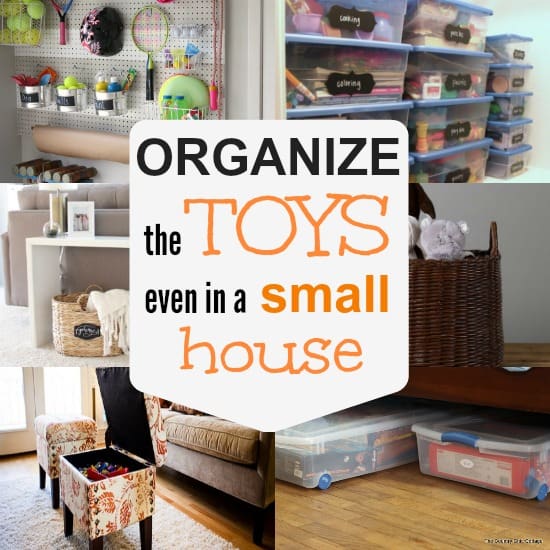
Pegboards offer flexible storage for small toys and accessories. You can hang baskets, hooks, and containers on them. This system adapts to your changing storage needs. Pegboards keep toys visible and tidy. They also make use of empty wall space, which is often wasted.
Hang Toy Nets
Toy nets are perfect for storing stuffed animals and soft toys. Hang them in corners or above beds to save space. Nets keep toys off the floor and easy to access. They also add a playful touch to the room’s decor. Use strong hooks to support the net and toys safely.
Multi-functional Furniture
Multi-functional furniture offers smart solutions for toy organization in small spaces. It combines storage and usability in one piece, saving room and reducing clutter. These furniture types help keep toys out of sight yet easy to reach for kids. They also create a neat, inviting space for play and rest.
Storage Ottomans
Storage ottomans provide hidden space to store toys while serving as seating. Kids can easily open the top to put away blocks, dolls, or cars. These ottomans fit well in living rooms or bedrooms without taking extra space. They help keep the area tidy and organized with minimal effort.
Convertible Tables
Convertible tables change from a play surface to a storage unit. They offer compartments beneath the tabletop to hold puzzles, crayons, and small toys. This dual purpose saves space and encourages kids to clean up after playtime. Convertible tables suit rooms where space is limited but function is needed.
Beds With Built-in Drawers
Beds with built-in drawers use space below the mattress for toy storage. These drawers fit clothes, books, or larger toys out of sight. This type of furniture maximizes bedroom space and keeps toys organized. It helps parents maintain a clutter-free room with easy access to toys.
Smart Storage Containers
Smart storage containers bring order to small play areas quickly. They help keep toys neat and easy to find. Using the right containers saves space and reduces clutter. Kids can enjoy a tidy room that feels bigger and more welcoming. Choosing containers that fit your space and needs makes cleanup simple and fast.
Clear Bins For Visibility
Clear bins let you see toys without opening them. This saves time when looking for specific items. Kids can spot their favorite toys easily. It also helps keep toys in the right place. Clear bins come in many sizes to fit different toys and shelves.
Stackable Boxes
Stackable boxes make the most of vertical space. They fit neatly on top of each other without falling. You can store more toys in a small area. Choose boxes with lids to keep dust out. Clear or colored options add style and function to the room.
Labeling Tips
Labels make finding and putting away toys easier. Use simple words or pictures for quick ID. Place labels on the front or top of containers. Change labels as your child’s toy collection grows. Clear labels help maintain order and teach kids to organize.
Credit: www.organizedmom.net
Declutter Regularly
Decluttering toys regularly keeps small spaces neat and enjoyable. It stops clutter from building up and makes cleaning easier. Regular decluttering also helps children focus on their favorite toys.
Sorting toys often gives a clear picture of what is really needed. It creates space for new toys and fresh ideas. Decluttering becomes a simple habit that improves the whole home environment.
Rotate Toys Seasonally
Rotating toys means giving only a few at a time. Store the rest safely out of sight. Change them every season or few weeks. This keeps toys interesting without crowding the room.
Children enjoy toys more when they feel new. Rotation also reduces mess and makes cleaning quick. It helps parents control the number of toys in use.
Donate Unused Items
Giving away toys that are no longer used is kind and smart. It frees up space and helps others. Collect toys that are clean and in good condition.
Donation encourages sharing and teaches children about giving. It prevents clutter from building up again. Find local charities or shelters that accept toys.
Set Toy Limits
Setting toy limits means choosing a fixed amount to keep. Use bins or shelves to hold only that many toys. This rule helps children learn to value what they have.
Limits stop toys from piling up in small spaces. It encourages better care for each toy. Parents can involve kids in choosing which toys stay.
Create Zones For Play
Creating zones for play helps manage toys in small spaces effectively. It gives each activity a clear spot. Kids enjoy knowing where to find and put away their toys. This method cuts clutter and makes clean-up faster. Organizing by play zones also boosts creativity and focus. Here are simple ways to set up play zones in small areas.
Designate Activity Areas
Choose specific spots for different play types. For example, one corner for puzzles, another for building blocks. This keeps toys grouped and easy to find. Label each zone with pictures or words. It helps children learn where things belong. Activity areas also limit toy spread across the room. This keeps the space neat and welcoming.
Use Rugs To Define Spaces
Rugs create clear boundaries between zones. They add color and comfort to the play area. Select rugs that match the size of each activity zone. Kids learn to stay within the rug space while playing. Rugs also protect floors and reduce noise. This simple trick visually divides the room without walls.
Keep Frequently Used Toys Accessible
Store popular toys where kids can reach them easily. Use low shelves, bins, or baskets near play zones. This encourages independent play and quick clean-up. Rotate toys regularly to keep interest high. Keeping favorite toys handy reduces mess in other areas. It also helps children feel in control of their space.
Utilize Hidden Spaces
Hidden spaces offer great storage options in small rooms. Using these spots helps keep toys out of sight and your area tidy. It makes the room feel larger and more organized. Clever use of hidden spaces can turn cluttered rooms into calm play zones.
Under-bed Storage
The space under the bed is perfect for storing toys. Use flat bins or rolling drawers to slide toys in and out easily. This keeps toys out of the way but still easy to access. It’s a smart way to use often ignored space.
Behind Doors
The back of doors can hold hanging organizers or hooks. These spots fit small toys, bags, or art supplies. Door organizers keep items visible but out of the main room space. They add storage without taking up floor area.
Inside Closet Organizers
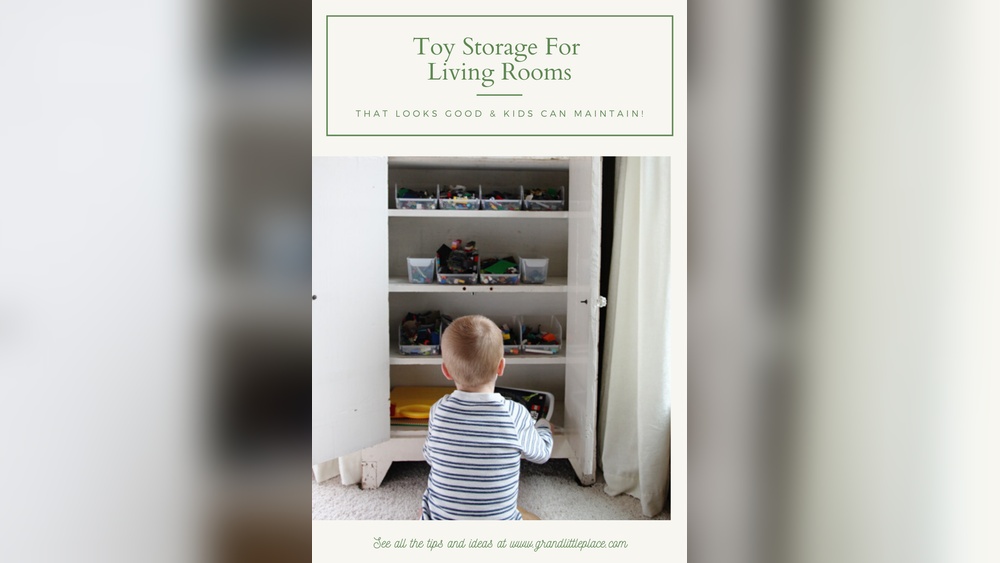
Closets can hold shelves, bins, and hanging pockets for toys. Organizers inside closets make the most of vertical space. Toys stay contained and the closet stays neat. This method hides toys from view but keeps them easy to find.
Diy Storage Hacks
DIY storage hacks make toy organization easy in small spaces. You can save money and use what you already have. These simple ideas help keep toys neat and easy to find.
Try these creative ways to use everyday items and make labels that kids can understand. Organizing toys becomes a fun and quick task.
Repurpose Household Items
Use jars, boxes, and old baskets to store small toys. Clean containers can hold craft supplies or building blocks. Old shoe organizers hang on doors and save floor space. Turn unused drawers into toy bins for easy access. Think about items you already have before buying new storage.
Creative Basket Uses
Baskets keep toys tidy and add style to any room. Stack small baskets to create extra storage layers. Use different colors or sizes for toy categories. Place baskets under tables or shelves to use hidden spaces. Baskets with handles make it easy for kids to carry toys.
Easy Label Making
Labels help kids know where each toy belongs. Use pictures or simple words for easy reading. Print labels on paper or use chalkboard stickers. Attach labels to baskets, boxes, or shelves. Change labels as your child’s toy collection grows or changes.
Maintain Toy Organization
Keeping toys organized in small spaces takes regular effort. A tidy play area stays neat longer and feels more inviting. Establish simple habits that make daily cleanup easy. Encourage kids to help with sorting and storing toys. Clear rules about storage keep clutter under control. These steps create a system that works for your family.
Daily Cleanup Routines
Set a daily time for toy cleanup. Make it part of your family’s routine. Short, consistent sessions prevent mess from piling up. Use timers to make cleanup feel like a game. Focus on quick tasks like putting blocks in bins. This habit keeps your small space orderly.
Involve Kids In Sorting
Ask children to sort toys by type or size. Sorting teaches organization skills and responsibility. Make it fun by turning sorting into a challenge. Kids feel proud when they help tidy up. Their involvement reduces resistance to cleanup. It also helps keep toys in the right place.
Set Storage Rules
Define clear rules for where toys belong. Use labels or pictures on storage bins. Explain rules to children using simple language. Rules help kids remember where to put toys. Consistent storage spots make cleanup faster. This reduces clutter and keeps your space organized.
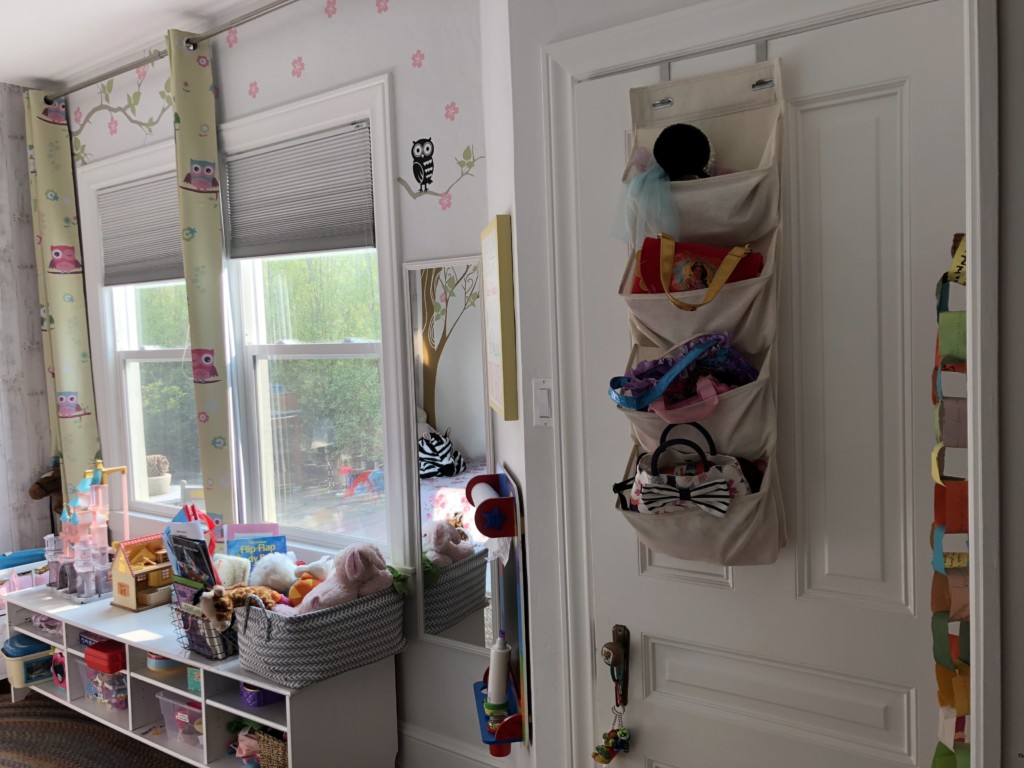
Credit: www.fatihevcimik.com
Frequently Asked Questions
What Are The Best Toy Storage Ideas For Small Spaces?
Use vertical shelves, clear bins, and multi-functional furniture. These maximize space and keep toys organized. Label bins for easy access and quick clean-up.
How Can I Organize Toys In A Tiny Playroom?
Sort toys by type and frequency of use. Use wall-mounted storage and stackable containers to save floor space. Rotate toys regularly to reduce clutter.
What Are Space-saving Toy Organizers For Apartments?
Opt for under-bed storage boxes, hanging organizers, and collapsible bins. These fit well in small apartments and keep toys tidy without crowding the room.
How Do I Declutter Toys In Small Living Areas?
Involve kids in sorting toys. Donate or discard unused items. Keep only favorites and essentials to maintain a neat and functional space.
Conclusion
Organizing toys in small spaces can be simple and stress-free. Use bins, shelves, and multi-purpose furniture to save room. Regularly sorting toys helps keep clutter away. Involve kids to teach them tidy habits early on. Small changes create a big difference in your space.
Enjoy a neat, playful area that feels calm and inviting. Stay consistent, and your small space will stay organized.