Is your home feeling crowded and chaotic? You’re not alone.
When clutter takes over, it’s hard to relax or find what you need quickly. But imagine walking into a space where everything has its place, and your home feels calm and inviting. That’s exactly what smart home storage solutions can do for you.
You’ll discover simple, effective ways to declutter your home step by step. You’ll learn how to turn piles of stuff into organized areas that save you time and reduce stress. Ready to transform your space and reclaim your peace of mind? Let’s dive in and make your home work better for you.
Credit: www.home-storage-solutions-101.com
Decluttering Basics
Decluttering your home starts with simple steps. Clear spaces help create calm and order. Focus on basics to make the process easy and less stressful. Small actions lead to big changes over time. Follow these straightforward tips to begin your decluttering journey.
Choose Small Areas
Pick a small, easy-to-handle space. It could be a drawer, shelf, or corner. Working on small areas keeps the task manageable. Completing one spot builds motivation to continue. Avoid tackling the entire house at once.
Sort Items Effectively
Divide items into categories: keep, donate, and throw away. Check each item’s condition and use. Only keep things that are useful or bring joy. Sorting helps reduce clutter quickly and clearly. Organize items neatly after sorting.
Handle Broken And Unused Items
Identify broken or damaged items first. Decide if repair is possible or worth it. Toss out things that cannot be fixed. Also remove items not used for a long time. Clearing these frees up valuable space.
Return Misplaced Items
Find things that do not belong in the area. Put them back in their proper place. This step improves order and reduces clutter buildup. Keep similar items together for easy access. A tidy home feels more peaceful and organized.
:strip_icc()/organization-basics-tips-for-every-room-01-hero-7c7e2f7a922c48f59f91177a3daac6a6.jpg)
Credit: www.bhg.com
Storage Planning
Planning your home storage is the first step to a clutter-free space. It helps you use every inch wisely and keeps things easy to find. Good storage planning saves time and reduces stress. It makes your home look neat and organized.
Before buying storage items, think about your needs. A clear plan stops you from buying things you do not need. It also helps you pick the right size and style of containers for your space.
Measure Before Buying
Measure the area where you want to add storage. Use a tape measure for accuracy. Write down the length, width, and height. Check doorways and shelves to see what fits. Knowing exact sizes helps avoid bulky or tiny containers. It also saves money and space.
Select Suitable Containers
Choose containers that match your items and space. Clear containers help you see contents easily. Stackable boxes save space in closets or shelves. Use bins with lids to keep dust out. Pick sturdy materials for heavy items. Label containers to find things fast.
Create Zones For Items
Group similar items into zones. Keep kitchen tools in one area. Place books and magazines on another shelf. Toys and games get their own spot. Zones keep your home tidy and help you find items quickly. It also makes cleaning easier and faster.
Room-by-room Strategies
Decluttering your home room by room makes the process simple and less overwhelming. Each space has unique needs and challenges. Focusing on one room at a time helps you stay organized and motivated. This method allows you to create storage solutions that fit each area perfectly. Here are practical strategies for your kitchen, bedroom, living room, and garage.
Tidy The Kitchen
Start with your countertops and clear away unused items. Check pantry shelves and throw out expired food. Use clear containers to store dry goods neatly. Group similar items like spices or baking supplies together. Keep daily-use utensils within easy reach. Use drawer dividers to separate tools and gadgets. Clean out the fridge regularly to avoid clutter.
Organize The Bedroom
Sort through your clothes and donate what you no longer wear. Use under-bed storage boxes for off-season clothes or shoes. Keep your nightstand tidy by limiting items to essentials. Arrange your closet by category: shirts, pants, and accessories. Use hooks or racks for bags and belts. Clear surfaces help create a calm and relaxing space.
Declutter The Living Room
Remove items that don’t belong in the living room. Use baskets or bins to store toys, magazines, and remote controls. Arrange books and decor in an orderly way. Keep surfaces like coffee tables and shelves clear of unnecessary items. Use furniture with built-in storage for extra space. Create a place for everything to avoid future mess.
Clear Out The Garage
Sort items into keep, donate, or throw away piles. Use wall hooks and shelves to free up floor space. Store tools and equipment in labeled bins or cabinets. Group similar items, like gardening tools or sports gear, together. Sweep and clean the garage floor after organizing. A tidy garage makes it easier to find what you need fast.
Daily Decluttering Habits
Daily decluttering habits keep your home neat and organized. Small efforts each day stop clutter from building up. These habits create a calm and tidy space. You feel less stressed and more in control.
Set Timers For Sessions
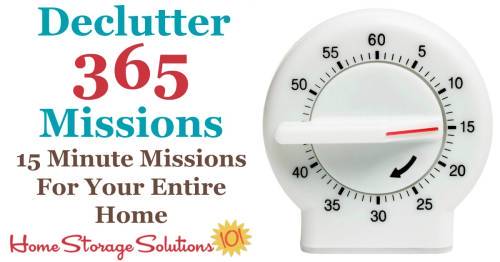
Use a timer to limit decluttering time. Try 10 to 15 minutes each day. This keeps tasks short and easy. A set time helps focus and avoids burnout. You get more done in less time.
Focus On One Task
Pick one small area or item to declutter at a time. It could be a drawer, shelf, or countertop. This focus makes the task clear and simple. Avoid jumping between tasks. Finishing one thing feels rewarding and boosts motivation.
Maintain Regular Tidying
Put things back where they belong right after use. Wipe surfaces and clear clutter daily. Regular tidying stops mess from growing. It keeps your home fresh and ready for anything. Small daily actions lead to big results over time.
Creative Storage Hacks
Creative storage hacks help you use your space better. They make decluttering easier and keep your home neat. Simple ideas can change how you store items. These tricks save room and make your home look tidy.
Use Vertical Space
Think up, not out. Shelves on walls hold books and decor. Hooks keep bags and keys off counters. Tall cabinets store more without taking floor space. Vertical storage frees up rooms and clears clutter fast.
Repurpose Everyday Items
Use jars for small things like buttons and nails. Old crates make good shelves or drawers. Shoe organizers can hold cleaning supplies or snacks. Giving new life to items cuts costs and adds unique style.
Maximize Under-furniture Areas
Look under beds and sofas for hidden space. Use rolling bins to slide in and out easily. Store seasonal clothes or shoes in these spots. This area often goes unused but offers great storage options.
:strip_icc()/linen-closet-storage-shelving-containers-28e819e7-2000-e8de6ac5bcab41d189ea16c2ea7605db.jpg)
Credit: www.bhg.com
Managing Sentimental Items
Sentimental items bring memories and emotions into your home. These items can quickly create clutter if not managed well. Keeping them organized helps maintain a peaceful space. It also respects the memories attached to each piece. Use clear methods to decide what to keep and how to store it.
Set Limits
Decide on a fixed space for your sentimental items. This could be a shelf, box, or drawer. Limits help prevent clutter from building up. Choose only the most meaningful items to keep. Letting go of some pieces makes the collection more special.
Create Memory Boxes
Use memory boxes to store sentimental items neatly. Label each box by person, event, or year. This method keeps items safe and easy to find. It also reduces mess around the house. Use durable boxes to protect items from damage.
Digitize Keepsakes
Take photos or scan important keepsakes. Digital copies save space and preserve memories. Store these files on your computer or cloud. This way, you keep memories without physical clutter. It also allows sharing memories with family easily.
Sustainable Decluttering
Decluttering is more than clearing space. It impacts the environment and community. Sustainable decluttering helps reduce waste and supports others. This approach makes your home tidy and eco-friendly. It encourages thoughtful choices about what to keep, donate, or recycle.
By adopting sustainable habits, you save resources and lower landfill waste. It also promotes sharing items that still have value. This way, decluttering becomes a positive act for you and the planet.
Donate And Sell
Items in good condition can find new homes. Donate clothes, books, and toys to charities. Selling unwanted items online helps others save money. Both actions reduce waste and support your community. Check local donation centers for accepted goods. Selling platforms are easy to use and reach many buyers.
Recycle Responsibly
Not everything can be donated or sold. Recycling helps manage waste properly. Separate materials like paper, plastic, and metal. Follow local recycling guidelines to avoid contamination. Electronics require special handling. Drop off e-waste at designated centers. Responsible recycling protects the environment and conserves resources.
Avoid Impulse Buying
Impulse buying adds clutter and waste. Plan purchases carefully to avoid extra items. Focus on needs, not wants. Use lists to stay organized and avoid overspending. Buy quality items that last longer. This habit reduces clutter and lowers your environmental footprint. Smart shopping supports sustainable living and a clutter-free home.
Frequently Asked Questions
What Is The 10 10 10 Rule For Decluttering?
The 10 10 10 rule for decluttering asks three questions: Will you use it in 10 days, 10 months, or 10 years? Keep items only if the answer is yes.
What Is The 12 12 12 Rule For Decluttering?
The 12 12 12 rule declutters by finding 12 items to throw away, donate, and relocate. This quick method clears clutter efficiently.
What Is The 50% Rule For Clutter?
The 50% rule for clutter means keeping only half the items in a space to reduce mess and improve organization.
What Is The 1/3/5 Decluttering Rule?
The 1/3/5 decluttering rule guides removing 1 item today, 3 items this week, and 5 items this month. It simplifies organizing by setting manageable goals. This method reduces clutter gradually and keeps your space tidy without feeling overwhelmed.
Conclusion
Decluttering your home brings calm and space to your daily life. Start small and stay consistent with storage solutions. Use shelves, bins, and labels to keep items organized. Clear spaces help you find things quickly and reduce stress. Keep only what you truly need and love.
Regular tidying prevents clutter from building up again. A neat home feels welcoming and easier to maintain. Small steps create lasting change. Enjoy the comfort of a well-organized space every day.