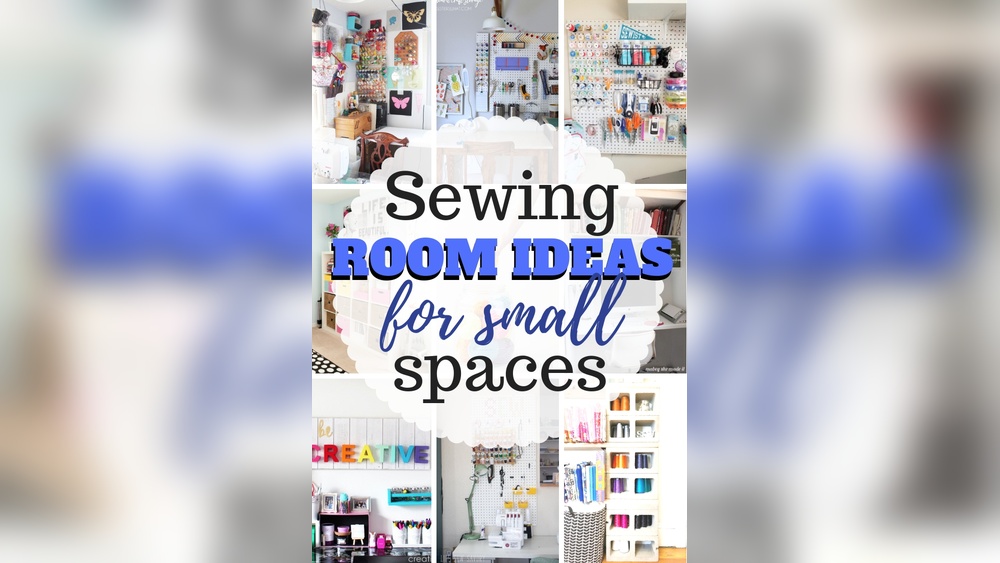

Do you find your sewing supplies scattered everywhere, making it hard to focus on your creative projects? When your sewing room is small, staying organized can feel like a real challenge.
But what if you could transform your limited space into a tidy, inspiring area where everything has its place? You’ll discover simple, smart tips to organize your sewing room efficiently, even if you have just a corner to work with.
Get ready to unlock more creativity and less clutter—your perfect small sewing space is closer than you think. Keep reading to learn how!
Space-saving Furniture
Space-saving furniture transforms small sewing rooms into efficient, comfortable areas. Choosing the right pieces helps maximize every inch. Clever furniture fits your needs without crowding the room. It creates a tidy, inviting workspace that inspires creativity.
Foldable Tables
Foldable tables offer flexible workspace options. They open up for sewing or cutting projects. When not in use, fold them down to save space. These tables easily fit into corners or against walls. Portable and lightweight, they also allow easy room rearrangement.
Wall-mounted Desks
Wall-mounted desks free up floor space completely. They attach directly to the wall, folding away when unused. These desks provide enough surface for sewing machines or supplies. Installing shelves above adds storage without clutter. Wall-mounted desks keep your sewing room organized and open.
Multi-functional Storage Units
Multi-functional storage units combine workspace and storage in one. These units include drawers, shelves, and fold-out surfaces. They hold fabric, tools, and notions neatly. Using vertical space helps keep the floor clear. Multi-functional units simplify access to all sewing essentials in small rooms.
Vertical Storage Solutions
Vertical storage solutions make a big difference in small sewing rooms. They use wall space to keep your tools and materials organized. This approach frees up your work surface and floor area. Vertical storage helps you find what you need quickly. It also keeps your sewing room neat and tidy.
Pegboards And Hooks
Pegboards offer flexible storage for sewing tools. Hang scissors, rulers, and threads on hooks. You can rearrange hooks to fit your needs. Pegboards keep items visible and easy to reach. This setup saves drawer space and reduces clutter.
Floating Shelves
Floating shelves provide extra space without taking floor room. Use them to store fabric, patterns, or small baskets. Place frequently used items on lower shelves for easy access. Higher shelves can hold less-used supplies. Floating shelves add style and function to your sewing room.
Hanging Baskets
Hanging baskets are perfect for small items like buttons and pins. Attach them to walls or under shelves. They keep tiny supplies sorted and off your desk. Hanging baskets also add texture and color to the room. They help maximize every inch of your vertical space.
Organizing Sewing Supplies
Organizing sewing supplies in a small space can be a challenge. Efficient storage keeps your tools easy to find and your work area tidy. Using smart containers and clear labels saves time and reduces clutter. Portable options add flexibility for crafting in different spots.
Clear Containers And Bins
Clear containers help you see what is inside without opening them. Stackable bins use vertical space well, perfect for small rooms. Choose sizes that fit your materials, like thread, fabric, or buttons. Transparent boxes make sorting supplies quick and simple.
Labeling Systems
Labels speed up finding your sewing items. Use simple words or pictures for quick recognition. Label each container or drawer clearly on the front. Consistent labeling creates order and avoids confusion. It also helps keep your space neat over time.
Portable Storage Options
Portable storage lets you carry supplies from room to room. Small rolling carts or caddies hold essentials within reach. Choose lightweight boxes with handles for easy moving. These options keep your sewing materials organized and mobile.
Maximizing Fabric Storage
Maximizing fabric storage in a small sewing room can greatly improve your workflow. Keeping fabric neat and accessible saves time and reduces frustration. Use smart storage solutions to fit more fabric in less space. Organize by color, type, or project to find what you need fast.
Rolling Fabric Storage
Rolling fabric storage lets you see your collection at a glance. Roll each fabric piece tightly to save space and prevent wrinkles. Use clear plastic bins or mesh baskets to hold rolls upright. Label each container for quick identification. This method keeps fabric tidy and easy to pull out when needed.
Using Under-bed Space
Under-bed space offers hidden storage for fabric pieces. Slide shallow containers or flat bins under your bed or sewing table. Choose ones with wheels for easy access. Store fabrics by size or project to keep items organized. This space often goes unused but works well for bulky or folded fabrics.
Shelving For Folded Fabrics
Shelving units help organize folded fabrics neatly. Use open shelves or cubbies to separate fabrics by color or material. Fold fabric in uniform sizes to maximize shelf space. Clear bins or baskets on shelves keep smaller pieces contained. Keep shelves at eye level for easy reach and visibility.
Lighting And Workspace Setup
Good lighting and a well-planned workspace are essential for sewing in small areas. Bright, focused light reduces eye strain and helps you see details clearly. A tidy, comfortable workspace keeps tools within reach and boosts creativity. Organizing your sewing room with the right lighting and setup makes every project easier and more enjoyable.
Task Lighting Options
Task lighting focuses light exactly where you need it most. Use adjustable desk lamps with LED bulbs for bright, clear light. Clip-on lamps save space and can attach to shelves or tables. Consider a magnifying lamp if you work with tiny stitches. Bright, direct light prevents shadows and helps you work faster.
Optimizing Natural Light
Natural light is the best light for sewing. Place your sewing table near a window to get daylight. Use light curtains to soften harsh sunlight without blocking it. Keep windows clean to let in maximum light. Mirrors can reflect daylight deeper into the room. Natural light reduces eye fatigue and creates a pleasant workspace.
Ergonomic Seating
Comfortable seating supports your body during long sewing sessions. Choose a chair with good back support and adjustable height. A cushioned seat reduces pressure on your hips and legs. Keep your feet flat on the floor or on a footrest. Proper seating helps prevent pain and keeps you focused on sewing.
Credit: www.missouriquiltco.com
Budget-friendly Organization
Organizing a sewing room in a small space can be affordable and effective. Budget-friendly ideas help keep your space tidy without spending much. Clever storage and smart use of materials make a big difference. Small spaces need smart solutions that save money and add function.
Diy Storage Ideas
Create your own storage with simple materials. Use pegboards to hang scissors, rulers, and threads. Make fabric bins from old clothes or scrap fabric. Use mason jars for buttons, pins, and small supplies. Build shelves from wooden crates for extra space. DIY solutions fit your space and style perfectly.
Upcycling Household Items
Repurpose items you already have to save money. Use old jars as thread spools holders. Turn shoe boxes into organizers for fabric scraps. Convert an unused drawer into a storage tray. Use ice cube trays for beads and small tools. Upcycling helps reduce waste and keeps your sewing room neat.
Affordable Retail Solutions
Find budget-friendly products at discount stores or online. Look for clear plastic bins to store fabric and notions. Use stackable drawers to maximize vertical space. Buy inexpensive wall hooks for hanging tools. Affordable items help organize your sewing room without breaking the bank. Focus on items that save space and keep things visible.
Maintaining A Clutter-free Room
Keeping your sewing room free of clutter is key to working well in a small space. A tidy room helps you find tools fast and keeps you inspired. Consistent care and simple habits make a big difference. Small daily actions stop mess from piling up. Regular checks and seasonal cleanouts keep your space fresh and neat.
Daily Clean-up Habits
Spend five to ten minutes after each sewing session. Put away scissors, threads, and fabric scraps. Clear your table and floor. Wipe surfaces to remove dust and lint. This small effort prevents clutter from growing. It also saves time for your next project.
Regular Inventory Checks
Once a week, look over your supplies. Check your thread, needles, and fabric stock. Toss out broken or unusable items. Note what you need to restock soon. This habit stops your space from filling with unused things. It helps keep only useful materials close.
Seasonal Decluttering
Every few months, do a deep clean. Remove all items from shelves and drawers. Sort through all sewing tools and fabrics. Donate or recycle what you no longer use. Organize what stays by category or project. This refresh clears your mind and room for new ideas.
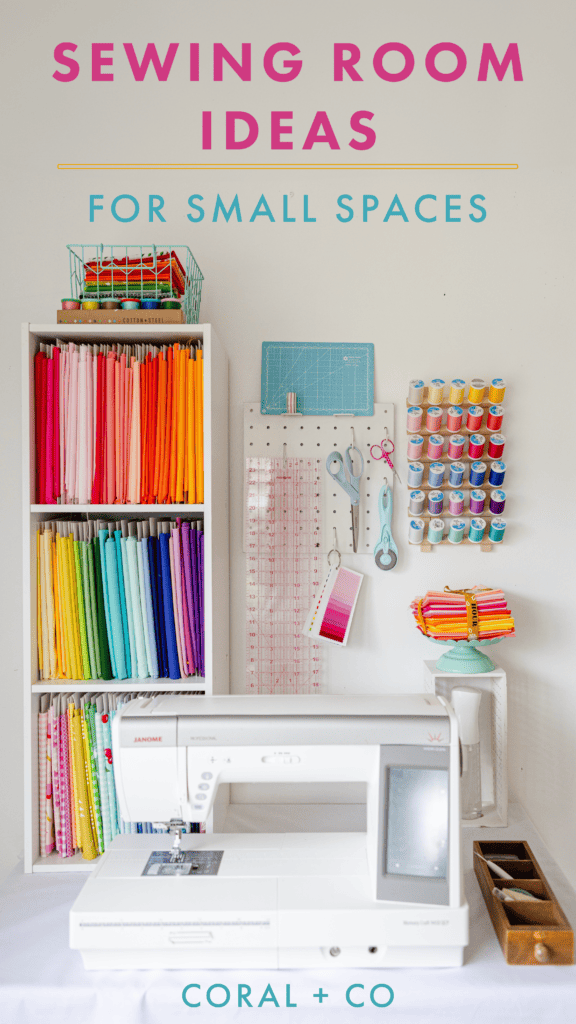
Credit: www.coralandco.com
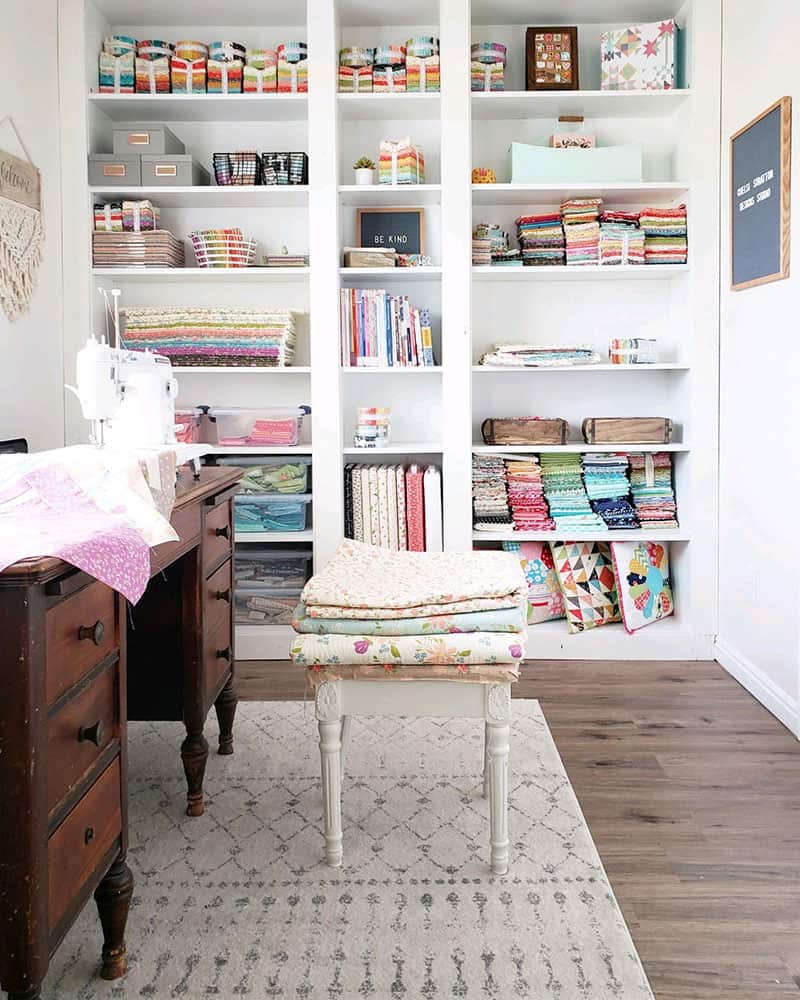
Credit: www.aquiltinglife.com
Frequently Asked Questions
How Can I Maximize Storage In A Small Sewing Room?
Use vertical storage like wall shelves and pegboards. Utilize clear bins and stackable containers. Keep frequently used tools within arm’s reach. Multi-functional furniture also saves space effectively.
What Are The Best Space-saving Sewing Room Furniture?
Choose foldable tables, wall-mounted desks, and rolling carts. Use storage ottomans or benches with hidden compartments. Compact, mobile furniture adapts easily to small spaces.
How Do I Keep Sewing Supplies Organized In Tight Spaces?
Sort supplies by category and label containers. Use drawer dividers and small baskets for smaller items. Regularly declutter to maintain order and accessibility.
What Lighting Works Best For Small Sewing Rooms?
Opt for bright, adjustable LED lights with daylight bulbs. Task lighting near your sewing machine improves precision. Avoid harsh overhead lights to reduce eye strain.
Conclusion
Organizing a small sewing room takes clear planning and smart choices. Use vertical storage to save floor space. Keep tools and supplies within easy reach for quick access. Regularly declutter to maintain a tidy, efficient workspace. With these simple steps, even small spaces can feel roomy and inspiring.
Your creativity will thrive in a well-organized sewing room. Start small, stay consistent, and enjoy every stitch you make.