
Your digital life is growing every day—photos, videos, documents, and more all demand a safe place to live. But how do you keep all your important files secure without the stress of losing them?
Choosing the right home computer data storage solution is key to protecting your memories and work. Whether you’re overwhelmed by cluttered hard drives or worried about accidental loss, this guide will help you discover smart, simple ways to store and back up your data.
Ready to take control and keep your files safe? Keep reading to find the best storage options tailored just for you.
Credit: www.walmart.com
Backup Strategies
Backing up your home computer data is essential to avoid losing important files. A good backup strategy keeps your data safe from accidents, theft, or hardware failure. Simple, clear methods help protect your information every day.
Three Copies Rule
The three copies rule means having three separate versions of your data. One copy is the original file on your computer. The second copy is a backup on a different device. The third copy is stored in a separate location. This rule reduces the risk of losing all your data at once.
Different Media Types
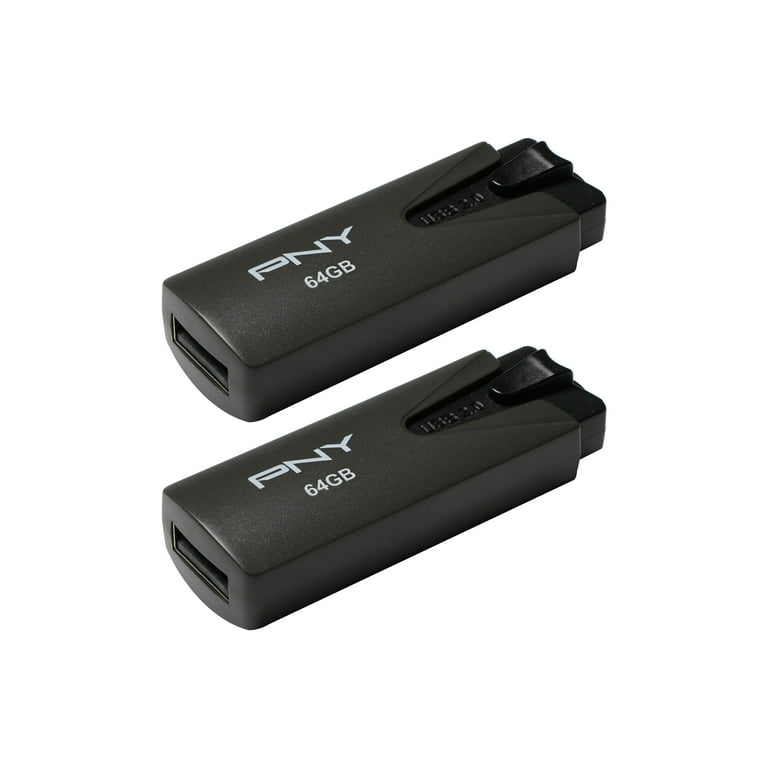
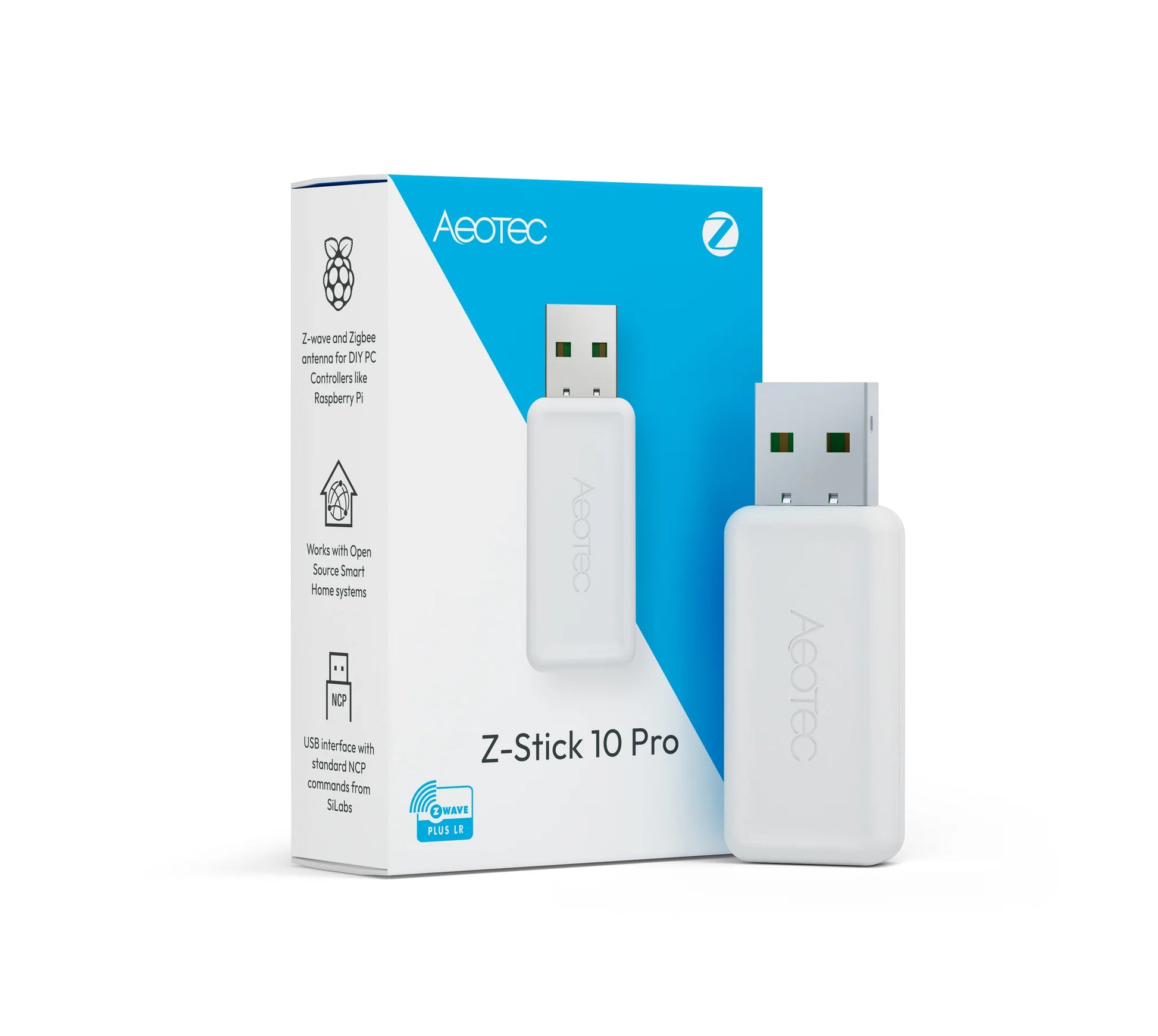
Use different types of storage media for your backups. External hard drives, USB flash drives, and cloud storage are good options. Each type has strengths and weaknesses. Mixing media types gives extra security in case one fails.
Off-site Backup Importance
Keeping a backup off-site protects your data from local disasters. Fires, floods, or theft can destroy devices at home. Store a copy in a safe place outside your house. Cloud backup services also provide off-site storage automatically.
Credit: ameridroid.com
Types Of Storage Media
Setting up a local backup is essential to protect your important files. It keeps your data safe from sudden loss. A local backup stores copies of your data on devices near you. This method offers quick access and control over your backups.
Local backups work best alongside cloud backups. They provide an extra layer of security. Let’s explore some common ways to set up local backups at home.
Automating External Drive Backups
Using an external hard drive is a simple way to back up data. Automation helps keep backups up to date without manual effort. Many backup programs run scheduled tasks to copy files regularly.
Connect your external drive to your computer. Choose backup software that fits your needs. Set the software to run daily or weekly backups. This ensures your data is always protected.
Using Nas For Home
A Network Attached Storage (NAS) device stores data on your home network. It allows multiple devices to back up data in one place. NAS devices often include built-in backup tools.
Connect the NAS to your router. Configure it to accept backups from your computers. NAS devices can also stream media and share files easily. They provide centralized storage with quick access.
Raid Configurations Explained
RAID means Redundant Array of Independent Disks. It combines several hard drives into one system. RAID improves speed, storage size, or data safety depending on the setup.
RAID 1 mirrors data on two drives for safety. RAID 0 splits data across drives for speed but no backup. RAID 5 uses parity to protect data and increase storage. Choose the RAID type based on your backup needs.
Setting Up Local Backup
Cloud backup solutions offer a simple way to protect home computer data. These services store copies of your files on remote servers. This keeps data safe from hardware failure or accidental deletion. Accessing your data is easy from any device with internet. Many people choose cloud backup for its convenience and reliability.
Popular Cloud Providers
Several cloud providers offer reliable backup services. Google Drive allows easy file syncing and sharing. Microsoft OneDrive integrates well with Windows and Office apps. Dropbox is known for its user-friendly interface and fast syncing. Apple iCloud works best for Mac and iPhone users. Each provider offers various storage plans to meet different needs.
Security Features
Cloud backups use strong encryption to protect your files. Data is encrypted during transfer and while stored on servers. Many providers offer two-factor authentication for extra account security. Regular security audits help keep their systems safe. Users should choose a provider with clear privacy policies. This ensures your data stays private and secure.
Cost Considerations
Cloud backup costs vary by storage size and features. Most providers offer free plans with limited space. Paid plans provide more storage and faster support. Monthly and yearly billing options are available. Compare prices based on the amount of data you need to store. Look for plans without hidden fees or long-term contracts.
Cloud Backup Solutions
Combining different data storage solutions offers a balanced way to protect and access your data. Using multiple types of storage increases safety and convenience. It also helps you avoid losing important files due to hardware failure or accidental deletion.
Mixing local drives with cloud services creates a versatile system. It lets you keep copies close and have backups stored off-site. This approach suits various needs and budgets.
Hybrid Backup Approaches
Hybrid backup uses both local and cloud storage for your files. This method keeps data safe even if one option fails. Local backups provide quick access. Cloud backups protect against physical damage or theft. Together, they make your data more secure.
Syncing Local And Cloud Data
Syncing keeps files updated across your devices and cloud accounts. Changes on one device show up everywhere else. This saves time and reduces mistakes. You always have the latest version of your files. Many tools offer automatic syncing to simplify this process.
Managing Multiple Backups
Handling more than one backup requires a clear plan. Label your backups by date and type. Store them in different places to avoid risks. Regularly test your backups to ensure they work. Good management prevents confusion and data loss.
Combining Storage Solutions
Keeping data safe at home requires strong security and encryption. Protecting files from theft or loss is vital. Encryption scrambles data, making it unreadable without a key. This stops hackers and unauthorized users. Using encryption tools adds a solid layer of defense to your storage solutions.
Encrypting Backups
Backups hold copies of important files. Encrypting them ensures safety even if lost or stolen. Many backup software offer built-in encryption. Choose strong passwords and update them regularly. Encrypting backups protects sensitive data from prying eyes.
Protecting Nas Devices
Network Attached Storage (NAS) devices store data for many users. Secure them by enabling encryption features. Use strong admin passwords and update firmware often. Limit access to trusted users only. These steps keep NAS devices safe from cyber threats.
Secure Cloud Access
Cloud storage is convenient but needs protection. Always use two-factor authentication for cloud accounts. Encrypt files before uploading for extra security. Avoid public Wi-Fi when accessing cloud data. Secure cloud access guards your data from hackers and breaches.
Security And Encryption
Disaster recovery planning is essential for protecting home computer data. It helps you prepare for data loss caused by hardware failure, theft, or natural disasters. A good plan reduces downtime and restores your files quickly. Keeping backups safe and accessible is key to effective recovery. This section covers important steps to recover data and ensure backup reliability.
Data Recovery Steps
Start by identifying the cause of data loss. Stop using the affected device immediately to avoid overwriting data. Use recovery software to scan for lost files. Follow on-screen instructions carefully. If software cannot recover data, consult a professional service. Always save recovered files to a different drive to prevent further loss.
Testing Backup Integrity
Regularly check your backups to ensure they work. Open a few files from your backup to verify they are complete. Use software tools designed to test backup files for errors. Fix any issues found during testing immediately. Testing backups often prevents unpleasant surprises during actual recovery.
Restoring From Off-site Copies
Store backup copies away from your home to protect against local disasters. Use cloud storage or external drives kept at a different location. When restoring, download or connect the off-site backup to your computer. Follow the restore process provided by your backup software. Off-site backups add an extra layer of security for your data.
Disaster Recovery Planning
Data storage at home is evolving fast. New technologies will change how we save and protect files. The future holds smarter, faster, and safer storage options. These trends will help manage growing data needs simply and effectively.
Advances In Nas Technology
Network Attached Storage (NAS) devices are becoming more powerful. New models offer faster speeds and larger capacities. They support multiple users with easy access from any device. Improved security features protect data from cyber threats. Smart syncing and cloud integration make file sharing smooth.
Ai In Data Management
Artificial Intelligence (AI) helps organize and protect home data. AI can detect unusual activity and prevent data loss. It simplifies backup by choosing the best times to save files. AI also helps find duplicate files and free up space. This technology makes data management less stressful.
Emerging Backup Solutions
Backup methods are becoming more reliable and user-friendly. Cloud backups now offer automatic and continuous protection. New tools combine local and cloud backups for extra security. Some solutions use encryption to keep data private. These options ensure data is safe without complex setups.
Credit: contabo.com
Frequently Asked Questions
Are Nas Drives Worth It For Home Use?
NAS drives are worth it for home use if you need centralized storage, easy file sharing, and reliable backups across multiple devices.
What Is The 3/2:1 Rule Of Data Storage?
The 3/2:1 rule means keeping three data copies on two different media types, with one copy stored off-site for safety.
How Do You Store Data Permanently In A Computer?
Store data permanently using non-volatile storage devices like hard drives, SSDs, USB drives, or cloud storage services.
What Is The Best Nas Drive For Home Use?
The best NAS drive for home use is the Synology DS220+. It offers easy setup, reliable performance, and excellent data protection. Perfect for streaming, backups, and file sharing in small households.
Conclusion
Choosing the right data storage keeps your files safe and easy to access. Simple external drives work well for everyday needs. Network Attached Storage (NAS) offers extra space and sharing options. Cloud storage adds convenience and off-site backup. Balance cost, capacity, and ease of use for best results.
Regularly back up important data to avoid loss. Good storage solutions support your daily computer tasks smoothly.