

Looking for the best way to store your important files, photos, and videos right at home? You’ve probably wondered which home data storage solution fits your needs without costing a fortune or causing headaches.
Whether you want simple plug-and-play devices or powerful systems with advanced features, this guide will help you cut through the noise. You’ll discover clear, honest reviews of popular options like Synology, UGREEN, and Western Digital—so you can make smart choices that keep your data safe, accessible, and organized.
Ready to find the perfect home storage setup that works for you? Keep reading to uncover the pros, cons, and must-know details before you buy.
Credit: www.techradar.com
Home Storage Options
Choosing the right home storage option is key for managing your digital files. Data grows fast. Photos, videos, and documents need safe places. Several solutions fit different needs and budgets. Understanding each helps you decide the best for your home.
Storage can be local, online, or a mix of both. Each type offers unique benefits and challenges. Let’s explore the main home storage options available today.
Nas Devices
NAS stands for Network Attached Storage. It is a physical device connected to your home network. NAS allows multiple users to access files from different devices. It works like a private cloud inside your house. You can add several hard drives to increase space.
NAS devices offer fast file transfer speeds. They keep your data local, so internet is not always needed. Setup can be simple or advanced, depending on the model. Some include apps for media streaming and backups.
Power outages can cause access issues. Large files need good network bandwidth. The storage limit depends on the number of drives supported. Despite these limits, NAS is popular for its control and security.
Cloud Storage
Cloud storage saves your files on internet servers. This option offers access from anywhere with an internet connection. Files are backed up automatically, reducing risk of data loss. You pay a monthly or yearly fee for the service.
Cloud storage is simple to use and requires no hardware setup. It is ideal for sharing files and remote work. Speed depends on your internet connection. Privacy depends on the cloud provider’s policies.
This option suits users who want easy access and worry-free backups. It works well for those with smaller storage needs or multiple devices.
Hybrid Solutions
Hybrid storage combines NAS and cloud storage features. Your data stays on a local device and syncs with the cloud. This offers safety and flexibility. You get fast local access plus offsite backup protection.
Hybrid setups protect against hardware failure and data loss. They can be more expensive and require some technical knowledge. Many NAS devices now include built-in cloud sync options.
This option is great for users who want the best of both worlds. It suits those with valuable data needing constant backup and easy access.
Top Nas Picks
Network Attached Storage (NAS) devices provide an excellent way to store and access your data from home. They offer convenience, security, and flexibility for all types of users. Choosing the right NAS depends on your needs, such as storage capacity, ease of use, and additional features.
Here are some top NAS picks that suit various requirements. Each option offers unique benefits, making it easier to select the best fit for your home data storage.
Synology Diskstation
Synology DiskStation is popular for its powerful features and user-friendly interface. It supports multiple drives, allowing you to expand storage easily. The DiskStation offers advanced data protection and backup options. It also runs various apps to enhance your media and file management. Perfect for users who want control and reliability.
Ugreen Nas
UGREEN NAS stands out for its fast transfer speeds and AI-powered photo album feature. It supports multiple hard drives and offers flexible storage options. The device is suitable for tech-savvy users who want customizable settings. It can also reduce costs by avoiding monthly cloud fees. A solid choice for those needing speed and smart features.
Wd My Cloud Home
WD My Cloud Home is designed for simplicity and ease of use. It comes pre-installed with storage and requires minimal setup. This NAS is ideal for beginners who want a plug-and-play experience. It provides remote access to files from any device. A good option for users who want quick and easy data storage.
Synology Beestation
Synology BeeStation offers an all-in-one solution with built-in storage. It is easy to set up and perfect for home use. The BeeStation supports automatic backups and simple file sharing. It lacks some advanced features but excels in user-friendliness. Suitable for those who want hassle-free, reliable storage.
Key Features To Compare
Choosing the right home data storage solution means comparing several key features. These features affect how easily you use the device, how well it fits your needs, and how safe your data stays. Focus on important aspects like ease of use, customization, speed, and data protection. This helps you pick a storage option that suits daily tasks and future needs.
Ease Of Use
Simple setup saves time and reduces frustration. Look for devices with clear instructions and easy interfaces. A user-friendly dashboard helps manage files and settings without technical skills. Quick access to files is important for all users. Devices with mobile apps or web portals offer flexibility. The less time spent on setup, the faster you start using your storage.
Customization And Apps
Customization lets you tailor the storage to your needs. Some devices allow installing extra apps for media streaming, backups, or security. This adds value beyond basic storage. Choose systems that support popular apps and updates. The ability to add or remove apps gives control over features. Custom settings for users and access permissions improve security and sharing.
Performance And Speed
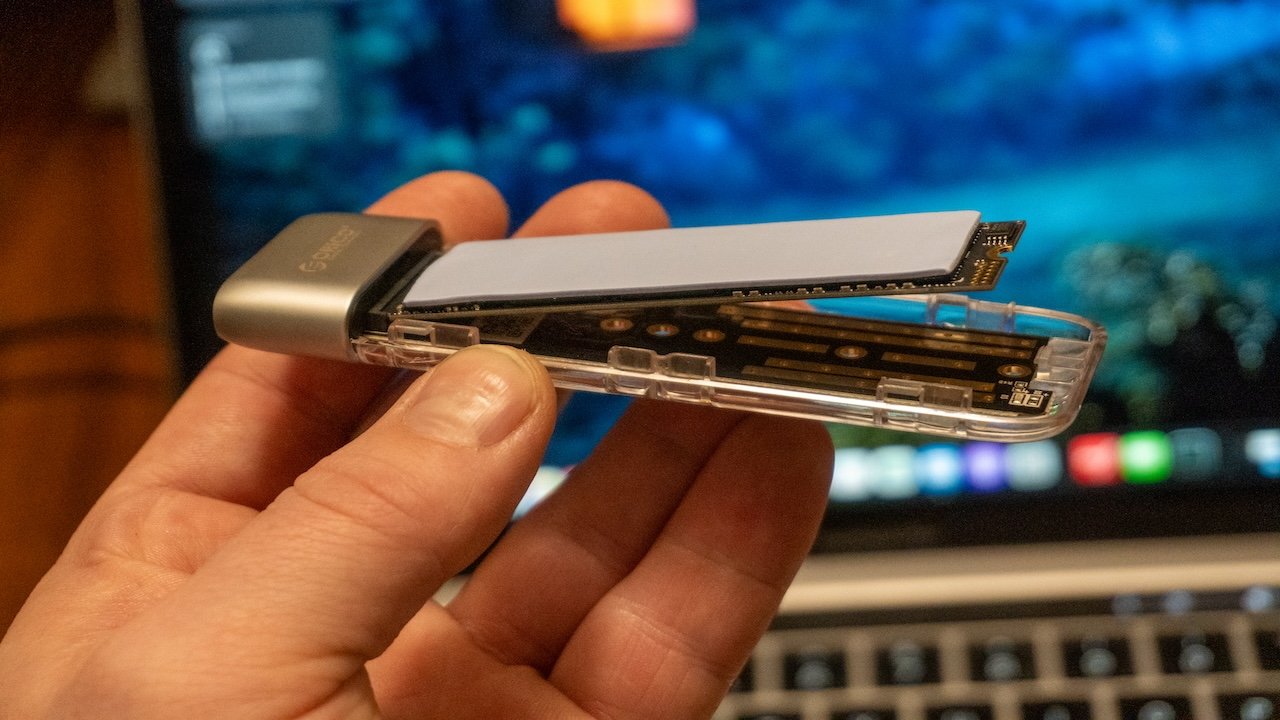
Fast data transfer saves time when moving files. Check the read and write speeds of each device. SSD-based storage is usually faster than traditional hard drives. Network speed also affects performance, especially for NAS systems. Devices with multiple connection options offer better flexibility. Smooth performance improves the overall experience for work and entertainment.
Data Redundancy And Raid Support
Data safety is crucial for home storage. RAID configurations protect data by duplicating it across drives. Different RAID levels offer varying balance of speed and protection. Devices with RAID support guard against drive failure. Regular backups and data redundancy reduce risk of loss. Choose a solution with easy setup for RAID and recovery options.
Credit: forums.appleinsider.com
Choosing By User Level
Choosing the right home data storage solution depends greatly on the user’s experience and needs. Understanding your skill level helps select a device that fits your comfort and technical ability. This approach ensures you get a storage solution that is easy to manage and meets your expectations.
Beginners
Beginners need simple, plug-and-play options. Devices like Western Digital My Cloud Home offer easy setup. No complex configuration or technical knowledge is required. These solutions come with pre-installed storage ready for use. They focus on ease and basic functions like file backup and sharing. This choice minimizes frustration and saves time.
Advanced Users
Advanced users want more control and customization. Network Attached Storage (NAS) systems from Synology or UGREEN fit this need well. Users can install drives, set up apps, and tweak settings. These options support more complex tasks like media streaming or remote access. Advanced users benefit from flexible and scalable storage that grows with their needs.
Performance Needs
Performance needs vary by how you use your data. For heavy media editing or gaming, speed matters most. Look for storage with fast transfer rates and SSD options. For simple backups and documents, standard hard drives work fine. Assessing your performance needs helps avoid overpaying or underperforming devices. Match your storage speed and capacity to your daily tasks.
Cost And Value Factors
Cost and value are key factors when choosing home data storage solutions. Understanding these helps you pick the right option for your needs. Costs vary by hardware, drive needs, and any subscription fees. Knowing each part makes your investment smarter.
Hardware Costs
Hardware costs include the main device and any accessories. Prices differ by brand, storage size, and features. Basic models cost less but may lack speed or expandability. Premium devices have more power and flexibility but come with a higher price tag. Consider how much storage you need now and later.
Drive Requirements
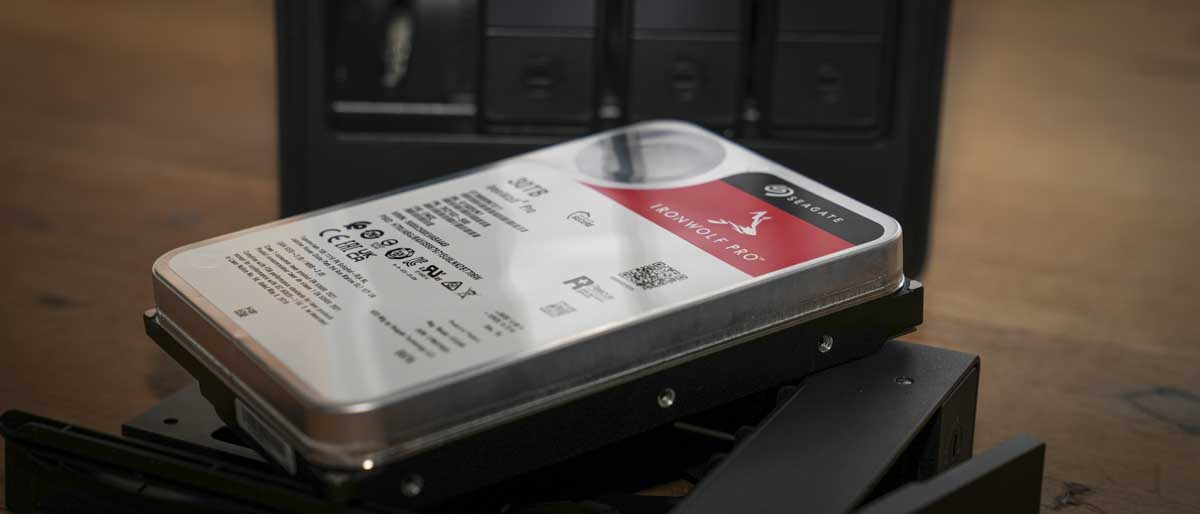
Some storage solutions require you to buy drives separately. Others come with pre-installed drives. Drives vary in type, speed, and capacity. Hard drives (HDDs) are cheaper but slower. Solid-state drives (SSDs) are faster but cost more. Check if your device supports adding more drives over time. This affects long-term value and performance.
Subscription Fees
Certain home storage options have ongoing subscription fees. These pay for cloud access, backup services, or software features. Subscription plans vary in price and included storage space. Some devices offer free basic plans with paid upgrades. Others have no fees at all, relying on local storage only. Factor these costs into your budget for true value.
Limitations And Considerations
Choosing the right home data storage solution requires understanding its limits. Every system has factors that affect performance and reliability. Awareness helps avoid frustration and ensures smooth use.
Consider the impact of your internet setup, power stability, and future storage needs. These key points influence how well your storage works daily.
Network Bandwidth
Network speed controls how fast data moves between devices and storage. Large files need more bandwidth. Slow networks cause delays and buffering.
Wi-Fi connections may not handle heavy data loads well. Wired connections often provide better speed and reliability for storage access.
Power Outages
Power cuts can disrupt access to your stored files. Some devices may lose unsaved data during outages. Frequent outages increase risk of data corruption.
Backup power sources like UPS systems help keep storage running during blackouts. This protects your data and avoids interruptions.
Scalability Issues
Home storage devices have limits on how much data they hold. Most depend on the number and size of installed drives. Expanding storage might mean replacing drives or buying new devices.
Planning storage needs ahead saves money and effort. Choose solutions that allow easy upgrades for growing data demands.
Personal Cloud Benefits
Personal cloud storage offers many advantages for home users. It keeps your files safe and easy to reach. This system stores data on a private device at your home. You control your data without relying on public cloud providers.
Personal clouds combine the privacy of local storage with the convenience of cloud access. They help you manage photos, videos, and documents efficiently. The benefits include secure backup, remote file access, and no ongoing fees.
Remote Access
Access your files from anywhere using the internet. Personal clouds allow you to connect via smartphones, tablets, or computers. No need to carry external drives or USB sticks. You can share files quickly with family or friends. Remote access makes working from home or travel easier and more productive.
Backup Security
Keep your data safe from loss or damage. Personal cloud devices often include automatic backup features. They protect against hardware failure, theft, or accidental deletion. Your files remain on your own device, reducing risk from third-party breaches. Encryption and password protection add extra layers of security.
No Monthly Fees
Save money with one-time purchases instead of subscriptions. Personal clouds do not require monthly or yearly fees. You own the hardware and storage space outright. Avoid paying for extra storage plans or bandwidth overages. This makes personal cloud storage cost-effective over time.

Credit: www.nytimes.com
Frequently Asked Questions
What Is The Most Reliable Nas Storage?
Synology DiskStation ranks as the most reliable NAS storage, offering robust software, RAID support, and extensive customization for data protection.
What Are The Downsides Of Nas?
NAS downsides include limited scalability, reliance on network speed, vulnerability to power outages, and higher initial costs compared to other storage solutions.
Is It Worth Having Home Cloud Storage?
Home cloud storage offers secure, remote access and automatic backups. It suits users wanting control and data protection without ongoing fees.
What Is The Best Home Cloud Storage Device?
The best home cloud storage device depends on needs. Synology DiskStation offers advanced features. WD My Cloud Home suits beginners seeking simplicity. UGREEN NAS balances cost and performance with customizable options and no subscription fees.
Conclusion
Choosing the right home data storage depends on your needs and budget. NAS devices offer control and customization for tech-savvy users. Simple cloud solutions suit beginners who want quick, easy access. Consider storage size, speed, and security before deciding. Reliable backups protect your important files from loss.
Storage technology keeps improving, giving more options every year. Stay informed to pick the best fit for your home. Your data deserves safe, easy access every day.


