Are you ready to strengthen your organization’s emergency response without the stress of starting from scratch? An Emergency Preparedness Tabletop Exercise Template is exactly what you need to guide your team through realistic scenarios and uncover gaps before a real crisis hits.
This easy-to-use tool walks you step-by-step through planning, running, and reviewing a tabletop exercise tailored to your unique risks. By following a proven template, you’ll save time, keep everyone engaged, and boost your confidence in handling emergencies effectively. Keep reading to discover how this template can transform your preparedness efforts and make sure your team is ready when it matters most.
Credit: www.alertmedia.com
Core Components
Core components form the backbone of any effective emergency preparedness tabletop exercise template. They guide the exercise from start to finish, ensuring it runs smoothly and meets its goals. Each part plays a vital role in creating a realistic, engaging, and educational experience for all participants.
These elements work together to simulate real emergencies, test plans, and improve response strategies. Clear structure and preparation help teams identify gaps and build confidence.
Exercise Plan
The exercise plan sets the stage. It explains the purpose and goals of the exercise. It also includes the agenda and ground rules. This plan keeps the session organized and focused. Everyone knows what to expect and how to participate.
Objectives
Objectives define what the exercise aims to achieve. They should be SMART: Specific, Measurable, Achievable, Relevant, and Time-bound. Clear objectives help track progress and success. They ensure the exercise targets key areas of emergency response.
Scenario
The scenario describes a simulated emergency situation. It could be a fire, cyberattack, or natural disaster. This story creates a realistic setting for discussion. It challenges participants to think critically and act quickly.
Participants
Participants are the people involved in the exercise. This group includes staff, emergency responders, and partner agencies. Choosing the right participants ensures all perspectives are covered. It improves communication and coordination during real emergencies.
Materials
Materials support the exercise and help it run smoothly. They include sign-in sheets, facilitator guides, and participant handouts. Feedback forms collect valuable input after the exercise. Proper materials keep everyone informed and engaged throughout the session.
Credit: www.directsupply.com
Facilitator’s Guide
The Facilitator’s Guide is essential for running an effective tabletop exercise. It helps the facilitator lead the session smoothly and keep participants engaged. The guide provides a clear structure and important background information.
This section breaks down the key parts of the Facilitator’s Guide. It explains the background of the exercise, offers discussion questions, and describes how to manage the exercise flow. These elements ensure the session meets its objectives and runs on time.
Background Information
The background information sets the scene for the exercise. It explains the emergency scenario in simple terms. This helps participants understand the context and their roles. The background also includes objectives that the exercise aims to achieve.
Clear background details prevent confusion during the session. It prepares everyone to respond thoughtfully to the situation. The facilitator can refer to this information to clarify points as needed.
Discussion questions guide the conversation throughout the exercise. They prompt participants to think critically about their responses. These questions focus on key issues related to the emergency scenario.
The facilitator uses these questions to keep the discussion focused. They encourage teamwork and problem-solving. Well-crafted questions lead to deeper understanding and better preparedness.
Exercise Flow
The exercise flow outlines the timing and sequence of events. It tells the facilitator when to introduce new information or twists. This keeps the exercise dynamic and realistic.
A clear flow helps maintain energy and focus. It ensures all objectives are covered within the allotted time. The facilitator can manage the session smoothly, avoiding confusion or delays.
Situational Manual
The Situational Manual is a vital part of the Emergency Preparedness Tabletop Exercise Template. It acts as the central guide for the planning team. This manual contains detailed information about the exercise. It helps coordinators run the session smoothly and effectively.
The manual goes beyond the basic participant handouts. It offers a complete exercise timeline and clear objectives. It also provides background details to enrich the scenario’s realism. This depth of information supports better decision-making during the exercise.
Exercise Timeline
The exercise timeline in the Situational Manual shows the full schedule. It lists when each part of the exercise happens. This includes start times, breaks, and key moments to introduce new scenario elements. A clear timeline keeps the exercise on track and organized.
Controllers use this timeline to manage the flow. It ensures discussions and activities happen at the right time. The timeline also helps evaluators observe and assess participant actions accurately.
Scenario Details
Scenario details provide the story and context for the exercise. They describe the emergency situation participants will face. This might include a natural disaster, a cyberattack, or another crisis type. The details explain what has happened and what is unfolding.
These details guide the participants’ responses and decisions. They include key facts, locations, affected populations, and available resources. The scenario must be realistic but manageable for the participants. Good scenario details make the exercise engaging and informative.
Master Scenario Exercise List
The Master Scenario Exercise List (MSEL) is a vital part of an emergency preparedness tabletop exercise template. It provides a clear, step-by-step timeline of events during the exercise. The MSEL guides participants through the scenario in a controlled and organized way. This helps ensure that the exercise meets its objectives effectively. It also allows facilitators to track progress and manage the flow of events smoothly.
Each event in the MSEL is carefully planned and timed. This timeline includes key moments when new information or challenges arise. The list helps participants respond to the simulated emergency realistically. It also ensures that discussions stay focused and productive. The MSEL acts as a backbone for the entire exercise, keeping everyone on the same page.
Event Timeline
The event timeline lays out the sequence of actions and injects throughout the exercise. It defines when each scenario update or problem occurs. This timeline helps participants anticipate and react appropriately. It also allows facilitators to introduce new challenges at the right moment. The timeline keeps the exercise dynamic and engaging. Every minute is planned to maximize learning and preparedness.
Controller Roles
Controllers play a crucial role in managing the exercise. They monitor the timeline and ensure events unfold as planned. Controllers deliver scenario updates to participants at scheduled times. They also handle unexpected questions or issues during the exercise. Their job is to keep the flow smooth and realistic. Controllers ensure the exercise stays on track and meets its goals.
Discussion Questions
Discussion questions form the heart of any Emergency Preparedness Tabletop Exercise. These questions guide participants to think critically about the scenario. They prompt responses that reveal strengths and weaknesses in emergency plans. Well-crafted questions keep the exercise focused and productive. They encourage teamwork and clear communication among participants. The right questions help identify gaps and areas for improvement.
General Questions
General questions set the stage for broad thinking. They ask about the overall readiness of the team and resources. Examples include: What are the primary risks in this scenario? Who leads the response effort? How is communication handled during an emergency? These questions help participants understand the bigger picture and their roles within it.
Specific Functions
Specific function questions focus on individual roles and tasks. They explore how each department or team member contributes to the response. Questions might be: How does the IT team secure data? What steps does security take to protect personnel? How does logistics manage supplies and transportation? These targeted questions ensure every function is prepared and coordinated.
Escalation Paths
Escalation path questions clarify how situations move through the chain of command. They address decision-making and communication under pressure. Sample questions include: When should an incident be escalated to senior management? Who approves additional resource deployment? How is information shared with external agencies? Clear escalation paths prevent confusion and delays during emergencies.

Credit: nap.nationalacademies.org
After-action Review
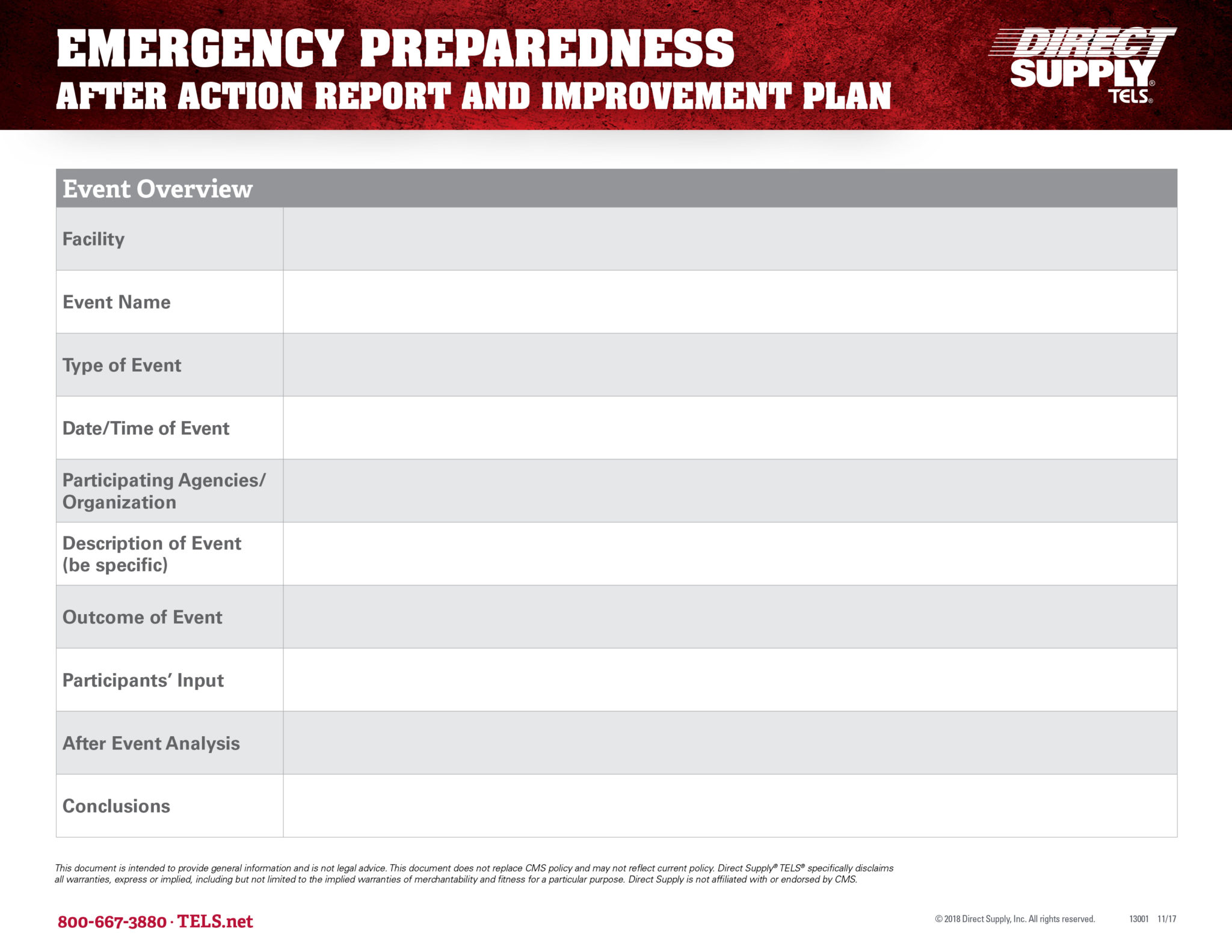
The After-Action Review (AAR) is a vital part of any emergency preparedness tabletop exercise. It happens immediately after the exercise ends. The goal is to discuss what happened, what worked well, and what needs improvement. This review helps teams learn from the exercise and prepare better for real emergencies.
During the AAR, participants share their observations openly. This open dialogue builds trust and improves teamwork. The review focuses on actions taken, decisions made, and communication effectiveness. It is not about blaming but about learning and growing.
Feedback Process
The feedback process gathers input from all participants. Everyone’s voice matters, from leaders to support staff. Feedback is collected through group discussions and written forms. This mix ensures honest and detailed responses.
Facilitators guide the feedback to keep it constructive and focused. They ask questions to clarify points and encourage deeper thinking. The goal is to identify strengths and gaps clearly. Accurate feedback sets the stage for meaningful improvements.
Plan Refinement
Plan refinement uses the feedback to update emergency plans. Teams analyze lessons learned and adjust procedures. This step improves response time and resource use.
Changes may include new communication steps, revised roles, or updated contact lists. The plan becomes more practical and tailored to real challenges. Regular refinement keeps emergency plans current and effective.
Task Ownership And Escalation
Task ownership and escalation are critical in emergency preparedness tabletop exercises. Clear roles and responsibilities help participants act quickly and efficiently. Knowing who handles each task reduces confusion during a crisis. Escalation plans ensure issues move up the chain when needed. This section breaks down task ownership and escalation into key elements for smooth emergency response.
Responsibility Assignment
Assigning responsibility means designating specific tasks to team members. Each person must know their duties before the exercise starts. Clear task ownership avoids delays and overlaps. Use simple charts or lists to show who owns what. This clarity improves accountability and speeds decision-making during emergencies.
Alternate Contacts
Alternate contacts act as backups if primary contacts are unavailable. List these secondary contacts clearly in the exercise template. They ensure no task is left unattended due to absence or communication failures. Alternate contacts keep the response chain intact and reliable at all times.
Escalation Procedures
Escalation procedures guide when and how to raise issues to higher levels. Define clear triggers for escalation, such as unresolved problems or critical incidents. Document steps for notifying supervisors or emergency teams. Following set procedures prevents bottlenecks and ensures timely support. Escalation keeps the response organized and focused on resolving key challenges fast.
Using The Template
Using an Emergency Preparedness Tabletop Exercise Template helps organize your drill clearly. The template guides your team through each step of the exercise. It keeps the process structured and focused. This makes the exercise more effective and easier to manage. Follow the template to ensure all key elements are covered.
Exercise Planning Team
Start by forming an exercise planning team. Choose members from different departments. Include those who handle emergency response and safety. The team shares knowledge and skills. They plan the exercise together. This teamwork ensures a balanced and realistic exercise.
Scenario Selection
Pick a scenario that fits your organization’s risks. The scenario should be relevant and realistic. It could be a fire, flood, or cyberattack. The scenario drives the exercise’s flow. Use the template’s sample scenarios or create your own. A good scenario challenges your team without overwhelming them.
Initial Planning Meeting
Hold an initial planning meeting with the team. Review the template’s guidelines and resources. Discuss the scenario and exercise goals. Assign tasks and set timelines. This meeting sets the foundation for a smooth exercise. It keeps everyone informed and aligned.
Defining Objectives And Roles
Define clear objectives for the exercise. Use the SMART framework: Specific, Measurable, Achievable, Relevant, and Time-bound. Assign roles to each participant based on their skills. Clarify responsibilities before the exercise starts. Clear objectives and roles help measure success and guide discussions.
Frequently Asked Questions
What Is An Emergency Preparedness Tabletop Exercise Template?
An emergency preparedness tabletop exercise template is a structured plan. It includes scenarios, objectives, materials, and discussion questions. It helps organizations simulate and improve responses to emergencies effectively.
Why Use A Tabletop Exercise Template For Emergency Drills?
Templates provide a clear framework and ensure consistency. They guide facilitators through scenarios and discussions. This improves preparedness and helps identify plan weaknesses before real emergencies.
What Are The Core Components Of A Tabletop Exercise?
Key components include an exercise plan, scenario narrative, participant roles, materials, and facilitator guide. These elements ensure the exercise is organized, focused, and realistic for all involved.
How Do Discussion Questions Enhance Tabletop Exercises?
Discussion questions prompt critical thinking and group interaction. They cover crisis management, IT, HR, and escalation paths. This helps participants explore decision-making and communication under pressure.
Conclusion
Using an emergency preparedness tabletop exercise template helps teams practice responses clearly. It creates a safe space to explore possible emergencies and improve plans. The template guides organizers step-by-step, making exercises easier to run. Participants discuss scenarios, share ideas, and build stronger teamwork.
Regular practice keeps everyone ready for real situations. Simple, well-planned exercises can save time and lives during crises. Start using a template today to boost your emergency readiness.