
Imagine a sudden emergency striking your home or neighborhood—how prepared would you be? Having a solid Family Emergency Preparedness Plan isn’t just a smart idea; it’s essential for protecting your loved ones when every second counts.
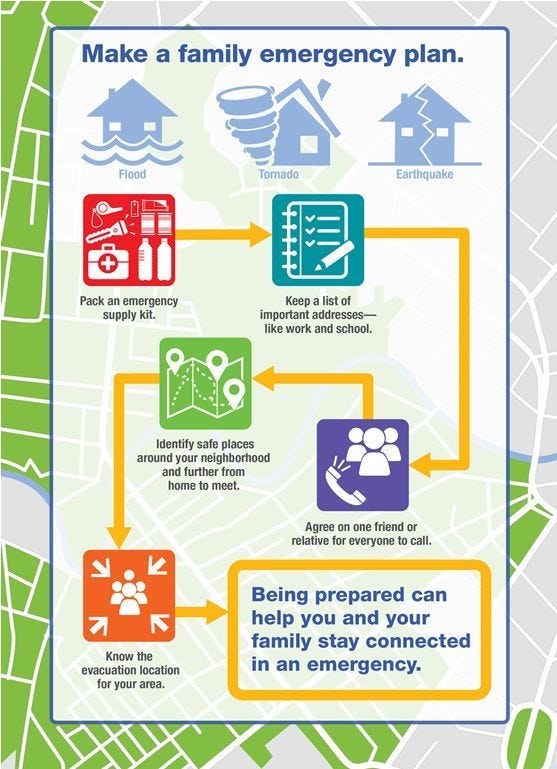
This plan is your family’s safety net, guiding you through unexpected events with clear steps and trusted routines. You’ll discover exactly what your plan needs—from communication strategies and meeting spots to evacuation routes and essential supplies. You’ll also learn how to tailor it for everyone in your family, including pets, so no one is left behind.
Keep reading to ensure you’re ready to face any emergency with confidence and calm.
Credit: www.pphd.org
Communication Plan
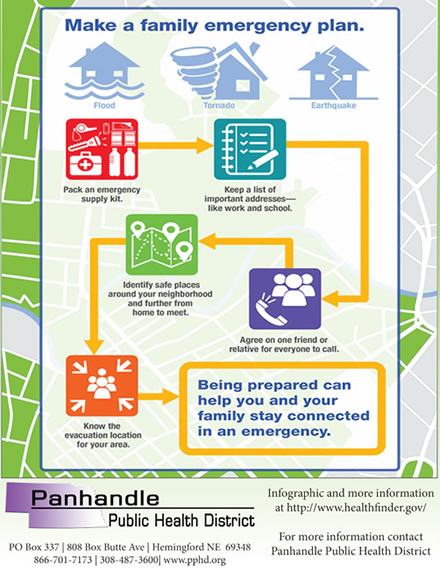
A strong communication plan is vital in a family emergency preparedness plan. It ensures everyone stays connected and informed during crises. Clear communication helps reduce panic and confusion. Each family member must know how to reach others quickly. This plan covers key contacts and methods to maintain contact.
Out-of-town Contacts
Select a trusted person living outside your local area. This contact acts as a central point for information. Local phone lines may be busy or down during emergencies. An out-of-town contact can relay messages between family members. Everyone should save this person’s phone number on their phones.
Emergency Phone Lists
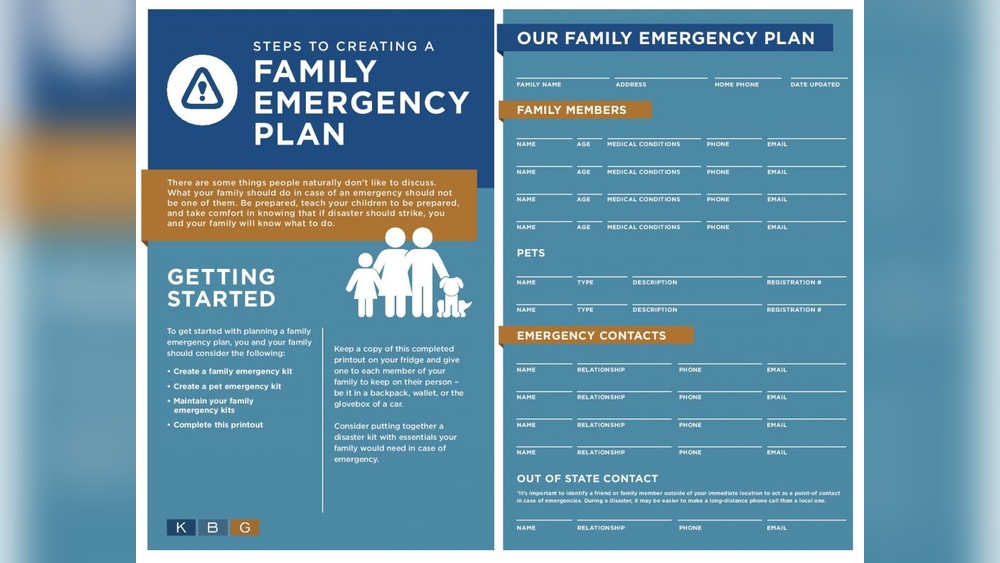
Prepare a list of important phone numbers. Include family members, neighbors, doctors, schools, and emergency services. Keep printed copies in multiple locations at home. Also, store these numbers in your mobile phone. Regularly update the list to ensure accuracy. Quick access to these numbers saves valuable time.
Using Ice Contacts
ICE stands for “In Case of Emergency.” Add emergency contacts under ICE in your phone. First responders check ICE contacts to notify family members. Include multiple contacts with names and phone numbers. Make sure all family members set ICE contacts on their devices. This simple step improves emergency response effectiveness.
Credit: medium.com
Meeting Places
Choosing the right meeting places is essential for family emergency preparedness. These spots provide safe locations for everyone to gather if separated during an emergency. Having clear meeting places reduces confusion and helps reunite family members quickly. Plan at least two meeting spots: one close to home and another farther away. This helps in different emergency scenarios.
Home Vicinity Spot
The home vicinity spot is a safe place near your house. It should be easy to reach on foot and away from danger. Examples include a mailbox, a neighbor’s porch, or a large tree. Pick a spot visible to all family members. This spot acts as the first gathering point after an emergency. Everyone should know the exact location and how to get there safely.
Neighborhood Location
The neighborhood location is a meeting place outside your immediate home area. Choose a public place like a park, community center, or library. This spot is for situations where returning home is unsafe. It should be easy to find and accessible by all family members. Make sure everyone knows the route to this spot. This meeting place keeps the family together if the home vicinity spot is not safe or accessible.
Evacuation Routes
Knowing your evacuation routes is vital for family safety during emergencies. Clear routes help everyone leave quickly and calmly. Planning these paths ahead prevents confusion and delays. Each family member should understand the routes well.
Evacuation routes should be practical and easy to follow. Mark them clearly at home and discuss them often. Check routes for obstacles and changes regularly. Prepare for different types of emergencies, like fires or floods.
Multiple Exits
Identify more than one exit from every room in your house. This gives options if one path is blocked. Include doors, windows, and even alternative ways out. Practice using all exits with your family. Knowing multiple exits increases safety during sudden evacuations.
Safe Destination Options
Choose safe places to meet after evacuation. Pick locations near your home and farther away. These spots should be easy to reach and safe from hazards. Share these destinations with all family members. Having several options helps if one area is unsafe or crowded.
Emergency Contacts
Emergency contacts are vital in any family emergency preparedness plan. They ensure quick communication and help during a crisis. Keep a list of important phone numbers accessible to all family members. This list should include close family, neighbors, schools, and doctors. Having these contacts ready can save time and reduce panic in stressful moments.
Family And Neighbors
Start with immediate family members. Include phone numbers for parents, siblings, and relatives. Add neighbors who can assist in emergencies. Neighbors often provide immediate help if you cannot reach family. Share your emergency plan with trusted neighbors. They can watch your home or check on family members if needed.
Schools And Doctors
List phone numbers for your children’s schools. Include the main office, nurse, and after-school programs. Schools will need to contact you during emergencies. Keep contact info for your family doctor and local clinics. Include emergency room numbers and specialists if needed. Medical contacts help in case of injuries or health issues during a disaster.
Disaster Supply Kit
A disaster supply kit is essential for every family emergency plan. It ensures your family has basic needs covered during a crisis. Being prepared means having the right items ready to use. This kit can make a big difference in safety and comfort. Each item serves a specific purpose to help you manage through tough times.
Water And Food Storage
Store at least one gallon of water per person daily. Keep enough for three days or more. Choose non-perishable foods that do not require refrigeration. Canned goods, dry mixes, and ready-to-eat meals work well. Include a manual can opener for easy access. Rotate supplies regularly to keep food fresh.
First Aid And Medications
Include a complete first-aid kit with bandages, antiseptics, and gloves. Add any prescription medicines for each family member. Keep at least a seven-day supply of medications. Check expiration dates and replace items as needed. Learn basic first aid skills to use the kit effectively.
Important Documents
Store copies of vital documents in a waterproof container. Include IDs, insurance papers, and medical records. Keep a list of emergency contacts and important phone numbers. Consider digital backups saved securely online. Having these documents ready saves time during emergencies.
Tools And Supplies
Pack a flashlight and extra batteries in your kit. Include a battery-powered or hand-crank radio for updates. A whistle can help signal for help if needed. Carry extra cash in small bills. Add multi-purpose tools like a wrench or pliers to turn off utilities.
Personal Care Items
Include hygiene products such as moist towelettes and garbage bags. Pack items for infants like diapers and formula. Don’t forget pet supplies if you have animals. Prepare for people with disabilities by adding special items. Basic personal care boosts comfort and health during emergencies.

Credit: www.usgs.gov
Skills And Training
Preparing for emergencies involves more than planning. Skills and training build confidence and readiness. Every family member benefits from knowing practical actions. These skills can save lives and reduce panic. Focus on basic first aid, CPR, and utility shut-offs to handle common crises.
First Aid And Cpr
Knowing first aid helps treat injuries immediately. CPR training can save someone’s life during heart emergencies. Learn how to stop bleeding, treat burns, and handle choking. Practice these skills regularly to stay sharp. Many local organizations offer simple, affordable classes. Keep a first aid kit accessible at home and in your car.
Utility Shut-offs
In emergencies, shutting off utilities prevents further damage. Know how to turn off water, gas, and electricity safely. Locate main shut-off valves and switches in your home. Teach every adult family member the steps clearly. Use a wrench or special tool for gas valves. Practice this skill to avoid confusion during real events.
Practice Drills
Maintaining your family emergency supplies ensures readiness during a crisis. Supplies can expire or become unusable over time. Regular checks keep your emergency kit reliable and safe. Proper maintenance saves your family from surprises in an emergency.
Food And Water Rotation
Rotate food and water supplies every six months. Use older items first and replace with fresh ones. Check expiration dates on canned and packaged foods. Store water in sealed containers and replace it regularly. Keep a list of replacement dates to stay organized.
Choose non-perishable foods that are easy to prepare. Include items that everyone in your family can eat. This practice prevents waste and keeps your supplies fresh.
Equipment Testing
Test emergency equipment like flashlights and radios monthly. Replace batteries as needed to avoid failure during use. Check first aid kits for expired medicines or missing items. Verify that tools such as fire extinguishers are in good condition. Regular testing ensures everything works when needed most.
Record the dates of tests and replacements. This habit helps maintain a functional and complete emergency kit for your family.
Frequently Asked Questions
What Should A Family Emergency Plan Include?
A family emergency plan includes a communication method, meeting places, evacuation routes, emergency contacts, and a disaster supply kit. Practice regularly and accommodate all family members’ needs, including pets and those with disabilities.
What Are The 5 P’s Of Preparedness?
The 5 P’s of preparedness are: Proper Planning Prevents Poor Performance. They emphasize planning, preparation, practice, protection, and persistence.
What To Stockpile For 72 Hours?
Stockpile one gallon of water per person daily, non-perishable food, first aid kit, medications, flashlight, batteries, radio, whistle, cash, hygiene items, important documents, and supplies for infants, pets, and disabilities. Rotate and check supplies regularly.
What Should Be In A Family Emergency Kit?
A family emergency kit should include water, non-perishable food, first aid supplies, medications, important documents, flashlight, batteries, radio, hygiene items, cash, and essentials for infants, pets, and disabled members. Update and check supplies regularly to ensure readiness.
Conclusion
A family emergency plan keeps everyone safe and ready. Know where to meet and how to communicate. Keep important supplies and documents handy. Practice the plan often to build confidence. Update your plan when things change at home. Small steps today can protect your family tomorrow.
Stay calm, prepared, and connected during any emergency.