When disaster strikes, are you truly ready to protect yourself and your loved ones? Emergency preparedness isn’t just about having supplies—it’s about having a plan that works.
FEMA, the Federal Emergency Management Agency, offers essential tools and guidelines to help you build that plan. Whether you live in Austin, Texas, or anywhere else in the United States, understanding FEMA’s approach to emergency preparedness can make all the difference.
You’ll discover simple yet powerful steps to get prepared, stay safe, and recover faster when the unexpected happens. Don’t wait for disaster to catch you off guard—take control of your safety starting now.
Fema’s Role In Disaster Safety
FEMA plays a vital role in disaster safety across the United States. It leads efforts to prepare communities for emergencies. FEMA works closely with local, state, and federal partners to reduce risks. Its goal is to protect lives and property through planning, response, and recovery.
Mission Areas And Strategies
FEMA’s work focuses on five mission areas: prevention, protection, mitigation, response, and recovery. Each area targets specific goals to enhance safety. Prevention stops threats before they happen. Protection defends people and resources. Mitigation reduces disaster impacts. Response manages immediate actions during emergencies. Recovery restores communities after a disaster.
FEMA uses clear strategies to coordinate efforts. They promote collaboration among agencies and communities. Planning and resources align with these mission areas. This structure helps improve disaster readiness nationwide.
National Response Framework
The National Response Framework guides how the nation responds to disasters. FEMA leads this framework to ensure a unified approach. It outlines roles and responsibilities for all responders. The framework helps agencies work together effectively. It supports quick and organized disaster response.
This plan ensures resources reach the right places fast. It focuses on saving lives and reducing harm. The framework adapts to different types of emergencies. It strengthens the overall disaster response system.
Training And Education Programs
FEMA offers training and education to prepare emergency managers and responders. These programs build skills needed for disaster safety. Courses cover planning, response, recovery, and mitigation techniques. Training is available online and in person.
FEMA also educates the public on how to prepare for disasters. Awareness campaigns promote personal and community readiness. These efforts help people act confidently during emergencies. Training and education are key parts of FEMA’s mission to save lives.
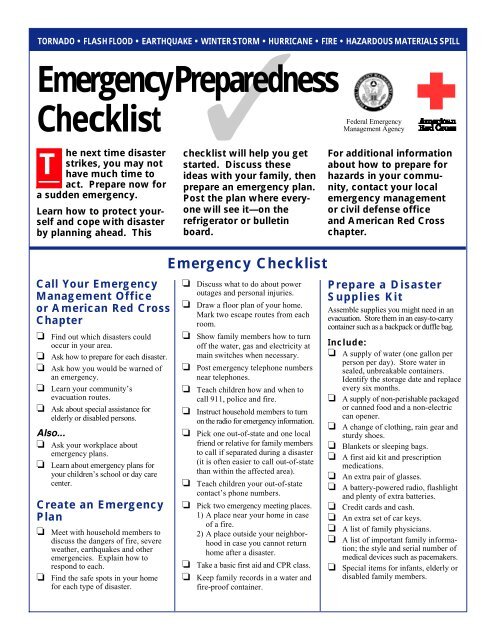
Credit: www.yumpu.com
Building A Personal Emergency Plan
Building a personal emergency plan is a key step in staying safe during disasters. It helps you prepare for unexpected events and know what to do. A clear plan reduces panic and confusion. It also ensures your family stays connected and safe.
Assessing Risks In Your Area
Start by learning what dangers exist near you. Floods, fires, earthquakes, or storms can all affect your safety. Check local news or government websites for hazard information. Knowing the risks helps you plan better and be ready for specific emergencies.
Creating Communication Strategies
Decide how your family will stay in touch during a crisis. Choose a primary and backup method like phone calls or text messages. Pick an out-of-town contact everyone can call. This helps connect family members even if local networks are down.
Evacuation Routes And Safe Locations
Identify the safest places to go if you must leave your home. Find multiple routes in case some roads are blocked. Mark shelters or friends’ houses nearby. Practice these routes with your family so everyone knows where to go quickly.
Essential Emergency Kits
Essential emergency kits are vital for safety during disasters. Having a ready kit can save lives and reduce stress. Kits provide basic needs when help might be delayed. Preparing a kit takes time but is worth the effort.
Emergency kits should cover food, water, and medical supplies. They help you stay safe and comfortable in uncertain times. Every household needs a kit tailored to its members’ needs.
Basic Supplies To Include
- Water – one gallon per person per day for at least three days
- Non-perishable food – enough for three days
- Battery-powered or hand-crank radio
- Flashlight with extra batteries
- First aid kit with essential medicines
- Whistle to signal for help
- Personal hygiene items like soap and sanitizer
- Copies of important documents in a waterproof bag
- Cash in small bills
- Multi-purpose tool or knife
- Blanket or sleeping bag
Special Needs And Pet Considerations
Include items for infants, elderly, or disabled family members. Pack extra prescription medicines and medical supplies. Consider dietary needs and comfort items.
Pets need food, water, leashes, and carriers. Also include vaccination records and medications for your animals. Preparing for pets keeps them safe and calm during emergencies.
Maintaining And Updating Your Kit
Check your kit every six months to replace expired items. Rotate food and water supplies to keep them fresh. Update medicines and important documents regularly.
Adjust your kit as family needs change. Keep it in an easy-to-reach place for quick access. A well-maintained kit ensures readiness when disaster strikes.
Using Technology For Preparedness
Technology plays a crucial role in emergency preparedness today. It helps people stay informed and ready for disasters. FEMA uses technology to provide tools and information that improve safety. Using apps, alert systems, and online resources, individuals can prepare better for emergencies. Understanding these tools increases your chance of staying safe during a crisis.
Fema App Features
The FEMA app offers easy access to emergency information. It provides weather alerts and disaster safety tips. Users can locate shelters and find assistance quickly. The app also shows real-time updates during emergencies. It helps families plan and prepare with checklists. Downloading the app keeps important information in one place.
Alert Systems And Notifications
Alert systems warn people about dangers in their area. FEMA works with local agencies to send these alerts. Notifications include severe weather, floods, and other hazards. They arrive on phones, radios, and TVs. Quick alerts give people time to act safely. Staying connected to alert systems can save lives.
Online Resources And Toolkits
FEMA offers free online resources for emergency planning. Toolkits guide users on how to build emergency kits. They provide checklists for home and work preparedness. Educational materials teach how to respond in disasters. These resources are easy to download and use. Preparing with these tools helps reduce risk and damage.
Community Preparedness And Support
Community preparedness and support play a vital role in reducing risks during emergencies. Strong communities can respond faster and recover better. FEMA encourages local groups to work together. Understanding local resources and building connections helps save lives. This section highlights key ways communities can prepare and support each other.
Local Emergency Assistance Programs
Many cities have local emergency assistance programs. These programs offer help during disasters like floods or storms. Services may include food distribution, shelter, and medical aid. Knowing about these programs before an emergency is crucial. They provide a safety net for vulnerable residents. Check with local agencies to learn what is available in your area.
Volunteering And Training Opportunities
Volunteering strengthens community resilience. FEMA supports training for volunteers to assist in emergencies. Courses teach first aid, disaster response, and communication skills. Volunteers become trusted helpers in crises. Training builds confidence and readiness. Join local groups or sign up for FEMA training to get involved.
Collaborating With Local Authorities
Working closely with local authorities improves emergency outcomes. Police, fire departments, and emergency managers coordinate disaster efforts. Communities that maintain open communication with officials respond more efficiently. Share information and follow guidance during emergencies. Local leaders value community input and support.
Credit: elginil.gov
Financial Preparedness For Disasters
Financial preparedness plays a crucial role in disaster readiness. Disasters often bring unexpected costs that can strain personal budgets. Planning ahead helps reduce stress and speeds recovery. Knowing how to access aid, manage expenses, and prepare insurance can protect your finances.
Accessing Fema Assistance Programs
FEMA offers various programs to help people recover financially after disasters. These include grants for temporary housing, repairs, and other essential needs. Applying quickly can ensure faster support. Keep important documents ready, like IDs and proof of residence. Use FEMA’s online resources or call their helpline for guidance.
Insurance And Recovery Planning
Insurance is vital for financial recovery after disasters. Homeowners and renters should review their policies regularly. Understand what damages are covered and what is excluded. Consider flood or earthquake insurance if you live in high-risk areas. Create a recovery plan that includes insurance claims and repair steps. This plan helps you act fast and avoid delays.
Managing Disaster-related Expenses
Disasters bring many unexpected expenses. Keep an emergency fund to cover immediate costs like food, shelter, and repairs. Track all disaster-related expenses for insurance claims and tax deductions. Look for local charities and community groups offering financial help. Prioritize spending on safety and essential needs first. Careful money management supports quicker recovery.
Specialized Disaster Scenarios
Specialized disaster scenarios require unique preparation steps beyond general emergency planning. FEMA emphasizes understanding these specific threats to improve safety and response. Each disaster type calls for tailored actions and knowledge. Being aware of these scenarios helps communities and individuals react quickly and effectively.
Radiological Emergency Preparedness
Radiological emergencies involve exposure to harmful radiation. These events may occur near nuclear plants or during accidents involving radioactive materials. FEMA advises staying indoors and sealing windows to reduce exposure. It is important to listen to official updates via radio or emergency alerts. Having potassium iodide tablets can protect the thyroid from radiation damage. Avoid consuming contaminated food or water until authorities confirm safety.
Natural Disasters Specific Tips
Natural disasters include hurricanes, earthquakes, floods, and wildfires. Each requires different preparation steps. For hurricanes, secure loose objects and have an evacuation plan ready. Earthquake preparedness means securing furniture and knowing safe spots indoors. Flood safety includes moving valuables to higher ground and avoiding floodwaters. During wildfires, create a defensible space around your home and prepare a go-bag. Always keep emergency supplies and important documents accessible.
Urban Search And Rescue Awareness
Urban search and rescue teams save lives after building collapses or disasters. Knowing their role helps individuals assist or stay safe. Avoid entering unsafe structures and report trapped victims to rescuers. Follow instructions from emergency personnel during a rescue operation. Training in basic first aid and rescue signals can be valuable. Stay calm and provide clear information to responders if you witness a disaster scene.

Credit: www.researchgate.net
Frequently Asked Questions
What Is Fema’s Role In Emergency Preparedness?
FEMA coordinates federal disaster response and recovery efforts. It supports states and communities in planning, training, and resource management for emergencies.
How Can I Create A Fema Emergency Kit?
A FEMA emergency kit includes water, food, flashlight, batteries, first aid, and important documents. Prepare for at least three days without help.
What Training Does Fema Offer For Disaster Response?
FEMA provides training for first responders, emergency managers, and the public. Courses cover planning, mitigation, response, and recovery skills.
How Does Fema Assist Individuals After Disasters?
FEMA offers financial aid and direct services to disaster-affected individuals. Assistance helps with housing, repairs, and essential needs.
Conclusion
Being ready for emergencies saves lives and reduces damage. FEMA offers valuable tools and guidance to help you prepare. Start by making a simple plan and gathering essential supplies. Practice your plan regularly to stay confident and calm. Share your knowledge with family and neighbors.
Staying informed about local risks helps you act fast. Emergency preparedness is a shared responsibility for safer communities. Take small steps today for a stronger tomorrow.