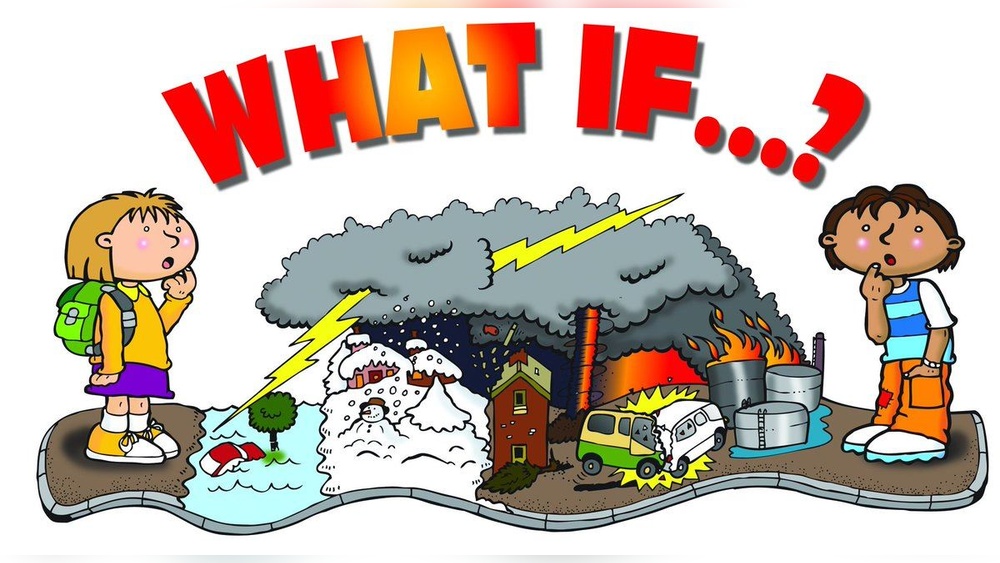

When it comes to staying safe during unexpected emergencies, having clear and simple visuals can make all the difference. That’s where emergency preparedness clipart comes in.
Whether you’re creating safety guides, planning drills, or educating your family or community, the right clipart helps you communicate important steps quickly and effectively. Imagine being able to grab your audience’s attention instantly with easy-to-understand images that highlight what they need to do when every second counts.
You’ll discover how using emergency preparedness clipart can boost your readiness efforts and make safety information stick. Ready to make your emergency plans clearer and more engaging? Keep reading to find out how to choose and use the best clipart for your needs.

Credit: www.champaignhd.com
Importance Of Clipart In Safety Plans
Emergency preparedness plans must be clear and easy to understand. Clipart plays a vital role in these plans. It helps communicate important safety messages quickly. Using clipart makes safety plans more accessible to everyone. Visual aids can cross language barriers and reduce confusion during emergencies.
Simple images guide people to act correctly when time is critical. Emergency preparedness clipart supports clear instructions. It highlights key steps and safety measures effectively. This visual support can save lives and reduce panic.
Visual Communication Benefits
Clipart shows information faster than words alone. People notice images immediately. Visuals break down complex instructions into simple ideas. This helps people grasp safety rules instantly. Clipart also attracts attention in emergency guides and posters. It makes safety plans less intimidating and easier to follow.
Icons and symbols used in clipart become familiar quickly. This helps people recognize hazards and safety tools. Emergency signs with clipart improve understanding for all ages. Visual communication reduces mistakes during urgent moments.
Enhancing Awareness And Recall
Clipart improves memory of safety instructions. Visuals stick in the mind longer than text. People remember images during stressful situations. This recall helps them act calmly and correctly. Using clipart in drills and training builds strong awareness.
Repeated exposure to clipart reinforces safety habits. It creates a mental map of emergency actions. This awareness boosts confidence and preparedness in real events. Clear visuals help everyone respond without hesitation.
Types Of Emergency Preparedness Clipart
Emergency preparedness clipart comes in many types. Each type serves a unique purpose. These clipart images help people understand safety steps quickly. They are useful in guides, presentations, and posters. Clear visuals make emergency information easier to follow.
Natural Disaster Icons
Natural disaster icons show events like floods, earthquakes, and storms. These images warn about hazards that need urgent attention. Simple symbols like a tornado or a tsunami wave catch the eye. They help people prepare for specific threats in their area. These icons also guide evacuation routes and safe zones.
Medical Emergency Symbols
Medical emergency symbols represent health crises like heart attacks or injuries. Common symbols include a red cross or ambulance. These images direct people to medical help or supplies quickly. They also mark locations of emergency rooms and first aid kits. Clear medical symbols reduce confusion in urgent situations.
Evacuation And Shelter Graphics
Evacuation and shelter graphics show escape routes and safe places. Arrows, exit signs, and shelter icons guide people to safety. These images are vital during fires, storms, or other emergencies. They simplify complex information into easy steps. This helps everyone act fast and stay safe.
First Aid And Cpr Illustrations
First aid and CPR illustrations teach lifesaving actions. Images show how to perform CPR or treat wounds. These visuals support training materials and quick guides. They boost confidence in emergency responders and bystanders. Clear illustrations improve chances of saving lives.
Where To Find Quality Clipart
Finding high-quality emergency preparedness clipart is essential for clear and effective communication. Good clipart helps convey important safety messages quickly. It supports awareness and education efforts in communities and schools. This section guides you through reliable sources to get quality clipart for your projects.
Stock Image Websites
Stock image websites offer a wide range of clipart options. Sites like iStock and Dreamstime provide professional emergency preparedness images. These platforms often have categories dedicated to safety and disasters. You can purchase or subscribe to access high-resolution clipart. They ensure clear visuals that work well for presentations and flyers.
Government And Educational Resources
Many government agencies share free clipart for public use. The Federal Emergency Management Agency (FEMA) and the American Red Cross offer downloadable images. Educational institutions also provide useful graphics for teaching safety. These sources ensure accuracy and trustworthiness. Their clipart often follows official guidelines and standards.
Custom And Ai-generated Options
Custom clipart lets you create images tailored to your needs. Graphic designers can help produce unique emergency preparedness visuals. AI tools also generate clipart quickly and at low cost. These options offer flexibility in style and content. They are ideal for specific messages or branding purposes.
Incorporating Clipart Into Safety Materials
Using emergency preparedness clipart in safety materials makes information easier to understand. Visuals catch attention and help readers grasp key points fast. Simple images can explain complex instructions clearly. They reduce confusion during stressful moments and improve overall readiness.
Clipart enhances the look of emergency documents. It breaks up text and highlights important sections. Well-chosen icons and illustrations guide users through plans and checklists. This makes safety materials more user-friendly and effective.
Emergency Plans And Checklists
Clipart can mark different sections in emergency plans. Icons for fire, flood, or first aid help identify risks quickly. Checklists with small images next to each step remind users what to do. Visual cues speed up recognition and action during emergencies.
Using clipart also helps non-native speakers understand instructions better. Pictures cross language barriers and support quick comprehension. This improves safety for everyone in a community or workplace.
Training And Educational Tools
Training materials benefit from clipart by making lessons more engaging. Illustrations show correct safety behaviors or equipment use. Trainees remember pictures easier than words alone. Clipart supports step-by-step guides and quizzes effectively.
Using images in presentations or handouts keeps learners focused. It breaks monotony and explains ideas simply. This leads to better retention of important emergency procedures.
Digital And Print Formats
Clipart works well in both digital and printed safety materials. On websites or apps, it enhances navigation and user experience. Printed posters or flyers with clipart attract attention and convey messages clearly.
Images maintain quality across formats and devices. This ensures consistent communication of safety information everywhere. Easy-to-use clipart libraries help create professional materials quickly and affordably.
Design Tips For Effective Clipart Use
Effective use of emergency preparedness clipart can enhance communication and understanding during critical times. Design plays a key role in making these visuals clear and useful. Simple, consistent, and accessible clipart helps people quickly grasp important safety messages. Below are essential design tips to guide you in using emergency preparedness clipart effectively.
Maintaining Clarity And Simplicity
Clipart should be easy to understand at a glance. Avoid overly detailed images that confuse viewers. Use bold lines and simple shapes to highlight key elements. Clear visuals help people react faster during emergencies. Keep the focus on essential icons and symbols only.
Consistent Style And Color Coding
Use a uniform style across all clipart to create cohesion. Matching colors support quick recognition of different emergency types. For example, red often signals fire or danger, while blue may indicate medical help. Consistent colors and styles reduce confusion and improve message retention.
Accessibility Considerations
Design clipart that everyone can understand, including people with disabilities. Use high contrast colors to aid visibility. Include alternative text descriptions for screen readers. Avoid relying on color alone to convey meaning. Accessible designs ensure no one misses critical information.
Credit: elm.umaryland.edu
Role Of Clipart In Community Preparedness
Clipart plays a key role in building community readiness for emergencies. It helps communicate safety messages clearly and quickly. Visual aids like clipart make complex information easier to understand. They support education efforts and motivate people to prepare for disasters.
Using clipart in emergency preparedness materials improves message reach. Communities can share important tips in a friendly and approachable way. Clipart also helps break down language and literacy barriers. These images make safety guidance accessible to all community members.
Supporting Public Awareness Campaigns
Clipart strengthens public awareness campaigns by catching people’s attention. Simple images highlight key safety steps and emergency actions. They help posters, flyers, and social media posts stand out. Communities use clipart to spread vital information during National Preparedness Month and other events. Visual content makes messages memorable and easy to recall in times of crisis.
Engaging Diverse Audiences
Clipart connects with people of different ages and backgrounds. It uses universal symbols that everyone can understand. This inclusivity ensures no one misses important safety instructions. Schools, local governments, and nonprofits use clipart to reach children, seniors, and non-English speakers. Clear visuals help all community members prepare together.
Encouraging Family And Pet Safety
Clipart highlights the importance of protecting families and pets. Images show families practicing evacuation drills and packing emergency kits. Pets are included with visuals of leashes, carriers, and water bowls. These reminders encourage households to plan for every member’s safety. Visual prompts motivate families to take action before emergencies occur.
Legal And Ethical Aspects
Using emergency preparedness clipart involves important legal and ethical considerations. Understanding these aspects helps avoid problems and shows respect for creators. It also ensures that the images used are trustworthy and suitable for serious topics like emergencies.
Choosing the right images supports clear communication and builds trust with your audience. This section covers key points about copyright, licensing, and the importance of credible visuals.
Copyright And Licensing
Copyright protects the original work of artists and designers. Using clipart without permission can cause legal trouble. Always check if the clipart is free or requires a license. Licensed images allow you to use them legally. Some licenses limit how you can use the clipart, like for personal or commercial projects. Respecting these rules prevents copyright infringement and fines. When in doubt, purchase clipart from reliable sources or use public domain images.
Using Credible And Accurate Images
Emergency preparedness is a serious subject. Images must be clear and truthful to avoid confusion. Using inaccurate or misleading clipart can harm your message. Choose visuals that represent real emergency situations and equipment correctly. Credible images help educate people better and promote safety. Avoid clipart that looks cartoonish or unrealistic for serious content. Verifying the source of clipart ensures it is reliable and fits the topic.
Credit: fordcountyphd.org
Frequently Asked Questions
What Are The 5 P’s Of Preparedness?
The 5 P’s of preparedness are People, Papers, Prescriptions, Pictures, and Plastic. These ensure safety and essential items during emergencies.
What Are The 3 C’s Of Emergency Response?
The 3 C’s of emergency response are Check, Call, and Care. Check the scene and victim. Call emergency services. Care by providing first aid until help arrives.
What Are The 6 Pillars Of Preparedness?
The 6 pillars of preparedness are: People and pets, Papers, Prescriptions, Pictures, Personal computer, and Plastic.
What Are The 5 Phases Of Emergency Preparedness?
The 5 phases of emergency preparedness are: mitigation, preparedness, response, recovery, and prevention. Each phase helps reduce risk and improve safety.
Conclusion
Emergency preparedness clipart helps communicate safety messages clearly and quickly. Using simple images makes plans easier to understand for everyone. These visuals support teaching families and communities how to stay safe. Keep clipart handy for presentations, guides, or emergency kits.
Clear pictures reduce confusion during stressful situations. Start using emergency preparedness clipart to improve awareness today. Safety starts with good communication and easy-to-follow steps.