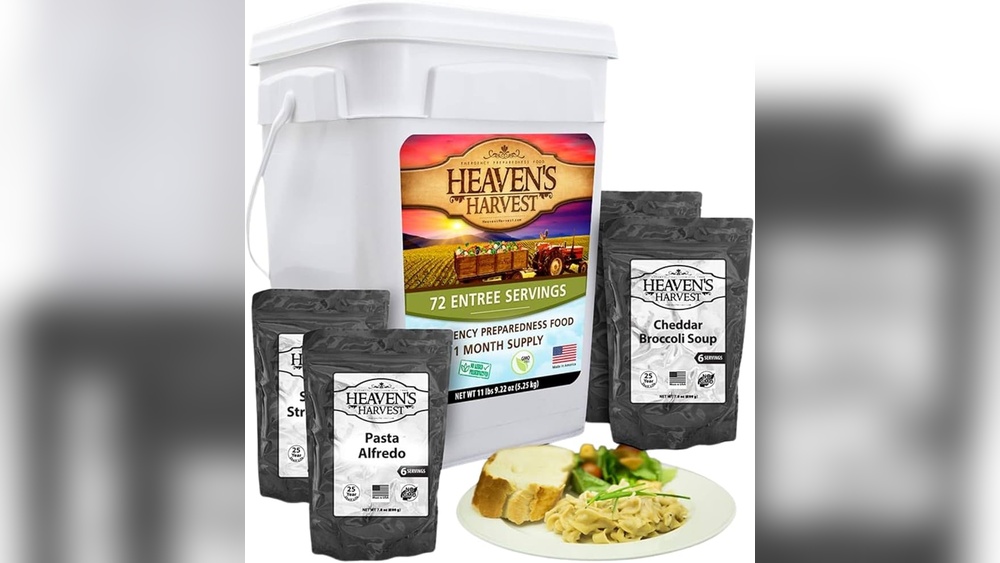

When disaster strikes, the last thing you want to worry about is what to eat. That’s why having emergency preparedness meals ready can make all the difference for you and your loved ones.
Imagine having simple, shelf-stable foods that not only keep you full but also give you peace of mind during unexpected situations. Whether it’s a power outage, severe weather, or any crisis, your choice of emergency meals could be the key to staying strong and healthy.
You’ll discover easy-to-store, nutritious options and smart tips to build your emergency food supply without breaking the bank. Keep reading to make sure your meal plan is ready when you need it most.
Credit: www.knorr.com
Choosing Shelf-stable Foods
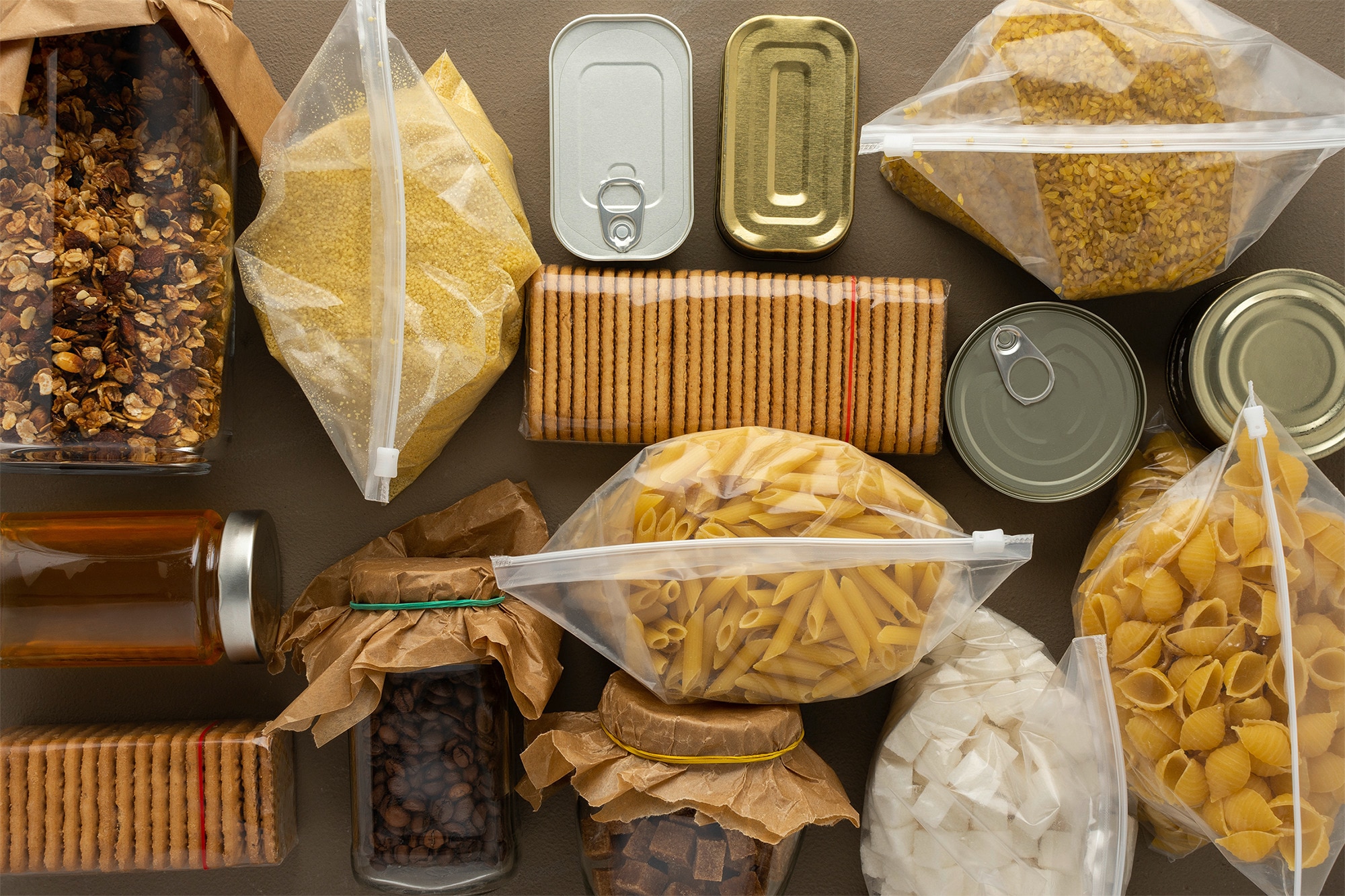
Choosing shelf-stable foods is a key step in emergency preparedness meals. These foods last long without refrigeration. They save space and reduce waste. You can store them easily for months or years. Focus on foods that provide good nutrition and energy. Variety keeps meals interesting and balanced. Below are some main types of shelf-stable foods to consider.
Canned And Freeze-dried Options
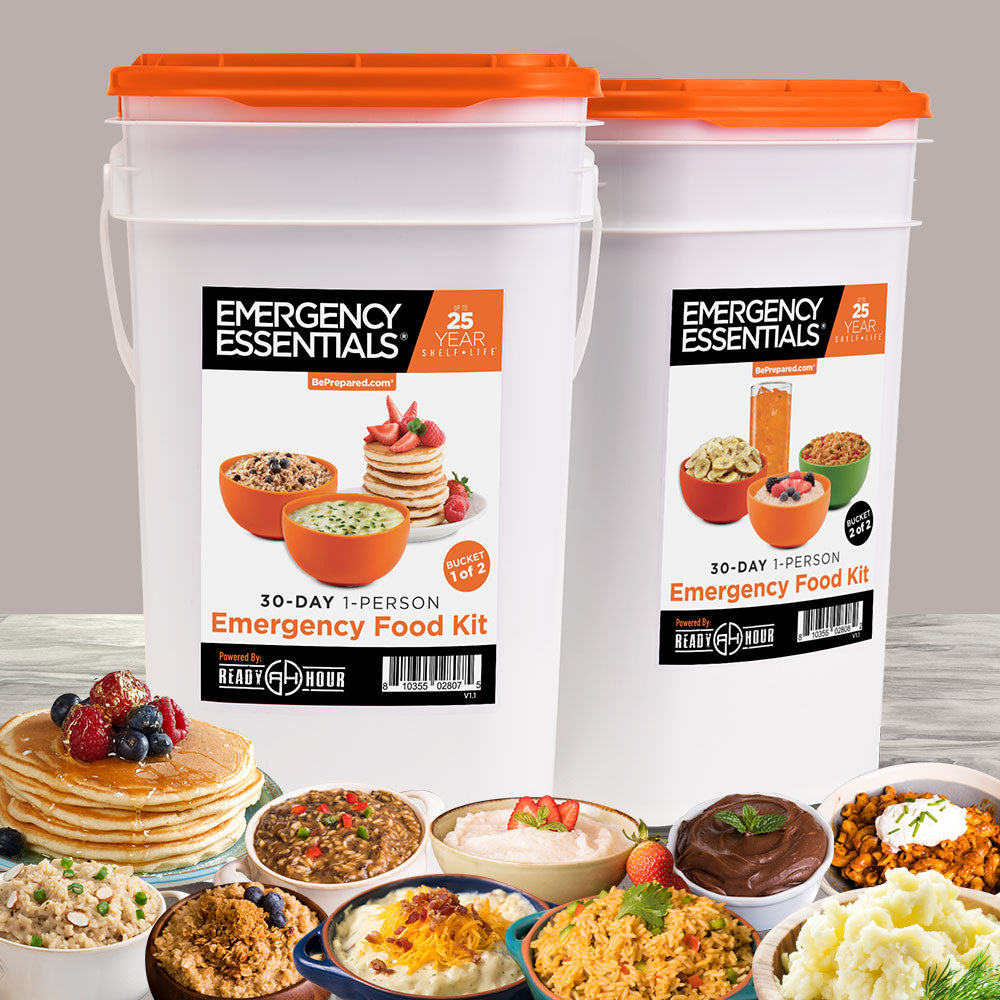
Canned foods are a classic choice for emergencies. They protect food from spoilage and keep nutrients intact. Options include vegetables, fruits, beans, and meats. Canned soups and stews offer ready-to-eat convenience. Freeze-dried foods remove moisture to extend shelf life. They rehydrate quickly with water and taste fresh. Freeze-dried fruits, vegetables, and meats are lightweight and compact. Both canned and freeze-dried foods suit long-term storage needs.
High-energy Snack Choices
Snacks provide quick energy and comfort during emergencies. Choose nuts, seeds, and trail mixes for healthy fats and protein. Energy bars and granola bars are easy to carry and last long. Peanut butter packs calories and nutrients in a small jar. Dried fruits add natural sweetness and fiber. These snacks help maintain stamina and morale in stressful situations. Keep a mix of salty and sweet options on hand.
Staple Grains And Legumes
Grains and legumes form the base of many meals. Rice, pasta, and oats store well and cook simply. Beans, lentils, and chickpeas offer protein and fiber. These staples are affordable and filling. They also pair well with canned or freeze-dried vegetables and meats. Store grains and legumes in airtight containers to extend shelf life. Rotate your stock to keep food fresh and ready.
Water Storage Essentials
Water storage plays a vital role in emergency preparedness meals. Without enough clean water, survival becomes difficult. Stored water must meet daily needs and remain safe to drink. Proper planning helps avoid dehydration and illness. This section covers the essentials of water storage for emergencies.
Daily Water Requirements
Each person needs about one gallon of water per day. This amount covers drinking, cooking, and basic hygiene. Children, elderly, and sick people may need more water. Plan for at least three days of water supply per person. Storing enough water ensures everyone stays hydrated during emergencies.
Sanitation And Drinking Needs
Water for drinking must be clean and free from germs. Use sealed containers made for water storage. Avoid using old milk jugs or soda bottles. Water for sanitation can come from less pure sources. Separate containers should hold drinking water and sanitation water. Keep all water away from chemicals and direct sunlight.
Stockpiling Tips
Stockpiling emergency preparedness meals requires smart planning. Proper organization and care keep your food safe and edible. Knowing how to store and rotate your supplies helps avoid waste and saves money. Use these tips to maintain a ready supply of nutritious meals.
Rotation And Shelf Life
Check expiration dates on all food items before storing. Use the oldest items first and replace them with new supplies. Label each package with the purchase or packing date. Rotate your stock every six months to keep food fresh. Eating food before it expires prevents spoilage and saves resources.
Proper Storage Conditions
Store emergency meals in a cool, dry, and dark place. Avoid areas with high heat or moisture, such as near ovens or windows. Use airtight containers to protect food from pests and humidity. Keep storage off the floor to avoid water damage. Proper storage extends shelf life and keeps food safe for emergencies.
Meal Preparation Strategies
Preparing meals for emergencies requires smart planning. Choose foods that last long and are easy to make. Focus on simple steps to create meals quickly. These strategies save time and energy during tough situations.
Keep your meal prep practical. Use ingredients that need little or no cooking. This approach helps when power or gas is unavailable. It also reduces cleanup and effort.
No-cook Meal Ideas
No-cook meals are perfect for emergencies. Think canned beans, peanut butter, and bread. Fresh fruits and nuts add nutrition without cooking. Ready-to-eat canned meats also work well. Combine these for quick, filling meals.
Use shelf-stable items like dried fruits and trail mix. Instant oatmeal or granola bars provide energy fast. Keep bottled sauces or dressings to enhance flavor. These meals need no heat or special tools.
Using Minimal Cooking Resources
Sometimes, you can use small cooking devices. A portable stove or camping burner is helpful. Cook simple dishes like soup, rice, or pasta. Use one pot or pan to save fuel and water.
Choose meals that cook fast and use little energy. Canned soups or freeze-dried foods are easy to prepare. Boiling water can also make instant noodles or coffee. This method keeps cooking simple and efficient.
Essential Tools And Supplies
Preparing emergency meals requires more than just food supplies. Essential tools and supplies make meal prep easier and safer during emergencies. Having the right equipment ensures you can cook and eat your stored food without hassle.
Manual Can Openers
Manual can openers are vital for opening canned foods without electricity. They work anywhere and never run out of power. Choose a sturdy, easy-to-use can opener with a comfortable handle. This tool helps you access canned meals quickly and safely during power outages.
Cooking Equipment For Emergencies
Emergency cooking equipment lets you prepare meals even without modern appliances. Portable stoves, campfires, or solar ovens work well in many situations. Use lightweight pots and pans made from durable materials. Keep matches or lighters in a waterproof container. Safe cooking tools help you stay nourished and calm under stress.
Credit: www.beprepared.com
Health And Safety Considerations
Health and safety are key when preparing emergency meals. Proper planning ensures survival without risking illness or injury. Keeping meals safe and accessible protects you and your family during emergencies.
First-aid Kit Essentials
A first-aid kit is vital alongside emergency meals. Stock it with bandages, antiseptic wipes, adhesive tape, and gauze pads. Include scissors, tweezers, and disposable gloves. Keep pain relievers, allergy medicine, and burn cream ready. Check the kit regularly and replace expired items.
Personal Medications
Store personal medications properly with your emergency meals. Keep a list of all medications and dosages. Ensure enough supply for several days or weeks. Store medicine in a waterproof container to avoid damage. Remember to update the list after any changes to prescriptions.
Specialized Emergency Items
Specialized emergency items enhance your preparedness beyond basic food and water. These tools and supplies protect health, maintain hygiene, and enable communication. They are vital during long-term emergencies or disasters with unique hazards.
Radiation Protection Supplies
Radiation protection supplies shield against harmful nuclear exposure. Potassium iodide tablets help protect the thyroid gland. Radiation detection devices alert you to unsafe radiation levels. Protective clothing and masks reduce contamination risks. Stocking these items is crucial in nuclear emergencies or fallout situations.
Communication And Sanitation Tools
Communication tools keep you connected when regular systems fail. Battery-powered radios receive emergency broadcasts. Two-way radios help you stay in contact with family or rescue teams. Sanitation tools prevent illness by managing waste and maintaining cleanliness. Portable toilets, disinfectants, and hand sanitizers reduce infection risks.

Credit: mealsforall.com
Frequently Asked Questions
What Is The Best Food To Stockpile For Survival?
The best survival foods include rice, beans, canned meat, fish, dried fruits, nuts, peanut butter, pasta, powdered milk, and honey. These non-perishable items provide essential nutrients and long shelf life for emergencies. Store whole grain cereals and canned vegetables for balanced nutrition during crises.
What To Stock Up On In Case Of War 2025?
Stock up on water (one gallon per person daily), non-perishable foods like rice, beans, canned goods, first-aid supplies, sanitation tools, battery-powered radios, and emergency masks. Include potassium iodide tablets and a radiation detector for nuclear safety. Prioritize high-calorie, long-lasting items for survival.
What Is The Best Food Kit For Preppers?
The best food kit for preppers includes Mountain House Classic Assortment and Augason Farms Emergency Meals. These offer long shelf life and easy preparation. Choose kits with freeze-dried, non-perishable foods like rice, beans, and canned goods for reliable emergency nutrition.
What To Stockpile For 72 Hours?
Stockpile one gallon of water per person daily, non-perishable foods like rice, beans, canned goods, peanut butter, and dried fruits. Include a basic first-aid kit, battery-powered radio, sanitation supplies, and essential tools for emergencies.
Conclusion
Preparing emergency meals helps you stay safe during tough times. Choose foods that last long without refrigeration. Focus on simple, nutritious options like rice, beans, and canned goods. Store enough to support your family for several days. Rotate your supplies to keep them fresh and usable.
Keep water and basic cooking tools nearby. Planning ahead reduces stress when emergencies happen. Stay ready by updating your food stock regularly. Emergency meals give peace of mind and protect your health. Small steps today can make a big difference tomorrow.


