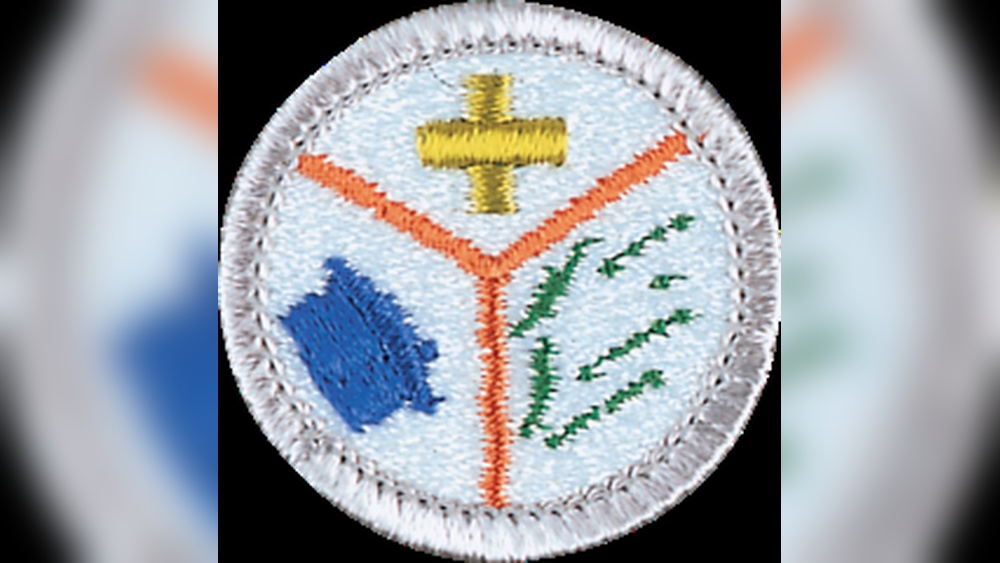

Are you ready to take your emergency preparedness skills to the next level? Earning the Emergency Preparedness Merit Badge isn’t just about checking boxes — it’s about gaining the knowledge and confidence to protect yourself, your family, and your community when unexpected situations arise.
Whether it’s a natural disaster, an accident, or any urgent event, knowing what to do can make all the difference. In this guide, you’ll discover the clear, step-by-step requirements you need to fulfill to earn this important badge. By the end, you’ll have practical tools and tips that empower you to act quickly and smartly when it matters most.
Ready to learn what it takes? Let’s dive in.

Credit: www.scouterlife.com
Merit Badge Requirements
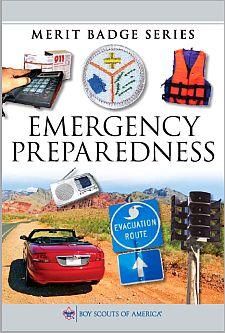
The Emergency Preparedness Merit Badge teaches Scouts how to plan and act during crises. It covers important skills to stay safe in many situations. Scouts learn how to protect themselves and help others. The badge requires understanding emergency plans, accident prevention, and rescue techniques. Each section builds confidence and readiness for real-life emergencies.
Emergency Situations
Scouts identify different types of emergencies. These include fires, floods, earthquakes, and severe weather. Knowing the risks helps Scouts prepare better. They learn what actions to take during each event. Recognizing warning signs is key to staying safe.
Family Emergency Plans
Creating a family emergency plan is crucial. Scouts discuss where to meet and how to communicate. They list important contacts and safe places. The plan covers how to secure the home and supplies. Practicing the plan ensures everyone knows what to do.
Accident Prevention
Preventing accidents reduces harm and saves lives. Scouts learn to spot hazards at home and outdoors. They practice safe behavior to avoid injuries. This includes proper use of tools and equipment. Awareness helps prevent many common emergencies.
Dangerous Scenarios
Scouts explore how to handle risky situations. This includes fires, chemical spills, and natural disasters. They study ways to stay calm and act wisely. Knowing how to protect themselves and others is vital. Scouts also learn when to evacuate or shelter in place.
Signaling For Help
Signaling is essential when trapped or lost. Scouts practice using whistles, mirrors, and flashlights. They learn simple signals to attract attention. This skill helps rescuers find them quickly. Scouts understand the importance of clear, loud signals.
Moving Injured Persons
Moving injured people requires care to avoid more harm. Scouts learn basic techniques to help safely. They practice lifting and carrying with support. Knowing when to move or wait for help is crucial. This skill can save lives in emergencies.
Credit: usscouts.org
Basic Emergency Supplies
Basic emergency supplies form the foundation of any preparedness plan. These items help you stay safe and comfortable during unexpected situations. It is vital to gather and maintain these supplies ahead of time. Preparing a kit with essentials ensures quick access when emergencies arise. Focus on water, food, medical needs, lighting, and communication tools. Each category plays a key role in survival and safety.
Water And Food
Water is the most important supply. Plan for one gallon per person per day. Store enough water for at least three days. Choose non-perishable foods that require little or no cooking. Canned goods, dried fruits, and energy bars work well. Rotate food supplies regularly to keep them fresh. Include a manual can opener for canned items.
First-aid Kit Essentials
A well-stocked first-aid kit is crucial. Include bandages, antiseptic wipes, and adhesive tape. Add pain relievers, scissors, and tweezers. Keep a first-aid manual for guidance. Personal medications and allergy treatments should be part of the kit. Replace expired items and check supplies often. This kit helps treat minor injuries until professional help arrives.
Lighting And Batteries
Power outages are common in emergencies. Keep a reliable flashlight ready at all times. Store extra batteries to avoid being left in the dark. Consider LED flashlights for longer battery life. Candles and matches can be backup options but use them carefully. Test lights and batteries regularly to ensure they work.
Communication Devices
Staying informed is vital during emergencies. A battery-powered or hand-crank radio helps receive news and alerts. Choose a NOAA Weather Radio with tone alerts for weather updates. Have a charged mobile phone with backup power banks. A whistle can signal for help if needed. Keep communication devices in a known, easy-to-reach place.
Personal And Sanitation Items
Personal and sanitation items play a vital role in emergency preparedness. These items help maintain health and comfort during unexpected situations. Preparing these essentials ensures safety and hygiene. Scouts must gather and organize necessary supplies. A well-packed kit supports physical and emotional well-being. The focus includes medications, hygiene products, documents, and cash.
Medications And Medical Supplies
Keep a supply of prescription medications for at least a week. Include over-the-counter medicines like pain relievers and allergy pills. Pack a basic first-aid kit with bandages, antiseptics, and gloves. Regularly check expiration dates and replace expired items. Store medications in a waterproof container to protect them.
Hygiene Products
Personal hygiene prevents illness during emergencies. Pack soap, toothbrush, toothpaste, and feminine hygiene products. Include hand sanitizer and wet wipes for quick cleaning. Bring a small towel and extra masks for protection. Choose travel-sized products to save space in your kit.
Important Documents
Keep copies of vital documents in a waterproof bag. Include identification cards, insurance papers, and medical records. Add emergency contact information and any legal documents. Store these items where you can quickly access them. Digital copies on a USB drive can be useful backup.
Cash And Financial Preparations
Cash is essential during power or network outages. Keep small bills and coins in a secure pouch. Avoid relying solely on credit or debit cards. Prepare emergency funds to cover food, shelter, or transport costs. Update your financial plan regularly for readiness.
Additional Useful Gear
Emergency preparedness goes beyond the basics. Having additional useful gear can make a big difference during a crisis. These items help you stay safe, comfortable, and informed. Preparing a well-rounded emergency kit includes tools that support navigation, warmth, power, pet care, and clothing needs.
Local Maps And Navigation
Digital devices may fail or lose signal. Carry printed local maps to guide your way. Learn to read these maps before an emergency occurs. A compass is also essential for accurate navigation. Knowing your route helps avoid dangerous areas and saves time.
Emergency Blankets
Emergency blankets are lightweight and compact. They keep body heat in during cold conditions. These blankets also protect against wind and rain. Including one in your kit can prevent hypothermia. Always have one for each person in your group.
Chargers And Power Banks
Keep your communication devices powered with chargers and power banks. Portable chargers provide electricity when outlets are unavailable. Choose high-capacity power banks for longer use. Regularly check and recharge these devices to ensure readiness.
Pet Care Supplies
Pets need care during emergencies too. Pack food, water, and medications for your pets. Include leashes, carriers, and waste bags for safety and cleanliness. Planning for pets reduces stress and keeps them safe.
Extra Clothing
Extra clothing protects against changing weather. Pack layers suitable for cold, wet, and hot conditions. Include sturdy shoes and rain gear. Clean, dry clothes prevent illness and discomfort. Always prepare for unexpected weather shifts.
Building An Emergency Kit
Building an emergency kit is a key step for earning the Emergency Preparedness Merit Badge. A well-packed kit can help you stay safe during unexpected events. It should contain essential items for survival and comfort. Planning your kit carefully ensures you are ready for many types of emergencies.
Start by choosing the right container for your supplies. Next, select useful items that meet basic needs. Finally, adjust your kit to fit your personal and family needs.
Storage Options
Select a sturdy container to keep your supplies safe and dry. Backpacks, plastic bins, or duffel bags work well. Choose one that is easy to carry and large enough to hold all items. Keep your kit in a cool, dry place. Label the container clearly for quick access. Consider waterproof bags for smaller items inside your kit.
Item Selection Tips
Include water, food, first-aid supplies, and tools. Pack at least one gallon of water per person per day. Choose non-perishable foods like canned goods and energy bars. Add a flashlight with extra batteries and a battery-powered radio. Don’t forget personal hygiene items and important documents. A whistle and dust mask are helpful for safety. Pick items that are lightweight and easy to use.
Customization For Needs
Think about your family’s unique needs when packing. Include medications and special medical supplies. Add baby food or formula if you have infants. Don’t forget pet food and care items for animals. Consider clothing for different weather conditions. Adapt your kit for any disabilities or allergies. Regularly check and update your kit to keep items fresh and useful.

Credit: www.yumpu.com
Frequently Asked Questions
What Are The Requirements For An Emergency Preparedness Merit Badge?
Requirements for the Emergency Preparedness Merit Badge include learning to plan for family emergencies, prevent accidents, and handle dangerous situations. Scouts must practice signaling for help, moving injured persons, and assembling an emergency supply kit. Completing related first aid and safety tasks is also essential.
What Is The Rarest Merit Badge To Earn?
The rarest merit badge to earn is often considered the Bugling badge. Few Scouts pursue or complete its requirements.
What Is Needed For Emergency Preparedness?
Emergency preparedness requires water, non-perishable food, first-aid kit, flashlight with batteries, radio, whistle, medications, sanitation supplies, important documents, and cash. Include personal needs like pet food and local maps. Keep a manual can opener, dust mask, and tools to turn off utilities.
What Is The Requirement 2c For Emergency Preparedness?
Requirement 2c for emergency preparedness asks scouts to assemble a personal emergency supply kit. This kit must include water, food, first-aid supplies, flashlight, radio, whistle, and personal hygiene items. Tailor the kit to your family’s specific needs, including medications and important documents.
Conclusion
Earning the Emergency Preparedness Merit Badge teaches vital skills for safety. Scouts learn how to plan for emergencies and handle dangerous situations. They practice first aid, signaling for help, and creating emergency kits. These requirements build confidence and readiness for real-life challenges.
Preparing now helps protect yourself and others later. The badge encourages responsibility and quick thinking in tough times. Every Scout gains valuable knowledge through this important badge. Stay ready, stay safe, and be a dependable helper in emergencies.