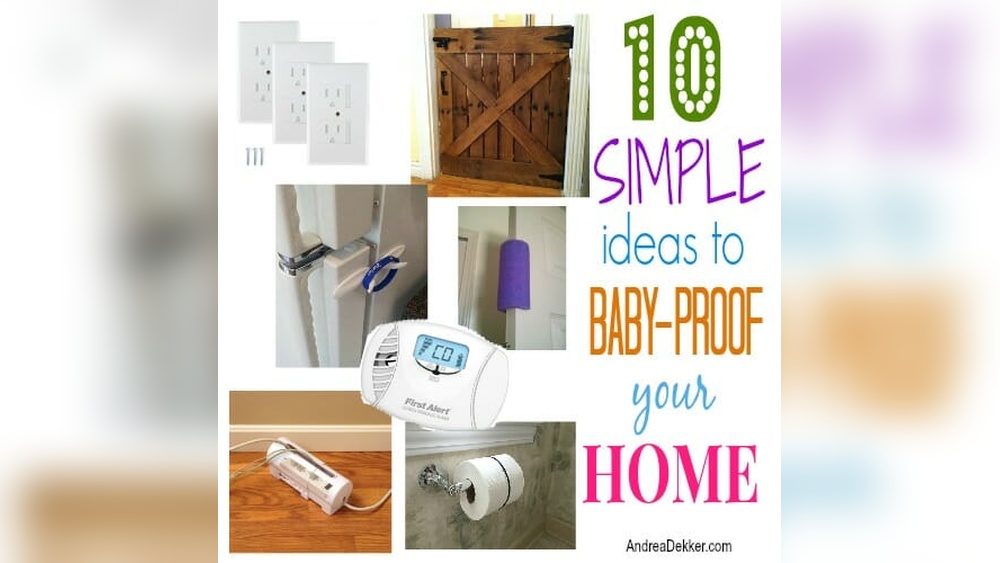

Creating a safe space for your little one doesn’t have to feel overwhelming. You want your home to be a place where your child can explore freely, without you constantly worrying about hidden dangers.
That’s exactly why child proof home ideas are so important—they help you protect your child while giving you peace of mind. You’ll discover simple and effective ways to make every corner of your home safe, from securing furniture to locking cabinets and covering electrical outlets.
Keep reading, because these easy steps could make a big difference in keeping your child safe and happy right where they belong—at home.
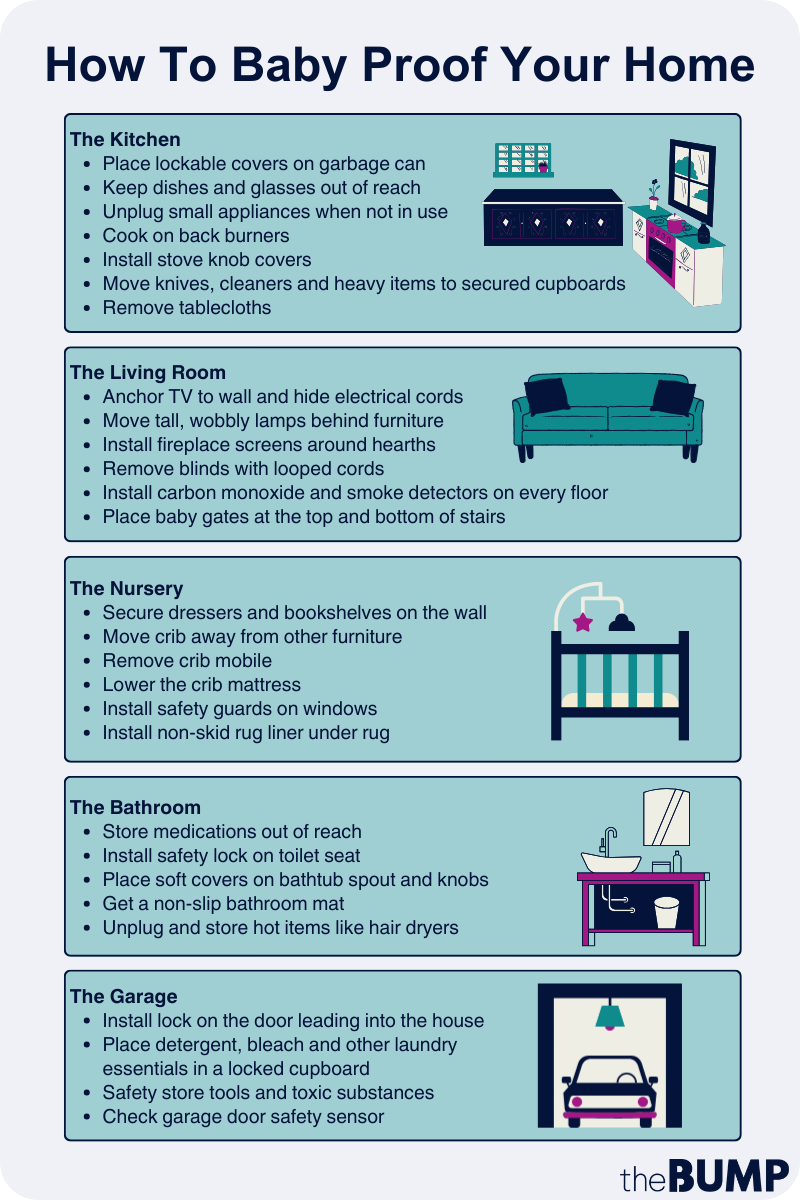
Credit: www.thebump.com
Electrical Safety
Electrical safety is a key part of making your home safe for children. Little hands are curious and often touch everything. This includes electrical outlets and cords. Protecting these areas helps prevent shocks and burns.
Simple steps can reduce risks and keep your child safe. Focus on blocking access to outlets and securing cords properly. These actions create a safer environment for your little one to explore.
Outlet Covers And Plug Protectors
Cover all unused electrical outlets with plastic outlet covers. These prevent children from inserting fingers or objects. Choose snug-fitting covers that are hard to remove. Plug protectors also shield plugged-in devices from curious hands.
Use outlet covers that meet safety standards. Avoid loose or flimsy covers that can be pulled out easily. Regularly check covers for damage and replace if needed. This simple tool greatly lowers the chance of electrical injuries.
Securing Electrical Cords
Keep electrical cords out of reach by bundling and securing them. Use cord shorteners or clips to reduce slack. Avoid placing cords where children can pull or chew on them. Damaged cords can cause shocks or fires.
Hide cords behind furniture or use cord covers. Inspect cords regularly for wear and tear. Replace any frayed or exposed wiring immediately. Proper cord management is essential to maintaining a childproof home.
Furniture And Fixtures
Furniture and fixtures play a big role in home safety for children. Sharp edges, heavy items, and unstable pieces can cause accidents. Securing these elements lowers risks and creates a safer space for kids to explore.
Simple steps can prevent many common injuries. Focus on stability, padding, and secure placement of household items. This section covers key ways to protect your little ones around furniture and fixtures.
Anchoring Heavy Furniture
Heavy furniture like bookcases and dressers must be anchored to walls. Use brackets or straps designed for furniture safety. This stops tipping hazards when children climb or pull on items.
Check for loose screws and sturdy attachments regularly. Anchoring furniture is a simple step that prevents serious injuries in active homes.
Corner And Edge Bumpers
Sharp corners on tables, countertops, and cabinets need soft bumpers. Foam or rubber protectors cushion impacts and reduce bruises or cuts. Choose bumpers that stick firmly and fit well on edges.
Install these on all reachable corners. Replace damaged bumpers to keep protection effective. This small change makes furniture much safer for toddlers.
Securing Tvs And Appliances
Televisions and large appliances can fall or tip over if not secured. Use safety straps or wall mounts to hold TVs in place. Secure cords out of reach to avoid pulling hazards.
Appliances like heaters and fans should be placed where children cannot tip them. Keep heavy devices on stable surfaces or fixed installations. These steps reduce risks of severe accidents.
Cabinet And Drawer Locks
Cabinet and drawer locks are essential for a childproof home. They keep little hands away from dangerous items. Installing these locks can prevent accidents and give parents peace of mind.
These locks come in many styles and designs. Some are simple to install, while others require more effort. Choosing the right type depends on your needs and the furniture you have.
Choosing Safety Latches
Safety latches come in different forms. Magnetic locks are hidden and hard for children to open. Sliding locks block the opening of drawers or cabinet doors. Choose latches that are easy for adults but tough for kids.
Check the material and quality before buying. Durable locks last longer and work better. Avoid locks that damage furniture or leave marks. Simple designs often work best for quick access.
Protecting Hazardous Items
Locking cabinets helps protect harmful items. Medicines, cleaning products, and sharp tools should never be within reach. Use strong locks on these cabinets to keep children safe.
Also, store hazardous items out of sight. This reduces curiosity and temptation. Regularly check locks to ensure they work properly. Replace any worn or broken locks immediately.
Door And Gate Safety
Doors and gates pose risks for young children at home. They can pinch fingers or lead to unsafe areas. Securing these points prevents accidents and keeps children safe.
Simple safety devices make a big difference in protecting little ones. Proper installation and choice of products ensure effective childproofing. Focus on gates and door guards to control access and avoid injuries.
Installing Baby Gates
Baby gates block stairs and rooms that are unsafe for children. Choose gates with secure latches that are hard for kids to open. Pressure-mounted gates fit many doorways without damage. Hardware-mounted gates offer stronger support for staircases. Position gates at the top and bottom of stairs. Check regularly to ensure gates stay firmly in place.
Using Pinch Guards And Door Locks
Pinch guards protect little fingers from door slams. They fit along door edges to keep gaps open slightly. This prevents painful pinching accidents. Door locks add extra security by keeping doors closed. Use locks that adults can open easily but confuse children. Place locks high on doors out of children’s reach. Combining pinch guards with locks improves safety significantly.
Bathroom Precautions
The bathroom is a common area where children face many risks. It contains water, slippery surfaces, and harmful substances. Taking precautions here helps keep your child safe and prevents accidents. Small changes can make a big difference. Focus on the most dangerous spots to childproof effectively.
Toilet Locks
Toilet lids can be a hazard for curious toddlers. A child might try to open the lid and fall in. Installing toilet locks keeps the lid closed and avoids water accidents. These locks are easy to use for adults but hard for children. They also stop kids from playing with water and dropping toys inside.
Securing Cleaning Supplies
Cleaning supplies are toxic and should never be within a child’s reach. Keep all bottles and sprays in high cabinets or locked storage. Use childproof latches on lower cabinets where cleaners are stored. Store items in original containers with labels intact. This prevents poisoning and keeps harmful chemicals away from little hands.
Floor And Rug Safety
Floors and rugs play a big role in keeping your child safe at home. Slips and trips can cause serious injuries. Soft rugs can cushion falls but only if they stay in place. Hard floors need extra care to prevent accidents. Simple changes can make your floors safer and help your child explore freely.
Non-slip Pads
Non-slip pads keep rugs from sliding on smooth floors. Place these pads under every rug in busy areas. They stop rugs from moving when your child crawls or walks. You can buy pads made of rubber or latex. These pads are cheap and easy to use. They add grip and keep rugs steady.
Removing Tripping Hazards
Clear the floor of toys, cords, and clutter. Loose items can cause your child to trip and fall. Use cord organizers to keep wires out of reach. Choose low-profile rugs to avoid raised edges. Remove rugs that curl or bunch up. Keep pathways clear for safe walking and running.
Toy And Small Object Safety
Keeping toys and small objects safe is key in a childproof home. Young children explore by putting things in their mouths. This can lead to choking or swallowing dangerous items.
Parents must be aware of common risks and take steps to reduce hazards. Safe play areas and careful toy selection help keep kids protected. Small objects need special attention to avoid accidents.
Choking Hazard Prevention
Choose toys that fit your child’s age and size. Avoid toys with small parts that can break off easily. Regularly check toys for damage or loose pieces. Store small items like coins, buttons, and batteries out of reach. Teach children not to put non-food items in their mouths. Always supervise young kids during playtime to catch hazards quickly.
Organizing Play Areas
Use bins or shelves to keep toys tidy and visible. Sort toys by size and type to find them easily. Label storage containers with pictures or words for simple use. Create zones for different activities like building, drawing, or reading. Remove broken or unsafe toys immediately. A clean, organized play space lowers risk and helps children focus on safe play.
Timing And Planning
Planning the right time to childproof your home is key to keeping your little one safe. Early preparation helps avoid last-minute stress. It also gives you time to address all possible hazards. Understanding when and how to start babyproofing makes the process smooth and effective.
When To Start Babyproofing
Start babyproofing before your baby begins to crawl. Babies become more curious and mobile around six months. Preparing your home a few months earlier is smart. This allows you to spot dangers and fix them. Waiting until your child moves can be risky. Early action protects your child from accidents at home.
Checklist For Different Ages
Babyproofing needs change as your child grows. For infants, focus on securing furniture and covering outlets. Toddlers need gates to block stairs and locks on cabinets. Preschoolers require safety measures for outdoor play areas and water sources. Keep updating your safety checklist to match your child’s age. This keeps your home safe through all stages of growth.
Budget-friendly Tips
Creating a safe home for your child does not need to drain your wallet. Many simple steps protect your little one without expensive gear. Smart choices and some effort help you build a secure space affordably. Focus on practical ideas that fit your budget and lifestyle.
Essential Vs. Overkill Products
Some babyproof products are must-haves, while others add little value. Safety gates to block stairs and outlet covers to prevent shocks are essential. Fancy gadgets like electronic monitors or motion sensors can be useful but are not always necessary. Prioritize items that address real dangers in your home. Avoid buying every product you see. Choose wisely to save money and keep your child safe.
Diy Babyproofing Ideas
You can create many safety solutions yourself with common household items. Use pool noodles to cover sharp table edges. Secure furniture to walls using straps or brackets from hardware stores. Place rubber bands on cabinet handles to keep doors closed. Tape down loose wires and cover outlets with plastic caps. These simple fixes cost little and work well. DIY projects make childproofing affordable and customizable for your home.
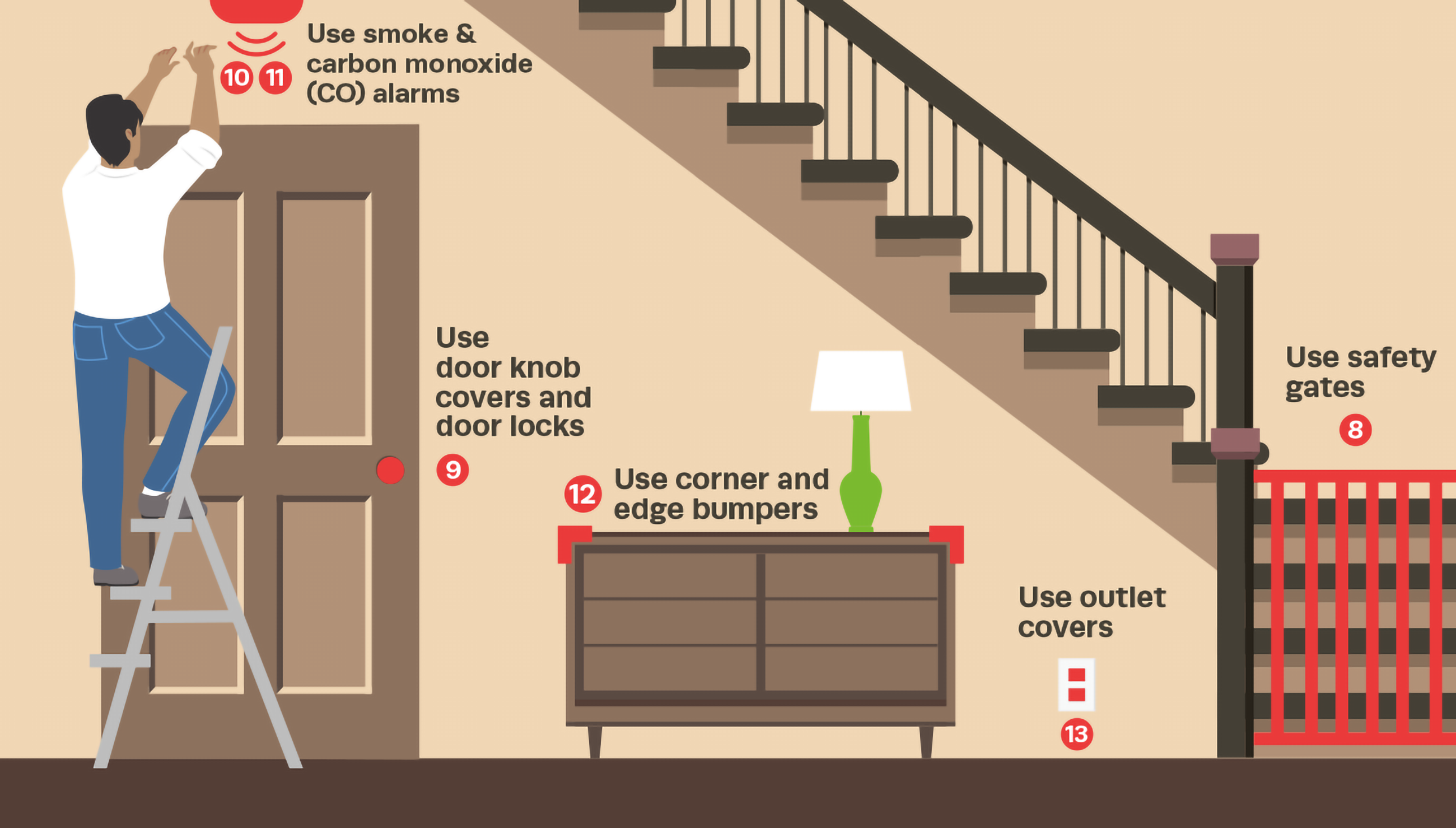
Credit: www.cpsc.gov

Credit: www.howtorunahomedaycare.com
Frequently Asked Questions
How Can I Childproof My House?
Install safety gates, secure furniture to walls, use cabinet locks, cover electrical outlets, and add corner protectors. Keep hazardous items out of reach.
How Much Does It Cost To Babyproof A House?
Babyproofing a house typically costs between $50 and $200 for basic supplies. Professional services may charge $200 to $600. Costs vary by home size and safety needs.
What Can You Use Instead Of Door Monkey?
Use pinch guards or door locks to keep doors closed and protect little fingers instead of a door monkey.
When To Babyproof A House?
Start babyproofing your home by the time your baby begins crawling or cruising. Prepare earlier if expecting. Secure furniture, cover sharp edges, and lock cabinets to ensure safety.
Conclusion
Creating a safe space for children takes simple, steady steps. Secure furniture, cover sharp edges, and block dangerous spots. Use locks and gates to keep little ones away from harm. Regular checks help maintain safety as children grow. Small changes make a big difference in your home’s security.
Keep your child’s safety a daily priority for peace of mind. A well-protected home lets kids explore freely and parents relax. Safety is a continuous effort, but it brings great rewards.