Imagine facing an unexpected emergency—whether it’s a severe storm, a fire, or a sudden medical crisis. Are you confident that you and your loved ones know exactly what to do?
Emergency preparedness and response aren’t just buzzwords; they are essential skills that can save lives and protect your property when disaster strikes. This guide will help you understand the simple yet powerful steps you can take right now to prepare, respond, and recover effectively.
By learning these key strategies, you’ll gain peace of mind knowing you’re ready to act swiftly and smartly when it matters most. Keep reading to discover how you can take control of your safety and turn uncertainty into confidence.
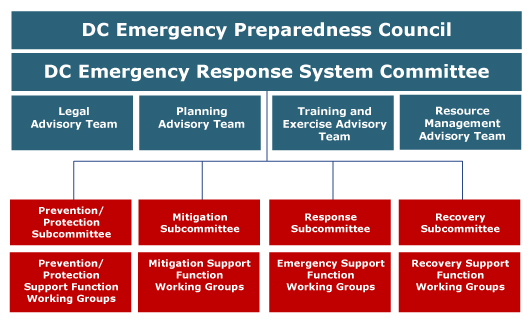
Credit: hsema.dc.gov
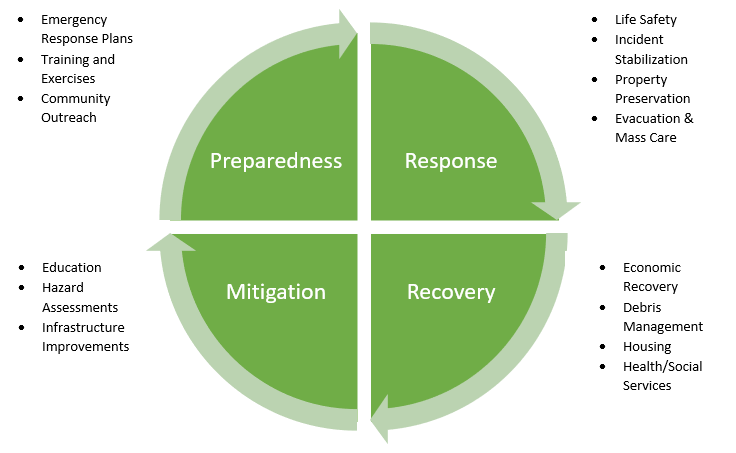
Emergency Management Phases
Emergency management phases form the backbone of effective disaster handling. These phases guide actions before, during, and after emergencies. Understanding each phase helps individuals and communities stay safe and recover faster.
The cycle includes prevention, mitigation, preparedness, response, and recovery. Each phase has distinct goals and activities. Together, they reduce damage and save lives.
Prevention Measures
Prevention focuses on stopping emergencies before they start. It involves identifying risks and taking action to avoid them. Examples include improving security and sharing important information. Training people to recognize threats also plays a key role.
Mitigation Strategies
Mitigation aims to lessen the impact of disasters. It includes building safer structures and protecting natural barriers. Installing storm shutters and reinforcing levees are common methods. These strategies reduce damage and protect communities.
Preparedness Activities
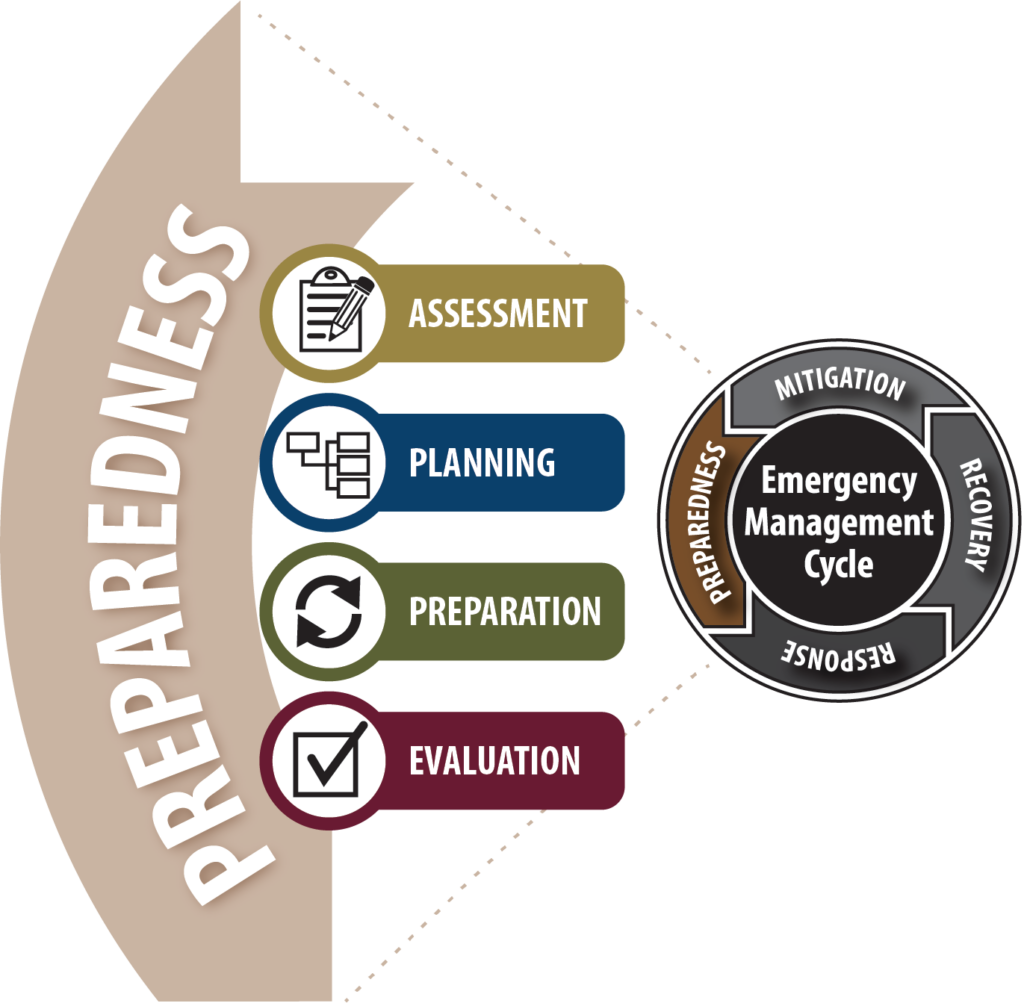
Preparedness means getting ready for emergencies. It involves making plans and practicing them regularly. Communities hold drills and train responders. Preparing emergency kits and communication plans also helps in quick action.
Response Actions
Response happens during an emergency. The goal is to save lives and protect property. First responders act quickly to provide help and control damage. Emergency shelters and medical aid are set up at this stage.
Recovery Process
Recovery starts after the emergency ends. It focuses on rebuilding and returning to normal life. Repairing homes, restoring services, and supporting affected people are key tasks. Recovery can take weeks, months, or even years.
Prevention Techniques
Prevention techniques form the first line of defense in emergency preparedness and response. These methods focus on stopping incidents before they occur. They help reduce risks and protect communities from harm. Prevention includes gathering intelligence, improving security, and conducting training programs. Each plays a vital role in building resilience.
Intelligence Gathering
Intelligence gathering involves collecting information to identify potential threats. This data helps predict and prevent emergencies. Agencies monitor social, environmental, and technological factors. Early warning signs are detected through constant observation. Sharing this information between organizations strengthens prevention efforts. Timely intelligence can stop disasters before they start.
Security Enhancements
Security enhancements protect people and property from harm. Installing cameras, alarms, and access controls reduces risks. Physical barriers and lighting deter unauthorized access. Regular security audits identify weak points in systems. Upgrading security measures helps prevent emergencies and criminal acts. Strong security creates safer environments for everyone.
Training Programs
Training programs prepare individuals and teams to prevent emergencies. They teach how to spot hazards and respond quickly. Drills build muscle memory for real situations. Training improves coordination and communication among responders. Educated people make safer choices daily. Well-trained teams reduce the chance of incidents escalating.
Mitigation Methods
Mitigation methods play a key role in emergency preparedness and response. They focus on reducing the damage caused by disasters before they occur. Effective mitigation lowers risks for people and property. Simple steps can make a big difference in safety and recovery.
These methods use practical tools and designs to protect communities. They help ensure structures and environments can withstand hazards. Investing in mitigation saves lives and cuts down repair costs later.
Building Codes
Building codes set rules for safe construction. They ensure buildings can resist fires, floods, earthquakes, and strong winds. Following these codes helps prevent structural collapse during emergencies. Updated codes reflect new knowledge and technology to improve safety. Local governments enforce these rules to protect residents and properties.
Storm Shutters
Storm shutters shield windows and doors from flying debris in storms. They prevent glass breakage and reduce wind pressure on buildings. Installing shutters is a low-cost way to protect homes and businesses. Different types include roll-down, accordion, and panel shutters. Using storm shutters can lessen damage and keep people safer inside.
Levee Construction
Levees are barriers built to stop floodwaters from reaching land. They help protect towns and farmland near rivers or coasts. Properly designed levees reduce the risk of flooding during storms or heavy rains. Regular maintenance is crucial to keep levees strong and effective. Building levees requires careful planning to balance safety and environmental impact.
Preparedness Planning
Preparedness planning is a vital step in emergency preparedness and response. It helps communities and individuals get ready before a disaster happens. Good planning reduces risks and saves lives. It also speeds up recovery and helps protect property.
Preparedness planning involves training, creating clear emergency plans, and practicing through drills. Each part builds confidence and skills needed during real emergencies. The goal is to act quickly and safely when disaster strikes.
Community Training
Community training teaches people how to respond in emergencies. It covers basic first aid, evacuation procedures, and communication methods. Training builds awareness and helps everyone understand their role. Well-trained communities respond better and recover faster.
Emergency Plans
Emergency plans outline what to do during different types of disasters. These plans include evacuation routes, shelter locations, and contact lists. Clear plans reduce confusion and ensure quick action. Everyone should know and follow the plan to stay safe.
Drills And Exercises
Drills and exercises test emergency plans in real-life scenarios. They help find weaknesses and improve response times. Regular practice makes people familiar with procedures. This reduces panic and increases effectiveness during actual emergencies.
Response Procedures
Response procedures play a vital role in emergency preparedness and response. They guide actions taken immediately after an emergency strikes. Quick and clear procedures help reduce harm and stabilize the situation. Every second counts in an emergency. Proper response can save lives, protect property, and preserve the environment.
Life-saving Actions
First, focus on protecting human life. Check for injuries and give basic first aid. Call emergency services without delay. Move people away from danger zones carefully. Use emergency kits and supplies as needed. Keep calm and communicate clearly to avoid panic. Prioritize actions that prevent further harm.
Property Protection
Secure buildings and valuable items to reduce damage. Turn off utilities like gas, electricity, and water to prevent hazards. Use sandbags or barriers to control flooding. Remove flammable materials from risk areas. Document damage for insurance claims later. Protecting property helps communities recover faster after emergencies.
Environmental Safety
Prevent environmental damage during emergencies. Avoid spilling hazardous chemicals or waste. Contain pollutants using available materials. Report any environmental hazards to authorities immediately. Follow guidelines for safe disposal of debris. Protecting the environment preserves health and safety for everyone.
Recovery Strategies
Recovery strategies play a vital role after an emergency event. They focus on rebuilding and restoring affected areas. Effective recovery reduces long-term damage and helps communities heal faster. These strategies include restoring facilities, institutional recovery, and returning to normalcy. Each step is crucial for a full and lasting recovery.
Restoring Facilities
Restoring facilities begins with assessing damage quickly. This helps prioritize repairs to critical infrastructure. Utilities like water, electricity, and communication get immediate attention. Repairing buildings ensures safety for workers and residents. Temporary solutions may be used until full restoration completes. This process supports ongoing recovery efforts and daily activities.
Institutional Recovery
Institutions such as schools, hospitals, and government offices must resume operations. Recovery plans focus on restoring essential services fast. Staff training and resource allocation help institutions adapt after disruption. Coordination with emergency agencies ensures smooth recovery. Strong institutions support community stability and confidence during recovery.
Returning To Normalcy
Returning to normalcy means restoring daily life routines. It includes reopening businesses, schools, and public services. Psychological support helps people cope with trauma and stress. Community engagement promotes resilience and recovery spirit. This phase marks progress toward stability and renewed growth.
First Aid Basics
Knowing first aid basics can save lives during emergencies. Acting quickly and correctly helps reduce injury severity. Everyone should understand simple steps to assist others safely.
Check The Scene
Look around carefully before helping. Ensure the area is safe for you and the injured person. Watch for dangers like traffic, fire, or unstable structures. Do not rush into unsafe places. Staying safe allows you to provide better help.
Call For Help
Dial emergency services immediately. Provide clear information about the location and situation. Speak slowly and calmly. Mention the number of injured people and their conditions. Waiting for professional help is crucial after calling.
Provide Care
Start by checking if the person is conscious and breathing. Use basic techniques like stopping bleeding or helping with breathing. Avoid moving the injured unless necessary. Comfort the person and stay with them until help arrives. Your calm actions can make a big difference.
The Three Cs
The Three Cs offer a simple, clear approach to handling emergencies. They guide actions to keep you and others safe. Each step focuses on what to do immediately after an incident occurs. Knowing these can make a big difference in emergencies.
Check: Assess And Protect
First, check the scene for danger. Make sure you are safe before helping others. Look for hazards like fire, gas leaks, or unstable structures. Assess the condition of the injured or those in need. Protect yourself and others by moving to a safe area if possible. Stay calm and focused during this step.
Call: Contact Emergency Services
Next, call emergency services right away. Dial the local emergency number to get help fast. Give clear information about the location and nature of the emergency. Speak slowly and answer questions carefully. Calling early brings professional help to the scene quickly. This step connects you to trained responders.
Care: First Aid And Comfort
Finally, provide care to those injured or in shock. Use basic first aid skills like stopping bleeding or helping with breathing. Keep injured people comfortable and calm. Avoid moving them unless absolutely necessary. Offer reassurance and stay with them until help arrives. Your care can save lives and reduce pain.
Cpr And Emergency Response
CPR and emergency response are critical skills during sudden health crises. Quick action can save lives in cardiac arrest or breathing failure. Knowing what to do immediately improves survival chances. This section explains key steps in CPR and emergency response.
When To Call First
Always call emergency services right away in a crisis. If the person is unconscious or not breathing, dial 911 immediately. Early professional help is vital. Calling first ensures medical teams arrive as soon as possible. Stay calm and provide clear information to the dispatcher.
Performing Cpr
Start CPR if the person is unresponsive and not breathing normally. Place your hands in the center of the chest. Push hard and fast, about 100 to 120 compressions per minute. Allow the chest to rise fully between compressions. If trained, give rescue breaths after every 30 compressions. Continue until help arrives or the person recovers.
Using An Aed
An AED (Automated External Defibrillator) can restart the heart during sudden cardiac arrest. Turn on the device and follow the voice prompts carefully. Place pads on the person’s bare chest as shown in the pictures. Make sure no one touches the person during the shock. Use the AED as soon as possible for the best results.
Credit: www.bemidjistate.edu
Credit: teex.org
Frequently Asked Questions
What Are The 5 Categories Of Emergency Preparedness And Response?
The five categories of emergency preparedness and response are prevention, mitigation, preparedness, response, and recovery. Prevention stops disasters before they occur. Mitigation reduces their impact. Preparedness builds readiness through planning and training. Response involves immediate actions to protect life and property.
Recovery restores normalcy after the event.
What Are The 3 C’s Of Emergency Response?
The 3 C’s of emergency response are Check, Call, and Care. First, check the scene and victim. Then, call emergency services. Finally, provide care until help arrives.
What Are The 4 R’s Of Emergency Response?
The 4 R’s of emergency response are: Recognize the emergency, React promptly, Respond effectively, and Recover safely.
What Are The 4 Phases Of Emergency Preparedness?
The four phases of emergency preparedness are prevention, mitigation, preparedness, and response. Prevention avoids incidents. Mitigation reduces impact. Preparedness trains and plans. Response saves lives and protects property during emergencies.
Conclusion
Emergency preparedness saves lives and reduces damage. Knowing prevention, mitigation, and response steps helps. Prepare your family and community before disasters strike. Practice drills and create emergency plans regularly. Stay calm and act quickly during emergencies. Recovery takes time but builds stronger communities.
Being ready means protecting what matters most. Start today to ensure safety tomorrow.