
Your home should be the safest place you know, but electrical fires can turn it into a dangerous zone in seconds. Are you confident that your electrical setup is secure?
Small habits, like overloading outlets or ignoring frayed cords, can put your loved ones and property at risk without you even realizing it. The good news is that preventing electrical fires is easier than you might think—and it starts with simple, practical steps you can take right now.
You’ll discover key tips to protect your home from electrical fires, keep your family safe, and avoid costly damage. Don’t wait for a warning sign—read on to learn how to make your home a fortress against electrical hazards.
Common Causes Of Electrical Fires
Electrical fires start from common hazards inside homes. Knowing these causes helps prevent dangerous fires. Faulty wiring, damaged cords, and overloaded outlets often lead to fires. Many fires begin due to simple mistakes. Understanding these risks protects your family and property.
Faulty Wiring
Old or damaged wiring can spark fires. Wires with cracks or breaks cause short circuits. Poor installation also leads to electrical hazards. Homes over 10 years old need regular wiring checks. Faulty wiring is a hidden danger that grows over time.
Overloaded Outlets And Power Strips
Plugging too many devices into one outlet causes overheating. Power strips are not meant for permanent use. Overload creates heat and can ignite nearby materials. Spread electrical load across several outlets to stay safe. Avoid daisy-chaining power strips or extension cords.
Damaged Electrical Cords
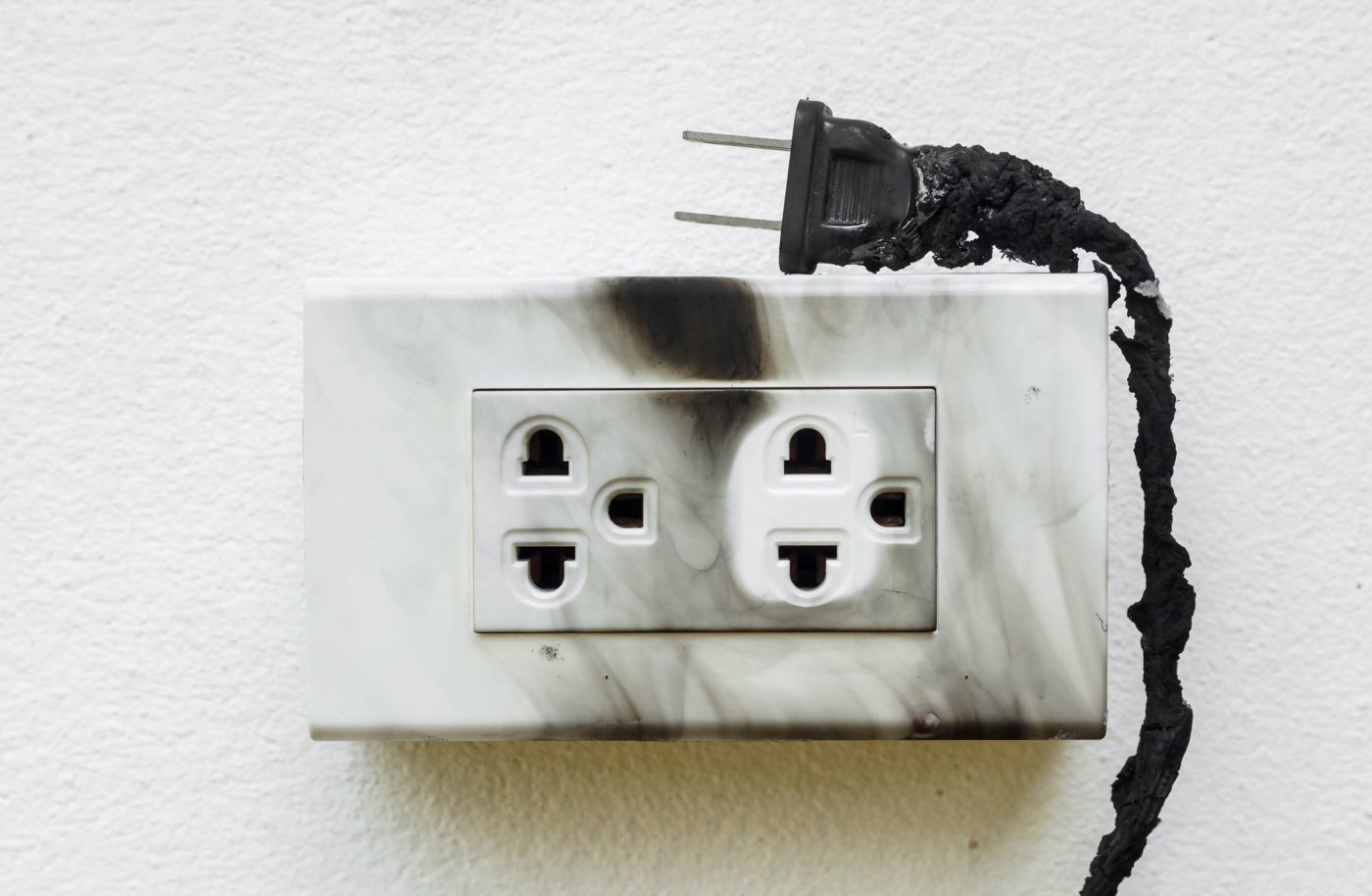
Cords with frays, cracks, or exposed wires spark fires. Pets or furniture can damage cords without notice. Replace any cord showing wear or damage immediately. Do not use taped or repaired cords. Regularly inspect all cords in your home.
Improper Use Of Appliances
Using appliances incorrectly increases fire risk. Avoid extension cords for large appliances like refrigerators. Unplug devices when not in use to reduce hazards. Appliances that overheat or spark need repair or replacement. Follow manufacturer instructions for safe use.
Incorrect Light Bulb Wattage
Using bulbs with too high wattage causes fixtures to overheat. Overheated fixtures can ignite surrounding materials. Always use bulbs that match fixture recommendations. Check wattage before replacing bulbs. Safe wattage keeps lighting fire-safe.
Credit: www.rootelectric.com
Avoid Overloading Outlets
Overloading electrical outlets is a common cause of home fires. Many people plug too many devices into one outlet or power strip. This can cause the wiring to overheat and start a fire. Avoid this risk by managing how you use your outlets carefully. Simple steps can keep your home safe and your devices powered properly.
Distribute Electrical Loads
Spread your electrical devices across different outlets. Avoid plugging many high-power items into one socket. This helps prevent overheating and reduces fire risk. Use outlets on different walls or rooms. This balances the electrical load and keeps circuits from getting too hot.
Limit Power Strip Use
Power strips should not hold too many devices. They are meant for low-power items, not heavy appliances. Avoid daisy-chaining power strips or extension cords. Use a single power strip per outlet and never overload it. Always check the strip’s rating and do not exceed it. This simple rule reduces chances of electrical fires.
Proper Use Of Appliances
Proper use of appliances is key to preventing electrical fires at home. Appliances draw power and can cause hazards if not handled correctly. Safe practices reduce the risk of overheating and sparks. Following simple rules protects your home and family from fire dangers.
Plug Appliances Directly
Always plug major appliances straight into wall outlets. This ensures they get the correct power supply. Avoid using extension cords for devices like refrigerators, microwaves, or heaters. Extension cords can overheat if used long-term. Direct connection lowers fire risk and keeps appliances running safely.
Use Extension Cords Temporarily
Use extension cords only for short-term needs. They are not meant for permanent appliance use. Choose cords with the right power rating for the device. Avoid running cords under rugs or through doorways. Temporary use prevents overheating and damage that could start fires.
Unplug Devices When Idle
Unplugging devices when they are not in use is a simple habit that can greatly reduce the risk of electrical fires at home. Many devices draw power even when idle, which can cause overheating and increase fire hazards. Turning off devices is not enough; physically unplugging them cuts off the electricity supply completely.
This practice also saves energy and lowers electricity bills. Unplugging devices helps prevent damage to cords and plugs caused by constant electrical flow. It is a small step that protects your home and family from potential dangers.
Disconnect Chargers Promptly
Chargers left plugged in after devices finish charging can overheat. This heat builds up in the charger and the outlet, which may start a fire. Always unplug chargers as soon as your phone or laptop is fully charged.
Do not leave chargers connected overnight or for long periods. A charger draws power even without a device connected, wasting energy and increasing fire risk. Unplugging chargers promptly keeps your home safer and saves electricity.
Inspect And Maintain Cords
Inspecting and maintaining electrical cords is essential for home safety. Cords carry power to devices but can wear out over time. Damaged cords increase fire risk. Regular checks help spot problems early. Proper care keeps your home safe and your devices running well.
Check For Damage Regularly
Look at cords often for signs of damage. Cracks, cuts, or worn spots weaken cords. Bent or twisted cords also harm their safety. Pay close attention to areas near plugs and connectors. Any damage can cause sparks or overheating. Do not ignore small flaws. Early detection prevents electrical fires.
Replace Frayed Or Cracked Cords
Never use cords with frays or cracks. These faults expose wires and create hazards. Replace damaged cords immediately with new ones. Using damaged cords increases the chance of short circuits. Always choose cords that meet safety standards. Proper replacement stops fires before they start.

Credit: www.wirechiefelectric.com
Use Correct Light Bulbs
Using the correct light bulbs in your home plays a key role in preventing electrical fires. Light fixtures are designed to work with specific bulb types and wattages. Using bulbs that do not match these requirements can cause overheating and increase fire risk.
Choosing the right bulb keeps your fixtures safe and functioning well. It also helps avoid damage to wiring and sockets. Following manufacturer guidelines ensures your home stays protected from electrical hazards.
Match Recommended Wattage
Always check the maximum wattage listed on your light fixture. Using a bulb with higher wattage than recommended can cause the fixture to overheat. This heat buildup can melt wiring insulation and start a fire.
For example, if a lamp says it supports up to 60 watts, do not use a 75-watt bulb. Instead, use bulbs that meet or stay below the recommended wattage. LED bulbs are a good alternative since they produce less heat and use less energy.
Safe Device Charging Practices
Charging your devices safely helps reduce the risk of electrical fires at home. Many fires start from improper charging habits. Taking simple precautions protects your home and family. Follow these easy steps to charge devices safely and avoid hazards.
Charge On Hard Surfaces
Always place your phone or laptop on a hard, flat surface while charging. Soft surfaces like beds or couches can trap heat. This heat buildup may cause the device to overheat and catch fire. Hard surfaces allow better air circulation and keep devices cool. Avoid charging devices on pillows, blankets, or other soft materials.
Use Manufacturer Chargers
Use chargers made by the device’s manufacturer. These chargers match the device’s power needs. Cheap or fake chargers may not regulate power correctly. They can overheat, spark, or damage your device. Using the right charger lowers fire risks and protects your battery life. Always check for certification marks on chargers before use.
Appliance Condition And Repairs
Maintaining appliances in good condition is essential to prevent electrical fires at home. Regular checks and timely repairs reduce the risk of sparks and overheating. Damaged appliances or cords can cause serious hazards if left unattended.
Knowing how to spot early signs of trouble helps keep your home safe. Proper care and professional repair ensure your appliances work efficiently without danger.
Watch For Sparks Or Overheating
Notice any sparks when plugging in or using an appliance? Sparks can signal faulty wiring or loose connections. Also, feel if an appliance gets unusually hot during use. Overheating often indicates internal damage or electrical issues.
Stop using appliances that spark or overheat immediately. These signs mean the device could start a fire. Regularly inspect cords and plugs for cracks or frays. Replace any damaged parts without delay to avoid risks.
Seek Professional Service
Do not attempt to fix electrical appliances by yourself. Incorrect repairs increase fire hazards and can cause injury. Contact a licensed electrician or appliance repair expert to handle problems safely.
Professionals identify hidden issues and fix them correctly. They use proper tools and techniques for safe repairs. Schedule regular maintenance checks to keep appliances running safely over time.
Keep Flammable Items Away
Keeping flammable items away from electrical sources is key to preventing fires at home. Flammable materials catch fire easily when near heat or sparks. Small mistakes can lead to big dangers. Understanding how to store and place these items helps keep your home safe and secure.
Maintain Safe Distance From Heat Sources
Keep all flammable items at least three feet from heat sources. Heat sources include space heaters, lamps, and electrical panels. This distance stops heat from igniting nearby materials.
Do not place curtains, papers, or cloth near heaters or outlets. Avoid storing gasoline, paint, or cleaning products close to electrical devices. These items can cause a fire if they get too hot or if sparks fly.
Credit: rainbowrestores.com
Regular Electrical System Inspections
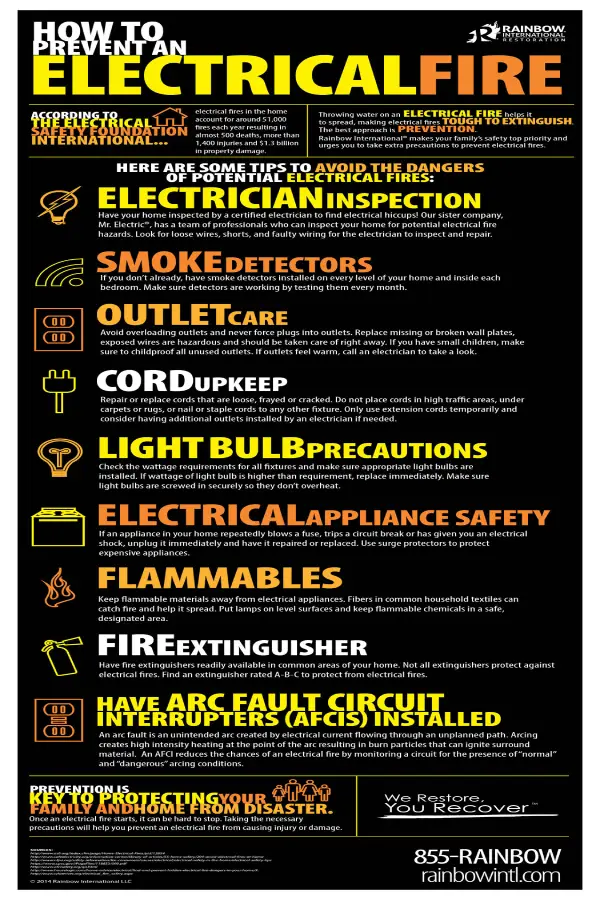
Regular electrical system inspections help keep your home safe from fire risks. These inspections find hidden problems early. They check wiring, outlets, and circuit breakers for damage or wear. Fixing issues on time reduces the chance of electrical fires. A well-maintained electrical system protects your family and property.
Hire Licensed Electricians
Always hire licensed electricians for inspections. Licensed professionals have training and experience. They know the safety codes and best practices. They can spot issues that untrained eyes might miss. Using licensed electricians ensures a thorough and safe inspection. It also guarantees proper repairs and upgrades if needed.
Schedule Inspections Every Ten Years
Schedule a full electrical inspection every ten years. Older homes especially need regular checks. Electrical systems wear down over time. Ten-year inspections help catch aging wiring or outdated components. More frequent checks may be required if you notice flickering lights or tripped breakers. Keeping up with inspections maintains electrical safety and prevents fire hazards.
Install Safety Devices
Installing safety devices in your home reduces the risk of electrical fires. These devices detect electrical problems early and cut off power to prevent sparks. They act quickly to stop dangerous situations before they grow.
Two important safety devices are Arc Fault Circuit Interrupters (AFCIs) and Ground Fault Circuit Interrupters (GFCIs). Both protect your home but in different ways. Understanding their functions helps keep your family safe.
Arc Fault Circuit Interrupters (afcis)
AFCIs detect electrical arcs that can cause fires. Arcing happens when electricity jumps between wires or breaks in wiring. AFCIs sense this and shut off power immediately.
These devices protect areas like bedrooms and living rooms where wiring damage can go unnoticed. Installing AFCIs in these rooms lowers fire risks caused by old or faulty wiring.
Ground Fault Circuit Interrupters (gfcis)
GFCIs prevent electrical shocks and fires near water. They detect small differences in electrical current caused by water contact or faulty appliances.
Use GFCIs in kitchens, bathrooms, garages, and outdoor areas. These places have higher moisture, increasing the chance of electrical accidents. GFCIs cut power fast to stop harm.
Cover Unused Outlets
Unused electrical outlets can pose hidden dangers in your home. Dust, dirt, or small objects can enter these outlets and increase the risk of electrical fires. Covering unused outlets adds a simple layer of safety. It helps protect your family and reduces the chance of sparks or shorts.
Children and pets are curious. They might insert fingers or objects into open sockets. This can cause shocks or start a fire. Covering outlets keeps them safe and stops accidents before they happen.
Use Safety Closures
Safety closures are plastic inserts that fit snugly into outlets. They block access to the electrical contacts inside. These closures are easy to install and remove when needed. They prevent children from pushing things into the sockets.
Safety closures also keep dust and moisture out. This reduces the risk of damage and electrical shorts. Choose closures that fit your outlets well to ensure full protection.
Frequently Asked Questions
How To Prevent Home Electrical Fires?
Avoid overloading outlets and power strips. Use appliances in wall outlets only. Unplug devices when unused. Inspect and replace damaged cords. Keep flammable materials away from heat sources. Use correct wattage bulbs. Schedule professional electrical inspections every ten years for safety.
Where Do Most Electrical Fires Start In A House?
Most electrical fires start in kitchens, living rooms, and bedrooms. Common sources include overloaded outlets, faulty wiring, and damaged cords.
How Do You Stop An Electrical Fire At Home?
Unplug devices and turn off power immediately. Use a fire extinguisher rated for electrical fires (Class C). Do not use water. Call emergency services if the fire spreads.
How Fast Does An Electrical Fire Start?
An electrical fire can start within seconds due to overheating or sparks from faulty wiring or damaged cords. Act quickly to prevent spread.
Conclusion
Preventing electrical fires keeps your home safe and secure. Check cords often and replace damaged ones quickly. Avoid using too many devices on one outlet or power strip. Always unplug small appliances and chargers when not in use. Keep flammable items away from heat sources like heaters and lamps.
Use the right bulbs for each light fixture to avoid overheating. Have an electrician inspect your wiring every ten years to find problems early. Small actions make a big difference in fire safety at home. Stay alert and protect your family today.