
When disaster strikes, how ready are you to protect yourself and your loved ones? The American Red Cross Emergency Preparedness program is designed to help you face unexpected events with confidence.
Whether it’s a storm, fire, or power outage, being prepared can make all the difference in staying safe and calm. You’ll discover simple steps and valuable tools from the American Red Cross that empower you to take control of your safety.
Don’t wait for an emergency to happen—learn how to prepare now and give yourself peace of mind when it matters most. Keep reading to find out how you can build your own emergency plan and be ready for whatever comes your way.
Ready Rating Program
The American Red Cross Ready Rating Program helps businesses and schools prepare for emergencies. It is a free, self-guided program. Members assess their readiness and get tools to improve safety plans. The program aims to make emergency preparedness easy and effective.
Participants can track their progress and compare results over time. The program promotes building strong safety habits to protect people and property. It supports creating clear plans for different types of emergencies.
Self-guided Assessments
Ready Rating offers simple assessments to measure preparedness levels. These assessments cover key areas like emergency plans, training, and communication. Participants answer questions about current safety measures. The system then gives a score and suggests improvements.
Users can choose between ReadyGo for basic needs or ReadyAdvance for detailed planning. This flexible approach fits small or large organizations. The self-guided format allows teams to work at their own pace.
Tools And Best Practices
The program provides helpful tools to build strong emergency plans. Templates, checklists, and guides support clear and practical preparation. Best practices include regular drills, staff training, and updating plans often.
These tools help reduce risks and improve response times. The focus stays on realistic steps that any organization can follow. Easy access to resources keeps teams informed and ready.
Preparing Businesses And Schools
Ready Rating helps businesses create safe workplaces and protect employees. Schools use the program to prepare for events like fires and severe weather. It encourages involving all staff and students in planning.
The program highlights the importance of communication and quick action. It helps organizations identify weak spots and strengthen them. This leads to safer environments and peace of mind for everyone.
Credit: www.redcross.org
Emergency Supply Essentials
Preparing an emergency supply kit is crucial for safety during disasters. The American Red Cross emphasizes having essential items ready. These essentials support basic needs when help is delayed or unavailable. A well-stocked kit increases comfort and survival chances in emergencies.
Non-perishable Foods
Choose foods that last long without refrigeration. Examples include canned beans, rice, pasta, and dried fruits. Select items that need little or no water to prepare. Include ready-to-eat meals and snacks for quick energy. Make sure to rotate supplies every six months to keep food fresh.
Hygiene And Sanitation Items
Cleanliness helps prevent illness in emergencies. Pack soap, hand sanitizer, and disinfecting wipes. Include toothbrushes, toothpaste, and feminine hygiene products. Don’t forget toilet paper and garbage bags for waste disposal. Personal hygiene items keep you healthy and comfortable.
Pet Supplies
Pets need care during emergencies too. Store extra pet food and water. Keep a leash, collar, and any medications your pet requires. Include waste bags and a familiar toy for comfort. Prepared pet supplies ensure their safety and reduce stress.
Disaster Preparedness Tips
Disaster preparedness saves lives and reduces stress during emergencies. The American Red Cross offers simple tips to help families stay ready. These tips focus on planning, supplies, and communication. Each step builds confidence and safety for any situation.
Creating A Family Plan
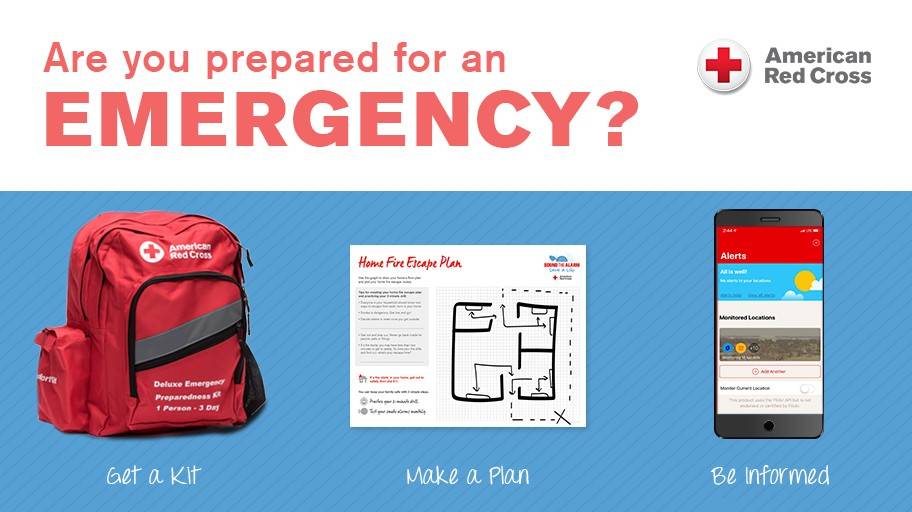
Start by discussing what to do in different emergencies. Choose safe places to meet near home and outside your neighborhood. Assign roles, like who grabs the emergency kit or contacts neighbors. Practice your plan regularly to keep everyone familiar with it. Update the plan when family members or contacts change.
Building An Emergency Kit
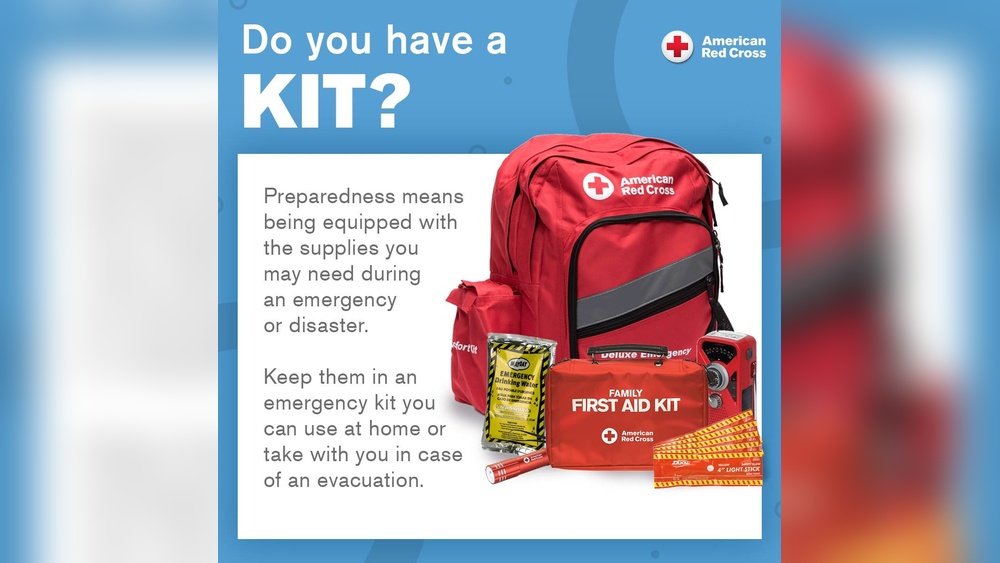
Gather essential items to last at least three days. Include water—one gallon per person per day—and non-perishable food. Add a flashlight, batteries, and a first aid kit. Pack important documents, cash, and medications. Don’t forget supplies for babies, pets, or special needs. Store the kit in an easy-to-access spot.
Communication Strategies
Plan how to stay in touch if phones or internet fail. Choose an out-of-town contact everyone can call or text. Teach family members how to send emergency messages. Keep a list of important phone numbers written down. Use social media or apps only if available and safe to do so.

Credit: www.amazon.com
Common Criticisms
The American Red Cross plays a vital role in emergency preparedness. Still, it faces several common criticisms. These critiques often focus on financial management and the nature of aid provided. Understanding these concerns helps donors and the public make informed decisions.
Administrative Costs
One frequent criticism is the high administrative costs. Some argue that a large part of donations goes to salaries and office expenses. This can reduce the money available for direct disaster relief. Reports have highlighted this issue, especially after major emergencies. Critics believe more funds should reach affected people quickly.
Transparency Concerns
Transparency is another major concern. Donors want clear information about how their money is spent. Some say the Red Cross lacks detailed reporting on fund allocation. This causes doubts about the organization’s accountability. Better transparency could build more trust with supporters and the public.
Short-term Aid Focus
The Red Cross is often seen as focusing mainly on short-term aid. Critics say it provides immediate relief but less support for long-term recovery. This can leave communities vulnerable after initial help ends. Some suggest the organization should balance emergency response with ongoing rebuilding efforts.
Response To Criticisms
The American Red Cross faces criticism about its emergency preparedness efforts. Questions arise about how funds are used and how well the organization responds to disasters. The Red Cross addresses these concerns openly. It aims to improve transparency and effectiveness. Understanding their response helps build trust and shows their commitment to helping communities.
Financial Challenges
The Red Cross manages millions of dollars each year. Handling large amounts of money comes with challenges. Some funds cover long-term projects, not immediate aid. This can cause confusion about where donations go. The organization works to balance spending on relief and future preparedness. They provide detailed reports to explain financial decisions.
Operational Expenses
Running emergency services requires many resources. Vehicles, equipment, and trained staff all cost money. These expenses are necessary for quick and effective responses. Some critics see these costs as too high. The Red Cross explains that operational expenses support lifesaving actions. Without them, disaster relief efforts would slow down or stop.
Role In Disaster Relief
The American Red Cross plays a key role in disaster response. It provides shelter, food, and medical care to affected people. The organization also coordinates with local and federal agencies. Criticism sometimes focuses on the speed of aid delivery. The Red Cross continues to improve response times and communication. Their goal is to help communities recover as fast as possible.
Alternative Support Options
Alternative support options offer vital help during emergencies. They work alongside the American Red Cross to strengthen disaster response. These options provide unique resources and specialized aid for affected communities. Exploring different support channels ensures broader coverage and faster recovery.
Specialized Charities
Specialized charities focus on specific needs during disasters. They provide targeted aid such as medical care, mental health support, or shelter. These groups often serve vulnerable populations like children or the elderly. Partnering with specialized charities increases the variety of help available.
Local Community Groups
Local community groups play a key role in emergency preparedness. They know the area and its unique risks well. These groups organize drills, share information, and assist neighbors in need. Their close connection helps speed up relief efforts after a disaster.
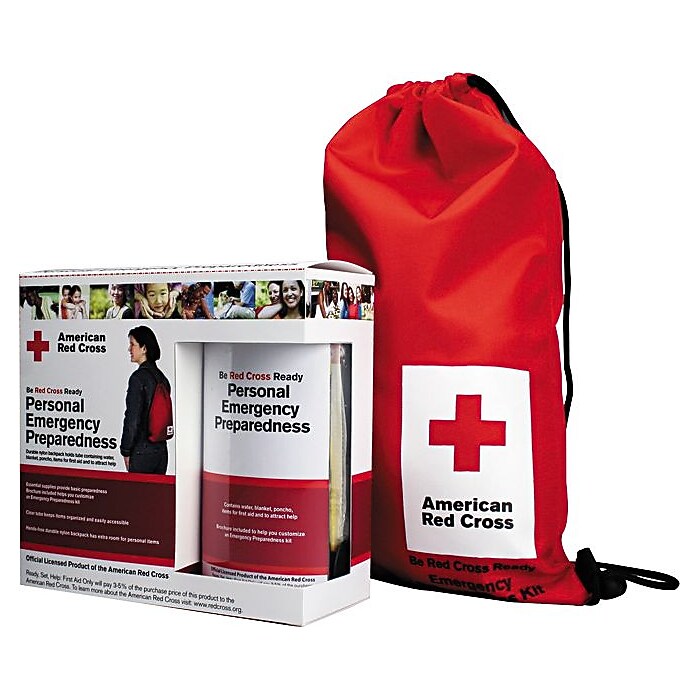
Long-term Recovery Efforts
Long-term recovery efforts focus on rebuilding after emergencies. They help communities restore homes, jobs, and essential services. These efforts include counseling, financial aid, and infrastructure repair. Supporting long-term recovery ensures communities become stronger and more resilient.
Credit: www.staples.com
Frequently Asked Questions
What Is The American Red Cross Preparedness Program?
The American Red Cross preparedness program helps businesses, schools, and organizations plan for emergencies. It offers free self-assessments, tools, and tips to improve readiness and safety.
What To Stockpile For 72 Hours?
Stockpile water (one gallon per person per day), non-perishable food, medications, first aid kit, flashlight, batteries, hygiene items, and important documents for 72 hours.
Why Do People Say Not To Donate To Red Cross?
People criticize the Red Cross for high administrative costs, lack of spending transparency, and limited long-term disaster recovery efforts.
What Are The 5 P’s Of Preparedness?
The 5 P’s of preparedness are: People, Places, Plans, Procedures, and Practice. These ensure readiness for emergencies.
Conclusion
Preparing for emergencies saves lives and reduces damage. The American Red Cross offers simple steps and helpful resources. Families and communities can build stronger plans together. Stay informed, gather supplies, and practice safety drills regularly. Ready action helps face storms, fires, or power outages with confidence.
Trust in these guidelines to protect yourself and loved ones. Emergency readiness is a shared responsibility worth the effort. Start today to create a safer tomorrow for everyone.