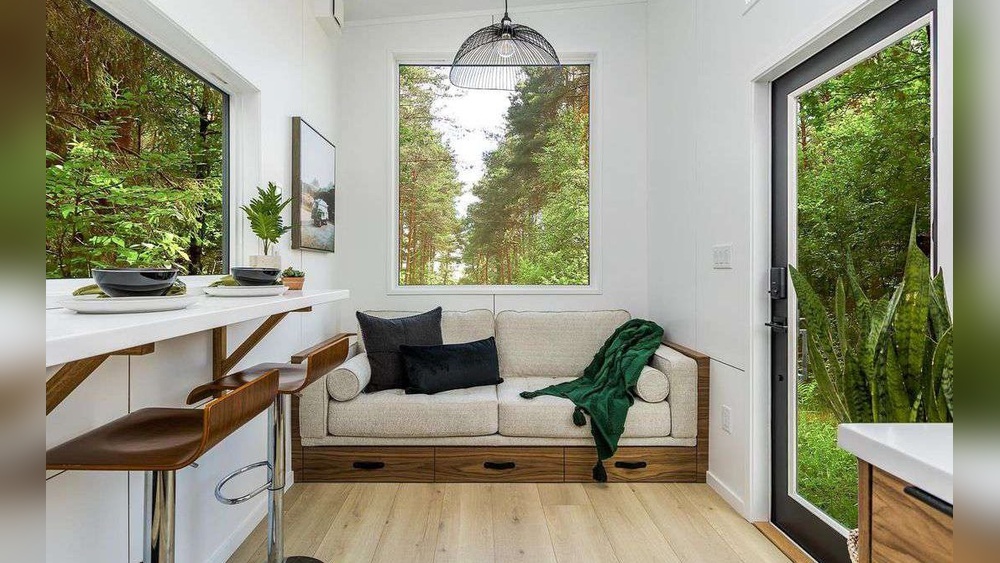

Living in a tiny home means every inch counts. You want your space to feel comfortable, stylish, and organized without feeling cramped.
That’s why choosing unique space-saving furniture is a game-changer for your tiny home. Imagine furniture that does double duty—like a sofa that turns into a bed or a table that folds neatly away when not in use. These smart pieces help you unlock hidden storage, keep your living area clutter-free, and make your home feel much bigger than it really is.
Ready to discover clever furniture ideas that transform your tiny home into a cozy, efficient haven? Keep reading to find the best solutions designed just for you.
Credit: www.kaikodesign.com.au
Multifunctional Furniture
Multifunctional furniture is essential for tiny homes. It helps save space by combining two or more uses into one piece. Such furniture makes small living areas practical and comfortable.
Choosing multifunctional furniture means less clutter and more open space. It allows you to adapt your home to different needs without adding extra items. This type of furniture fits perfectly in tiny homes where every inch counts.
Sofa Beds And Storage Ottomans
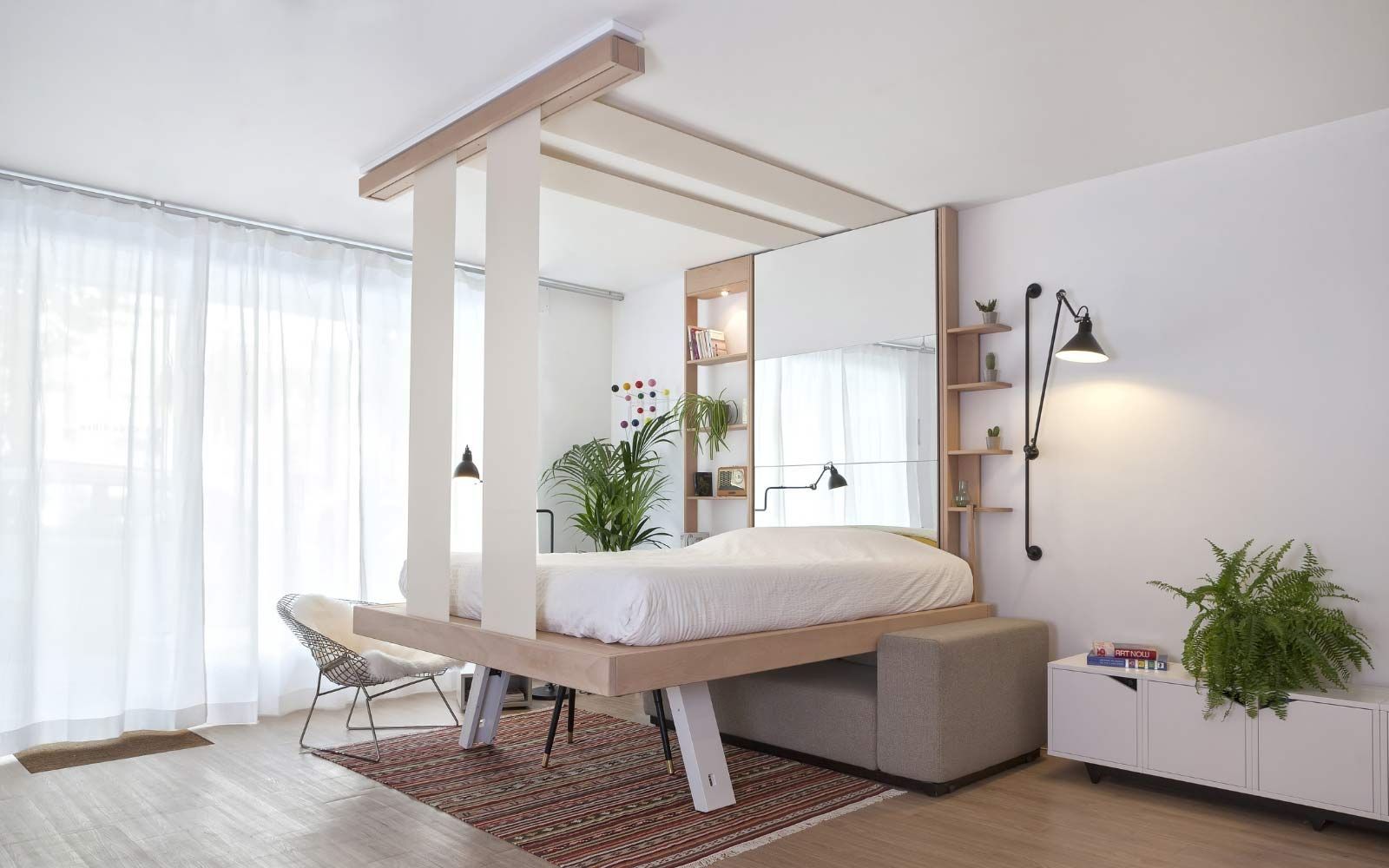
Sofa beds serve as both seating and sleeping areas. They transform easily from a couch to a bed in seconds. This saves space by eliminating the need for a separate bedroom.
Storage ottomans offer hidden compartments inside. They store blankets, pillows, or toys while providing a comfortable seat. These ottomans keep the living area tidy and organized.
Fold-down Tables And Desks
Fold-down tables attach to walls and fold flat when not in use. They create workspace or dining areas without taking permanent space. Perfect for kitchens, offices, or craft rooms.
Fold-down desks offer a compact work area that disappears after use. This allows more floor space for other activities. Great for tiny home offices or study corners.
Benches With Hidden Storage
Benches with hidden storage combine seating with extra space inside. You can store shoes, books, or cleaning supplies beneath the seat. This dual function helps keep floors clear and rooms neat.
These benches fit well in entryways, dining nooks, or bedrooms. They provide comfortable seating plus valuable storage in one piece of furniture.
Built-in And Custom Pieces
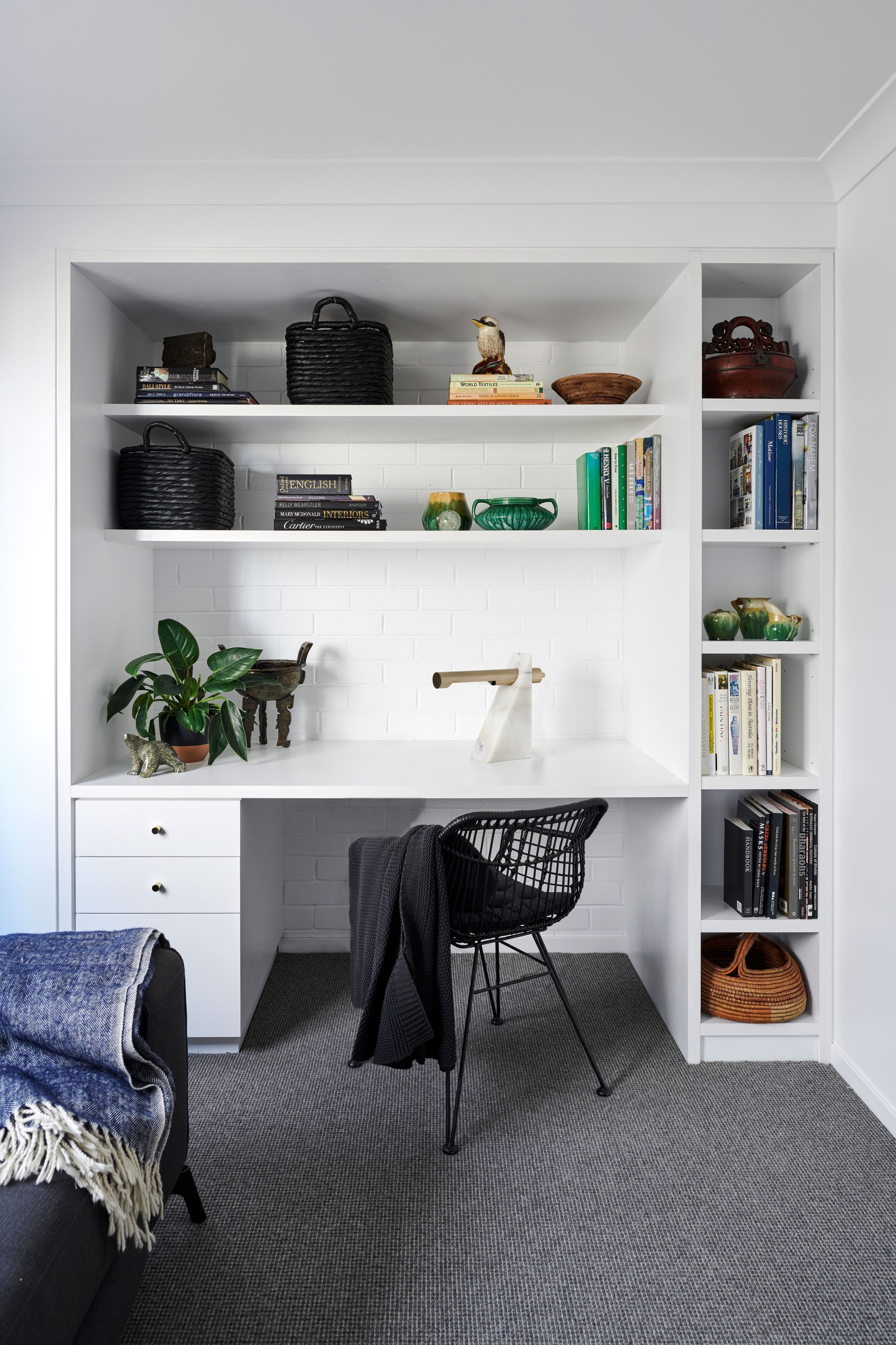
Built-in and custom furniture pieces are perfect for tiny homes. They fit your space exactly and use every inch wisely. These pieces help keep your home neat and functional without extra clutter.
Custom designs make your home feel larger. They create hidden storage and multi-use areas. You get furniture that blends with your style and meets your needs.
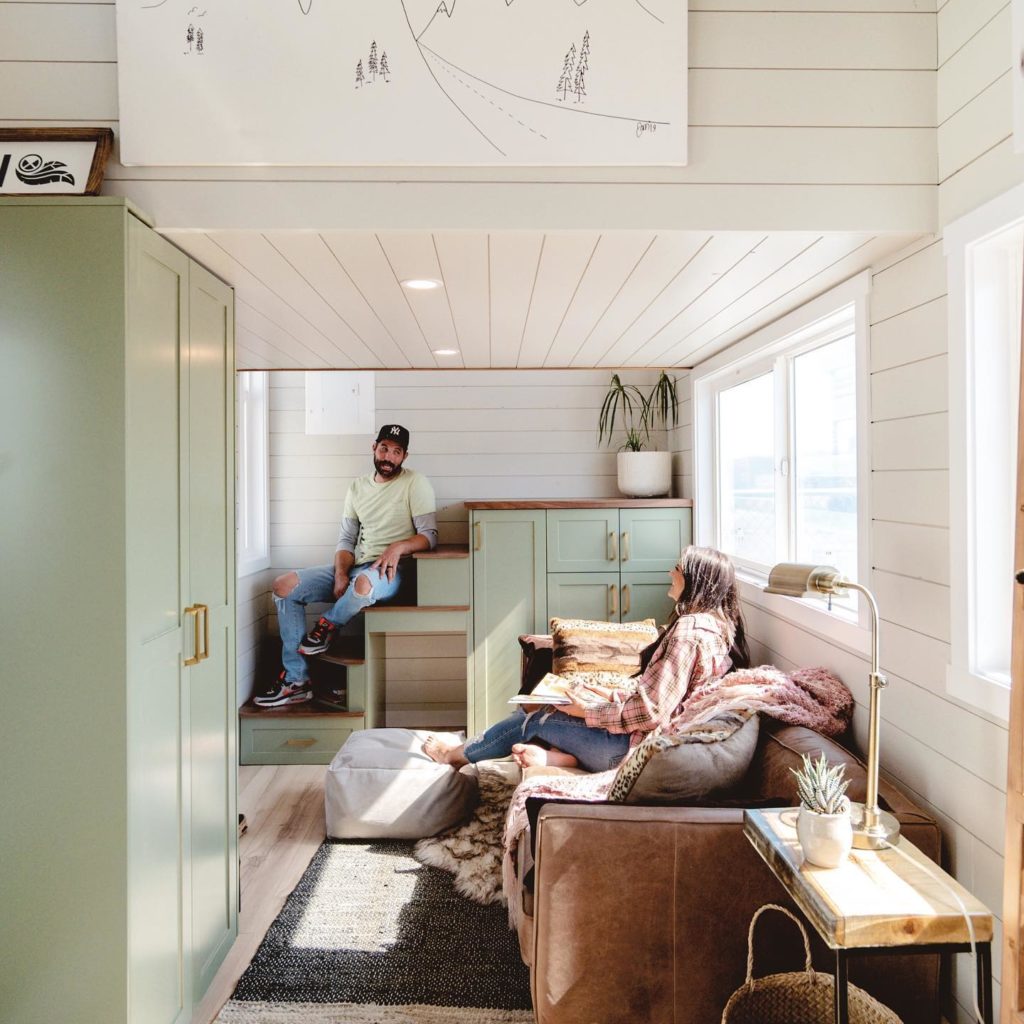
Under-stair Drawers And Cabinets
Stairs often hide empty spaces. Turning these spaces into drawers or cabinets adds valuable storage. You can store shoes, books, or kitchen items here.
This design keeps things out of sight and easy to reach. It helps reduce clutter in small rooms. Under-stair storage uses space that usually goes unused.
Custom Corner Units
Corners are tricky in small homes. Custom corner units fit perfectly and hold many items. They can be shelves, desks, or seating areas.
These units make corners useful and stylish. They save floor space and add storage or work areas. Custom corners help you organize better.
Integrated Bar Seating
Bar seating saves space and adds function. A built-in bar with stools fits small kitchens or living rooms well. It serves as a dining table or work desk.
This seating design keeps the floor clear and opens up the room. Bar counters can include storage underneath. It’s a smart way to eat, work, and store items.
Vertical And Overhead Storage
Vertical and overhead storage makes tiny homes feel larger and more organized. Using walls and ceilings frees up valuable floor space. This approach keeps items accessible without cluttering living areas.
Smart use of vertical space allows storage above eye level. It also helps separate different zones in a small home. Overhead storage works well for items you use less often.
Wall Shelves And Cabinets
Wall shelves provide open storage without taking floor space. They hold books, plants, or kitchen essentials neatly. Cabinets on walls offer hidden storage for a cleaner look.
Mount cabinets at different heights to fit your needs. Choose lightweight materials for easy installation. Open shelves create a sense of openness and display.
Ceiling Racks And High Cabinets
Ceiling racks are perfect for hanging pots, pans, or bikes. They use unused space above counters or walkways. High cabinets store seasonal items or tools safely out of reach.
Install sturdy racks with secure hooks for safety. High cabinets keep clutter off counters and floors. Both options expand storage without shrinking living areas.
Hooks And Pegboards On Doors
Hooks on doors hold coats, bags, and keys efficiently. Pegboards organize tools, kitchen utensils, or craft supplies. They turn empty door space into useful storage.
Use adjustable hooks to customize storage layouts. Pegboards offer flexibility for changing storage needs. This method keeps essentials easy to find and grab.
Credit: www.extraspace.com
Under-furniture Storage
Under-furniture storage is a smart way to save space in tiny homes. It uses the empty space below furniture to keep items neat and out of sight. This method helps keep rooms tidy without adding extra shelves or cabinets. Using the space under beds, sofas, and other furniture can make a big difference in small living areas.
Drawers Under Beds
Drawers under beds offer easy access to storage without taking extra room. They work well for clothes, shoes, and bedding. These drawers slide out smoothly and keep items dust-free. Choosing beds with built-in drawers is a smart choice for tiny homes. It helps use space that usually goes to waste.
Storage Beneath Sofas
Sofas with storage underneath hide blankets, pillows, and toys. This space is perfect for items you need often but want out of sight. Some sofas have lift-up seats that reveal a storage compartment below. Others come with pull-out drawers. Both options save floor space and keep the living area clutter-free.
Rolling Containers And Bins
Rolling containers fit easily under furniture and can be pulled out when needed. They help organize small items like books, craft supplies, or kitchen tools. Containers with wheels are simple to move and clean around. Clear bins let you see what’s inside without opening them. Rolling storage adds flexibility to tiny home living.
Organization Tools
Organization tools play a key role in tiny homes. They help keep every item neat and easy to find. Smart organization saves space and reduces clutter. This makes small living areas feel larger and more comfortable.
Choosing the right tools can turn a tiny home into a well-ordered space. Simple, practical items can improve daily life. Here are some of the best options to consider.
Drawer Dividers And Organizers
Drawer dividers create separate sections inside drawers. They stop items from mixing and cluttering. These organizers fit into kitchen drawers, desks, or bathrooms. Using them keeps utensils, tools, and cosmetics tidy. It also speeds up finding what you need.
Many dividers are adjustable or customizable. This allows you to change compartments based on your items. They come in plastic, wood, or bamboo materials. Choose the ones that fit your drawer sizes and style.
Rolling Carts For Mobility
Rolling carts add flexible storage that moves around. These carts work well in kitchens, bathrooms, or craft areas. You can roll them next to a workspace or tuck them away. It creates extra space only when needed.
Look for carts with multiple shelves or drawers. They hold spices, towels, or office supplies neatly. Some carts have locking wheels to stay put when you want. Their compact size fits well in tiny homes.
Pegboards For Kitchen And Tools
Pegboards mount on walls to hold tools and kitchen items. Hooks and shelves attach anywhere on the board. This vertical storage keeps things off counters and floors. It frees up precious surface space in small homes.
Use pegboards to hang pots, pans, utensils, or gardening tools. They keep items visible and easy to grab. Pegboards come in various sizes and colors. They also add a neat, organized look to your space.
Decluttering And Color
Decluttering and color play a vital role in making tiny homes feel spacious and inviting. A neat environment frees up physical and mental space, creating comfort. Thoughtful color choices enhance light and openness, helping small rooms look larger. These elements work together with unique furniture to optimize tiny home living.
Regular Decluttering Habits
Keeping clutter under control is essential in tiny homes. Regularly sort through belongings and remove items you no longer need. Avoid accumulating unnecessary things that take up precious space. Make it a habit to organize daily, so clutter never builds up. This simple routine keeps your home tidy and more functional.
Light Color Palettes
Choose light colors for walls, furniture, and decor to brighten rooms. Whites, creams, soft blues, and pastels reflect natural light well. These shades create an airy feel and help rooms seem larger. Avoid dark colors that absorb light and make spaces feel smaller. Light palettes pair well with space-saving furniture designs.
Use Of Mirrors For Space Illusion
Mirrors create the illusion of depth and expand visual space. Place large mirrors opposite windows to reflect light and the outdoors. Mirrored furniture or wall panels also add brightness. This trick tricks the eye into perceiving a bigger room. Use mirrors strategically to enhance your tiny home’s openness without clutter.
Lighting And Visual Expansion
Lighting plays a key role in making tiny homes feel larger and more open. Good light brightens every corner and lifts the mood of a small space. Visual expansion tricks help create an airy feel without adding square footage. Natural light and smart window choices make the home inviting and roomy.
Maximizing Natural Light
Natural light makes rooms feel fresh and wide open. Place mirrors opposite windows to bounce light around. Use light-colored walls and minimal window treatments. Keep windows clean and clear to let in as much sunlight as possible. Light fills the space and reduces the need for artificial lighting during the day.
Skylights In Loft Areas
Skylights bring sunlight from above into lofts and upper rooms. They open dark spaces and add depth to the ceiling. Skylights also provide ventilation and a view of the sky. Choose energy-efficient models to keep the home comfortable year-round. Skylights turn tight spots into bright, airy retreats.
Large Windows And Glass Doors
Big windows and glass doors connect the indoors with the outdoors. They create a seamless flow and add visual space. Sliding glass doors save room while letting in light and fresh air. Choose windows with thin frames for a modern look. These features bring nature inside and make tiny homes feel less cramped.
Credit: foyr.com
Frequently Asked Questions
How To Maximize Space In A Tiny Home?
Maximize tiny home space by using multifunctional furniture, vertical storage, and wall hooks. Declutter regularly and maximize natural light for an open feel. Choose fold-down tables, under-bed storage, and custom built-ins to utilize every corner efficiently. Use light colors and mirrors to enhance spaciousness.
What Are Common Tiny House Mistakes?
Common tiny house mistakes include poor space planning, ignoring multifunctional furniture, insufficient storage, clutter buildup, and inadequate lighting. Avoid tight layouts, lack of vertical storage, and neglecting natural light to maximize comfort and usability in small spaces.
How Much Would It Cost To Build A 20×20 Tiny House?
Building a 20×20 tiny house typically costs between $30,000 and $60,000. Prices vary by materials, labor, and location.
What Couch Style Is Best For Small Spaces?
Slim, armless sofas and loveseats suit small spaces best. Choose multi-functional pieces with storage to save room. Compact sectional couches with clean lines also maximize seating without crowding. Select light-colored, minimalist designs to create an open, airy feel in tight areas.
Conclusion
Unique space-saving furniture transforms tiny homes into practical, cozy spaces. Multipurpose pieces save room and add comfort. Vertical storage and fold-down furniture keep floors clear. Custom-built items make use of hidden corners. Simple organization methods help maintain order daily. Small homes feel larger with smart furniture choices.
Embrace these ideas to enjoy every inch of your tiny home. Space matters, but so does style and function. Make your tiny home work perfectly for you.

