
Imagine stepping out of a warm shower and wrapping yourself in a cozy, warm towel every single time. Sounds perfect, right?
But have you ever wondered how a heated towel rack actually plugs in and works to keep your towels warm? If you’re curious about how this simple device fits into your home, you’re in the right place. By the end of this article, you’ll understand exactly how to plug in a heated towel rack safely and easily, making your bathroom experience more comfortable than ever.
Keep reading to discover the straightforward steps and tips that will change your daily routine for the better.
Types Of Heated Towel Racks
Heated towel racks come in different types based on how they get power. Each type has its way to plug in or work without a plug. Knowing these types helps you pick the right one for your bathroom.
Hardwired Models
Hardwired heated towel racks connect directly to your home’s electrical wiring. They need professional installation by an electrician. These models do not have a plug. They offer a clean look without cords. They work well for permanent setups and provide steady heat.
Plug-in Options
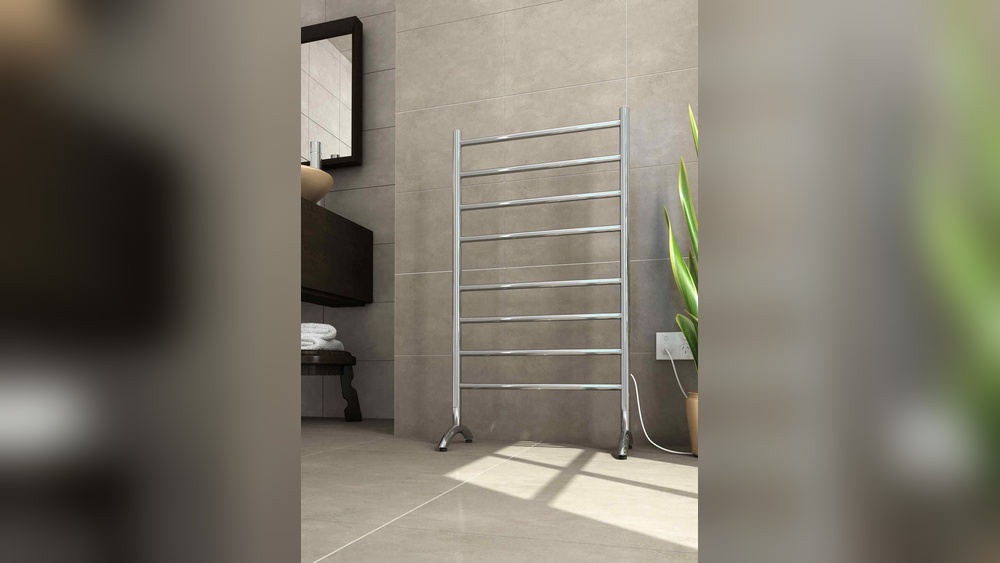
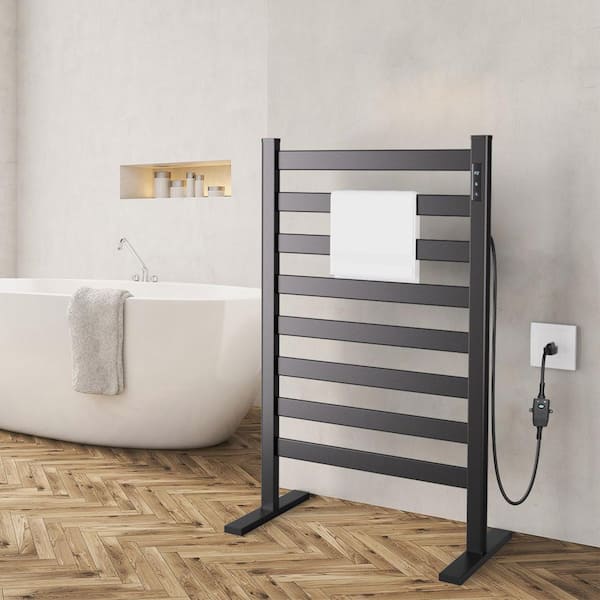
Plug-in heated towel racks use a power cord and plug into a standard outlet. They are easier to install than hardwired models. You can move them around if needed. These racks suit bathrooms with nearby electrical sockets. The cord may be visible, but some designs hide it well.
Battery-powered Variants
Battery-powered heated towel racks do not need wires or plugs. They run on rechargeable or replaceable batteries. These racks offer great flexibility and portability. They work best in small spaces or where no outlets exist. Battery life varies, so charging or changing batteries is necessary.
Choosing The Right Location
Choosing the right location for your heated towel rack plug is important. It helps your rack work safely and efficiently. The right spot makes your towels warm and dry, and keeps your bathroom safe. Consider power, moisture, and height for the best results.
Near Power Sources
Place the heated towel rack close to a power outlet. This avoids using long extension cords. Long cords can be dangerous in wet areas. A nearby power source keeps the installation neat and safe. Check the plug type matches your outlet for easy connection.
Avoiding Moisture Risks
Keep the plug away from water sources like sinks or showers. Moisture can cause electric shocks or damage the plug. Choose a dry spot with good ventilation. This protects your device and your safety. Use waterproof covers for extra protection if needed.
Optimal Height And Placement
Install the towel rack at a comfortable height for easy reach. Too high or too low can be inconvenient. Ensure the plug is accessible for plugging and unplugging. Keep the rack where towels can dry well without blocking walkways. Proper placement improves use and safety.
Plug-in Setup Essentials
Setting up a heated towel rack with a plug-in design is simple but needs care. Proper setup ensures safety and efficiency. It also helps your towel rack last longer and work better. This section covers the key points for plug-in setup essentials.
Selecting The Appropriate Outlet
Choose a dedicated outlet for your heated towel rack. Avoid sharing the outlet with heavy appliances. Check the outlet’s voltage to match the towel rack’s requirements. Use a standard wall outlet with the right power rating. This prevents overloads and ensures steady power supply.
Using Gfci Protection
Install a Ground Fault Circuit Interrupter (GFCI) outlet for safety. Bathrooms and damp areas need GFCI protection to stop electric shocks. The GFCI detects small electrical faults quickly. It shuts off power before harm occurs. This is crucial for devices near water, like heated towel racks.
Extension Cord Considerations
Avoid using extension cords for heated towel racks. Extension cords may cause voltage drops and overheating. If necessary, use a heavy-duty cord with proper rating. Keep the cord short and do not coil it. Always place cords away from water and heat sources.
Step-by-step Installation Guide
Installing a heated towel rack is simple with the right steps. This guide breaks down the process clearly. Follow each part carefully to ensure safety and function. Take your time and prepare your tools before starting.
Mounting The Rack Securely
Choose a wall near a power outlet. Use a level to mark where the rack will go. Drill holes for the mounting brackets. Insert anchors if the wall is drywall. Attach the brackets tightly with screws. Hang the rack on the brackets firmly. Check that the rack does not wobble.
Connecting The Power Cord
Locate the power cord on the rack. Plug the cord into a nearby outlet. Use a grounded outlet for safety. Avoid extension cords for permanent use. Make sure the cord is not stretched or pinched. Keep the cord away from water sources.
Testing The Heating Function
Turn on the power switch of the rack. Wait a few minutes for it to warm up. Feel the towel bars gently to check heat. Look for any unusual sounds or smells. If the rack does not heat, check the power connection. Contact support if problems continue.
Safety Tips For Plug-in Racks
Safety is very important when using a heated towel rack that plugs into the wall. These racks use electricity and heat, so careful handling can prevent accidents. Follow simple safety tips to protect your home and family.
Avoiding Electrical Hazards
Always plug the towel rack into a grounded outlet. Keep the cord dry and away from water sources. Do not use extension cords or power strips. Make sure your hands are dry before touching the plug. Turn off the rack when not in use to reduce risks.
Regular Maintenance Checks
Check the cord and plug for damage often. Look for frayed wires or loose connections. Clean the rack with a dry cloth to avoid moisture build-up. Test the rack to ensure it heats evenly. Replace parts if you notice any wear.
Handling Repairs Safely
Unplug the towel rack before any repairs. Use only parts recommended by the manufacturer. If unsure, hire a professional to fix electrical issues. Do not try to fix wires or heating elements yourself. Safety first keeps your rack working well.
Credit: www.homedepot.com
Energy Efficiency And Usage
Heated towel racks offer warmth and comfort while saving energy. Understanding their energy efficiency helps you use them smartly. These racks plug into standard outlets and consume different power levels. Knowing how to control and reduce usage keeps bills low and the environment safe.
Timer And Thermostat Features
Many heated towel racks include timers to limit running time. You can set the rack to turn off after a certain period. This prevents wasting electricity when towels are dry. Thermostats keep the rack at a steady temperature. They stop overheating and save power by adjusting heat as needed.
Reducing Power Consumption
Choose a rack with low wattage for energy savings. Use the timer to run the rack only when needed. Turn off the rack during warmer months or when away. Avoid leaving the rack on all day. These steps help cut electricity use and lower costs.
Best Practices For Daily Use
Plug the heated towel rack into a proper outlet for safety. Dry towels before placing them on the rack. Use the timer to run the rack before showers or baths. Clean the rack regularly to keep it working well. These habits improve efficiency and extend the rack’s life.
Troubleshooting Common Issues
Troubleshooting common issues with a heated towel rack helps keep it working well. Problems may arise with power, heating, or the cord. Knowing simple fixes saves time and effort.
Power Supply Problems
Check if the towel rack is plugged in properly. Sometimes the outlet may be loose or turned off. Test the outlet with another device to confirm power supply. Reset circuit breakers if needed. Avoid using extension cords, as they can cause power issues.
Heating Irregularities
The towel rack may not heat evenly or at all. Dirt or dust on the heating elements can block heat. Clean the rack gently with a dry cloth. Make sure the thermostat is set to the right temperature. Wait a few minutes for the rack to warm up fully before judging.
Cord And Plug Damage
Inspect the power cord and plug for visible damage. Frayed cords or bent plugs are safety hazards. Do not use the rack if the cord is damaged. Replace the cord or call a professional for repairs. Keep the cord away from water and sharp objects to avoid damage.

Credit: www.amazon.com

Credit: www.bathroombutler.com
Frequently Asked Questions
How Does A Heated Towel Rack Plug In?
A heated towel rack typically plugs into a standard electrical outlet using a built-in power cord. Some models have a hardwired connection for permanent installation. Always ensure the power source matches the rack’s voltage requirements for safe and efficient operation.
Can I Use Any Outlet For Heated Towel Rack?
Use a grounded outlet that meets the rack’s voltage and current specifications. Avoid using extension cords. Ideally, the outlet should be near the installation site and comply with local electrical codes for safety.
Is Professional Installation Needed For Plug-in Heated Towel Racks?
Plug-in heated towel racks are usually easy to install yourself. However, if electrical wiring changes or hardwiring is required, hiring a licensed electrician is recommended to ensure safety and compliance with regulations.
How Much Power Does A Heated Towel Rack Use?
Most heated towel racks consume between 50 to 150 watts. The exact power depends on the model and size. This low power usage helps warm towels efficiently without significantly increasing your electricity bill.
Conclusion
A heated towel rack plugs into a standard outlet easily. It warms towels quickly and keeps them dry. Installation is simple and does not need special tools. Just plug it in and switch it on. This small device adds comfort to your bathroom.
It also helps reduce dampness and mildew. Choosing the right rack depends on your space and power source. Enjoy warm towels every day with minimal effort. A heated towel rack is a smart bathroom upgrade anyone can use.