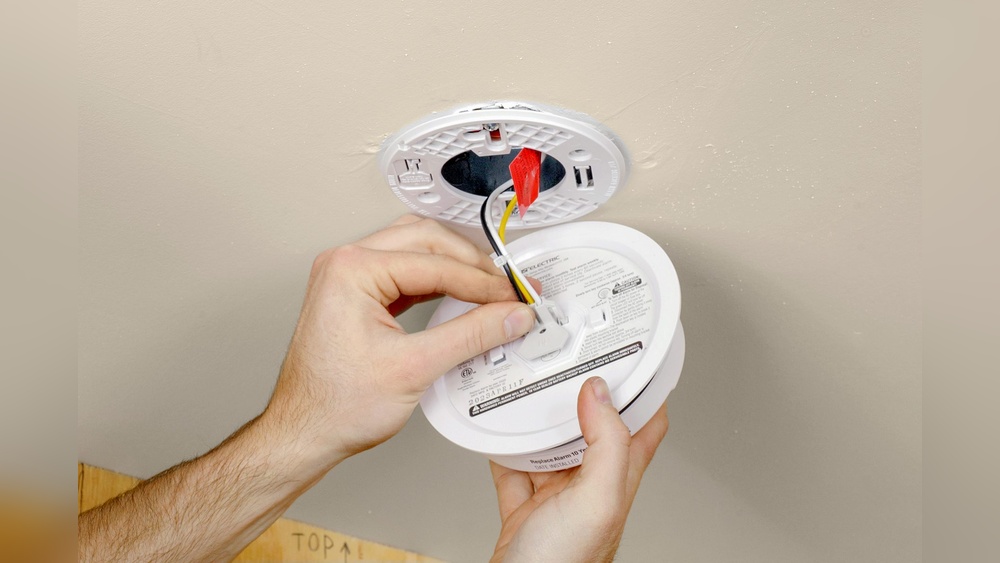

Your home’s safety depends on smoke detectors that work without fail. Battery-powered alarms are good, but hardwired smoke detectors offer a constant, reliable shield against fire risks.
If you want to protect your loved ones and property better, learning how to hardwire smoke detectors is a smart move. In this guide, you’ll discover simple, clear steps to install them yourself—no electrician needed. Keep reading to find out how you can boost your home’s safety quickly and confidently.
Why Hardwire Smoke Detectors Matter
Hardwired smoke detectors offer reliable safety for homes and businesses. They connect directly to your building’s electrical system. This means they have constant power and do not rely only on batteries. A steady power source helps prevent detector failure during power outages.
Many hardwired units also link together. When one detector senses smoke, all alarms sound. This feature alerts everyone faster, increasing chances to escape danger. Hardwired smoke detectors meet strict safety codes. They provide peace of mind by protecting your property and family.
What Makes Hardwired Smoke Detectors Reliable
Hardwired detectors draw power from the house wiring. This ensures they are always on and ready. Battery-only alarms can fail if batteries die or go missing. Hardwired units often include a backup battery for extra safety. This double protection reduces false alarms and power loss risks.
How Interconnected Alarms Improve Safety
Interconnected alarms communicate through wiring or wireless signals. If one alarm triggers, all alarms sound together. This early warning reaches all rooms quickly. It helps people react faster and evacuate safely. Interconnection is especially useful in large houses or multi-level buildings.
Compliance With Safety Standards
Building codes often require hardwired smoke detectors in new homes. They meet national fire safety standards. Using hardwired units helps pass inspections and avoid fines. Following codes ensures your smoke detectors work as expected. It also supports insurance requirements in many areas.
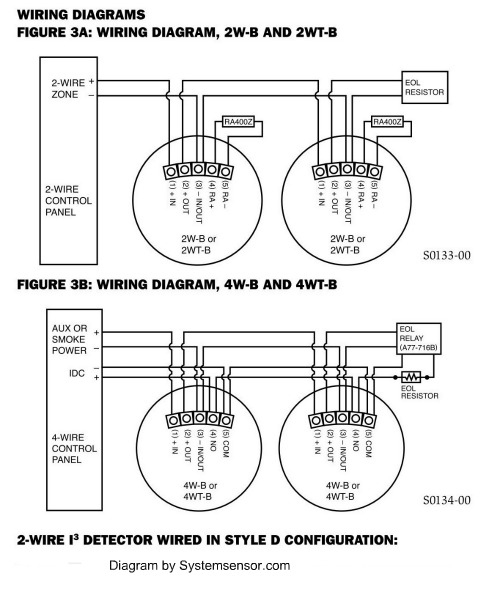
Credit: www.home-security-systems-answers.com
Tools And Materials Needed
Hardwiring smoke detectors requires specific tools and materials. Having everything ready saves time and makes the process safer. You can avoid trips to the store by preparing in advance.
Each item plays a role in proper installation. Some tools help with wiring, while materials ensure the detector works well. Below is a list of what you need.
Essential Tools For Hardwiring Smoke Detectors
You need a screwdriver, usually Phillips and flathead types. Wire strippers help remove insulation from electrical wires safely. A voltage tester checks if wires have current before touching them. A drill with bits may be necessary for mounting the detector. Needle-nose pliers assist in bending or twisting wires. Electrical tape secures wire connections and prevents shorts.
Materials Required For Installation
Purchase smoke detectors designed for hardwiring. Use wire nuts to connect wires securely. Electrical cables must meet local code requirements. Junction boxes protect wire connections inside walls or ceilings. Mounting brackets or plates hold the detector in place. Batteries are often needed for backup power during outages.
Safety Gear To Protect Yourself
Wear safety goggles to shield your eyes from debris. Use insulated gloves to avoid electric shocks. A dust mask keeps you safe from particles in old ceilings or walls. Have a sturdy ladder for reaching high spots. Good lighting helps you see clearly while working.
Safety Precautions Before You Start
Before starting to hardwire smoke detectors, safety comes first. Working with electricity can be dangerous without proper care. Taking the right precautions helps avoid accidents and ensures a smooth installation.
Spend time preparing your workspace. Clear the area and gather all necessary tools. A safe environment reduces risks and makes the job easier.
Turn Off The Power
Cut power to the circuit you will work on at the breaker box. Double-check that the power is off using a voltage tester. Never assume wires are safe to touch.
Use Proper Tools And Equipment
Choose tools designed for electrical work. Insulated screwdrivers and wire strippers protect against shocks. Wear safety goggles and gloves for extra protection.
Follow Local Electrical Codes
Check local rules for smoke detector installation. Codes ensure safety and proper function. Meeting these standards prevents future problems and fines.
Understand Your Wiring
Know the type of wiring in your home. Identify the live, neutral, and ground wires before connecting. Mistakes can cause short circuits or device failure.
Work In A Well-lit Area
Good lighting helps you see wires and connections clearly. Avoid working in dim or dark places. Clear visibility reduces errors and improves safety.
Credit: www.westridgeelectric.com
Locating The Best Spots For Installation
Choosing the right place for your hardwired smoke detectors is very important. Proper placement ensures early warning and keeps your home safe. Smoke rises, so detectors must be placed where smoke can reach them fast. Some areas work better than others.
Install Smoke Detectors On Ceilings
Ceilings are the best spot for smoke detectors. Smoke rises directly to the ceiling first. Place detectors in the center of the ceiling, away from corners. Avoid areas near windows or vents where airflow might delay smoke detection.
Place Detectors Near Bedrooms
Install smoke detectors close to bedrooms. This helps wake sleeping family members quickly in case of fire. Hallways outside sleeping areas work well. Make sure each bedroom has a detector nearby for safety.
Avoid Kitchen And Bathroom Areas
Do not install smoke detectors too close to kitchens or bathrooms. Steam and cooking smoke can cause false alarms. Keep detectors at least 10 feet away from these places. This reduces unnecessary noise and keeps alarms reliable.
Cover Multiple Levels Of Your Home
Place detectors on every floor of your home. Smoke can spread differently on each level. Install detectors in basements, main floors, and upper stories. This gives full coverage and better protection for your family.
Turning Off Power Safely
Turning off the power safely is a vital step before hardwiring smoke detectors. It prevents electric shocks and protects your tools. Always respect electricity. It can be dangerous if handled carelessly.
Before starting any work, locate the correct circuit breaker. This controls the power to the area where you will install the smoke detector. Turning off the right breaker ensures safety and avoids interruptions.
Locate The Circuit Breaker Panel
Find the main breaker panel in your home. It is often in the basement, garage, or utility room. The panel contains switches that control electricity to different parts of your house.
Look for labels on the panel door. They help identify which breaker controls your smoke detector area. If labels are missing, test each breaker carefully.
Switch Off The Correct Breaker
Flip the switch for the breaker that powers the smoke detector location. Make sure it is fully off. Do not guess or turn off random breakers.
Turning off the right breaker stops electricity flow. It keeps you safe while working on the wiring. Double-check the switch position before proceeding.
Verify Power Is Off
Use a voltage tester or multimeter to check the wires. Touch the tester to the wires where you will work. No light or sound means the power is off.
Do not skip this step. A breaker may be faulty or mislabeled. Testing confirms your safety before touching wires.
:max_bytes(150000):strip_icc()/install-hardwired-smoke-detectors-1152329_FINAL-5233cb01c4f34ee1bae5860132624788.png)
Credit: www.thespruce.com
Wiring Basics For Smoke Detectors
Understanding the wiring basics for smoke detectors is key to a safe home. Proper wiring ensures the detectors work well together. This can help alert everyone quickly during a fire.
Smoke detectors can be hardwired to your home’s electrical system. This means they connect directly to power and often include a backup battery. The wiring links multiple detectors so they sound an alarm at the same time.
Electrical Wires In Smoke Detector Wiring
Most smoke detectors have three wires. A black wire carries the power from the home circuit. A white wire is the neutral wire. A red or yellow wire connects multiple detectors for interconnection.
Always turn off power before working with these wires. Use a voltage tester to check wires are safe to touch.
Using A Junction Box
A junction box keeps all wire connections safe and secure. It also protects wires from damage. The box should be mounted near the ceiling or where the detector is installed. All wires connect inside this box with wire nuts.
Connecting Multiple Smoke Detectors
To connect several smoke detectors, use the interconnect wire. This wire links the red or yellow wires from each detector. When one alarm sounds, all alarms will ring. This alerts everyone in the house quickly.
Step-by-step Installation Process
Installing hardwired smoke detectors is a smart choice for home safety. This process ensures the detectors get constant power and stay connected. Follow these clear steps to install your smoke detectors correctly. Each step is easy to follow and helps keep your home protected.
Removing Old Detectors
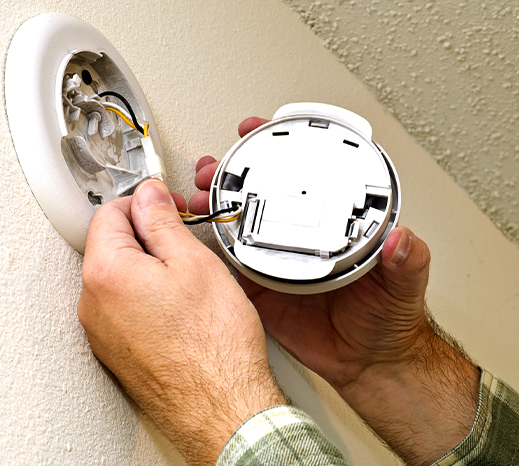
Turn off the power from the main electrical panel first. Use a screwdriver to remove the old detector from the ceiling or wall. Gently pull the detector away to expose the wiring. Disconnect the wires by loosening the wire nuts. Keep the wires separated and safe for the next step.
Connecting The Wires
Identify the wires: usually black (hot), white (neutral), and a red or yellow wire for interconnect. Connect the matching wires from the detector to the house wires. Use wire nuts to secure each connection tightly. Make sure no bare wire is exposed. Double-check the connections before moving on.
Mounting The Detector
Attach the mounting bracket to the ceiling or wall with screws. Align the detector with the bracket and twist it into place. Ensure it is snug and secure. The detector should not wobble or feel loose. Proper mounting helps the detector work well and last longer.
Restoring Power
Turn the power back on at the main electrical panel. Test the smoke detector by pressing the test button. Listen for a loud alarm sound. If the alarm works, your installation is complete. If not, turn off the power and check all connections again.
Testing Your Hardwired Smoke Detectors
Testing your hardwired smoke detectors is crucial for home safety. It ensures the devices work correctly and alert you in case of fire. Regular testing helps catch problems early and keeps your family protected.
Test each smoke detector at least once a month. This simple step confirms the alarm sound, battery backup, and wiring function properly. Do not skip this important safety check.
How To Test The Alarm Sound
Press and hold the test button on the smoke detector. You should hear a loud, clear alarm within a few seconds. If the sound is weak or does not start, the unit needs attention.
Check The Battery Backup
Hardwired detectors use battery backup during power outages. Remove the battery and press the test button. The alarm should still sound. Replace batteries if there is no alarm or if batteries are old.
Inspect The Wiring Connections
Turn off the power to the smoke detectors at the circuit breaker. Remove the detector from its mounting bracket. Look for loose or damaged wires. Fix or replace any faulty wiring before reinstalling.
What To Do If The Detector Fails
Replace the smoke detector immediately if it does not pass testing. Faulty alarms put your home at risk. Use a detector that meets safety standards and is compatible with your wiring system.
Maintaining Your Smoke Detectors
Maintaining your smoke detectors is key to keeping your home safe. These devices need regular care to work properly. Smoke detectors can fail if not checked often. Simple steps help keep them ready to alert you in case of fire.
Regular Testing
Test your smoke detectors every month. Press the test button until you hear the alarm. This check ensures the sensor and sound work well. If the alarm does not sound, replace batteries or the unit.
Battery Backup Checks
Hardwired smoke detectors have battery backups. Check these batteries twice a year. Replace old or weak batteries to avoid failure during power outages. Use fresh batteries to keep backup power strong.
Cleaning Tips
Dust and dirt can block smoke detectors. Clean the outside with a soft brush or cloth. Avoid using water or cleaning sprays. Keep vents clear to let smoke enter the sensor quickly.
Troubleshooting Common Issues
Troubleshooting common issues with hardwired smoke detectors helps keep your home safe. Problems may stop the detector from working correctly. Fixing these problems quickly is important.
Some issues happen often and have simple solutions. This guide shows easy steps to solve these troubles. You can check your system and make sure it works well.
Identifying False Alarms
False alarms can be annoying and confusing. Dust or insects inside the detector cause many false alarms. Clean the detector gently with a soft brush or vacuum.
Check if the detector is near a cooking area or bathroom. Steam and smoke may trigger the alarm. Move the detector if needed to reduce false alarms.
Power Supply Problems
Hardwired smoke detectors need steady power from your home wiring. A loose wire connection can cut power. Turn off the main power before checking wires.
Make sure all wires are tight and connected properly. Replace any damaged wires. Test the alarm after fixing the connections.
Interconnection Issues
Many hardwired smoke detectors connect to work together. If one detector does not sound when others do, the link may be broken.
Check the interconnect wire for any breaks or loose ends. Ensure all detectors use the same system and brand. Replace faulty units to restore the connection.
Battery Backup Failure
Most hardwired detectors have backup batteries. These batteries keep the alarm working during power outages. Replace batteries every year or when low battery sounds.
Use the correct battery type suggested by the manufacturer. Test the alarm regularly to ensure the backup works.
Frequently Asked Questions
What Tools Are Needed To Hardwire Smoke Detectors?
You need a voltage tester, wire strippers, screwdriver, drill, and electrical tape. Safety gear like gloves and goggles is also important.
Can I Hardwire Smoke Detectors Myself Safely?
Yes, if you follow electrical codes and turn off power first. Hiring a professional is recommended for complex wiring.
How Do I Connect Smoke Detectors To Home Wiring?
Locate the circuit breaker, turn off power, connect detector wires to home wires using wire nuts, then secure and test.
Do Hardwired Smoke Detectors Require Battery Backups?
Yes, most models include battery backups to ensure operation during power outages for continuous safety.
Conclusion
Hardwiring smoke detectors keeps your home safer. It ensures all alarms work together. Regular checks help avoid failures and false alarms. Always follow safety steps during installation. Professional help is wise if unsure about wiring. A well-installed system protects your family better.
Stay alert, stay safe.