
Is your hardwired smoke detector constantly chirping and driving you crazy? That annoying beep can disrupt your peace, make it hard to focus, and even keep you up at night.
But don’t worry—you’re not alone, and fixing it is easier than you think. You’ll discover simple, step-by-step solutions to stop that irritating sound for good. Keep reading to regain your calm and make your home quiet again.
Common Causes Of Chirping
Hardwired smoke detectors are designed to protect your home. They alert you with a chirping sound when something needs attention. Understanding why your smoke detector chirps helps you fix the problem quickly. Several common causes trigger this annoying noise.
Low Battery Issues
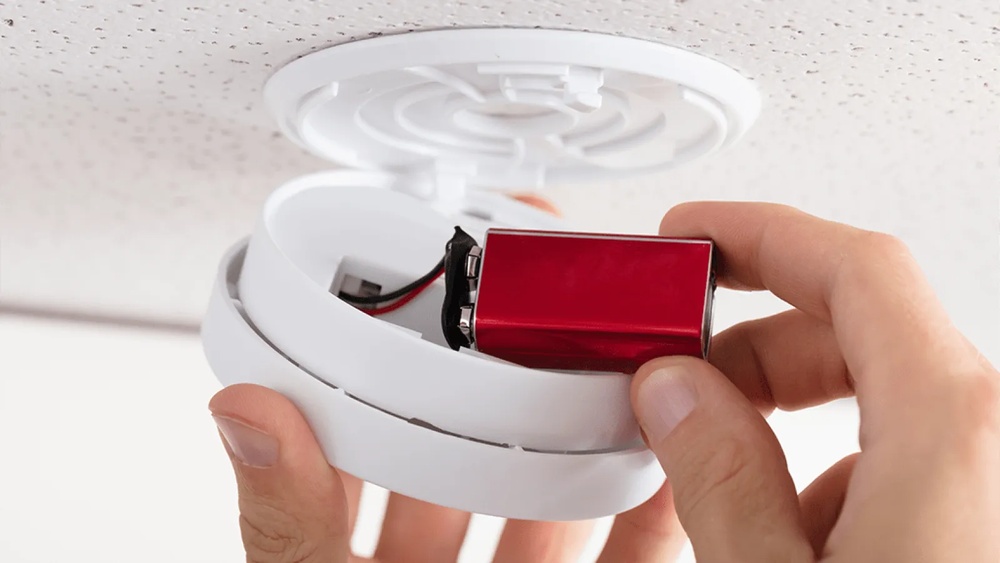
Even hardwired smoke detectors have backup batteries. These batteries keep the alarm working during power outages. A weak or dead battery causes the detector to chirp regularly. Replacing the battery often stops the chirping sound fast.
Power Supply Interruptions
Hardwired smoke detectors rely on your home’s electrical system. A loose wire or power outage can disrupt the supply. This interruption causes the detector to chirp as a warning. Checking the wiring or circuit breaker can solve this problem.
Dust And Debris Buildup
Dust, dirt, and spider webs can enter the smoke detector. These block the sensors and make the alarm chirp. Cleaning the device with a soft brush or vacuum removes the buildup. Regular cleaning keeps the detector working properly.
End Of Device Life
Smoke detectors have a limited lifespan, usually 8 to 10 years. After this time, the device may start to chirp. This signal means it is time to replace the smoke detector. Using an old detector risks your safety and is not recommended.
Credit: www.rsandrews.com
Immediate Steps To Silence Chirping
Chirping from a hardwired smoke detector can be annoying and distracting. It often signals a small issue that needs quick attention. Taking immediate steps can stop the noise and keep your home safe.
Follow these simple actions to silence the chirping right away. These steps are easy and do not require special tools or skills.
Resetting The Smoke Detector
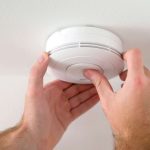
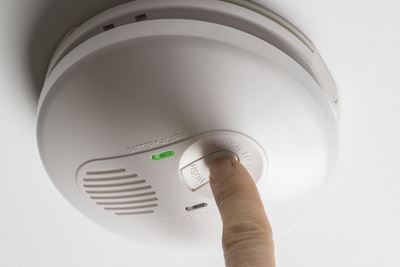
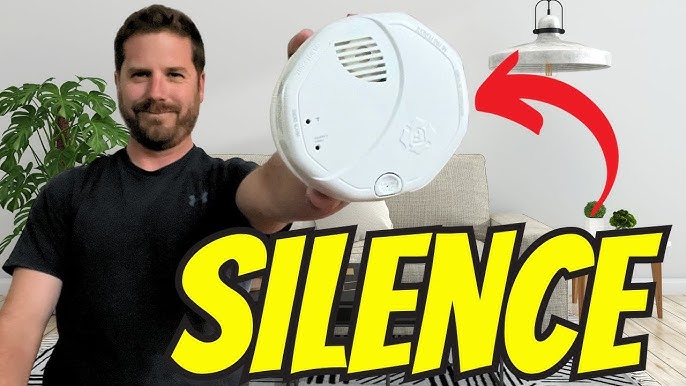
First, try resetting the smoke detector. Press and hold the test button for 15 to 20 seconds. This can clear minor errors causing the chirp. After releasing, wait a few moments to see if the chirping stops.
If the sound continues, try unplugging the unit from its power source. Wait about 30 seconds before reconnecting it. This soft reset often fixes the issue quickly.
Checking And Replacing Batteries
Even hardwired detectors have backup batteries. These batteries keep the unit working during power outages. Dead or low batteries are common reasons for chirping.
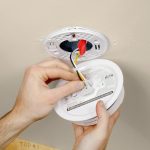
Remove the detector from its base carefully. Check the battery compartment and replace old batteries with fresh ones. Use the type recommended by the manufacturer. After replacing, reattach the detector and test it by pressing the test button.
Cleaning The Unit
Dust and dirt can cause false alarms and chirping. Use a soft brush or vacuum cleaner with a brush attachment. Gently clean around the smoke detector vents and casing.
Do not use water or cleaning sprays inside the detector. Keep the unit free from debris to maintain proper function. Clean detectors last longer and work better without false chirps.
Inspecting Electrical Connections
Inspecting electrical connections is key to stopping a hardwired smoke detector from chirping. Loose wires or poor connections often cause these annoying sounds. Checking these parts carefully can help find the root of the problem and fix it fast.
Before starting, always turn off the power at the circuit breaker. Safety first. Use a screwdriver to open the smoke detector and look at the wiring inside. Keep an eye out for any damage, corrosion, or loose wires.
Ensuring Proper Wiring
Proper wiring keeps the smoke detector working well. Each wire must connect to the right terminal. Check the colors: black for hot, white for neutral, and green or bare for ground. Wrong connections can cause the detector to chirp. Make sure wires are tightly wrapped around screws and not frayed.
Testing Power Continuity
Test power continuity to confirm electricity flows through the wires. Use a multimeter set to continuity mode. Touch the probes to the wires at different points. A beep or reading means power is continuous. No sound or reading means there is a break. This helps find where the power cuts off.
Addressing Loose Connections
Loose connections can cause frequent chirping. Tighten any screws holding wires in place. If wires are loose in the connector, twist them together and secure with a wire nut. Make sure the wires do not move easily. Check all connections inside the detector and at the junction box.

Credit: www.youtube.com
Advanced Troubleshooting
Advanced troubleshooting helps solve persistent chirping in hardwired smoke detectors. Basic fixes may not work for complex issues. This section covers steps to take when simple methods fail. These steps ensure your smoke detector functions properly and stops chirping.
Replacing The Smoke Detector
Sometimes, the smoke detector is old or faulty. Replacing it often stops the chirping completely. Turn off power at the circuit breaker before removal. Disconnect the old unit carefully. Install a new smoke detector that matches your home’s wiring. Follow the manufacturer’s instructions for safe installation. Test the new detector to ensure it works well.
Consulting A Professional Electrician
Some problems require expert help. A licensed electrician can find wiring or electrical faults causing chirping. They use special tools to check connections and power supply. Hiring a professional prevents damage and keeps you safe. Schedule an inspection if the chirping persists after replacement. Proper diagnosis often solves hidden electrical issues.
Preventive Tips To Avoid Chirping
Chirping smoke detectors can be annoying and disruptive. Taking steps to prevent chirping saves time and stress. Simple habits help keep your smoke detectors working well. Follow easy tips to avoid those constant beeps.
Regular Maintenance Schedule
Check your smoke detectors every month. Test the alarm to confirm it works. Replace batteries at least once a year. Mark your calendar for these checks. Regular maintenance keeps detectors reliable and quiet.
Using Quality Batteries
Choose good brand batteries for your smoke detectors. Cheap batteries run out fast and cause chirping. Use fresh batteries with correct voltage. Avoid mixing old and new batteries in the same unit. Quality batteries ensure long-lasting power and silence.
Keeping The Detector Clean
Dust and dirt can trigger false alarms and chirps. Clean your smoke detectors every few months. Use a soft brush or vacuum to remove dust. Avoid spraying cleaners directly on the device. Clean detectors work better and chirp less.
Credit: www.youtube.com
Frequently Asked Questions
Why Is My Hardwired Smoke Detector Chirping?
A chirping hardwired smoke detector usually signals a low battery or a wiring issue. Check and replace the backup battery. Inspect the wiring for loose connections to stop the chirping sound promptly.
How Do I Reset A Chirping Hardwired Smoke Detector?
To reset, turn off the power at the circuit breaker. Remove the detector, disconnect the battery, press and hold the test button for 15 seconds, reconnect the battery, and restore power. This can clear minor faults causing the chirp.
Can A Dirty Smoke Detector Cause Chirping?
Yes, dust and debris can trigger false chirping. Clean the detector regularly with a vacuum or soft brush. Proper cleaning ensures the sensor works correctly and prevents unnecessary chirps.
How Often Should I Replace Smoke Detector Batteries?
Replace smoke detector batteries at least once a year. Some recommend doing it every six months for safety. Regular battery changes keep your detector functioning and prevent annoying chirps.
Conclusion
Stopping a hardwired smoke detector from chirping can be simple. Check the battery and replace it if needed. Clean the detector to remove dust and dirt. Make sure all wires connect properly. Regular checks help keep your home safe and quiet.
Follow these steps to fix the annoying chirp fast. Stay calm and act carefully for the best result. Your smoke detector will work well without unwanted noise. Safety matters, so don’t ignore those small sounds.