
Is your smoke detector beeping nonstop and driving you crazy? That annoying sound can be hard to ignore, especially when it happens at the worst times.
You might worry it means something serious or wonder how to make it stop safely. The good news is, you don’t have to live with that constant beep. In this guide, you’ll discover simple steps to silence your smoke detector quickly and keep your home safe.
Keep reading—you’ll find easy solutions that anyone can follow.

Credit: waynealarm.com
Reasons For Beeping
Smoke detectors beep to alert you about important issues. These sounds warn about safety risks or maintenance needs. Understanding why your smoke detector beeps helps fix the problem quickly. Here are common reasons behind the beeping sound.
Low Battery Alerts
Most smoke detectors beep when their battery runs low. This alert is a reminder to replace the battery soon. The beeping usually occurs at regular intervals. Ignoring this warning can cause the detector to stop working.
Dust And Dirt Buildup
Dust and dirt can block the smoke detector’s sensors. This blockage causes false alarms or beeping noises. Cleaning the detector gently with a vacuum or soft cloth stops the beeping. Regular cleaning keeps the device working well.
Humidity And Temperature Effects
High humidity or extreme temperatures can trigger false beeps. Steam from showers or cooking smoke can also cause alerts. Placing the detector away from kitchens and bathrooms helps reduce false alarms. Proper placement keeps it accurate.
End Of Life Warning
Smoke detectors have a limited lifespan, usually around 8-10 years. When near the end, the device starts beeping to signal replacement time. Check the manufacture date on the detector to confirm its age. Replacing old detectors ensures home safety.
Quick Battery Replacement
Quick battery replacement is the fastest way to stop a smoke detector from beeping. The beeping usually means the battery is low. Changing it can solve the problem in minutes.
Knowing how to pick the right battery and install it safely helps keep your home safe. Testing the detector after replacement ensures it works well.
Choosing The Right Battery
Check the smoke detector’s manual or back cover for battery type. Most use 9-volt or AA batteries. Use fresh batteries from a trusted brand. Avoid old or used batteries as they can cause more beeping.
Safe Removal And Installation
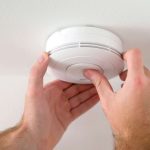
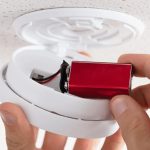
Turn off the smoke detector before removing the battery. Twist or slide the cover open gently. Take out the old battery carefully. Insert the new battery with correct polarity. Close the cover firmly to secure the battery.
Testing After Replacement
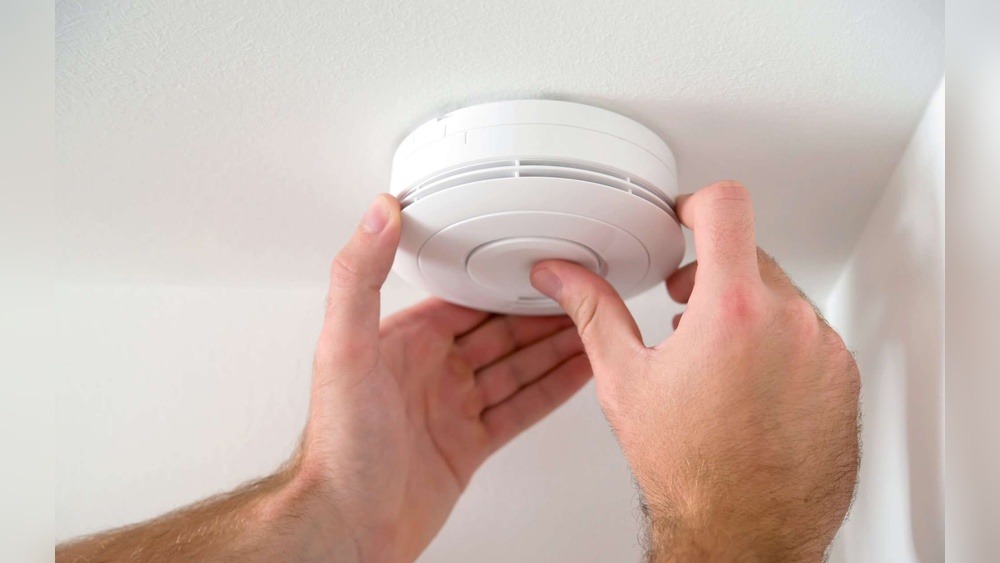
Press the test button on the smoke detector. Listen for a loud beep to confirm it works. If it beeps quickly and stops, the battery change was successful. Repeat testing monthly to keep the detector active.
Cleaning The Detector
Smoke detectors beep often because of dust and dirt inside them. Cleaning the detector helps stop these annoying sounds. It also keeps the device working well. Regular cleaning keeps the air safe and your home quiet.
Tools Needed
- Soft brush or small paintbrush
- Vacuum cleaner with brush attachment
- Microfiber cloth
- Compressed air can (optional)
- Step stool or ladder (if needed)
Step-by-step Cleaning Process
- Turn off the power to the smoke detector.
- Remove the detector from the ceiling or wall.
- Use the soft brush to gently remove dust.
- Vacuum the detector with the brush attachment.
- Blow compressed air into the detector to clear dust.
- Wipe the outside with a microfiber cloth.
- Reinstall the detector and turn the power back on.
- Test the detector to ensure it works.
Preventing Future Dust Issues
Keep your home clean and dust-free. Vacuum and dust rooms regularly. Avoid placing detectors near vents or kitchens. Check and clean your detectors every six months. Regular care stops dust build-up and false alarms.

Credit: www.youtube.com
Resetting The Smoke Detector
Resetting the smoke detector can stop it from beeping and keep your home safe. Sometimes, smoke detectors beep because of a small issue. Resetting clears the problem and makes the device work properly again.
There are simple ways to reset a smoke detector. These methods do not need special tools. Follow the steps carefully to fix the beeping sound quickly.
Manual Reset Methods
First, locate the smoke detector on your ceiling or wall. Press and hold the reset button for about 15 seconds. This action will stop the beeping sound. If your smoke detector does not have a reset button, try removing the battery for a few minutes. Then, put the battery back in and check if the beeping stops.
Using The Test Button
Most smoke detectors have a test button. Press and hold it for 20 seconds. This resets the internal system. The smoke detector may beep once or twice during this process. After that, it should stop beeping. Test the alarm by pressing the button again to make sure it works.
Power Cycle Reset
Turn off the power to the smoke detector at your circuit breaker. Wait for about 30 seconds. Turn the power back on. This power cycle resets the smoke detector’s electronics. If your smoke detector is battery-powered, remove the batteries before turning off the power. Replace the batteries after the reset. This method often solves persistent beeping issues.
Dealing With Humidity And Temperature
Smoke detectors often beep due to changes in humidity and temperature. High moisture or sudden temperature shifts can trigger false alarms. Understanding how to control these factors helps stop unwanted beeping. This section covers practical tips to manage humidity and temperature around your smoke detector.
Ideal Placement Tips
Place smoke detectors away from kitchens and bathrooms. These areas have high moisture and steam. Avoid installing detectors near windows or doors that open to the outside. Cold drafts or heat waves can cause false alarms. Choose a spot with stable temperature and low humidity. Ceiling placement is best, but keep them away from corners.
Reducing Moisture Exposure
Use exhaust fans in kitchens and bathrooms to reduce steam. Keep windows open during cooking or showering if possible. Fix any leaks or water damage near smoke detectors. Moisture build-up can cause sensors to beep. Wipe detectors gently to remove dust and moisture. Avoid spraying cleaners or water directly on them.
Adjusting Home Environment
Maintain steady indoor temperature to avoid sudden changes. Use a dehumidifier in rooms with high humidity. Keep indoor humidity below 60% for best results. Regularly check and replace HVAC filters to improve air flow. Proper ventilation reduces moisture and heat fluctuations. These steps help keep smoke detectors calm and silent.

Credit: www.angi.com
When To Replace The Detector
Knowing when to replace your smoke detector is important for safety. Old detectors may beep often and fail to protect your home. Timely replacement keeps your home safe from fire risks. Learn the signs that show your detector needs a change. Follow manufacturer advice and pick the right new unit for your space.
Signs Of Aging
Smoke detectors have a limited life span. A detector that beeps often without reason may be old. Dust or corrosion inside the unit can cause false alarms. The test button may stop working properly. Yellowing or cracks on the detector’s surface also show age. These signs mean the detector should be replaced soon.
Manufacturer’s Lifespan
Most manufacturers recommend replacing detectors every 8 to 10 years. Check the manufacturing date printed on the back of the unit. Follow this guideline to ensure your detector works well. Using it longer than recommended reduces its ability to detect smoke. Staying within the lifespan helps keep your family safe.
Choosing A New Unit
Choose a detector that fits your home and budget. Look for models with clear instructions and easy testing features. Battery-operated or hardwired options are available. Consider units with silence buttons to stop false alarms quickly. Buy detectors that meet safety standards for your region. Proper choice helps avoid frequent beeping and keeps your home protected.
Preventive Maintenance Tips
Keeping your smoke detector in good shape stops annoying beeps. Preventive maintenance helps your alarm work well and keeps your home safe. Simple steps can avoid false alarms and extend the detector’s life.
Regular Testing Routine
Test your smoke detector once a month. Press the test button until the alarm sounds. This confirms the detector is working properly. If it does not beep, replace the batteries or the unit.
Scheduled Cleaning
Dust and dirt can cause false beeping. Clean the smoke detector every six months. Use a vacuum or soft brush to remove dust. Avoid using water or cleaning sprays on the device.
Battery Replacement Schedule
Change the batteries at least once a year. Use fresh batteries recommended by the manufacturer. Low batteries often cause the alarm to beep. Keeping batteries fresh keeps the detector reliable.
Frequently Asked Questions
Why Does My Smoke Detector Keep Beeping?
Your smoke detector beeps due to low battery, dust buildup, or sensor issues. Regular maintenance can prevent false alarms and continuous beeping.
How Can I Stop A Smoke Detector From Beeping?
Replace the battery, clean the detector with a vacuum or soft cloth, and ensure it’s properly installed to stop beeping.
When Should I Replace A Smoke Detector?
Replace smoke detectors every 8-10 years or when they malfunction to ensure optimal safety and prevent false alarms.
Can Humidity Cause Smoke Detectors To Beep?
Yes, high humidity or steam can trigger false alarms. Keep detectors away from bathrooms or kitchens to reduce beeping.
Conclusion
Stopping a smoke detector from beeping can be simple and quick. Check the battery and replace it if needed. Clean the detector to remove dust or dirt. Make sure it is properly installed and not too close to cooking areas.
Regular maintenance helps keep your home safe and quiet. Don’t ignore constant beeping; it signals a problem. A well-functioning smoke detector protects your family every day. Stay alert, stay safe.