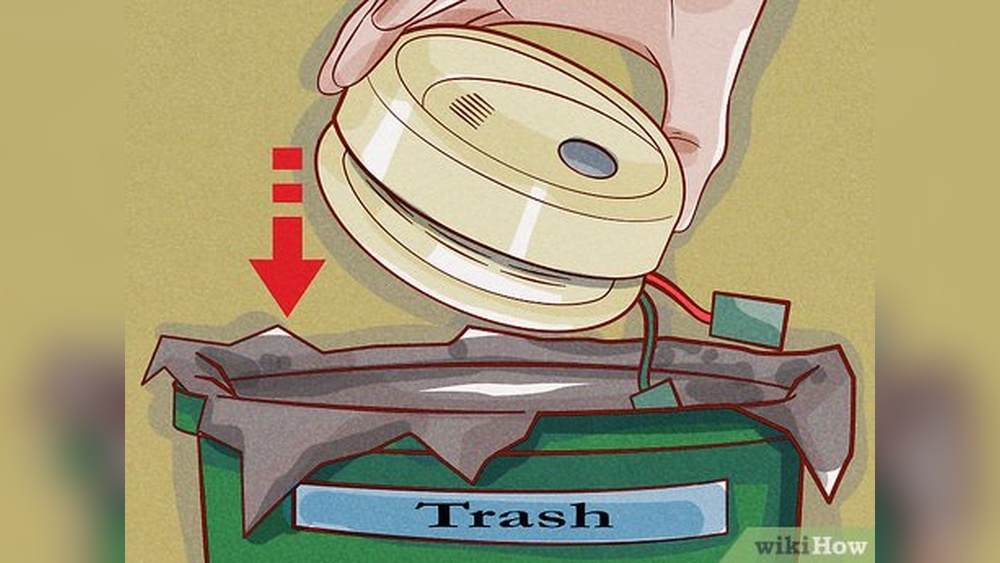

You have a smoke detector that’s reached the end of its life, and now you’re wondering, “How do I dispose of it safely?” It’s not as simple as tossing it in the trash. Your smoke detector contains small amounts of radioactive material and batteries that need special handling.
If you throw it away the wrong way, it could harm the environment or even cause safety risks. Keep reading to discover the easy, safe steps you can take to get rid of your old smoke detector the right way—protecting your home, your health, and the planet.
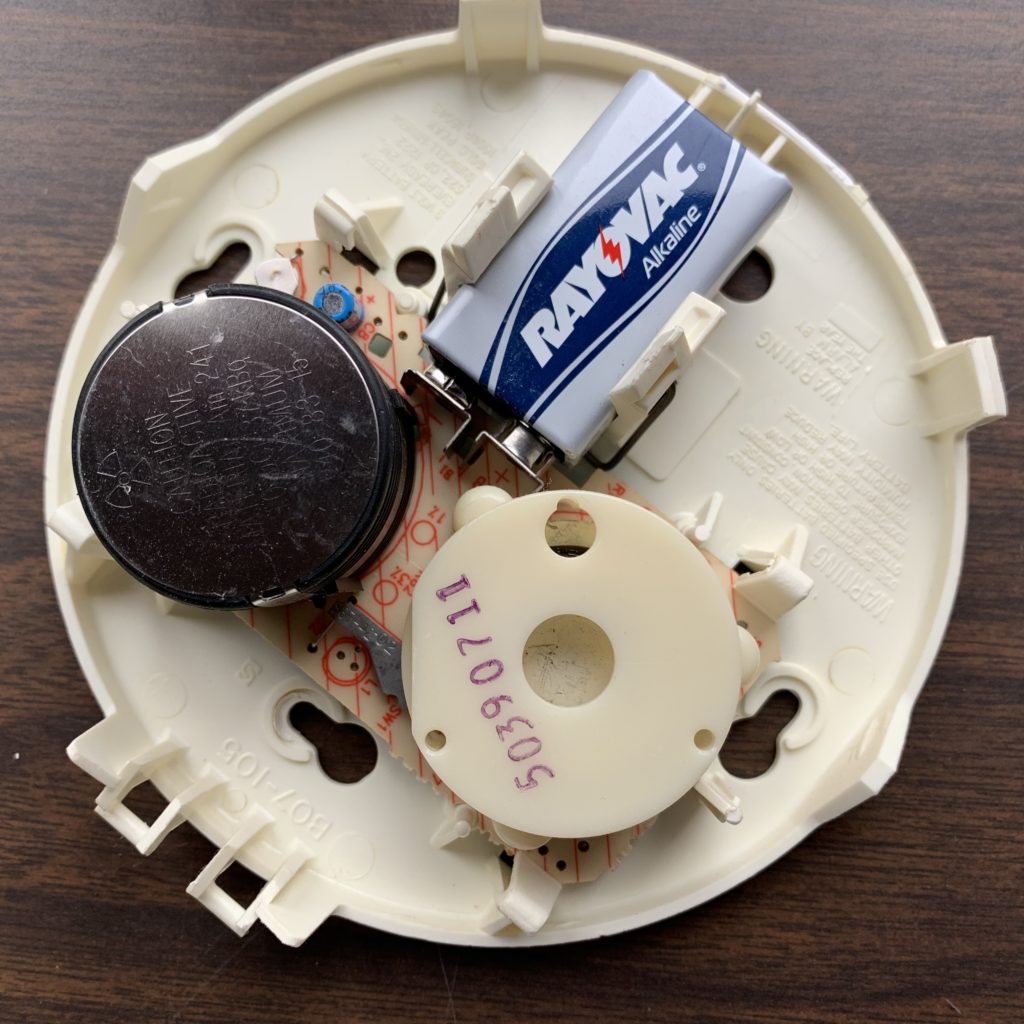
Credit: retrofitcompanies.com
Types Of Smoke Detectors
Smoke detectors help keep homes safe by alerting to fire early. Different types use different technology to detect smoke. Knowing these types helps you handle and dispose of them properly.
Ionization Detectors
Ionization detectors use a small amount of radioactive material. This material helps detect fast, flaming fires. They respond quickly to tiny smoke particles. These detectors are common and affordable. Their radioactive part needs careful disposal.
Photoelectric Detectors
Photoelectric detectors use light to sense smoke. They detect slow, smoldering fires well. Light scatters when smoke enters the sensor chamber. This triggers the alarm. They do not contain radioactive materials. Disposal is easier but still requires caution.
Combination Models
Combination models include both ionization and photoelectric sensors. They offer broader fire detection coverage. These detectors provide faster alerts for different fire types. Disposal must consider the ionization part’s radioactive material. Follow local rules for safe handling.
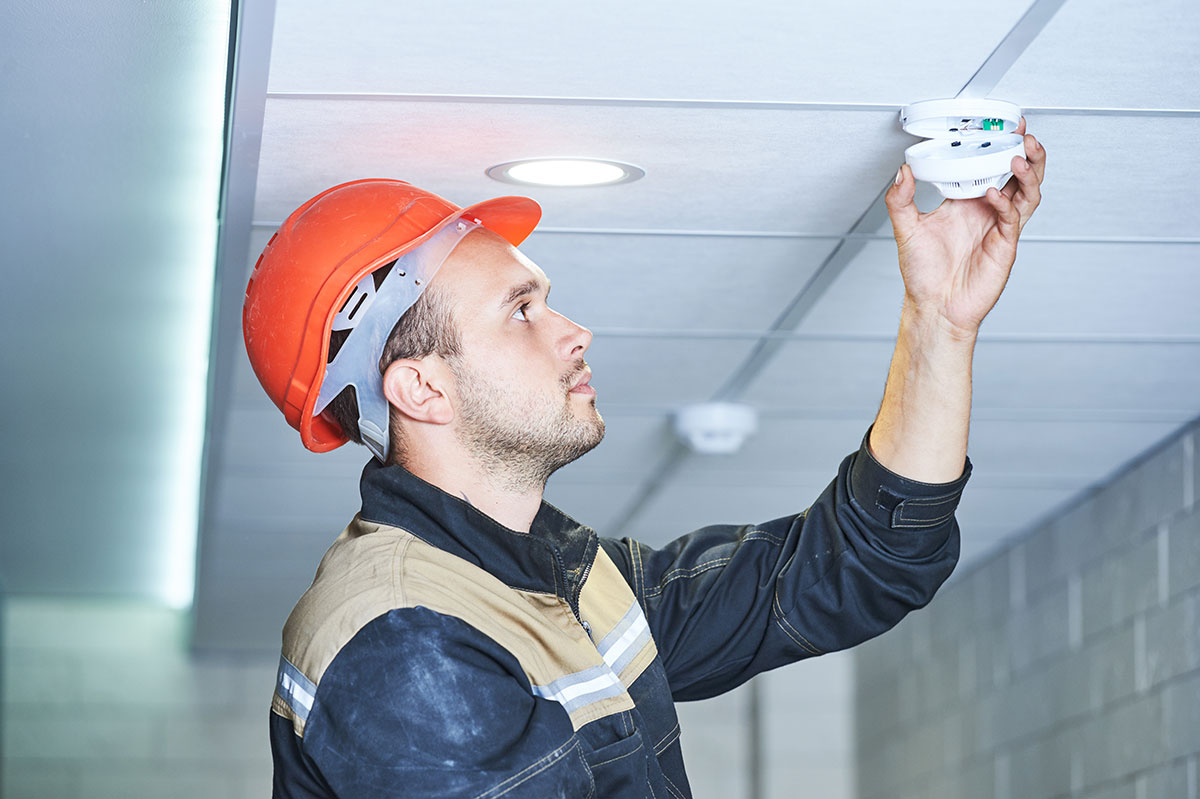
Credit: cleanmanagement.com
Why Proper Disposal Matters
Proper disposal of smoke detectors is very important. These devices contain materials that can harm people and the environment. Throwing them away carelessly can cause serious problems. Understanding why proper disposal matters helps protect health and nature.
Environmental Risks
Smoke detectors often contain small amounts of radioactive material. This material can leak into the soil and water if not handled correctly. Toxic chemicals inside the detector may pollute the environment. Landfills can become dangerous sites if these devices are thrown away with regular trash.
Improper disposal harms plants, animals, and ecosystems. The toxic substances can enter the food chain. This risk makes recycling or special disposal methods very important.
Safety Concerns
Smoke detectors may have batteries or electronic parts that can cause fires. Damaged devices might short-circuit and spark a fire. Removing or breaking detectors without care can release harmful dust or chemicals.
Disposing of smoke detectors safely protects waste workers and the public. Using designated collection points reduces these safety risks.
Steps Before Disposal
Before throwing away a smoke detector, follow a few important steps. These steps make sure you dispose of it safely and correctly. Handling the device carefully protects your home and the environment.
Turning Off The Detector
First, turn off the smoke detector. This stops any loud alarms from going off. Usually, there is a button to press for silence. If unsure, gently twist the detector to remove it from the ceiling or wall.
Removing Batteries
Next, take out the batteries from the smoke detector. This prevents battery leaks or fires during disposal. Use a small screwdriver if needed to open the battery compartment. Place the batteries in a safe container for recycling or special disposal.
Checking Manufacturer Instructions
Read the manual or look online for the manufacturer’s disposal advice. Different brands may have specific rules. Follow these instructions carefully to avoid damage or danger. Proper disposal helps keep the environment safe and clean.
Disposing Of Smoke Detectors Safely
Disposing of smoke detectors safely is important for your health and the environment. Smoke detectors contain small amounts of radioactive material or batteries that need special care. Throwing them in the trash can cause pollution or harm waste workers. Follow safe disposal methods to protect your home and community.
Local Disposal Regulations
Every area has rules for smoke detector disposal. Check with your city or town waste services. They explain how to handle old detectors. Some places allow dropping them off at special locations. Others require mailing them back to the manufacturer. Following these rules keeps your area safe and clean.
Recycling Options
Recycling smoke detectors reduces waste and saves resources. Some detectors can be recycled at electronics recycling centers. These centers separate parts like metal and plastic for reuse. Call local recycling facilities to see if they accept smoke detectors. Proper recycling prevents harmful materials from entering landfills.
Hazardous Waste Facilities
Smoke detectors with radioactive parts belong in hazardous waste facilities. These places handle dangerous materials safely. Find a nearby hazardous waste collection site through your local government. Drop off your smoke detector during special collection days. This keeps toxic substances from polluting the environment.
Battery Disposal Tips
Disposing of smoke detector batteries needs care. Improper disposal can harm the environment. Follow these battery disposal tips to stay safe and eco-friendly.
Knowing the battery type helps in proper handling and recycling. Removing batteries safely protects you from damage or leaks. Finding the right recycling center ensures batteries are handled correctly.
Types Of Batteries In Smoke Detectors
Smoke detectors use different battery types. Common ones include alkaline, lithium, and 9-volt batteries. Some models use sealed lithium-ion batteries. Check your detector to know which battery it uses. Each type needs different disposal methods.
Safe Battery Removal
Turn off the smoke detector before removal. Use gloves to avoid contact with battery acid. Gently twist or slide out the battery. Avoid using sharp tools to prevent damage. Store removed batteries in a plastic container. Keep them away from heat or metal objects.
Battery Recycling Centers
Many cities have battery recycling centers. These centers handle hazardous materials safely. Search for local recycling points online or at waste facilities. Some stores accept used batteries for recycling. Drop off your batteries to keep harmful chemicals out of landfills.
Replacing Old Smoke Detectors
Replacing old smoke detectors is important for home safety. Smoke detectors stop working well after many years. Old units might not alert you during a fire. Regular replacement keeps your family safe and your home protected.
When To Replace
Smoke detectors usually last about 10 years. Check the manufacturing date on the back. Replace the detector if it is older than 10 years. Also, replace if the alarm sounds weak or false alarms increase.
Choosing New Models
Pick smoke detectors with the latest technology. Look for models with photoelectric sensors for better smoke detection. Battery-powered or hardwired units both work well. Consider models with a 10-year sealed battery for less hassle.
Installation Tips
Install smoke detectors on every level of your home. Place them near bedrooms and in living areas. Mount detectors on the ceiling or high on walls. Test each unit after installation to ensure it works properly.
Common Mistakes To Avoid
Disposing of a smoke detector might seem simple. Many people make mistakes that can harm the environment or cause safety risks. Knowing what to avoid helps you throw away smoke detectors the right way.
Throwing In Regular Trash
Do not toss smoke detectors in your normal garbage. Many contain small amounts of radioactive material. This material needs special handling to avoid pollution. Regular trash goes to landfills where these materials can leak. This harms soil and water. Always check local recycling options for smoke detectors.
Ignoring Local Laws
Every area has rules about smoke detector disposal. Ignoring these laws can lead to fines. Some places require you to bring old smoke detectors to special centers. Others have mail-back programs. Follow the rules to protect the environment and avoid penalties.
Handling Damaged Units
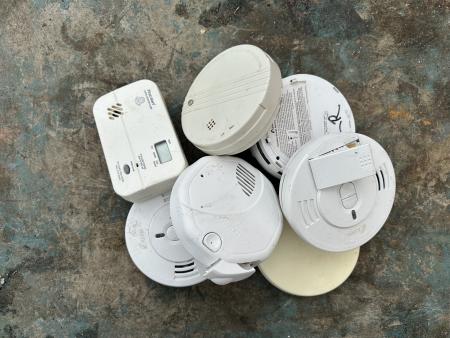
Damaged smoke detectors need extra care. Do not try to fix or break them yourself. Broken parts can release harmful substances. If your smoke detector is cracked or leaking, take it to a hazardous waste facility. Let experts manage damaged units safely.
Credit: oclandfills.com
Frequently Asked Questions
How Do I Safely Dispose Of A Smoke Detector?
To safely dispose of a smoke detector, remove the battery first. Check local regulations for disposal methods. Many areas require recycling due to radioactive components. Drop off at designated recycling centers or hazardous waste facilities. Never throw it in regular trash.
Can I Throw A Smoke Detector In The Trash?
No, throwing a smoke detector in the trash is usually illegal. Smoke detectors contain radioactive material and electronic parts. Proper disposal involves recycling or hazardous waste collection. Always follow local laws to ensure environmental safety and avoid fines.
Where Can I Recycle A Smoke Detector Near Me?
Many hardware stores and local waste centers accept smoke detectors for recycling. Check your community’s hazardous waste programs or recycling centers. Some manufacturers offer mail-back recycling options. Use these services to dispose of detectors safely and responsibly.
Why Shouldn’t I Just Throw Away A Smoke Detector?
Smoke detectors contain small amounts of radioactive material and electronic waste. Improper disposal can harm the environment and public health. Recycling prevents hazardous materials from entering landfills. Follow local disposal rules to ensure safe handling.
Conclusion
Disposing of a smoke detector safely helps protect people and the environment. Always check local rules for proper disposal methods. Some places accept old detectors at recycling centers or hazardous waste sites. Removing the battery before disposal is important. Never throw smoke detectors in regular trash without checking first.
Taking these simple steps keeps your home safe and helps the planet. Remember, careful disposal shows you care about safety and nature.