
Your home’s safety depends a lot on your smoke detectors. But are you sure your smoke detector is always working when you need it most?
Hardwiring your smoke detector can give you that extra peace of mind. It means a steady power source, fewer battery worries, and better protection for your loved ones. If you want to learn how to hardwire your smoke detector step-by-step, this guide is made just for you.
Keep reading, and you’ll discover easy tips that anyone can follow to boost your home safety right now.
Credit: www.home-security-systems-answers.com
Benefits Of Hardwired Smoke Detectors
Hardwired smoke detectors offer important benefits over battery-operated ones. They provide a stronger, more dependable way to protect your home. These systems connect directly to your home’s electrical wiring, ensuring continuous power. This connection makes them a reliable safety option for families and property owners.
Enhanced Reliability
Hardwired smoke detectors rarely lose power. They run on your home’s electricity, not just batteries. This means they stay active all the time. You don’t have to worry about changing batteries often. The steady power supply helps ensure your detector works when needed most.
Interconnected Safety
Hardwired smoke detectors link to each other inside your home. If one alarm senses smoke, all alarms sound. This feature alerts everyone quickly, even in far rooms. Faster warnings can help prevent serious harm. It improves safety for all household members.
Reduced Maintenance
These detectors need less upkeep than battery-only models. No frequent battery replacements save time and effort. You still test alarms regularly to check function. The wired system lowers the chance of detector failure. It helps keep your home safer with less hassle.
:max_bytes(150000):strip_icc()/install-hardwired-smoke-detectors-1152329-08-7adda3e3f25b408ca859f1f792f626e3.jpg)
Credit: www.thespruce.com
Essential Tools And Materials
Hardwiring a smoke detector needs some specific tools and materials. Having the right equipment makes the job safer and easier. This section covers the essentials you need before starting the installation.
Required Tools
You need a few basic tools for hardwiring smoke detectors. A screwdriver, usually Phillips head, helps attach the device. Wire strippers cut and strip the electrical wires safely. A drill may be necessary to create holes for mounting. A voltage tester ensures the power is off before working. Electrical tape secures wire connections. These tools make the process smooth and safe.
Safety Gear
Safety is key when working with electricity. Wear insulated gloves to protect your hands from shocks. Safety goggles keep dust and debris out of your eyes. Use a dust mask if drilling into ceilings. Avoid loose clothes that can catch on tools. These simple steps reduce injury risks during installation.
Smoke Detector Components
A hardwired smoke detector has several parts. The main unit contains sensors and alarms. A mounting bracket holds the detector on the ceiling or wall. Wire connectors link the smoke detector to your home’s electrical system. Some models include a backup battery for power outages. Understanding these parts helps with proper installation.
Preparing Your Home
Preparing your home is the first step before hardwiring smoke detectors. This ensures safety and a smooth installation process. Proper preparation reduces risks and saves time.
Power Shutoff
Turn off the main power to your home. This prevents electric shocks during installation. Use the circuit breaker panel to cut power. Double-check with a voltage tester to be sure.
Selecting Installation Spots
Choose spots on the ceiling or high on walls. Avoid corners or areas near vents. Place detectors in hallways and near bedrooms. Make sure the locations follow local safety codes.
Checking Existing Wiring
Inspect current wiring for damage or wear. Look for loose connections or exposed wires. Use a voltage tester to confirm power is off. Good wiring makes installation easier and safer.
Step-by-step Installation Guide
Installing a hardwired smoke detector can protect your home and family. This guide breaks down the process into clear, simple steps. Follow each step carefully to ensure your smoke detector works properly. Safety first. Turn off the power before starting any work.
Mounting The Detector Base
Choose a ceiling or high wall spot for the base. Use a pencil to mark the screw holes. Drill small pilot holes to make screwing easier. Attach the base using screws and anchors if needed. Make sure it sits flat and secure. The base is the foundation for your smoke detector.
Connecting Electrical Wires
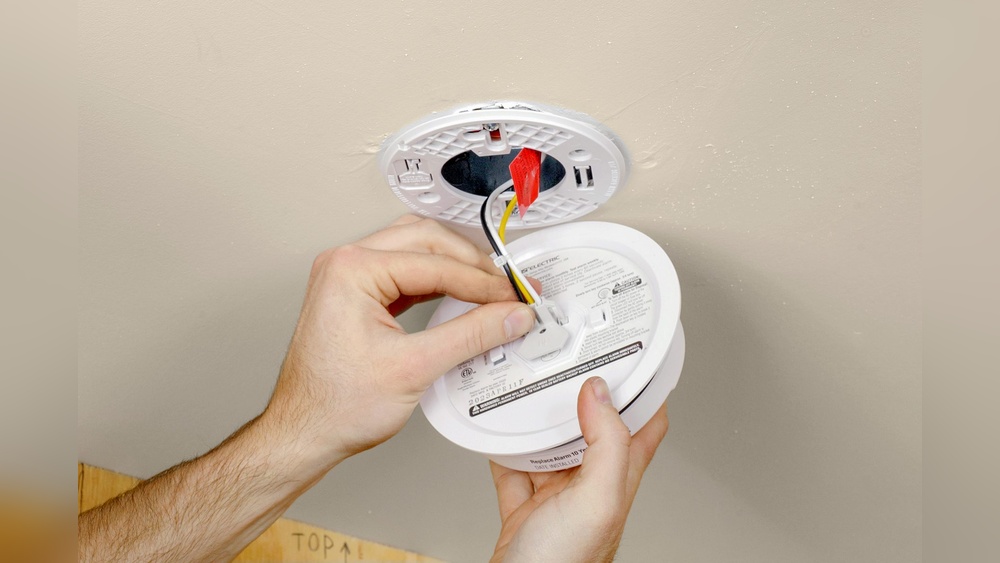
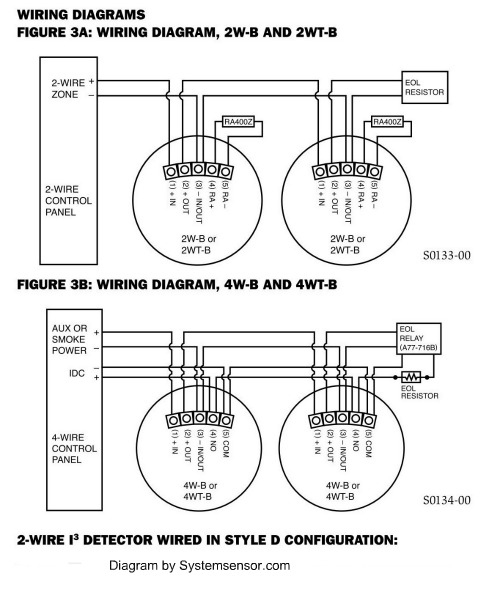
Locate the home’s power wires inside the electrical box. Use a voltage tester to confirm the power is off. Connect the smoke detector wires to the home wires. Match the black wire to black (hot) and white to white (neutral). Use wire nuts to secure the connections. If your detector has a red wire, connect it to the interconnect wire. Wrap connections with electrical tape for safety.
Securing The Smoke Detector
Align the smoke detector with the base’s slots. Twist or snap the detector into place. Check that it is firmly attached and does not wobble. Restore power and press the test button. The alarm should sound, showing it works correctly. Regularly test your smoke detector for safety.
Testing And Maintenance Tips
Testing and maintaining hardwired smoke detectors keeps your home safe. Smoke detectors must work properly to alert you fast. Regular checks prevent failures and false alarms. Follow these tips to ensure your detectors stay reliable.
Initial Function Test
After installing your hardwired smoke detector, test it right away. Press the test button on the unit. You should hear a loud alarm sound. If no sound comes, check the wiring or power source. Fix any issues before leaving the detector alone.
Regular Testing Routine
Test your smoke detectors every month. This ensures they still work well over time. Press the test button on each unit. Listen for the alarm sound. Replace or repair any detector that fails the test immediately.
Battery Backup Checks
Hardwired smoke detectors often have battery backups. These batteries work during power outages. Check the batteries twice a year. Replace batteries with fresh ones to avoid failure. Low batteries may cause beeping sounds—do not ignore them.
:max_bytes(150000):strip_icc()/install-hardwired-smoke-detectors-1152329_FINAL-5233cb01c4f34ee1bae5860132624788.png)
Credit: www.thespruce.com
Troubleshooting Common Issues
Troubleshooting common issues helps keep your hardwired smoke detector working well. Problems can stop the device from protecting your home. Knowing how to fix these issues saves time and keeps your family safe.
Check each part carefully. Many problems have simple solutions. This guide covers power problems, false alarms, and interconnection issues. Follow the steps to find and fix common faults quickly.
Detector Not Powering On
Check if the circuit breaker is on. A tripped breaker cuts power to the detector. Make sure the wiring connections are tight and correct. Loose wires stop electricity flow. Test the backup battery. A dead battery can prevent the detector from powering up. Replace it if needed. Confirm the smoke detector itself is not faulty. Swap with a new one to test if the problem continues.
False Alarms
False alarms can happen due to dust or insects inside the detector. Clean the unit gently with a vacuum or soft brush. Avoid harsh sprays or water. Cooking smoke or steam near the detector can trigger alarms. Move the detector farther from kitchens or bathrooms. Check if the detector is old. Replace it every 10 years for best performance. Make sure the detector is installed at the right height and location.
Interconnection Problems
Interconnected detectors alert all units when one senses smoke. If they do not connect, check wiring between detectors. Each wire must be secure and undamaged. Test all detectors individually to ensure power and function. Ensure all devices are compatible brands and models. Mismatched units may fail to communicate. Reset the system by turning off power, then back on. This often restores interconnection.
Safety Precautions To Remember
Hardwiring a smoke detector is important for home safety. It needs care and attention to avoid risks. Following safety rules helps keep you safe and ensures the device works right.
Working With Electricity
Turn off the power at the circuit breaker before starting. Use a voltage tester to check wires are dead. Wear insulated gloves to protect your hands. Avoid touching wires with wet hands. Keep tools dry and in good condition. Work slowly and carefully to avoid mistakes. Never bypass safety features on electrical devices.
Professional Help When Needed
Call a licensed electrician if you feel unsure. Complex wiring can be dangerous without experience. A pro ensures the smoke detector is installed safely. They follow local codes and standards strictly. Getting help saves time and reduces risks. It protects your home and your family.
Frequently Asked Questions
What Tools Are Needed To Hardwire A Smoke Detector?
You need a voltage tester, wire stripper, screwdriver, electrical tape, and a smoke detector hardwiring kit. Safety gear like gloves and goggles is also recommended.
How Do I Connect Wires When Hardwiring A Smoke Detector?
Match the wires by color: black to black (hot), white to white (neutral), and green or copper to ground. Secure connections with wire nuts and electrical tape.
Can I Hardwire A Smoke Detector Myself Safely?
Yes, if you follow electrical safety guidelines and turn off the power at the breaker. If unsure, hire a licensed electrician to avoid hazards.
How Do I Test A Hardwired Smoke Detector?
Press and hold the test button on the detector until the alarm sounds. Regular monthly testing ensures the device functions properly and keeps your home safe.
Conclusion
Hardwiring a smoke detector improves home safety significantly. It ensures constant power and reliable alerts during emergencies. Follow each step carefully for proper installation. Test the detector regularly to keep it working well. Remember, working with electricity requires caution and the right tools.
If unsure, ask a professional for help. A well-installed smoke detector protects your family and property. Stay safe by keeping your smoke alarms hardwired and maintained. Simple steps can prevent serious accidents. Safety starts with you.