
If your hard wired smoke detector is beeping nonstop or acting up, you might feel frustrated and unsure what to do next. Knowing how to reset your smoke detector quickly can save you time and keep your home safe.
You’ll discover simple steps to reset your hard wired smoke detector so it works perfectly again. Keep reading, and you’ll have the confidence to handle this common issue without calling a professional.
Signs Your Smoke Detector Needs Reset
Knowing when to reset your hard wired smoke detector is important. Smoke detectors may need a reset after certain issues. Signs can help you identify when the device is not working properly. Acting quickly can keep your home safe.
Resetting the smoke detector can stop false alarms and fix errors. Recognizing these signs lets you handle the problem before it gets worse. Here are some common signs your smoke detector needs a reset.
Common Trigger Causes
Dust and dirt can build up inside the smoke detector. This may cause the alarm to sound without smoke. Low battery or power surges can also trigger false alarms. Cooking smoke or steam near the detector can cause it to beep. Electrical wiring problems may confuse the detector. These triggers often require a reset to clear the error.
Error Beeps And Alerts
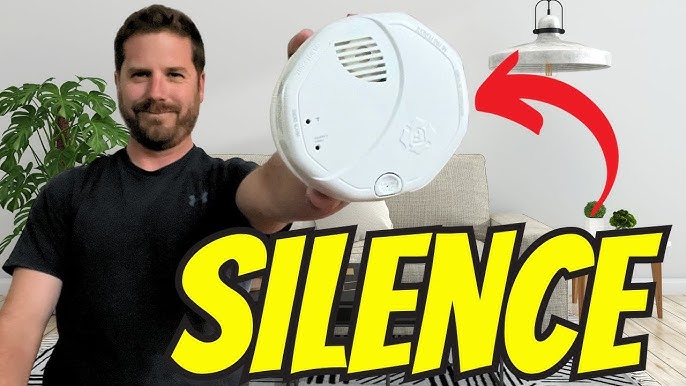
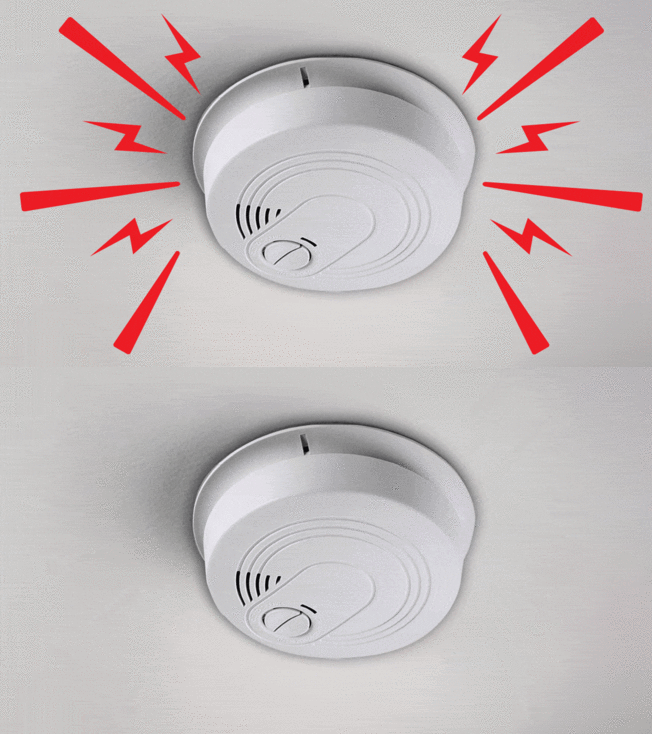
Continuous beeping or chirping sounds are clear signs. These alerts usually mean the smoke detector has a problem. Some detectors flash a red light to show errors. The alarm might beep at regular intervals. These noises often stop after a reset. Ignoring these alerts can lead to a non-working alarm.
Credit: www.youtube.com
Safety Precautions Before Resetting
Resetting hard wired smoke detectors requires careful attention to safety. These devices connect directly to your home’s electrical system. Handling them without caution can cause electric shocks or damage. Taking safety steps protects you and your home. Follow each step closely before beginning the reset process.
Turning Off Power Supply
Start by switching off the power to the smoke detector circuit. Locate your home’s main electrical panel. Find the breaker that controls the smoke detectors. Flip the breaker to the off position. Use a voltage tester to confirm no power flows to the detector. Never work on the device while it has power.
Gathering Necessary Tools
Collect all tools before starting the reset. You will need a screwdriver to open the detector. A ladder might help reach ceiling-mounted units safely. Have a flashlight ready in case of low light. Keep a voltage tester nearby to check for power. Preparing tools saves time and avoids interruptions.
Step-by-step Reset Process
Resetting hard wired smoke detectors is important for safety and proper function. Following a clear step-by-step process helps avoid mistakes. This guide breaks down the reset into four simple steps.
Disconnecting The Detector
Turn off the power to the smoke detector first. Locate the circuit breaker for your smoke detectors and switch it off. Then, gently twist or pull the smoke detector from its base. This disconnects it from the wiring safely.
Removing Backup Battery
Open the smoke detector’s battery compartment. Remove the backup battery carefully. This stops any remaining power from keeping the detector active. Leave the battery out for about one minute.
Pressing The Reset Button
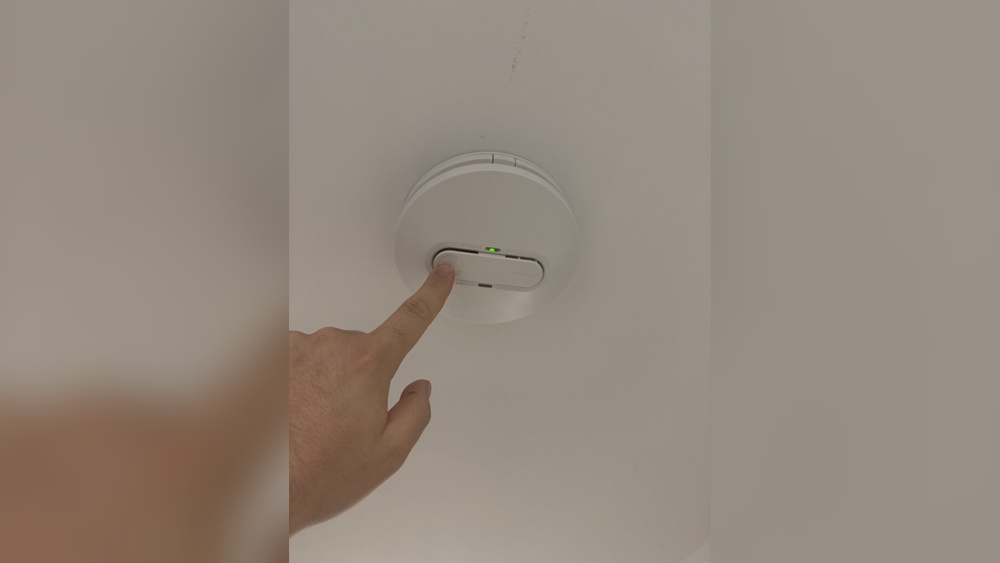
Find the reset button on the smoke detector. Press and hold it for 15-20 seconds. This clears any error signals inside the detector. Release the button once the light or beep stops.
Reconnecting Power
Replace the backup battery back into the compartment. Attach the smoke detector securely to its base. Turn the circuit breaker back on to restore power. Test the detector by pressing the test button briefly.
Testing The Smoke Detector
Testing a hard wired smoke detector is key for home safety. It ensures the device works properly. Regular checks help find problems early. You can avoid false alarms or missed alerts. Follow simple steps to test your smoke detector effectively.
Using Test Button
Locate the test button on the smoke detector. Press and hold it for a few seconds. The alarm should sound loudly. Release the button after the sound starts. If no sound occurs, check the power supply. Also, inspect the wiring for any loose connections.
Verifying Alarm Functionality
Listen carefully to the alarm’s sound quality. It should be clear and strong. A weak or intermittent beep signals trouble. Check the detector’s indicator lights. They often show normal or fault status. If the alarm fails, consider replacing the unit or calling a professional.
Troubleshooting Common Issues
Troubleshooting common issues with hard wired smoke detectors helps keep your home safe. Problems like beeping or failure to reset can cause worry. Fixing these issues quickly ensures your smoke detector works properly. This guide covers easy steps to solve common problems.
Persistent Beeping
Persistent beeping often means low battery backup. Even hard wired detectors have batteries for power outages. Replace the backup battery with a fresh one to stop the beep. Dirt or dust in the detector can also cause beeping. Clean the detector gently with a vacuum or soft brush. Check for loose wires or poor connections. Tighten or reconnect any loose wires carefully. If beeping continues, the detector might be faulty and need replacement.
Detector Not Resetting
Detectors may not reset due to power issues. Confirm the power switch or circuit breaker is on. Press and hold the reset button for at least 15 seconds. Some models need you to press multiple buttons. Follow the specific reset instructions in your user manual. Clear any smoke or dust inside the detector before resetting. If the detector still does not reset, test it with the built-in test button. Persistent failure to reset suggests the unit should be replaced for safety.
Credit: www.consumerreports.org
Maintenance Tips To Avoid Frequent Resets
Proper maintenance of hard-wired smoke detectors helps avoid frequent resets. Simple care steps keep devices working well. These tips also extend the life of your smoke alarms. Follow these easy practices to reduce false alarms and device issues.
Regular Cleaning
Dust and dirt often cause smoke detectors to beep or reset. Clean the detectors every few months. Use a soft brush or vacuum cleaner with a soft nozzle. Gently remove dust from vents and sensors. Avoid using water or cleaners directly on the device. Keep the area around the detector clear of cobwebs and debris. This helps the detector sense smoke correctly and reduces false alarms.
Battery Replacement Schedule
Even hard-wired smoke detectors have backup batteries. These batteries power the alarm during a power outage. Replace backup batteries once a year or as recommended by the manufacturer. Test the alarm monthly by pressing the test button. Replace batteries immediately if the detector starts chirping. Keeping fresh batteries prevents low-power alerts and resets. Always use the right battery type for your smoke detector model.

Credit: www.portland.gov
Frequently Asked Questions
How Do I Reset A Hard Wired Smoke Detector?
To reset, first turn off the power at the circuit breaker. Press and hold the smoke detector’s reset button for 15-20 seconds. Restore power and test the alarm to ensure it’s reset and working properly.
Why Won’t My Hard Wired Smoke Detector Reset?
It may not reset due to power issues, a dead backup battery, or a faulty detector. Check all connections, replace batteries, and ensure power is restored. If problems persist, the unit might need replacement.
Can I Reset A Hard Wired Smoke Detector Without Power?
No, resetting requires power to the unit. Turn off power at the breaker before resetting for safety, then restore power to complete the reset process.
How Often Should I Reset My Hard Wired Smoke Detectors?
Resetting is only necessary after an alarm or false alarm. Regular maintenance includes testing monthly and replacing batteries annually, not frequent resetting.
Conclusion
Resetting hard wired smoke detectors is simple and important. Regular checks keep your home safe from fire risks. Always follow the steps carefully to avoid mistakes. Test the detector after resetting to ensure it works well. Remember, a working smoke detector saves lives.
Stay safe by keeping your smoke alarms in good condition. Don’t ignore any warning signs or unusual sounds. Take action quickly to maintain your home’s safety. A little effort goes a long way in protecting your family.