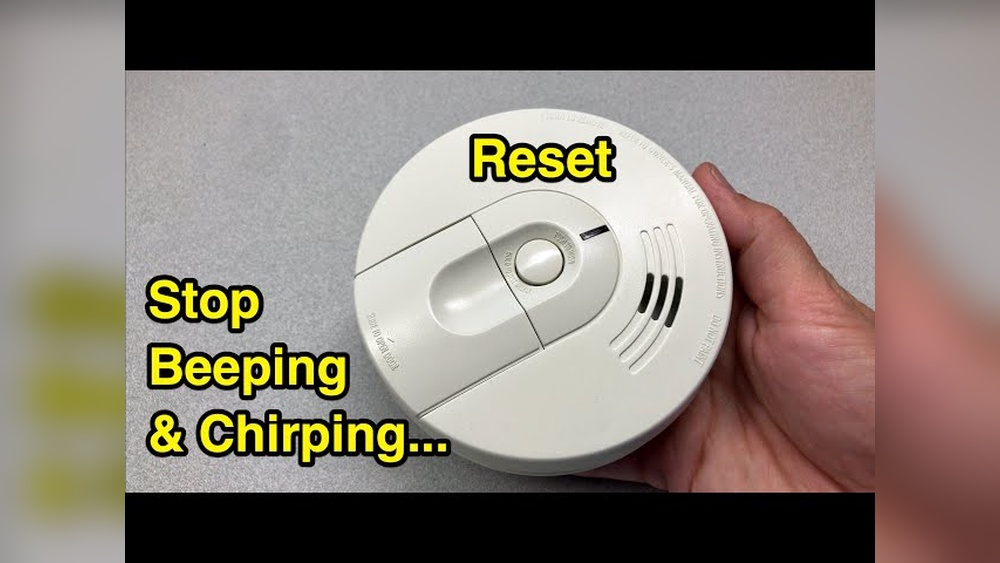

Your smoke detector is one of the most important devices in your home. It keeps you safe by alerting you to danger.
But what do you do when it starts beeping without reason? Knowing how to reset your smoke detector quickly can save you from unnecessary stress and noise. In this guide, you’ll learn simple steps to get your smoke detector back to normal fast.
Keep reading to make sure your home stays safe and quiet.

Credit: www.wirechiefelectric.com
Reasons To Reset Your Smoke Detector
Resetting your smoke detector is important to keep it working well. It helps clear warnings and makes sure the alarm works properly. Knowing when to reset your smoke detector can save you stress and keep your home safe.
Low Battery Alerts
Smoke detectors beep when the battery is low. This sound can be loud and annoying. After changing the battery, you need to reset the alarm. This stops the beeping and tells the device the battery is fresh.
False Alarms
Sometimes smoke detectors go off without real smoke. Cooking steam or dust may cause false alarms. Resetting the alarm stops the noise quickly. It helps the device get ready to detect real danger.
After Maintenance Or Replacement
Cleaning or fixing your smoke detector may trigger the alarm. New devices also need a reset after installation. Resetting makes sure your smoke detector works perfectly. It clears any test signals or warnings left behind.

Credit: www.youtube.com
Tools Needed For Resetting
Resetting a smoke detector requires just a few simple tools. Having the right tools makes the process easy and safe. This section lists the basic tools you need and the safety steps to follow.
Basic Tools
You need a small flathead screwdriver to open the detector’s cover. A ladder or step stool helps you reach the detector safely. A new 9-volt battery is useful if your smoke detector needs a battery replacement. A cloth or soft brush can clean dust from the device. These tools keep the reset process smooth and efficient.
Safety Precautions
Turn off the power before starting. Use the ladder carefully to avoid falls. Avoid touching the smoke detector’s sensor with your fingers. Keep your hands dry to prevent electric shock. Always check the device manual for specific safety advice. Safety protects you and keeps the smoke detector working well.
Step-by-step Reset Process
Resetting your smoke detector is a simple process that helps keep your home safe. Follow these steps carefully to reset your device without any trouble. This guide breaks down the reset process into easy parts.
Turn Off Power
Start by cutting off the power to your smoke detector. Switch off the circuit breaker or remove the fuse. This step prevents electric shocks during the reset.
Remove The Detector
Next, gently twist or slide the smoke detector off its mounting bracket. Handle it carefully to avoid damage. Keep the detector close for the next steps.
Replace Batteries
Open the battery compartment and remove old batteries. Insert fresh batteries matching the required type. Proper battery placement ensures the device works well.
Press The Reset Button
Locate the reset button on the detector. Press and hold it for 15 seconds. This action clears errors and resets the alarm system.
Reinstall And Test
Place the smoke detector back on its mounting bracket. Restore power by turning the circuit breaker on. Press the test button to ensure the alarm sounds properly.
Credit: www.consumerreports.org
Troubleshooting Common Issues
Troubleshooting common smoke detector issues helps keep your home safe. Sometimes, resetting your smoke detector does not solve all problems. Knowing how to handle frequent issues ensures your device works properly. This section covers three common problems and easy steps to fix them.
Persistent Beeping
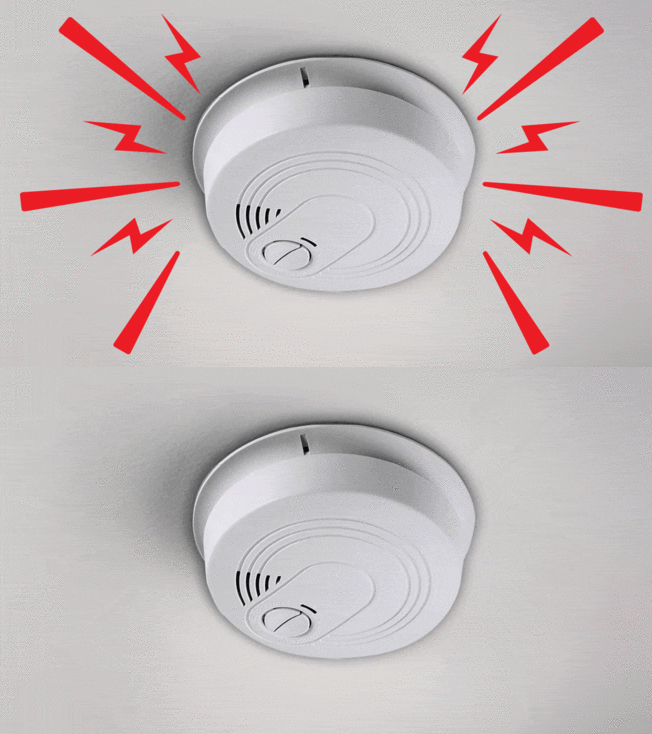
Persistent beeping often means low battery power. Replace the battery with a new one to stop the sound. Dust or debris inside the detector can also cause beeping. Clean the unit gently with a vacuum or soft brush. Check for loose connections and secure the detector firmly to the ceiling or wall.
Detector Not Responding
A detector that does not respond may have dead batteries or wiring issues. Remove the batteries and test them with a battery tester. Replace dead batteries with fresh ones. If the detector still does not work, inspect the wiring for damage. Consider replacing the entire unit if problems continue.
False Alarms After Reset
False alarms happen if the detector senses steam, dust, or smoke from cooking. Keep the detector away from kitchens and bathrooms if possible. Clean the sensor area to remove dust buildup. Check for strong drafts or open windows that could affect the detector. Reset the device again after cleaning and adjusting its position.
Maintenance Tips To Avoid Frequent Resets
Frequent smoke detector resets can be frustrating. They often indicate maintenance issues. Proper care helps your smoke detector work well and last longer. Follow these simple tips to reduce false alarms and avoid constant resets.
Regular Cleaning
Dust and dirt can block the sensor inside your smoke detector. Clean the detector every month. Use a soft brush or vacuum cleaner with a soft nozzle. Avoid harsh chemicals or water. Keeping the detector clean prevents false alarms and improves its function.
Battery Replacement Schedule
Low batteries cause many false alarms. Change batteries at least once a year. Use fresh, high-quality batteries. Some detectors beep when batteries run low, but don’t wait for this. Regular battery changes keep your detector reliable and prevent unexpected resets.
Proper Detector Placement
Place smoke detectors away from kitchens and bathrooms. Steam and cooking smoke can trigger false alarms. Install detectors on ceilings or high on walls. Avoid corners or near vents. Correct placement reduces false alarms and limits the need for resets.
Frequently Asked Questions
How Do I Reset My Smoke Detector After Battery Change?
To reset, remove the battery and press the test button for 15 seconds. Reinsert the battery and press the test button again to ensure proper reset and function.
Why Is My Smoke Detector Beeping After Reset?
Continuous beeping often indicates low battery, dust, or sensor issues. Clean the detector and replace batteries to fix this problem.
Can I Reset A Smoke Detector Without Removing It?
Yes, press and hold the test button for 15-20 seconds until the alarm stops. This resets most smoke detectors without removal.
How Often Should I Reset My Smoke Detector?
Reset only when replacing batteries or after false alarms. Regular testing is advised monthly to ensure proper functionality.
Conclusion
Resetting your smoke detector keeps your home safe and sound. Regular checks help avoid false alarms and ensure it works well. A quick reset after a test or battery change keeps it ready. Remember, a working smoke detector can save lives.
Stay calm, follow the steps, and keep your device in good shape. Safety is simple with regular care. Don’t ignore any beeps or warnings. Act fast to protect your family and property. Your smoke detector is a small tool with a big job.
Treat it right.