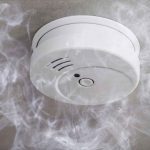
Have you ever wondered how long your smoke detectors actually last? You rely on them to keep your home safe, but do you know when it’s time to replace them?
Understanding the lifespan of smoke detectors is crucial for your family’s safety. You’ll discover exactly how long these devices work effectively, signs that indicate it’s time for a change, and simple tips to ensure your home stays protected. Keep reading—you won’t want to miss this vital information that could make all the difference in an emergency.
Credit: protechsecurity.com
Smoke Detector Lifespan Basics
Smoke detectors protect homes by alerting people to fire early. Knowing how long these devices last helps keep safety up to date. Smoke detectors do not work forever. They wear out and need replacement after some years.
Understanding the lifespan basics of smoke detectors helps you plan for timely replacements. This keeps your home safe and your family protected.
Average Lifespan Of Smoke Detectors
Most smoke detectors last about 8 to 10 years. After this, their sensors become less sensitive. Old detectors may fail to warn you in time. Check the manufacture date on the back to know its age. Replace detectors once they pass their lifespan for better safety.
Types Affecting Durability
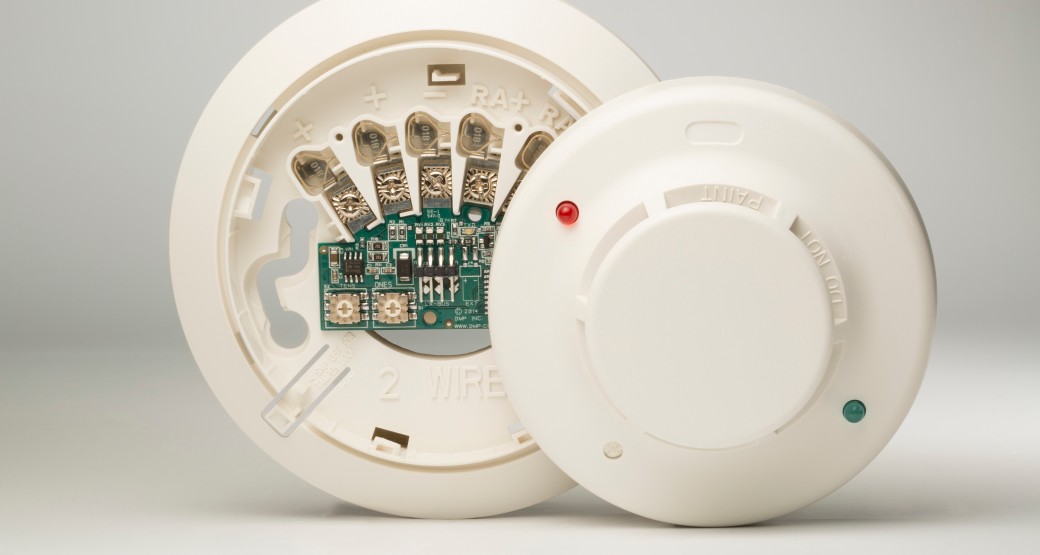
Two main types of smoke detectors exist: ionization and photoelectric. Ionization detectors react fast to flaming fires. Photoelectric detectors detect slow, smoldering fires better. Both types last about the same time, but some models vary. Detectors with sealed batteries may last longer without battery changes. Regular tests help check if they still work well.
Credit: support.firstalert.com
Signs Smoke Detectors Need Replacing
Smoke detectors play a key role in home safety. Over time, they may lose effectiveness. Knowing the signs of aging detectors helps keep your home safe. Early detection of problems avoids risk. Watch for clear signs that your smoke detector needs replacing.
Frequent False Alarms
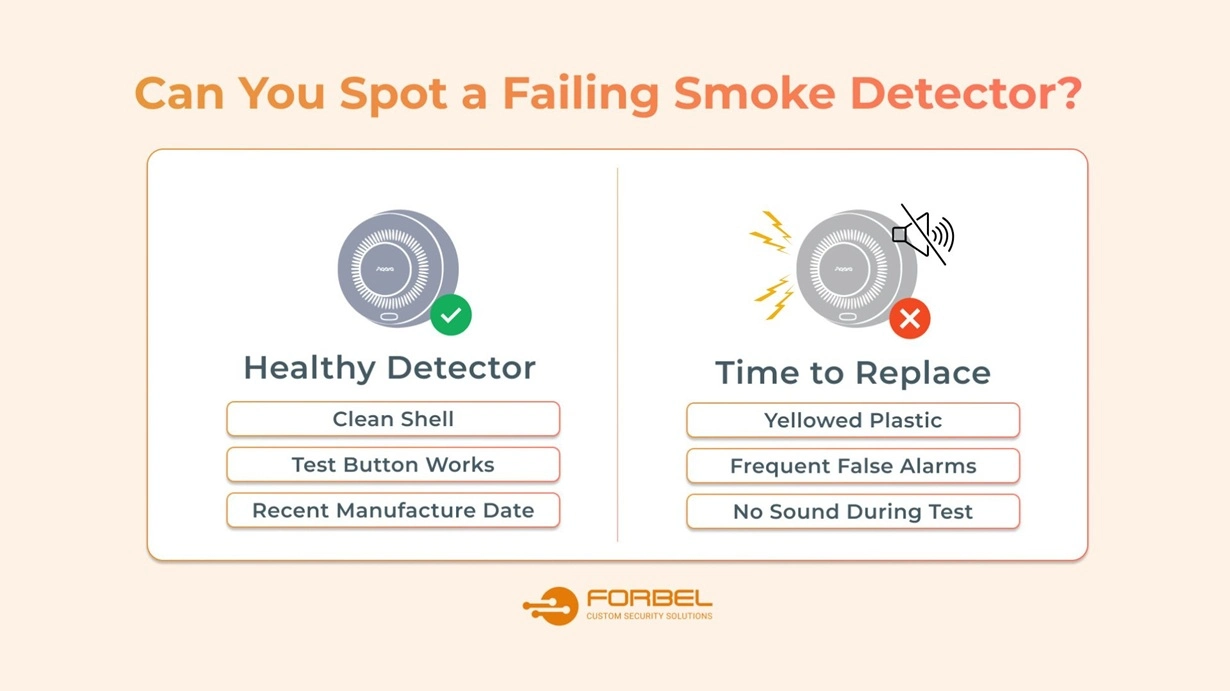
False alarms can signal a failing smoke detector. If your alarm goes off often without smoke, it may be time for a new one. Dust, humidity, or old sensors cause false alerts. Replacing the unit ensures accurate warnings.
Physical Wear And Tear
Check your smoke detector for cracks or damage. Yellowed plastic or worn parts reduce detector reliability. Aging detectors may not react quickly to smoke. Physical damage is a clear sign to replace the device.
Battery Issues
Constant low battery signals mean the detector may fail soon. Some units have sealed batteries designed to last 10 years. If your model uses replaceable batteries and they drain fast, consider a new detector. Battery problems can compromise safety.
Maintenance Tips To Extend Lifespan
Smoke detectors protect your home and family from fire dangers. Proper care helps them last longer and work better. Following simple maintenance steps keeps your smoke detector reliable over time.
Regular Testing
Test your smoke detector every month. Press the test button until you hear a loud alarm. This check makes sure the device works well. If no sound comes, replace the battery or the unit.
Cleaning Procedures
Dust and dirt can stop smoke detectors from working. Clean your device every six months. Use a soft brush or vacuum to remove dust. Avoid spraying water or cleaners directly on the detector.
Battery Replacement Schedule
Change the battery once a year or when the low-battery warning sounds. Use the type of battery recommended by the manufacturer. Old batteries can cause false alarms or failure during fires.
Credit: forbel.com
When To Upgrade Your Smoke Detector
Smoke detectors do not last forever. Knowing when to upgrade your smoke detector is key to safety. Old detectors may not work well. This can put your home at risk.
Technological Improvements
New smoke detectors have better sensors. They can detect smoke faster and more accurately. Some models include carbon monoxide detection. Others have smart features for alerts on your phone. Upgrading gives you better protection with modern technology.
Building Code Requirements
Building codes change over time. They may require newer smoke detectors. These codes ensure safety standards improve. Check local rules to see if upgrades are needed. Following codes keeps your home safe and legal.
Disposing And Recycling Old Smoke Detectors
Old smoke detectors need careful disposal. They contain small amounts of radioactive material and electronic parts. Throwing them in the trash can harm the environment. Safe disposal and recycling protect people and nature.
Safe Disposal Methods
Remove the battery before disposal. Check local rules for smoke detector disposal. Many areas have special drop-off points. Some stores accept old detectors for recycling. Never open the detector case. The radioactive part is sealed inside. Handle the detector gently to avoid damage.
Environmental Considerations
Smoke detectors contain materials that can pollute soil and water. Recycling helps recover metals and plastics. Proper disposal reduces waste in landfills. Recycling centers safely manage radioactive components. Protecting the environment starts with responsible disposal. Small actions add up to big changes.
Frequently Asked Questions
How Long Do Smoke Detectors Typically Last?
Smoke detectors usually last about 8 to 10 years. After this, their sensors become less reliable. Regular replacement ensures your home stays safe from fire hazards. Always check the manufacturer’s instructions for specific lifespan details.
When Should I Replace My Smoke Detector?
Replace your smoke detector every 8 to 10 years. If it frequently gives false alarms or fails tests, replace it sooner. Regular replacement keeps your fire safety system effective and reliable.
Can Smoke Detectors Last Longer With Proper Maintenance?
Proper maintenance, like regular testing and battery changes, helps smoke detectors work well. However, maintenance does not extend their overall lifespan. Replace detectors as recommended to ensure maximum safety.
What Happens If I Don’t Replace My Smoke Detector?
Old smoke detectors may fail to detect smoke or fire promptly. This increases the risk of injury or property damage. Regular replacement is critical to maintain effective fire protection in your home.
Conclusion
Smoke detectors usually last about 8 to 10 years. After this time, they may stop working well. Replace them to keep your home safe. Test your smoke detector monthly to check its function. Change batteries at least once a year.
A working smoke detector can save lives. Don’t wait until it’s too late. Keep your family and home protected by staying alert. Safety starts with simple steps and regular care.