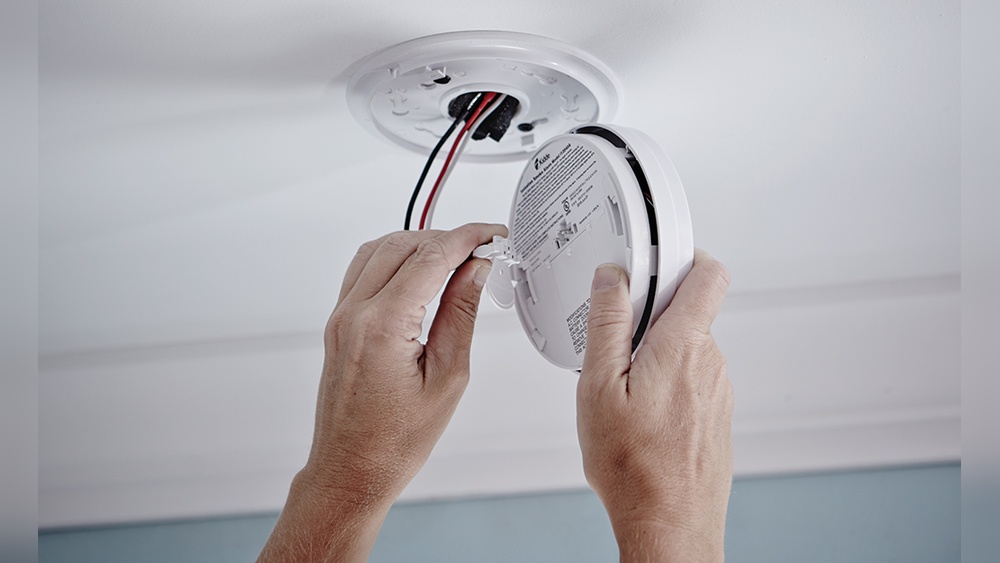

Your home’s safety depends on one simple device: the smoke detector. But do you know how to install it properly?
Installing a smoke detector might seem straightforward, yet a small mistake can cost you peace of mind—or worse. In this guide, you’ll discover easy steps to set up your smoke detector quickly and correctly. By the end, you’ll feel confident that your home is better protected.
Keep reading to learn how to keep your loved ones safe with just a few simple moves.
Credit: www.familyhandyman.com
Choosing The Right Smoke Detector
Choosing the right smoke detector is an important step to protect your home. It helps alert you early in case of fire. Not all smoke detectors work the same. Knowing the types and features helps you pick the best one for your needs. This guide explains the basics to help you decide.
Types Of Smoke Detectors
There are two main types of smoke detectors: ionization and photoelectric. Ionization detectors react fast to flaming fires. Photoelectric detectors sense slow, smoldering fires better. Some models combine both types for wider protection. Choose a type based on your home’s risks and needs.
Battery Vs. Hardwired Models
Battery-powered smoke detectors are easy to install and move. They need regular battery checks and changes. Hardwired models connect to your home’s electrical system. They often have a battery backup for power outages. Hardwired detectors link with other alarms to alert the whole house.
Features To Consider
Look for features like a loud alarm and easy testing buttons. Some detectors have a silence feature to stop false alarms. Others include a low battery warning light or sound. Smart detectors can send alerts to your phone. Pick features that match your lifestyle and home setup.
Credit: colafire.net
Preparing For Installation
Preparing for smoke detector installation is the first step to keep your home safe. This phase ensures the device works correctly and alerts you in time. Proper planning saves time and avoids mistakes.
Start by understanding where to place the smoke detector. Next, gather all tools needed for the job. Also, check local rules to meet safety standards.
Selecting Optimal Locations
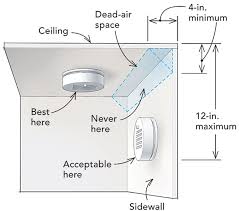
Choose spots where smoke can reach the detector quickly. Install detectors in every bedroom and outside sleeping areas. Place one on each floor, including the basement. Avoid kitchens and bathrooms to reduce false alarms. Mount detectors on ceilings or high on walls.
Gathering Necessary Tools
Prepare tools before starting the installation. Common tools include a drill, screwdriver, and ladder. Also, have screws and anchors ready. Keep the smoke detector’s manual nearby for reference. Having everything handy speeds up the process.
Checking Local Codes
Local codes may have rules about smoke detector placement. Some areas require hardwired systems or interlinked alarms. Check if there are special rules for your type of home. Contact your local fire department or building office. Following codes ensures safety and legal compliance.
Step-by-step Installation Guide
Installing a smoke detector is simple with clear steps. This guide breaks down the process. Follow these steps to ensure safety in your home.
Marking The Mounting Spot
Choose the ceiling or wall for your detector. Pick a spot away from windows and vents. Use a pencil to mark where screws will go. Make sure the marks are level and centered.
Drilling And Mounting
Use a drill to create holes at your marks. Insert wall anchors if needed for extra support. Attach the mounting bracket with screws. Tighten screws so the bracket does not move.
Connecting Power Sources
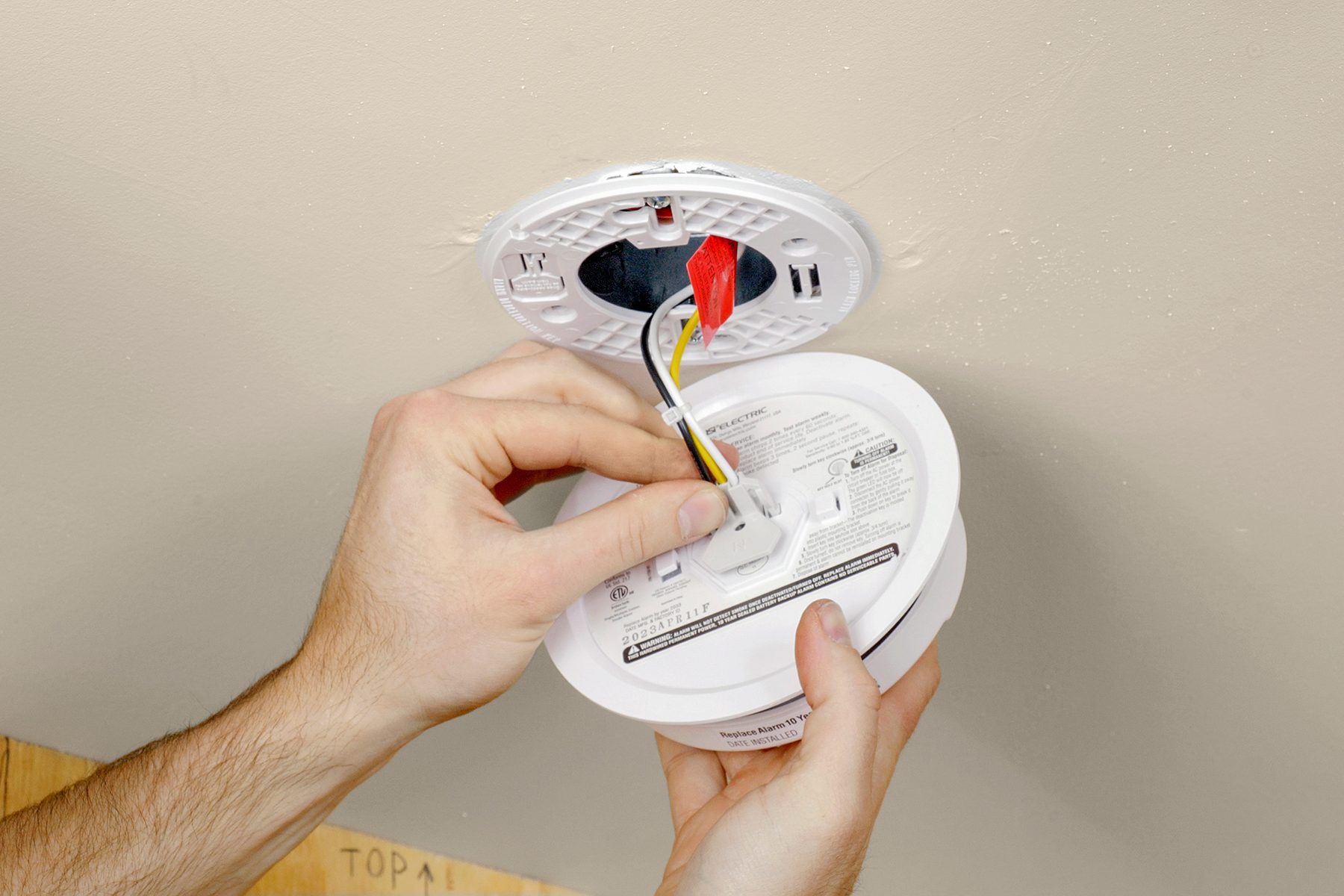
Open the smoke detector’s battery compartment. Insert new batteries following the plus and minus signs. For wired detectors, connect the wires as shown in the manual. Ensure connections are secure and correct.
Testing The Detector
Press the test button on the detector. Listen for a loud beep or alarm sound. If no sound, check batteries or wiring again. Regular testing keeps your detector ready to work.

Credit: dps.arkansas.gov
Maintaining Your Smoke Detector
Maintaining your smoke detector is crucial for keeping your home safe. A well-kept smoke detector works properly during emergencies. Regular care helps avoid false alarms and extends the device’s life.
Simple steps can keep your smoke detector ready to protect you. Small efforts make a big difference in safety.
Regular Testing
Test your smoke detector every month. Press the test button until the alarm sounds loud. This check ensures the device is working well. If it does not sound, replace the battery or the unit.
Battery Replacement Tips
Change the batteries at least once a year. Use fresh batteries to keep the alarm strong. Some detectors have a low battery warning sound. Replace the battery immediately when you hear this sound.
Cleaning And Upkeep
Clean your smoke detector every six months. Use a soft brush or vacuum to remove dust. Dust can block sensors and stop alarms from working. Avoid using water or cleaning sprays on the detector.
Common Installation Mistakes
Installing a smoke detector seems simple but many make common mistakes. These errors reduce the detector’s effectiveness and can cause problems later. Knowing these mistakes helps you install your smoke detector right the first time.
Avoiding False Alarms
False alarms waste time and cause stress. Placing detectors too close to kitchens or bathrooms causes steam or smoke from cooking to trigger them. Avoid placing detectors near vents or fans. These can blow dust or smoke, setting off alarms without danger.
Proper Placement Pitfalls
Many install smoke detectors too far from sleeping areas. This reduces their ability to warn you during a fire. Avoid placing detectors in corners or near windows. These spots might not detect smoke quickly. Ceiling installation is best, but keep detectors away from ceiling fans.
Ignoring Manufacturer Instructions
Each smoke detector has specific rules for installation. Ignoring these instructions risks poor performance or damage. Follow the steps for mounting height, battery type, and maintenance. Reading the manual saves time and ensures your detector works when needed.
Frequently Asked Questions
How Do I Install A Smoke Detector Properly?
To install a smoke detector, choose a central ceiling location. Use screws and anchors to fix it securely. Avoid corners and vents. Connect batteries or wiring as per the model. Test the alarm to ensure it works correctly before finishing.
Where Should Smoke Detectors Be Placed In A Home?
Place smoke detectors inside each bedroom, outside sleeping areas, and on every floor. Install them on ceilings or high on walls. Avoid kitchens and bathrooms to reduce false alarms. Proper placement ensures early fire detection and maximum safety.
How Often Should Smoke Detectors Be Tested?
Test smoke detectors monthly by pressing the test button. Replace batteries at least once a year or when the alarm chirps. Replace the entire unit every 10 years. Regular tests ensure your detector functions properly in emergencies.
Can I Install A Smoke Detector Myself?
Yes, most smoke detectors are designed for easy DIY installation. Follow the manufacturer’s instructions carefully. Use proper tools and safety precautions. If unsure, consult a professional electrician to ensure safe and correct installation.
Conclusion
Installing a smoke detector is a simple step to protect your home. Place it high on the wall or ceiling for best results. Test it monthly to ensure it works properly. Change the batteries at least once a year. A working smoke detector can save lives and reduce damage.
Take action today to keep your family safe. Safety starts with small efforts like this. Stay alert, stay protected.