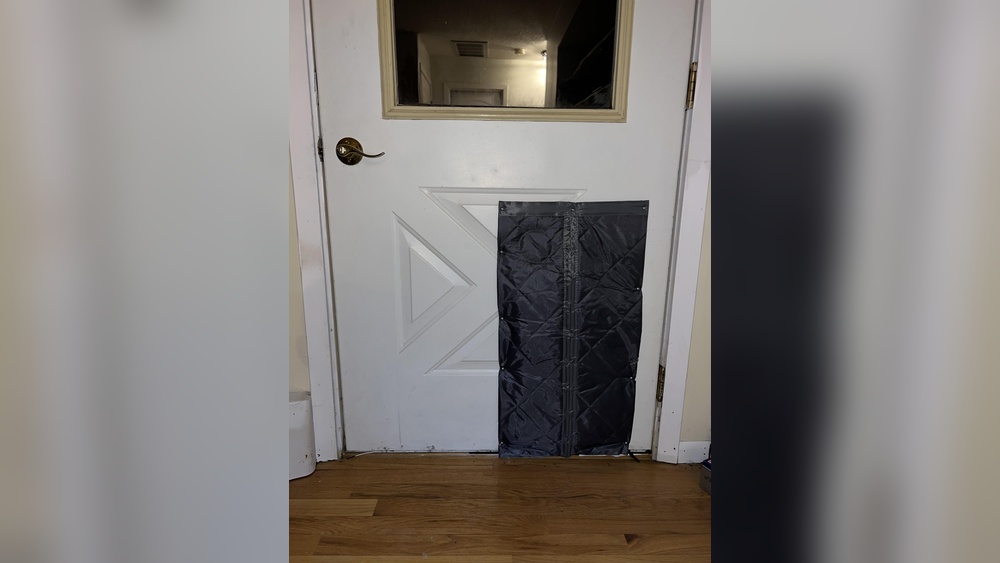

Are you tired of cold drafts sneaking in through your pet door? Insulating your pet door can save you money on energy bills and keep your home cozy all year round.
But how do you do it without spending a fortune or making a mess? You’ll discover simple and effective ways to insulate your pet door quickly. By the end, you’ll have easy solutions that protect your home and keep your furry friend comfortable.
Keep reading—you won’t want to miss these handy tips!

Credit: kdfoundation.org
Choosing The Right Pet Door
Choosing the right pet door is key to keeping your home warm and your pet happy. A good pet door fits well, blocks cold air, and suits your pet’s size. Picking the right one can save energy and make your pet’s life easier.
Material Options
Pet doors come in plastic, metal, and wood. Plastic doors are lightweight and affordable. Metal doors are strong and last longer. Wooden doors look nice but may need more care. Choose a material that fits your home style and weather conditions.
Size And Fit Considerations
Measure your pet before buying a door. The door should be big enough for your pet to pass easily. Too small a door can hurt your pet or cause stress. A tight fit prevents drafts and keeps your home insulated. Check the door’s frame size to match your wall or door thickness.
Energy-efficient Features
Look for doors with good insulation. Double flaps or magnetic seals help block cold air. Some pet doors have weather stripping to stop drafts. Clear panels let light in but keep heat out. Energy-efficient doors save money on heating bills.
Sealing Gaps And Cracks
Sealing gaps and cracks around a pet door is key to keeping your home warm and energy efficient. Small openings let cold air in and warm air out. This can raise heating bills and make your pet door less comfortable. Sealing these gaps stops drafts and helps maintain a cozy indoor temperature.
Use simple materials and easy steps to close these openings. Focus on areas where the pet door meets the wall or door, and any spaces in the frame. Proper sealing keeps your home snug through all seasons.
Weatherstripping Techniques
Weatherstripping is a popular way to seal gaps around pet doors. It uses flexible strips that fit tightly against the door edges. These strips block cold air and moisture from entering. Choose foam, rubber, or vinyl weatherstripping for best results.
Measure the door frame carefully. Cut the weatherstripping to the right length. Press it firmly along the edges where gaps appear. This simple method reduces drafts and makes the pet door more energy efficient.
Using Foam Tape
Foam tape is another effective material for sealing cracks. It is soft and compresses to fill small spaces. The tape has adhesive backing for easy application. Clean the surface before sticking the tape to ensure it holds well.
Apply the foam tape along the pet door frame or flap edges. Press down firmly to secure it in place. Foam tape works well on uneven surfaces and around curves. It creates a tight seal that blocks cold air and dust.
Applying Caulk
Caulk fills gaps that are too wide for weatherstripping or foam tape. It is a flexible material that dries hard and seals cracks permanently. Use a caulking gun for precise application. Choose a caulk that works for both indoor and outdoor use.
Clean the area before applying caulk. Squeeze the caulk into cracks and smooth it with a finger or tool. Allow it to dry fully for a strong seal. Caulking prevents air leaks and keeps pests out.
Adding Insulation Panels
Adding insulation panels to a pet door helps keep cold air out and warm air in. It makes your home more comfortable during winter. Insulation panels also reduce drafts and save energy. This section explains the types of insulation materials, how to customize panels, and tips for installation.
Types Of Insulation Materials
Foam boards are lightweight and easy to cut. They offer good insulation and last long. Reflective foil panels block heat loss and reflect warmth back inside. Fiberglass insulation is soft and fits well in irregular spaces. It traps air to keep cold out. Choose a material based on your door size and climate.
Customizing Panels For Your Door
Measure the pet door opening carefully. Cut the insulation panel to fit snugly inside the frame. Leave space for the flap to move freely. Cover the panel with plastic or fabric for protection. Use weather-resistant materials to increase durability. Custom panels fit better and improve insulation.
Installation Tips
Clean the door area before installing panels. Attach panels with double-sided tape or screws. Ensure the panel stays in place but is removable for cleaning. Check that the pet flap moves smoothly after installation. Seal edges with weatherstripping to stop drafts. Regularly inspect panels for damage and replace if needed.
Credit: thehues.com
Installing Flaps And Covers
Installing flaps and covers is a simple way to keep your home warm and comfortable. These additions help block cold air and stop heat from escaping. They also protect your pet door from wind and rain. Choosing the right flap or cover can make a big difference in insulation and energy savings.
Magnetic Flaps
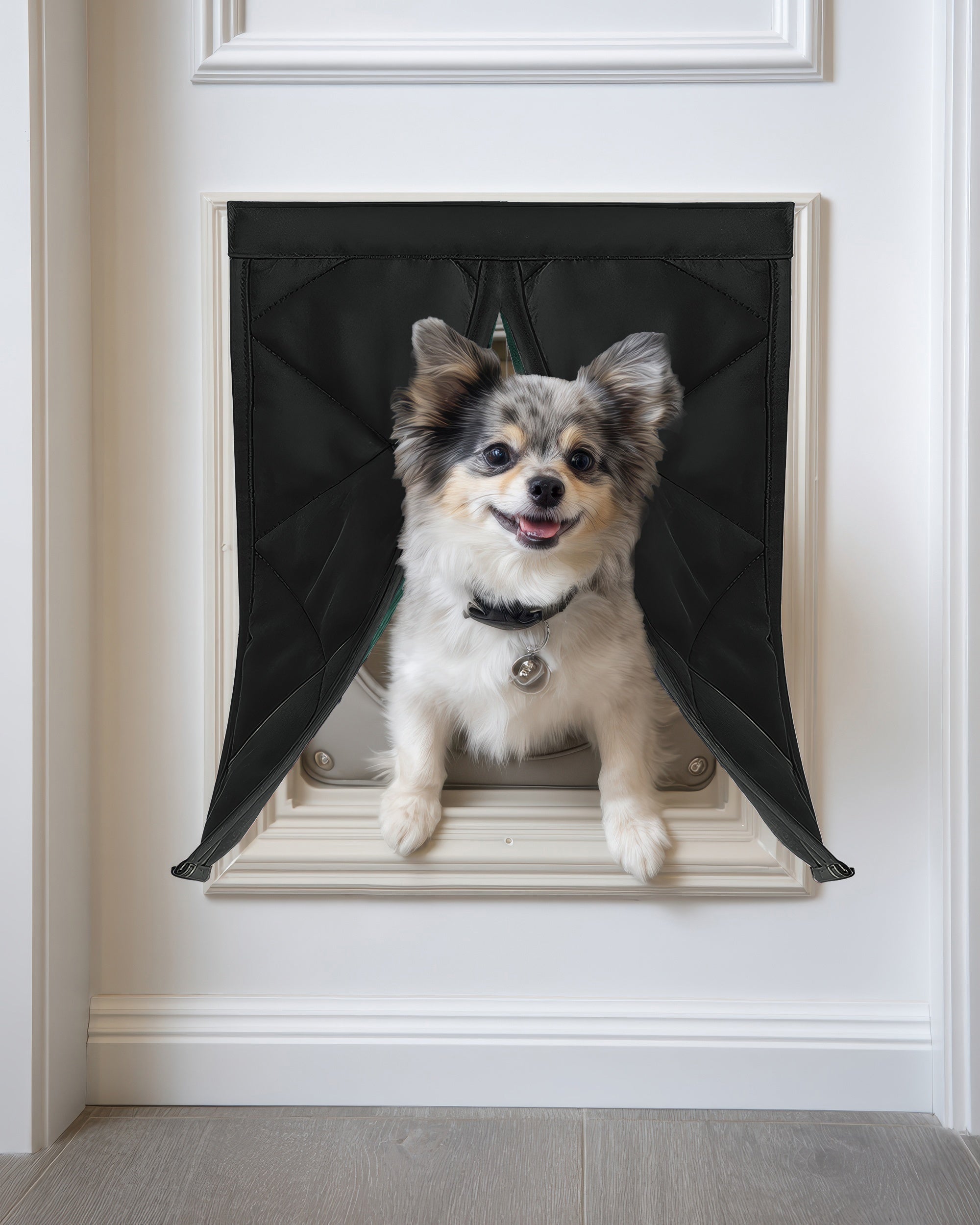
Magnetic flaps seal tightly after your pet goes through. Magnets along the edges hold the flap closed. This stops drafts and keeps warmth inside. These flaps are easy to use and quiet. They also let your pet push through without trouble. Magnetic flaps come in many sizes and materials. Many are made with soft vinyl to help keep out cold air.
Thermal Covers
Thermal covers add an extra layer of insulation to the pet door. They reduce heat loss and block chilly winds. Made from thick, insulated materials, these covers trap warmth inside. Some thermal covers can be closed with Velcro or snaps. They work well during cold months. Thermal covers also help keep rain and snow out. Installing one is simple and effective.
Diy Solutions
DIY solutions offer budget-friendly ways to insulate pet doors. You can use heavy-duty plastic sheets or foam board as covers. Attach these with tape or Velcro for easy removal. Another idea is to add weather stripping around the frame. This seals small gaps where air can enter. DIY flaps made from clear vinyl also work well. These ideas help keep your home cozy without high costs.
Maintaining Your Pet Door
Maintaining your pet door is important to keep it working well and save energy. A well-kept pet door prevents drafts and keeps your home comfortable. Simple steps can extend the life of your pet door and its insulation.
Regular Cleaning
Clean the pet door often to remove dirt and dust. Use a damp cloth to wipe the frame and flap. Dirt can block the door from closing properly. Cleaning also helps stop mold or mildew from forming.
Checking For Wear And Tear
Look at the pet door parts for any damage. Check the flap and frame for cracks or holes. Small damage can let cold air inside. Fix or replace broken parts quickly to keep insulation strong.
Replacing Insulation Elements
Replace worn-out insulation materials around the pet door. Weatherstripping and foam inserts lose their effectiveness over time. New insulation stops drafts and keeps the home warm. Change these parts at least once a year for best results.
Credit: www.hometalk.com
Frequently Asked Questions
How Do I Insulate A Pet Door Effectively?
To insulate a pet door, use weatherstripping around edges and install a flap cover. This prevents drafts and heat loss, keeping your home warm and energy-efficient.
What Materials Work Best For Pet Door Insulation?
Good materials include foam tape, rubber gaskets, and insulated flaps. These options block cold air and reduce noise while allowing easy pet access.
Can I Insulate A Pet Door Without Professional Help?
Yes, most pet door insulation tasks are DIY-friendly. Simple tools and materials can help you seal gaps and add insulation quickly and affordably.
How Does Insulating A Pet Door Save Energy?
Insulating reduces heat transfer through the door, lowering heating and cooling costs. It keeps indoor temperatures stable and improves overall home energy efficiency.
Conclusion
Properly insulating your pet door saves energy and keeps your home comfortable. It also protects your pet from harsh weather. Simple materials and steps make the process easy and affordable. Regular checks help maintain insulation quality over time. A well-insulated pet door benefits both you and your furry friend.
Start now to enjoy a warmer house and a happier pet. Small changes bring big comfort.