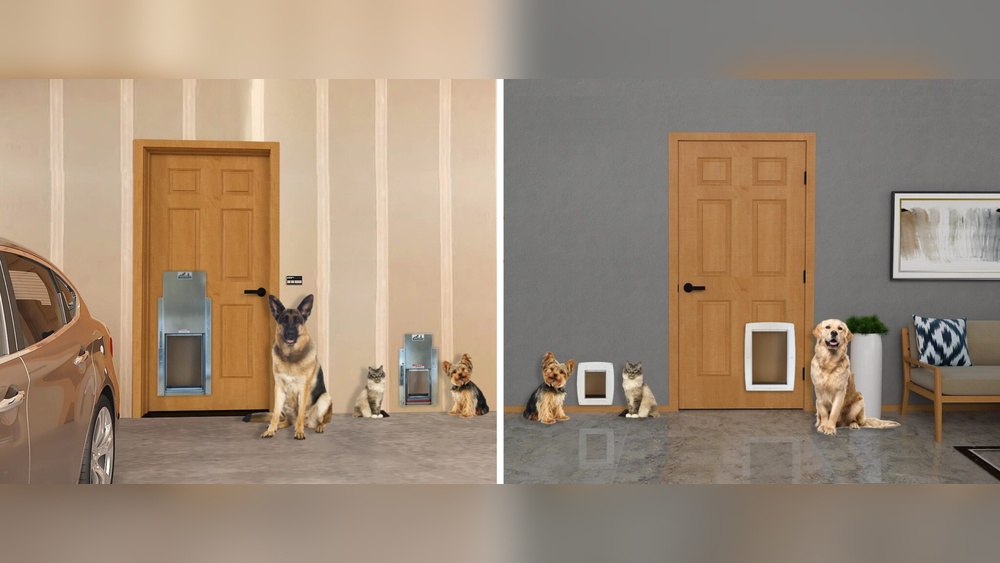

Have you ever wondered if your pet door is truly safe? You want your furry friend to enjoy freedom, but you also worry about what else might come through that little flap.
Could it be an open invitation to unwanted visitors or dangers? Understanding how safe pet doors really are can help you protect your home and your loved ones. Keep reading to discover the hidden risks and smart solutions that will give you peace of mind every time your pet steps outside.
Credit: moorepet.com
Risks Of Pet Doors
Pet doors offer pets freedom to go outside anytime. They seem very convenient for pet owners. Yet, pet doors come with risks. These risks can affect your home’s safety and your pet’s well-being. Understanding these risks helps you make better choices.
Security Concerns
Pet doors can let unwanted people enter your home. Burglars may use them to get inside. Small doors can be an easy way for intruders. Pets can leave doors open by accident. This creates a chance for thieves to sneak in.
Some pet doors do not lock properly. This makes it easy to break in. Pets may also bring other animals inside. Stray animals or pests can enter through the door. Security is a big worry for many pet owners.
Weather And Energy Loss
Pet doors can cause cold or hot air to enter your home. This increases energy bills. Your heating or cooling system works harder. Some doors do not seal tightly. Wind, rain, or snow may get inside through the door. This can make your home less comfortable.
Improperly installed doors may leak air. This leads to energy waste and higher costs. Energy loss affects your home’s efficiency. It also harms the environment by wasting power.
Pet Safety Issues
Pets using doors may face dangers outside. They can run into traffic or get lost. Other animals may attack them near the door. Some pets may get stuck or hurt using the door. Sharp edges or bad design cause injuries.
Pets with health problems may suffer from cold drafts. Young or old pets may find it hard to use the door. Not all pets learn to use the door safely. These safety issues are important to consider.

Credit: www.petdoors.com
Choosing The Right Pet Door
Choosing the right pet door is important for your pet’s safety and comfort. The right door lets your pet come and go easily while keeping your home secure. Consider size, material, and locking features. These factors help prevent accidents and unwanted visitors.
Size And Placement
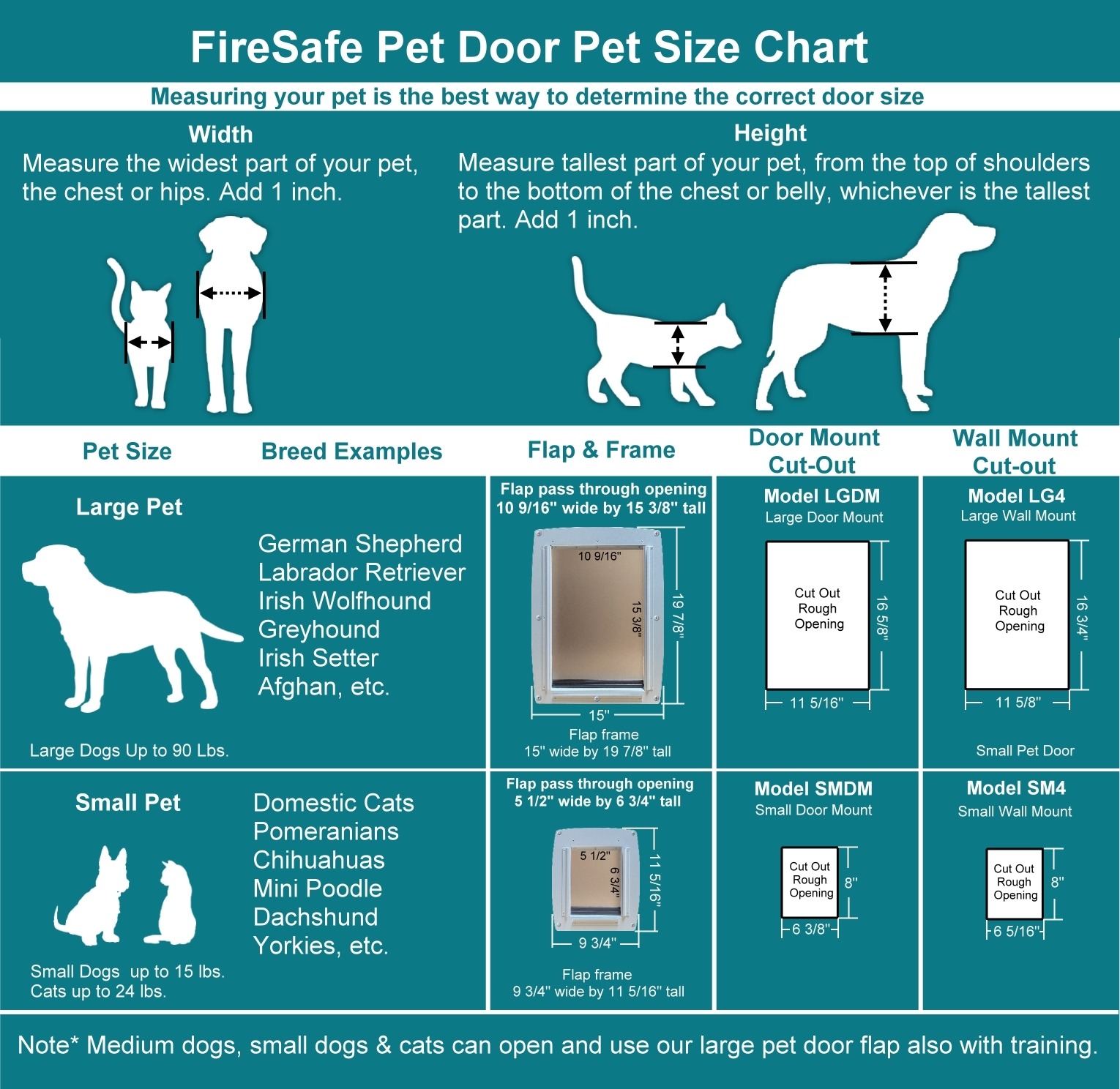
Pick a pet door that fits your pet’s size. Too small can hurt your pet. Too big can let other animals enter. Measure your pet from head to tail. Place the door low enough for easy access. Avoid spots with heavy traffic or sharp edges nearby.
Material Options
Pet doors come in plastic, metal, and wood. Plastic doors are light and affordable. Metal doors offer more strength and durability. Wooden doors match home decor but may need more care. Choose a material that fits your home and your pet’s needs.
Locking Mechanisms
Locking features keep your home safe. Manual locks let you open or close the door by hand. Automatic locks use sensors to allow only your pet inside. Magnetic or RFID locks work with special collars. Choose a locking system that fits your lifestyle and security needs.
Installation Best Practices
Installing a pet door correctly improves safety and comfort for your pet and home. Proper installation stops drafts, keeps pests out, and ensures your pet uses the door easily. Follow these best practices to get the best results.
Professional Vs Diy
Hiring a professional ensures the pet door fits perfectly and works well. Experts know how to avoid damage and secure the door properly. DIY installation can save money but risks mistakes like poor fitting or weak seals. Choose based on your skill and tools available.
Sealing And Insulation
Seal around the pet door to stop air leaks and water entry. Use weatherproof materials like foam or rubber strips for tight sealing. Proper insulation keeps your home warm and lowers energy bills. Check seals regularly and replace if worn out.
Proper Positioning
Place the pet door at a height your pet can easily reach. Avoid areas with heavy wind or rain to prevent discomfort. Position it away from direct sunlight to reduce heat inside. Ensure the door opens without obstruction for smooth pet access.
Enhancing Security Measures
Keeping pet doors safe is a top priority for many pet owners. Enhancing security measures helps protect both pets and homes. Simple steps can reduce risks and improve safety. Understanding modern options and maintenance routines is key.
Electronic And Smart Doors
Electronic pet doors offer controlled access. They open only for your pet’s microchip or collar key. This stops other animals or strangers from entering. Smart doors can connect to your phone. You get alerts when your pet goes in or out. These doors add a layer of security and convenience.
Alarms And Sensors
Alarms and sensors detect unusual activity at the pet door. Motion sensors can alert you if someone tries to break in. Some systems sound an alarm to scare off intruders. Sensors may also monitor the door’s status. You will know if it is left open or damaged. These tools help keep your home safe.
Regular Maintenance
Regular checks keep pet doors working well and safe. Clean the door and sensors often to avoid malfunctions. Inspect locks and seals for damage or wear. Replace broken parts quickly to maintain security. Routine care prevents problems before they happen.
Training Pets To Use Doors Safely
Training pets to use doors safely is key for their security and your peace of mind. Pets need clear guidance to understand how to use the door properly. This training helps prevent accidents and keeps your home safe.
Introducing The Door
Start by showing your pet the door. Let them sniff and explore it. Use treats to encourage interest. Demonstrate how the door moves. Repeat this step several times until your pet seems comfortable.
Monitoring Behavior
Watch your pet closely during early use. Look for signs of confusion or fear. Gently guide them through the door as needed. Avoid rushing the process. Praise calm and confident behavior to build trust.
Setting Boundaries
Teach your pet when to use the door and when not to. Use commands like “wait” or “stay” to control access. Close the door when unsupervised to prevent unwanted exits. Consistency helps pets learn limits quickly.

Credit: www.pwmachineservices.com
Alternative Solutions
Pet doors offer convenience but can pose safety risks. Alternative solutions help keep pets safe while allowing movement. These options provide control without the risks of an open pet door.
Indoor Pet Gates
Indoor pet gates create safe spaces inside your home. They block off rooms or areas your pet should not enter. Gates keep pets in secure zones without needing a door. They are easy to install and move as needed. Gates also prevent pets from accessing dangerous spots like kitchens or stairs.
Supervised Access
Supervised access means allowing your pet to move only under watch. You control when and where your pet goes. This reduces risks from other animals or hazards outside. Supervised access builds trust and good behavior. It can also help your pet learn boundaries safely.
Temporary Barriers
Temporary barriers block access for short periods. Use folding screens, crates, or playpens to limit pet movement. These barriers are flexible and easy to set up. They work well during cleaning, visitors, or training times. Temporary barriers protect pets without permanent changes to your home.
Frequently Asked Questions
Are Pet Doors Safe For Indoor Pets?
Pet doors provide convenience but may expose indoor pets to outdoor risks. Always supervise and choose secure models to ensure safety.
Can Intruders Enter Through Pet Doors?
Yes, unsecured pet doors can allow intruders entry. Consider reinforced or electronic pet doors with locking features to enhance home security.
Do Pet Doors Pose Risks From Wild Animals?
Pet doors can let wild animals inside, especially at night. Using secure, lockable pet doors reduces this risk effectively.
How To Secure A Pet Door Effectively?
Use electronic pet doors with microchip recognition or manual locks. Regularly monitor and maintain the door for optimal security.
Conclusion
Pet doors offer convenience but also bring safety concerns. Choose a door that fits your pet and home well. Keep the door locked or secured when not in use. Regularly check for damage or signs of wear. Teach your pet to use the door carefully.
Stay aware of possible risks like unwanted animals entering. Taking simple steps can help protect your pet and home. Safety and ease can go hand in hand with the right choices.