
Have you ever stopped to think about how often your smoke detectors need to be replaced? You might assume they last forever, but that’s not the case.
Your safety at home depends on these small devices working perfectly. If they’re old or outdated, they might not alert you in time during an emergency. You’ll discover the simple rules for when to replace your smoke detectors and how to keep your home safe.
Don’t wait until it’s too late—read on to protect yourself and your loved ones today.
Lifespan Of Smoke Detectors
Smoke detectors protect lives by warning about fires early. Knowing their lifespan helps keep homes safe. Smoke detectors do not last forever. Replacing them at the right time is important.
Typical Duration Of Functionality
Most smoke detectors work well for about 8 to 10 years. After this time, their sensors become less sensitive. The battery may still work, but the detector might fail to alert you. Regular replacement ensures the device stays reliable. Check the manufacturer’s guide for exact lifespan details.
Signs A Detector Is Aging
Older smoke detectors may beep randomly or fail tests. Dust buildup can cause false alarms or silence alerts. A faded or yellowed case shows age. If the device does not respond to the test button, replace it. These signs mean the detector may not protect you properly.
Factors Affecting Replacement Frequency
Several factors affect how often smoke detectors need replacement. Understanding these helps keep your home safe. Not all smoke detectors last the same time. Some last longer, some shorter. Environmental conditions and care also change their lifespan. Let’s explore these key points.
Type Of Smoke Detector
Smoke detectors come in different types. Ionization and photoelectric are common. Ionization detectors respond faster to flaming fires. Photoelectric detectors sense smoldering fires better. Some models combine both technologies. The type affects how long the detector lasts. Typically, smoke alarms last about 10 years. Some newer models have longer or shorter lifespans.
Environmental Conditions
Where you place the smoke detector matters. Dust, humidity, and temperature affect its function. High humidity can corrode internal parts. Dust buildup can block sensors. Extreme heat or cold can damage electronics. Detectors in clean, dry places last longer. Detectors in kitchens or garages may wear out faster.
Maintenance Practices
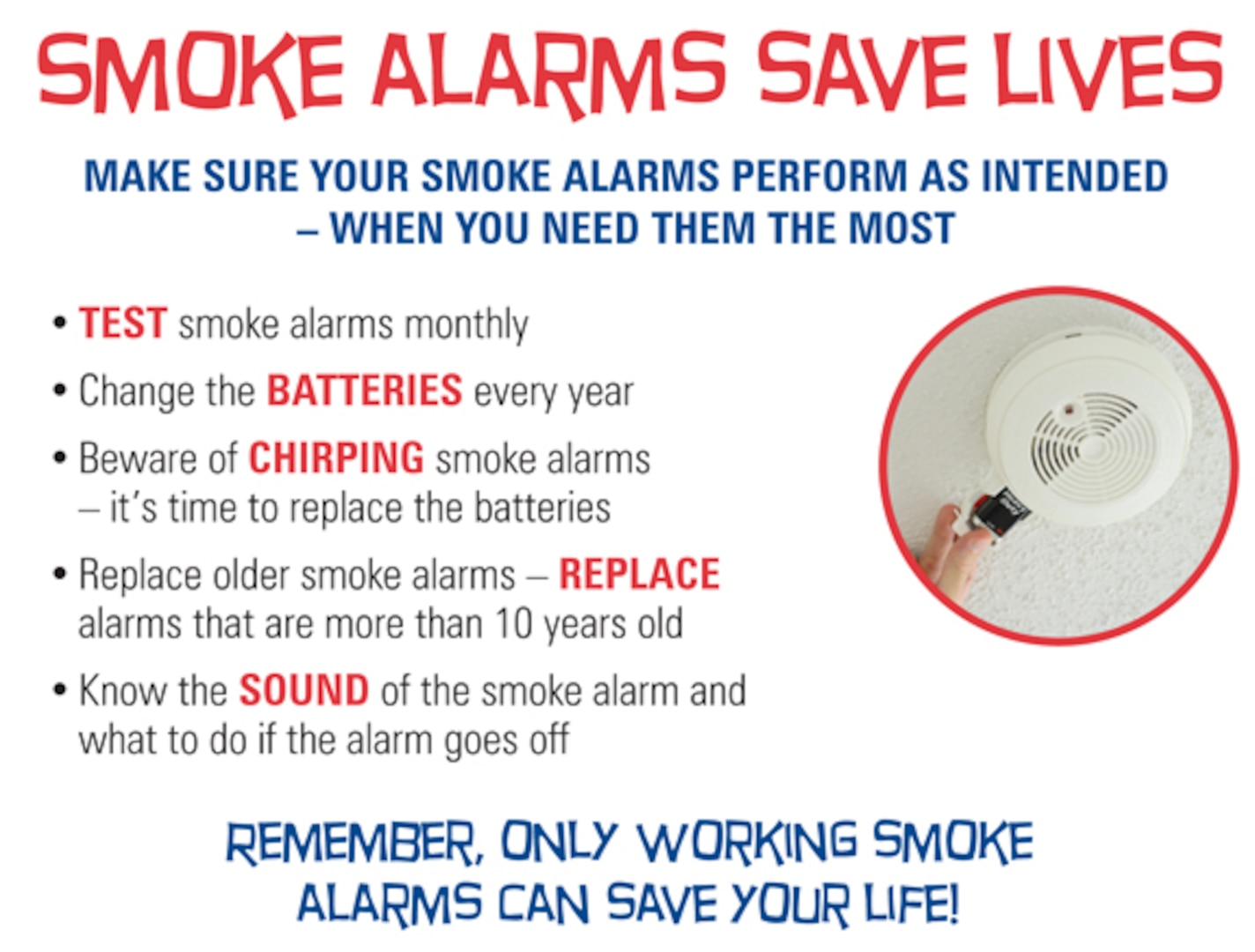
Regular maintenance keeps detectors working well. Test alarms monthly to ensure they work. Replace batteries at least once a year. Clean detectors gently to remove dust. Avoid painting or covering detectors. Poor maintenance can reduce their lifespan. Well-kept detectors stay reliable for years.
Recommended Replacement Intervals
Smoke detectors save lives by warning about fire early. They need regular replacement to work well. Replacement keeps alarms reliable and safe. Knowing when to replace your smoke detector matters.
Battery-powered Models
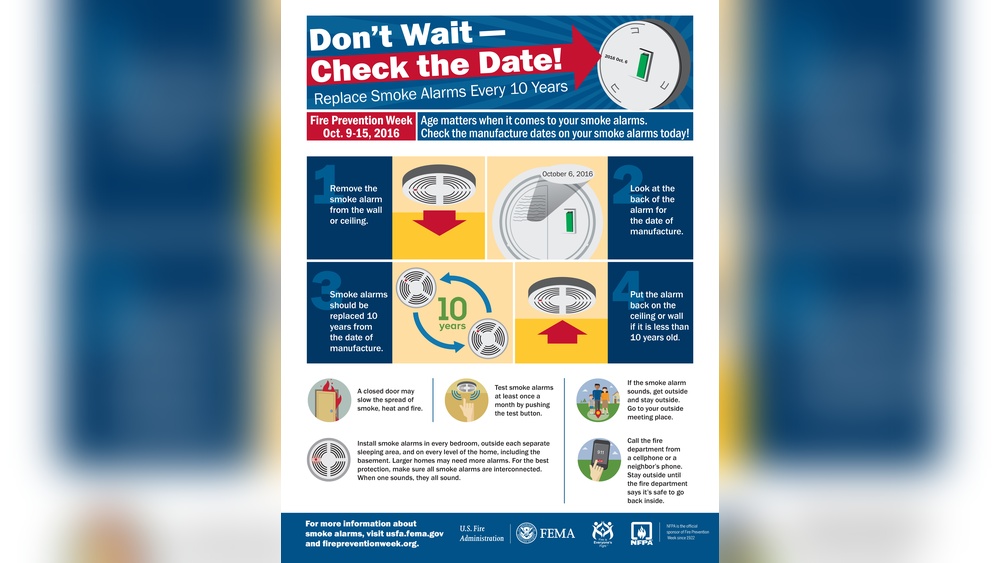
Replace battery-powered smoke detectors every 10 years. Over time, sensors wear out and fail to detect smoke. Check the manufacture date on the back of the unit. If it is older than 10 years, get a new one. Change batteries at least once a year to keep it active.
Hardwired Systems
Hardwired smoke detectors connect to your home’s power. They also have backup batteries. Replace these alarms every 10 years for best protection. Regular battery checks are important to avoid power loss. Faulty wiring or sensors can reduce alarm effectiveness over time.
Combination Alarms
Combination alarms detect smoke and carbon monoxide. They provide two types of safety in one device. Replace them every 7 to 10 years depending on the model. Check the user manual for specific replacement advice. Keep batteries fresh and test alarms monthly to ensure they work.
Credit: support.firstalert.com
Testing And Maintenance Tips
Testing and maintaining smoke detectors is key to home safety. Regular checks keep detectors working well. They alert you early to smoke or fire. This section covers easy steps for testing and upkeep.
Simple routines help avoid false alarms and ensure long detector life. Follow these tips for best results.
Monthly Testing Procedures
Test your smoke detector every month. Press and hold the test button until the alarm sounds. If it does not beep, replace the batteries or the unit. Testing ensures the detector can warn you quickly.
Cleaning Methods
Dust and dirt block smoke sensors. Clean detectors every six months. Use a soft brush or vacuum cleaner on low setting. Avoid water or sprays. Keep the detector free from cobwebs and debris for proper function.
Battery Replacement Schedule
Replace batteries at least once a year. Some models use 10-year batteries. Check your unit’s instructions. Low battery warnings sound as beeps or chirps. Don’t ignore these signals. Fresh batteries keep alarms loud and reliable.
Safety Risks Of Old Smoke Detectors
Old smoke detectors can pose serious safety risks. Over time, their parts wear out and stop working well. This can put your home and family in danger. Knowing the risks helps you keep your smoke detectors in good shape.
Decreased Sensitivity
Smoke detectors lose sensitivity with age. They may not sense smoke early. This delay can stop timely warnings during fires. Early detection is key to safety. Old detectors may fail to alert quickly.
False Alarms
Aging smoke detectors often cause false alarms. Dust and dirt build up inside the device. This can trigger unnecessary alarms. False alarms can cause panic and confusion. They also make people ignore real warnings.
Complete Failure
Old smoke detectors can stop working entirely. Batteries die, and sensors break down. A detector that does not work offers no protection. Complete failure is a serious safety threat. Regular replacement prevents this risk.

Credit: mammothsecurity.com
Upgrading To Newer Models
Upgrading to newer smoke detector models is a smart move. Older detectors lose sensitivity over time. New models offer better safety and features. They help protect your home more effectively. Replacing outdated units can prevent false alarms too. Choosing the right upgrade improves peace of mind.
Benefits Of Advanced Technology
New smoke detectors use improved sensors. They detect smoke faster and more accurately. Some models have longer battery life. This means less hassle changing batteries. They also alert you sooner in case of fire. Advanced technology reduces false alarms significantly.
Smart Smoke Detectors
Smart smoke detectors connect to your phone. They send alerts even when you are away. You can test and silence alarms remotely. This adds convenience and quick response. Some models learn your home’s patterns. This helps reduce unnecessary alerts.
Integration With Home Systems
Modern smoke detectors link with home security systems. They can trigger alarms and call for help automatically. Integration with smart lights and locks is possible. This can guide you safely during an emergency. Connected systems improve overall home safety and control.
Disposal Of Old Smoke Detectors
Disposing of old smoke detectors is an important step after replacement. Smoke detectors contain materials that need careful handling. Throwing them in regular trash can harm the environment and may be illegal. Proper disposal keeps your home safe and protects nature.
Environmental Considerations
Old smoke detectors often contain small amounts of radioactive material. This material helps detect smoke but can be harmful if not handled right. Batteries inside also have chemicals that pollute soil and water. Proper disposal helps reduce environmental damage and keeps communities safer.
Local Regulations
Rules for smoke detector disposal vary by location. Some places treat them as hazardous waste. Others allow drop-off at special centers. Check local laws before throwing out your old detector. Following rules helps avoid fines and protects public health.
Recycling Options
Many areas offer recycling programs for smoke detectors. These programs separate metal, plastic, and batteries safely. Some stores accept old detectors for recycling. Using these options prevents waste and recovers useful materials. Always choose recycling over landfill disposal when possible.
Credit: www.jbsa.mil
Frequently Asked Questions
How Often Should Smoke Detectors Be Replaced?
Smoke detectors should be replaced every 10 years. Over time, sensors lose sensitivity, reducing effectiveness. Regular replacement ensures reliable fire detection and safety for your home.
Can I Test Smoke Detectors Instead Of Replacing Them?
Testing smoke detectors monthly is essential but not a substitute for replacement. Tests check battery and alarm function but don’t address sensor aging.
What Happens If Smoke Detectors Are Not Replaced Timely?
Old smoke detectors may fail to detect fires promptly. This increases fire risk and endangers lives. Timely replacement maintains optimal safety.
Are There Signs Smoke Detectors Need Replacing Sooner?
Frequent false alarms, failure to sound during tests, or physical damage indicate replacement is needed before 10 years.
Conclusion
Smoke detectors protect your home and save lives. Replace them every 10 years to stay safe. Test batteries monthly to keep alarms working well. Old detectors may not sense smoke quickly. Don’t wait for a beep to act. A small effort can prevent big dangers.
Keep your family safe with fresh detectors. Safety starts with simple, regular checks. Stay alert, stay protected.