
Your smoke detector is one of the most important safety devices in your home. But what do you do when it starts beeping nonstop, day or night?
Knowing how to disarm your smoke detector safely can save you from frustration and help you avoid unnecessary panic. You will learn simple, step-by-step methods to quiet your smoke detector quickly and keep your home safe. Keep reading—you don’t want to miss these essential tips that every homeowner should know.
Credit: www.netatmo.com
Types Of Smoke Detectors
Smoke detectors play a crucial role in home safety. They alert you to fire by sensing smoke. Different types of smoke detectors use different technologies. Knowing the types helps you understand how to disarm them safely.
Ionization Smoke Detectors
Ionization detectors use a small amount of radioactive material. This material helps detect tiny smoke particles. These detectors react fast to flaming fires. They are common in many homes. However, they may give false alarms with cooking smoke.
Photoelectric Smoke Detectors
Photoelectric detectors use a light beam inside the device. Smoke blocks the light, triggering the alarm. These detectors respond well to smoldering fires. They are less likely to false alarm from cooking. Many prefer them for bedroom areas.
Combination Models
Combination smoke detectors use both ionization and photoelectric sensors. They offer broader fire detection. These models improve safety by sensing different fire types. They often cost more but provide better protection. Many new homes use combination detectors.
When To Disarm A Smoke Detector
Knowing when to disarm a smoke detector is important for safety and convenience. Smoke detectors protect your home by alerting you to fires. Still, there are times you must turn them off temporarily. This ensures no false alarms happen during certain tasks.
Disarming a smoke detector should only happen in specific situations. This helps keep your home safe while avoiding unnecessary noise. Below are common times when disarming is needed.
During Maintenance
Disarm the smoke detector before cleaning or checking it. Dust and dirt can trigger false alarms. Turning it off stops this problem. Always turn it back on after maintenance.
Temporary Removal For Renovations
Construction work can cause dust and smoke. These can set off alarms. Disarm the detector to prevent loud, unwanted noise. Make sure to re-enable it once work ends.
Battery Replacement
Remove or disarm the smoke detector when changing batteries. This stops alarms from sounding during the process. Replace batteries quickly to keep your detector working well.
Tools Needed For Safe Disarming
Disarming a smoke detector requires the right tools to ensure safety and efficiency. Using proper equipment reduces risks and makes the process smooth. Prepare all tools before starting to avoid mistakes.
Basic Tools
A small screwdriver is essential for removing the detector cover. Most smoke detectors use Phillips or flathead screws. A step ladder helps reach detectors on high ceilings safely. A pair of needle-nose pliers can help disconnect wires carefully. Keep a flashlight nearby to see inside dark spaces.
Safety Gear
Wear safety goggles to protect your eyes from dust and debris. Use gloves to avoid electrical shocks and keep your hands clean. A dust mask prevents inhaling dust or particles. Non-slip shoes help maintain balance on ladders. Always work in a well-lit area to spot any hazards.

Credit: www.wikihow.com
Step-by-step Disarming Process
Disarming a smoke detector safely is important before cleaning or replacing it. Follow each step carefully to avoid damage or false alarms. This process will guide you through turning off power, removing the device, disconnecting the battery, and disabling the alarm sound.
Turn Off Power Supply
Start by switching off the power to the smoke detector. Find the circuit breaker that controls the detector’s power and turn it off. This step prevents electric shocks and false alarms during handling. Confirm the power is off by testing the detector’s light or sound.
Remove The Detector
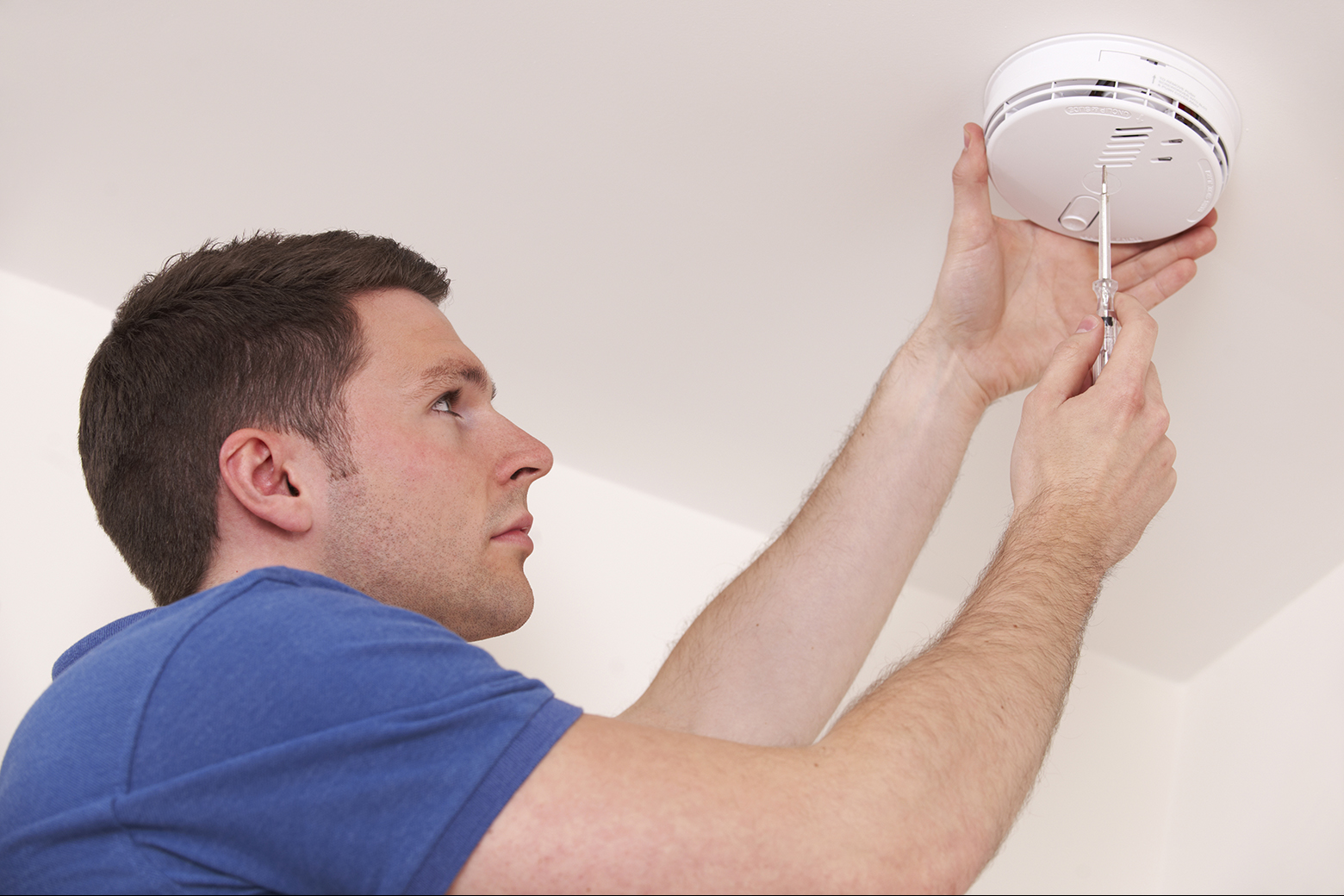
Next, gently twist or slide the smoke detector from its mounting bracket. Some models may have a locking tab; press it before removing. Hold the detector carefully to avoid dropping or damaging it. Place it on a soft surface for the next steps.
Disconnect The Battery
Open the battery compartment on the back of the detector. Remove the battery carefully to stop the alarm from sounding. If the battery is sealed inside, look for a release clip or screw. Keep the battery in a safe place if you plan to reuse it later.
Disable The Alarm
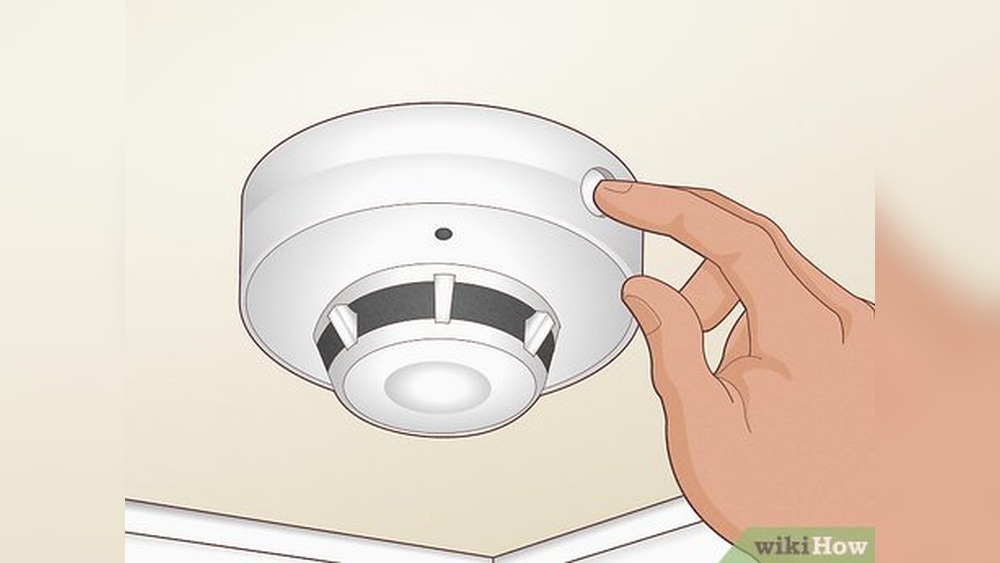
Press the test button to silence any remaining alarm sounds. If the alarm continues, wait a few minutes for it to reset. Some detectors have a silence feature; use it following the manual’s instructions. Ensure the alarm is fully off before starting maintenance or replacement.
Precautions To Take
Disarming a smoke detector needs care and attention. Taking the right steps ensures your safety and avoids any trouble. Follow these precautions before and during the process. Stay safe and prevent false alarms.
Avoiding False Alarms
Turn off the power supply before starting. This stops the alarm from sounding suddenly. Cover the detector gently with a cloth if needed. Do not spray water or cleaning sprays directly. Smoke or dust can cause false alarms. Keep the area clean and dry.
Ensuring Safety During Disarming
Wear gloves to protect your hands. Use a sturdy ladder if the detector is high. Do not use force to remove the device. Follow the manufacturer’s instructions carefully. Keep children and pets away during the process. Make sure the room is well-ventilated.
Handling Different Detector Models
Check the model type before starting. Some detectors have a battery pack, others are wired. Remove batteries first if possible. For wired models, switch off the circuit breaker. Use the right tools for screws or clips. Read the manual for specific steps. Different models need different care.
Rearming And Testing The Detector
After disarming a smoke detector, it is important to rearm and test it. This process ensures the device works properly and keeps your home safe. You need to carefully reinstall the detector, restore its power, and perform some simple tests. Follow these steps to make sure your smoke detector is ready to protect your home again.
Reinstalling The Detector
First, place the smoke detector back onto its mounting bracket. Align it correctly to fit securely. Twist or click it into place, depending on the model. Make sure it feels stable and does not wobble. A loose detector may not work well in an emergency.
Power Restoration
Next, restore power to the smoke detector. For battery-powered units, insert fresh batteries. Check the battery type and use the correct size. For hardwired detectors, turn the power back on at the circuit breaker. Make sure the device receives electricity to function properly.
Performing Function Tests
Finally, test the smoke detector to confirm it works. Press the test button on the device until you hear a loud beep. This sound means the alarm is active. If the alarm does not sound, check the power source again. Testing regularly helps ensure your safety every day.
Common Mistakes To Avoid
Disarming a smoke detector needs care. Many people make simple mistakes that cause problems. Avoiding these errors keeps you safe and saves time.
Learn common mistakes to avoid when handling smoke detectors. Follow steps carefully and stay alert.
Ignoring Manufacturer Instructions
Every smoke detector comes with a manual. It has important safety rules and steps. Ignoring this guide can cause damage or wrong disarming. Always read and follow the instructions carefully. They explain how to disarm without breaking the device.
Disarming Without Power Off
Turning off the power before disarming is crucial. Working on a live detector risks electric shock. It can also trigger false alarms. Always switch off the main power or remove the battery first. This step protects you and the device.
Neglecting Regular Maintenance
Smoke detectors need regular checks and cleaning. Dust and dirt can cause false alarms or stop the alarm from working. Neglecting maintenance makes disarming harder and less safe. Test your detector monthly and replace batteries yearly to keep it ready.

Credit: waynealarm.com
Frequently Asked Questions
How Do I Temporarily Disarm A Smoke Detector?
To temporarily disarm a smoke detector, press the hush or silence button. This stops false alarms for a short time, usually 8-15 minutes, without removing batteries or disabling the device permanently.
Can I Remove Batteries To Stop Smoke Detector Alarms?
Yes, removing batteries will stop the alarm, but it’s unsafe. Always replace batteries quickly to ensure fire protection remains active.
How To Safely Disable A Smoke Detector For Maintenance?
Turn off power at the circuit breaker before removing the smoke detector. Then, remove the unit carefully to avoid accidental alarms or damage.
Why Does My Smoke Detector Keep Going Off Falsely?
False alarms often occur due to low batteries, dust, or steam. Regular cleaning and battery replacement help reduce false alarms effectively.
Conclusion
Disarming a smoke detector is simple and safe when done correctly. Always turn off the power before starting. Remove the battery to stop the alarm from sounding. Test the detector after reassembling it. Remember, smoke detectors save lives by warning of fire.
Only disarm them when necessary, like during maintenance. Keep your home safe by handling detectors with care. Stay alert and follow these easy steps every time.