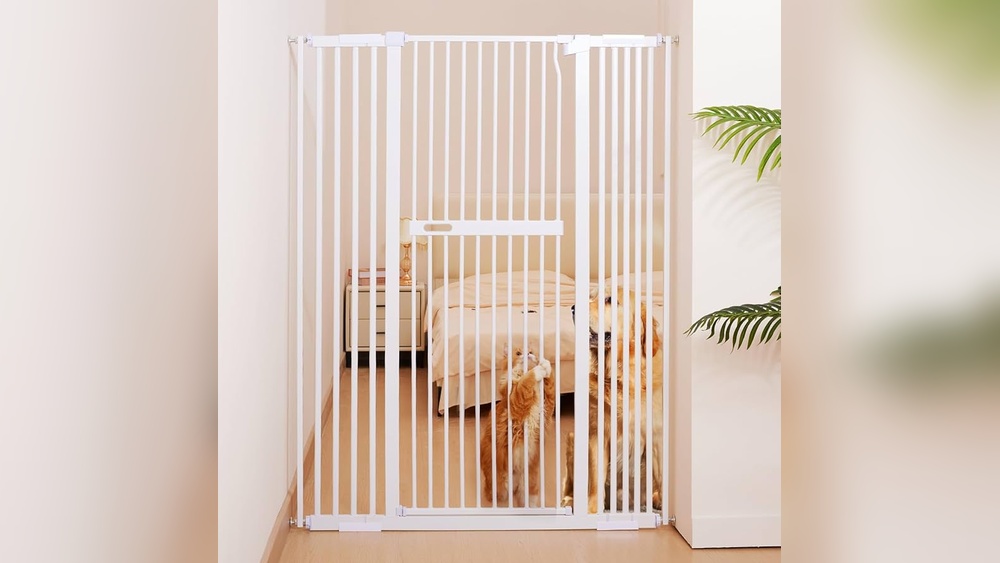

Are you struggling to keep your furry friend safely contained without feeling like you’ve built a prison? Choosing the right height for your pet gate is more important than you might think.
If it’s too low, your pet could easily jump over. Too high, and it might look out of place or be hard for you to open. You’ll discover exactly how high your pet gate should be to keep your home safe and comfortable—for both you and your pet.
Keep reading, because the perfect pet gate height can make all the difference in your daily peace of mind.
Choosing The Right Height
Choosing the right height for a pet gate is key to keeping your pet safe. The gate must be tall enough to stop your pet from jumping over. Too short, and it fails its job. Too tall, and it may be hard to fit or look out of place. Understanding what height works best helps you pick the perfect gate for your home and pet.
Factors Influencing Gate Height
Different pets have different needs. Some pets jump higher than others. The gate’s location matters too. A gate at the bottom of stairs might need to be taller. Think about your pet’s age and health. Older pets or those with limited mobility may not jump high, so a shorter gate might work. Also, consider the gate material and strength. A strong gate at the right height stops pets safely.
Measuring Your Pet Accurately
Measure your pet’s height while standing or sitting. For dogs, measure from floor to shoulder. For cats, measure from floor to head or shoulders. Check how high your pet can jump. Watch your pet jump during playtime. Note the highest point they reach. Add a few extra inches to this height. This ensures the gate blocks any escape attempts.
Considering Pet Breed And Behavior
Some breeds are natural jumpers. Small dogs like terriers can leap high. Big dogs like labs may not jump as much. Cats are usually good climbers and jumpers. Pay attention to your pet’s behavior. If your pet tries to escape or climb, choose a taller gate. Calm pets may not need very tall gates. Match the gate height to your pet’s style and habits.

Credit: www.amazon.com
Standard Heights For Pet Gates
Choosing the right height for a pet gate is important for safety and control. Gates come in different heights to fit various pet sizes. Knowing the standard heights helps pick the best gate for your pet. Each pet size needs a specific height to prevent jumping or climbing over.
Standard heights for pet gates range from short to tall. These sizes match the needs of small, medium, and large pets. Let’s explore common heights for each group.
Common Heights For Small Pets
Small pets like puppies or small dogs need shorter gates. Gates around 20 to 24 inches work well for them. These heights stop small pets from slipping through or jumping over. They are easy to install and fit most doorways.
Ideal Heights For Medium Pets
Medium pets need taller gates to keep them contained. A height between 28 and 32 inches is ideal. This size prevents pets from jumping or pushing the gate. It offers enough room for comfort and safety.
Recommended Heights For Large Pets
Large pets require the tallest gates available. Gates from 36 to 42 inches suit big dogs and active pets. These heights help avoid escapes and accidents. They provide strong barriers for larger animals.
Safety Concerns And Gate Design
Safety is the top priority when choosing a pet gate. The gate must keep pets secure and prevent accidents. Its design should stop pets from jumping over or squeezing through gaps. Strong materials and stable construction help avoid gate failures. This section explains key safety concerns and design tips for pet gates.
Preventing Jumping And Climbing
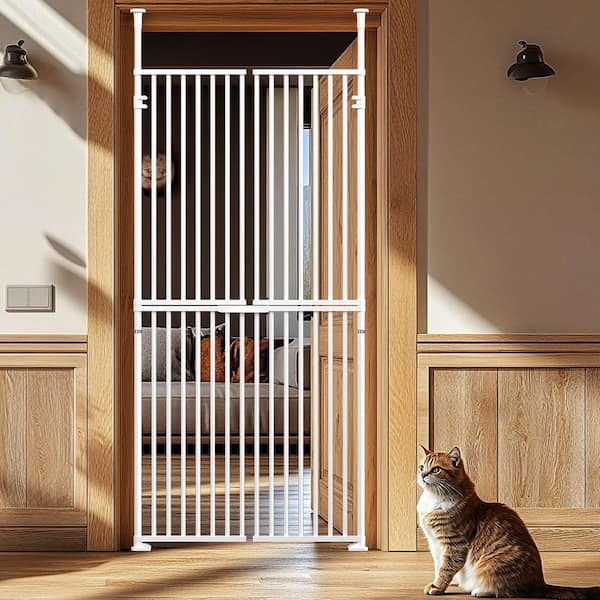
Pets often try to jump over or climb gates. The gate height should be tall enough to stop this. Most dogs need a gate at least 30 inches high. Some active pets may require even taller gates. Smooth surfaces and no footholds prevent climbing attempts. Keep pets safely contained with the right height and design.
Gate Stability And Material Strength
A weak or unstable gate can fall and hurt pets or people. Choose gates made of strong materials like metal or hardwood. The gate should fit tightly in the doorway or stairway. Secure locking mechanisms stop pets from pushing the gate open. Stability and strength reduce risks of accidents.
Avoiding Gaps And Entrapment Hazards
Gaps in the gate can trap pet paws or heads. Make sure bars or slats are close enough together. Check for spaces larger than two inches. Small pets can get stuck or injured in wide gaps. Safe gates have no openings where pets can get trapped. This keeps pets comfortable and safe behind the gate.
Credit: fitnesscity.in.ua
Customizing Gate Height
Customizing the height of a pet gate is important for safety and comfort. Every pet is different, so the gate height should fit their size and jumping ability. Adjusting the height helps keep pets secure and prevents escapes.
Adjustable Gates Benefits
Adjustable gates offer flexibility for different pets. You can change the height as your pet grows or if you get a new pet. These gates save money because you don’t need to buy a new one. They are easy to use and fit many doorways or openings.
Diy Gate Height Modifications
Modifying gate height at home is possible with simple tools. Adding extensions can raise the gate if your pet jumps high. Cutting the gate shorter works if your pet is small. Always check the gate remains stable after changes.
When To Consult A Professional
Some gates need expert help to adjust safely. Complex designs or heavy gates may require professional installation. If unsure about your pet’s needs, a specialist can recommend the right height. Safety is the top priority for your pet’s gate.
Placement And Installation Tips
Installing a pet gate properly is key to keeping pets safe and homes secure. Placement and installation affect how well the gate works. It helps stop pets from reaching dangerous areas or damaging furniture. Taking care during setup saves time and frustration later.
Choosing The Best Location
Select a spot where the gate fully blocks the area. Measure the width to ensure the gate fits well. Avoid places with uneven floors or loose rugs. Choose a location that pets often try to cross. Make sure the gate does not block emergency exits or daily walkways.
Securing Gates On Different Surfaces
Use wall anchors for drywall to hold the gate firmly. For wooden frames, screws give the best grip. Tile or stone surfaces need special adhesive hooks or mounts. Check the gate’s instructions for surface-specific tips. Tighten all screws and bolts to avoid loosening over time.
Maintenance For Long-term Safety
Regularly check the gate for loose parts or damage. Clean hinges and locks to keep them working smoothly. Replace worn-out parts quickly to prevent accidents. Test the gate’s strength often, especially after rough use. Proper care helps the gate last longer and stay safe.
Alternatives To Traditional Pet Gates
Traditional pet gates work well, but they are not the only option. Some pets need different solutions for safety and space. Alternatives can fit various homes and pet needs. These options offer flexibility and sometimes more control.
Electronic And Smart Gates
Electronic gates open and close automatically. They use sensors or remote controls. Smart gates connect to your phone. You can monitor and control them anywhere. These gates prevent pets from escaping without much effort. They work well for active pets and busy owners.
Exercise Pens And Play Areas
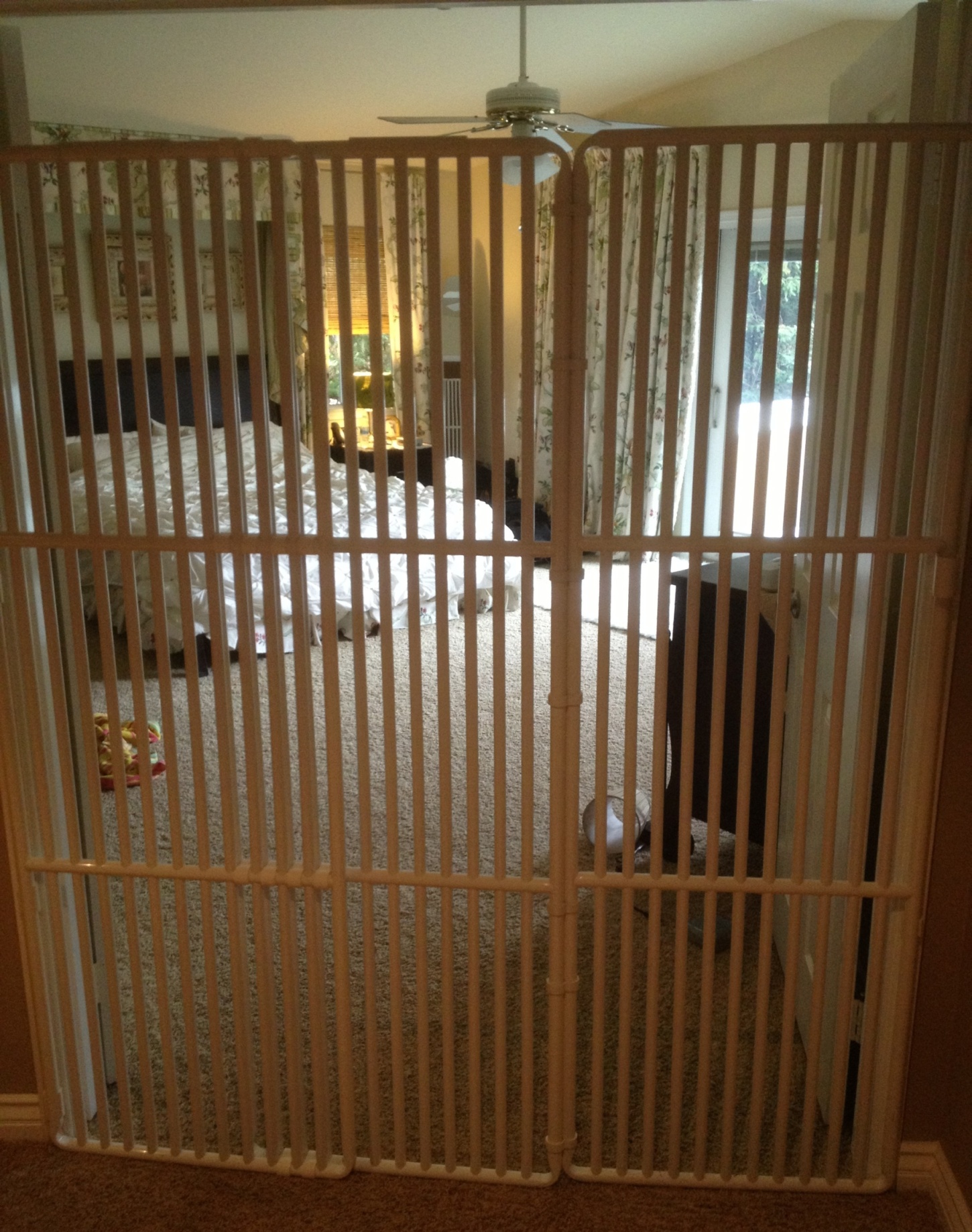
Exercise pens create a safe space for pets. They are larger than gates and allow more movement. You can set up pens indoors or outdoors. Play areas keep pets entertained and secure. These are good for puppies and small dogs. They help pets stay active while keeping them contained.
Training As A Safety Tool
Training pets to respect boundaries reduces gate needs. Teaching commands like “stay” or “wait” helps control pets. Training builds trust between you and your pet. It also improves safety inside the home. This method works best with patience and consistency. It supports long-term behavior change without physical barriers.
Credit: bona-store.com
Frequently Asked Questions
How Tall Should A Pet Gate Be For Small Dogs?
A pet gate for small dogs should be at least 24 inches tall. This height prevents them from jumping over easily. It ensures safety and restricts access to off-limit areas effectively.
What Is The Ideal Pet Gate Height For Large Dogs?
Large dogs require pet gates between 30 to 36 inches tall. This height stops them from climbing or pushing the gate. It guarantees secure containment while allowing visibility.
Can Pet Gate Height Vary By Pet Breed?
Yes, pet gate height varies by breed size and jumping ability. Measure your pet’s height and jumping skills before choosing a gate. Custom heights improve safety and comfort.
Is A Taller Pet Gate Always Better?
Not always; too tall gates can be unstable or hard to install. Choose a gate height that matches your pet’s size and behavior. Balance between security and practicality is key.
Conclusion
Choosing the right height for a pet gate keeps pets safe and rooms secure. Measure your pet’s height and jumping ability first. Gates too low let pets jump over easily. Too tall, and they might look awkward or hard to use.
Most pets need gates between 24 to 36 inches high. Consider your pet’s breed and energy level. A good gate stops accidents and keeps your pet calm. It also helps protect your furniture and floors. A simple, well-measured gate makes life easier for everyone.
Think about your pet’s needs, then pick the perfect height.