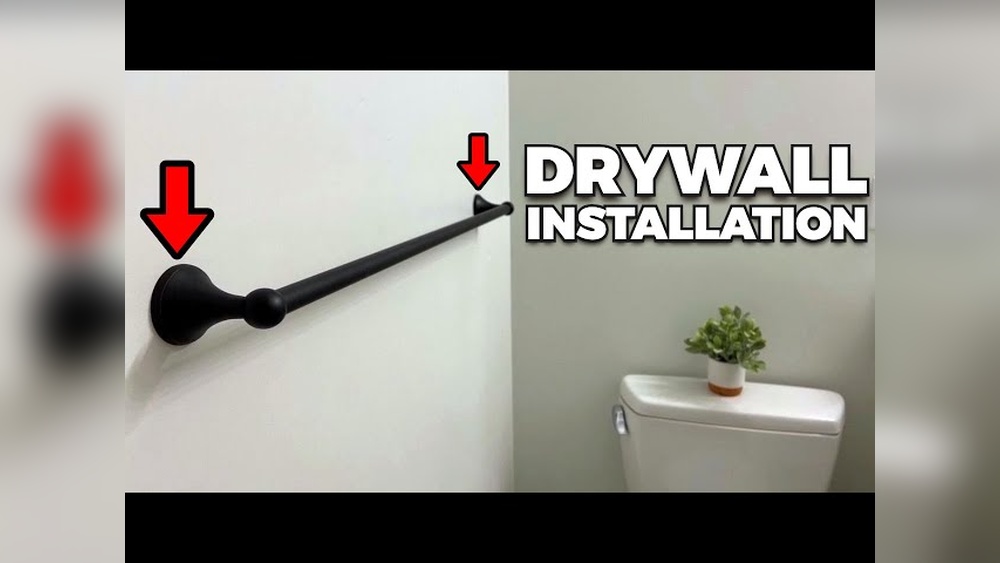

Are you tired of towels slipping off hooks or cluttering your bathroom counter? Hanging a towel rack on drywall might seem tricky, but with the right steps, you can easily create a neat and organized space.
In this guide, you’ll discover simple tips to securely mount your towel rack without damaging your walls. By the end, you’ll have the confidence to tackle this project yourself and enjoy a tidier bathroom every day. Keep reading—you’re closer than you think to a hassle-free solution!
Choosing The Right Towel Rack
Choosing the right towel rack is important for a neat and functional bathroom. The right rack holds towels securely and matches your style. It also fits well on drywall without causing damage. Consider the type, material, and how much weight it can hold. These factors help you pick the best towel rack for your needs.
Types Of Towel Racks
Towel racks come in many forms. Wall-mounted racks save space and keep towels dry. Freestanding racks move easily and do not need installation. Over-the-door racks fit on bathroom doors without drilling. Choose a type that fits your bathroom layout and use.
Materials And Finishes
Towel racks are made from metal, wood, or plastic. Metal racks are strong and last long. Wood racks add warmth and style but need more care. Plastic racks are light and affordable. Finishes like chrome, brushed nickel, or matte black affect the look. Pick a finish that matches your bathroom decor.
Weight Capacity Considerations
Check how much weight the towel rack can hold. Drywall needs racks with good support. Some racks come with anchors or mounts for extra strength. Heavy towels or multiple towels require racks with higher weight limits. Choose a rack that supports your towels safely and securely.

Credit: diy.stackexchange.com
Tools And Materials Needed
Before hanging a towel rack on drywall, gather all necessary tools and materials. This step saves time and makes the installation smooth. Having the right items ensures the rack stays secure and looks great. Below are the key tools and materials needed for the job.
Essential Tools
You need a drill with drill bits for making holes. A screwdriver is crucial to tighten screws firmly. Use a level to keep the rack straight. A tape measure helps mark exact spots on the wall. A pencil is useful for marking where to drill. A stud finder locates wall studs to secure the rack better.
Hardware And Anchors
Use screws that fit your towel rack’s mounting holes. Wall anchors provide extra support on drywall. Plastic anchors work well for light racks. For heavier racks, toggle bolts are stronger. Choose anchors that match the screw size. These materials prevent the rack from falling off.
Safety Equipment
Wear safety goggles to protect your eyes from dust. Gloves keep your hands safe while drilling. Use a dust mask if drywall dust is heavy. Keep a first aid kit nearby for minor injuries. Safety helps you work faster and without problems.
Finding The Best Location
Finding the best location for your towel rack is key to a neat and functional bathroom. The right spot keeps towels within easy reach and avoids damage to your walls. Take your time to choose the perfect place. Measure carefully, check for studs and wiring, and think about height and spacing.
Measuring And Marking
Start by measuring the space where you want the towel rack. Use a tape measure to find the exact width. Mark the spots lightly with a pencil. Make sure the marks are level. Use a spirit level to keep your rack straight. Accurate measuring helps avoid mistakes during installation.
Avoiding Studs And Wiring
Check for studs behind the drywall using a stud finder. Avoid placing the rack on studs to prevent damage. Also, watch out for electrical wiring inside the wall. Use a wiring detector to locate wires. Hanging the rack away from wires keeps you safe and prevents electrical problems.
Height And Spacing Tips
Place the towel rack at a comfortable height. Usually, 48 inches from the floor works well for most people. Leave enough space between multiple racks or hooks. This prevents towels from overlapping and helps them dry faster. Good spacing keeps your bathroom tidy and organized.
Credit: www.youtube.com
Preparing The Drywall
Preparing the drywall is a key step before hanging a towel rack. It helps the rack stay strong and secure. Taking time for this step saves you from problems later. You will know where to place screws and how to avoid damage. Follow these simple steps for the best results.
Cleaning The Surface
Start by cleaning the drywall surface. Use a dry cloth to remove dust and dirt. Any grease or grime can stop the adhesive or screws from holding well. If needed, use a mild soap and water solution. Let the wall dry completely before moving on.
Using A Stud Finder
Find the studs behind the drywall with a stud finder. Studs are wooden beams that hold weight better than drywall alone. Mark the stud locations with a pencil. This helps place the towel rack where it will be strongest. Avoid placing screws only in drywall to prevent falling.
Pre-drilling Holes
Pre-drill holes in the drywall before screwing in the towel rack. Use a drill bit smaller than the screw size. This prevents the drywall from cracking or breaking. Pre-drilling also makes it easier to drive screws in straight. Make sure the holes match the marked stud or anchor spots.
Installing Wall Anchors
Installing wall anchors is a key step to hang a towel rack on drywall securely. Drywall alone cannot hold heavy items well. Anchors help spread the weight and keep the rack stable. Choosing the right anchor and installing it carefully makes all the difference. This section explains types of anchors, how to install them, and how to check their strength.
Types Of Drywall Anchors
There are several types of drywall anchors. Plastic expansion anchors are common and easy to use. They work well for light loads. Metal anchors, like molly bolts, are stronger and hold more weight. Toggle bolts provide the best support for heavy racks. Knowing the weight of your towel rack helps pick the right anchor.
Step-by-step Anchor Installation
First, mark the spots for the towel rack screws on the wall. Use a drill with a bit that matches the anchor size. Drill holes carefully to avoid damaging the drywall. Push the anchor into the hole until it is flush with the wall. Tap gently with a hammer if needed. Insert the screw into the anchor and tighten it slowly. Do not overtighten to avoid breaking the anchor or drywall.
Testing Anchor Stability
After installation, test the anchor’s hold. Pull the screw lightly to check if it moves. A secure anchor stays firm and does not wiggle. Hang the towel rack and apply gentle pressure. If the rack feels loose, remove and try a stronger anchor. Proper testing ensures your towel rack will stay safe and steady on the wall.
Mounting The Towel Rack
Mounting the towel rack on drywall takes care and the right steps. Proper mounting ensures the rack stays strong and holds your towels well. Follow these simple steps to place your towel rack safely and evenly.
Aligning The Rack
Start by choosing the spot for your towel rack. Hold the rack against the wall at the height you want. Use a pencil to mark the screw holes clearly. Check the marks twice before drilling to avoid mistakes.
Securing With Screws
Drill pilot holes on your marks to make screw insertion easier. Use drywall anchors if no studs are behind the wall. Insert the anchors carefully for a tight fit. Screw the rack firmly into place, but do not overtighten.
Ensuring Level Placement
Place a level on top of the towel rack before fully tightening the screws. Adjust the rack until the bubble is centered. This keeps the rack straight and looks neat. Tighten the screws completely once level.
Final Checks And Maintenance
After hanging your towel rack on drywall, the work is not quite done. Final checks and routine care help keep it sturdy and safe. Small steps can prevent damage and make your rack last longer.
Weight Testing
Test the towel rack by gently adding weight. Start with light towels and increase slowly. Watch for any movement or looseness in the rack. If it shifts, tighten the screws or check the anchors. Do not hang heavy items beyond the rack’s limit.
Regular Inspection
Look at the rack often to spot problems early. Check for loose screws or cracks in the wall. Notice if the rack tilts or feels unstable. Fix issues right away to avoid bigger repairs. Keep the area around the rack clean and dry.
Tips For Longevity
Use anchors designed for drywall to support weight. Avoid hanging wet towels for long periods. Dry towels before placing them on the rack. Clean the rack with a soft cloth and mild soap. Prevent rust by drying metal racks regularly.

Credit: www.wallshark.com
Frequently Asked Questions
How Do I Find Studs Behind Drywall For Towel Rack?
Use a stud finder or tap the wall to locate studs. Mark the stud positions with a pencil before drilling. Anchoring into studs ensures strong support for your towel rack.
What Type Of Anchors Work Best For Drywall?
Use toggle bolts or molly bolts for drywall without studs. These anchors expand inside the wall for secure holding. They prevent the towel rack from pulling out under weight.
How High Should I Mount A Towel Rack?
Mount the towel rack about 48 inches from the floor. This height is comfortable for most users to reach towels. Adjust based on your bathroom layout and user height.
Can I Hang A Towel Rack Without Drilling?
Yes, use adhesive strips or suction cups for light towel racks. These options avoid wall damage but are less sturdy. Ideal for renters or temporary setups.
Conclusion
Hanging a towel rack on drywall is simple with the right steps. Use a stud finder to locate strong spots. Secure the rack tightly to avoid it falling. Measure carefully and mark holes before drilling. Choose the proper anchors for extra support.
Taking time ensures your towel rack stays safe and neat. Now, your bathroom looks organized and tidy. Enjoy the easy access to towels every day. Small efforts bring big results in home projects.