Your smoke detector is one of the most important safety devices in your home. But have you checked its batteries lately?
A dead battery could mean your smoke detector won’t alert you in an emergency. Don’t wait until it’s too late. You’ll learn exactly how to replace batteries on your smoke detector quickly and safely. Keep reading to protect your home and loved ones with this simple, life-saving task.
Tools Needed
Replacing the batteries in your smoke detector is a simple task. Having the right tools makes the job faster and safer. Below are the basic tools you need to complete this task smoothly.
Battery Type
Know the battery type your smoke detector uses. Most use 9-volt or AA batteries. Check the detector’s label or manual for exact information.
Step Ladder
A sturdy step ladder helps you reach ceiling-mounted smoke detectors. Choose one tall enough to reach comfortably and safely.
Flathead Screwdriver
Some smoke detectors have a cover held by screws. A flathead screwdriver helps remove these screws easily.
New Batteries
Always have fresh batteries ready. Use high-quality batteries to ensure your smoke detector works well.
Soft Cloth
Use a soft cloth to clean the detector before placing new batteries. Dust can block sensors and reduce effectiveness.
Credit: www.swflelectric.com
When To Replace Batteries
Knowing when to replace smoke detector batteries is key for home safety. Batteries lose power over time. If the batteries fail, the alarm cannot warn you of danger. Regular checks keep your smoke detector working well.
Signs Your Smoke Detector Needs New Batteries
A common sign is a chirping sound. The alarm chirps at regular intervals. This sound means the battery is low. Do not ignore this warning. Replace the batteries immediately.
How Often To Change Smoke Detector Batteries
Change batteries at least once a year. Some experts suggest changing on daylight saving time. This habit helps you remember. Some detectors use long-life batteries. Check the manufacturer’s instructions for details.
Testing Your Smoke Detector Battery
Test your smoke detector monthly. Press the test button on the device. A loud beep means the battery works. No sound means it needs new batteries. Testing ensures the detector is ready.
Safety Precautions
Replacing smoke detector batteries is a simple task. Safety must come first to avoid accidents. Taking the right precautions protects you and your home.
Turn Off Power To The Smoke Detector
Switch off the power to the smoke detector at the circuit breaker. This stops any electrical shocks. It is very important for hardwired detectors.
Use A Stable Ladder Or Step Stool
Use a sturdy ladder or step stool to reach the smoke detector. Make sure it is on a flat surface. This helps prevent falls or injuries.
Handle Batteries Carefully
Wear gloves if possible when handling batteries. Avoid touching battery terminals with metal objects. This prevents short circuits and sparks.
Check Battery Type Before Replacement
Use the correct battery type for your smoke detector. The wrong battery can cause damage or poor performance. Look at the label or user manual.
Test The Detector After Replacing Batteries
Press the test button after installing new batteries. Ensure the alarm sounds loud and clear. This confirms the detector works properly.
Removing The Smoke Detector
Removing the smoke detector is the first step to replace its batteries. It is important to do it carefully to avoid damage.
Before starting, make sure you have a stable ladder or step stool. Safety first. Always test the smoke detector to confirm it is working after battery replacement.
Turn Off The Power
Turn off the power to the smoke detector at the circuit breaker. This prevents electrical shocks during removal.
Check that the detector is not live by pressing the test button. No sound means power is off.
Locate The Mounting Base
Look closely at the smoke detector’s base. Most models twist or slide off the mounting bracket.
Identify the slots or tabs that hold the detector in place. This helps you remove it easily.
Remove The Smoke Detector
Hold the detector firmly and twist it counterclockwise. Some models need a gentle pull or slide.
Keep a hand under the detector to catch it as it comes down. Avoid dropping or damaging it.
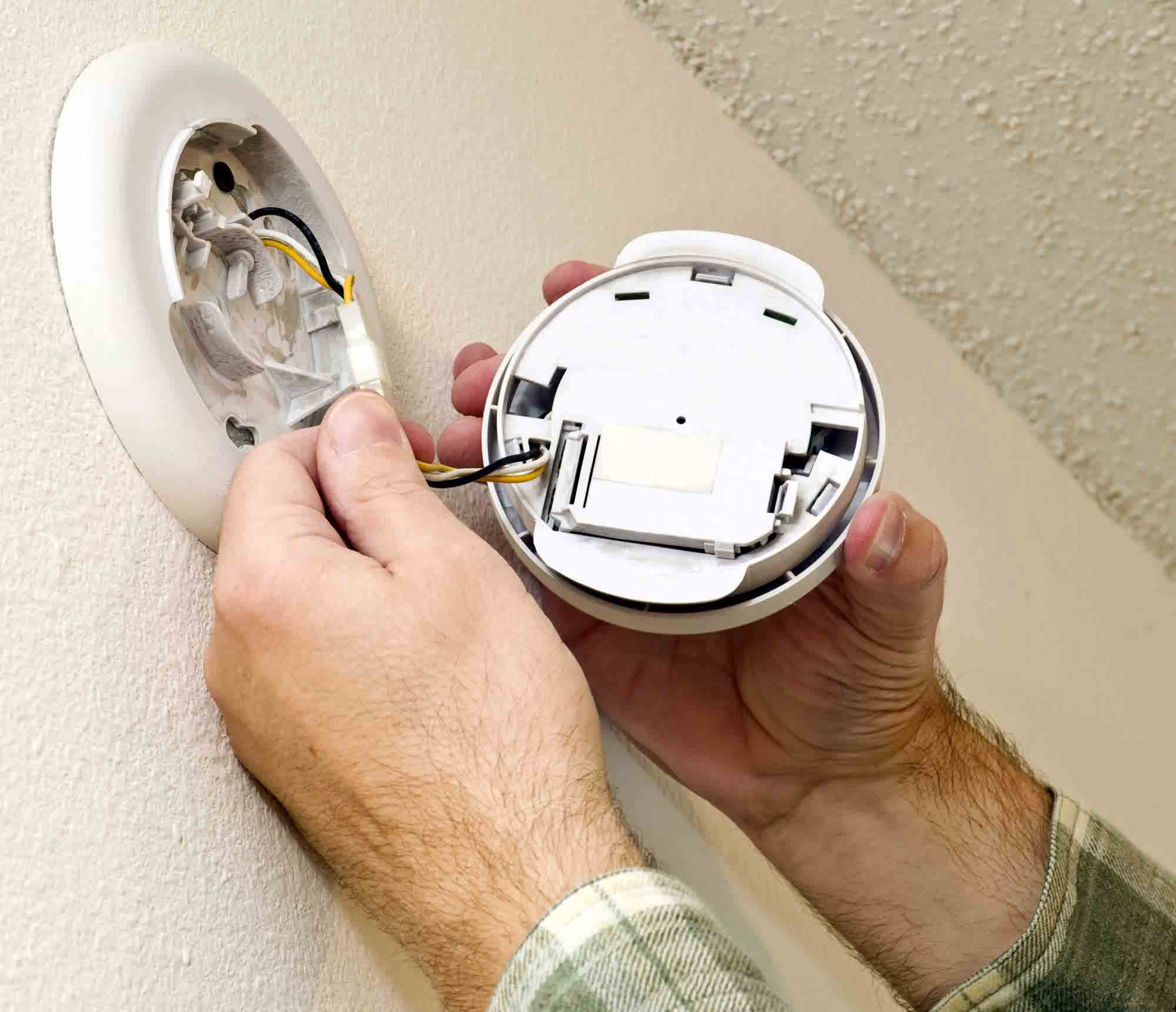
Disconnect The Detector (if Wired)
If your smoke detector is hardwired, unplug the connector carefully. Do not pull on the wires.
Handle the wiring with care to avoid damage or loose connections.
Taking Out Old Batteries
Taking out old batteries from a smoke detector is the first step toward keeping your home safe. This task is simple but must be done carefully. Removing old batteries prevents corrosion and ensures the device works correctly. Follow these easy steps to take out old batteries safely and efficiently.
Turn Off The Smoke Detector
Start by turning off the smoke detector. Press the test button to silence any alarm sounds. This prevents loud noises while removing the batteries. Some models have a switch or button to power off.
Open The Battery Compartment
Locate the battery compartment on the back or side of the detector. Slide or lift the cover gently. Use light pressure to avoid breaking the cover. Keep the cover nearby for easy reassembly.
Remove The Old Batteries
Take out the old batteries carefully. Use your fingers to pull them from the slots. Avoid using metal tools to prevent damage. Dispose of old batteries following local regulations.
Installing New Batteries
Start by opening the smoke detector cover carefully. Remove the old battery and insert a new one, matching the correct size. Test the alarm to ensure it works properly after the replacement.
Prepare The Smoke Detector
Start by removing the smoke detector from its mounting. Hold the base firmly and twist the unit counterclockwise. Gently pull the detector away from the ceiling or wall. Set it on a flat surface for easy access.
Remove Old Batteries
Open the battery compartment on the back or side of the detector. Take out the old batteries carefully. Dispose of them according to local recycling rules. Check the compartment for any dust or corrosion. Clean it with a dry cloth if needed.
Insert New Batteries
Use fresh batteries that match the size and type recommended. Align the positive (+) and negative (–) ends correctly in the compartment. Press the batteries firmly into place. Close the battery cover securely to avoid loose contact.
Test The Smoke Detector
Press the test button on the front of the detector. Listen for a loud beep or chirp sound. This confirms the batteries work and the detector is active. If no sound occurs, recheck battery placement or try new batteries.
Testing The Detector
Testing the smoke detector is a key step after replacing the batteries. It ensures the device works properly to keep you safe. A quick test can confirm the detector’s readiness to alert you in case of smoke or fire.
Regular testing helps catch issues early. It also extends the life of your smoke detector. Testing takes just a few seconds but can save lives.
How To Test Your Smoke Detector
Press and hold the test button on the detector. Keep it pressed for a few seconds. The alarm should sound loudly. This sound means the detector is working.
What To Do If The Alarm Doesn’t Sound
Check the battery placement first. Make sure batteries fit correctly. Try pressing the test button again. If still no sound, replace the batteries with new ones.
Testing Frequency For Safety
Test your smoke detector once a month. Regular checks keep your home safe. Mark a calendar reminder for easy tracking.

Credit: annarborwithkids.com
Reattaching The Smoke Detector
Reattaching the smoke detector is the last step after changing its batteries. This step ensures the device works properly and stays secure on the ceiling or wall. Follow these simple actions to put the smoke detector back in place safely.
Align The Smoke Detector With The Mounting Bracket
Match the smoke detector’s slots with the mounting bracket’s hooks. Hold the detector close to the bracket. Make sure the sensor faces outward for correct operation.
Twist Or Snap The Detector Into Place
Turn the smoke detector clockwise until it clicks. Some models snap in without twisting. Apply gentle pressure to avoid damage.
Test The Detector For Proper Function
Press the test button on the smoke detector. Listen for a loud beep or alarm sound. This confirms the batteries and detector work well.
Maintaining Your Smoke Detector
Maintaining your smoke detector is key to keeping your home safe. Smoke detectors need regular checks and care. This helps them work well and alert you in time.
Simple steps can keep your smoke detector ready. Clean it, test it, and change the batteries often. These habits prevent false alarms and ensure real danger is noticed.
Cleaning Your Smoke Detector
Dust and dirt can block smoke sensors. Use a soft brush or vacuum to clean the device. Do this every few months. Avoid using water or cleaners.
Testing The Alarm
Press the test button monthly. The alarm should sound loud and clear. If not, check the battery or replace the unit. Testing keeps you sure it works.
Replacing Batteries Regularly
Change batteries at least once a year. Use fresh, good-quality batteries. Low power causes weak or no alarm. Mark the date of replacement on your calendar.

Credit: www.youtube.com
Frequently Asked Questions
How Often Should I Replace Smoke Detector Batteries?
Replace smoke detector batteries at least once a year. Test the detector monthly to ensure it works properly. Replace batteries immediately if the alarm chirps, signaling low power.
What Type Of Batteries Do Smoke Detectors Use?
Most smoke detectors use 9-volt or AA alkaline batteries. Check your device’s manual for the correct battery type before replacing. Using the right battery ensures proper function and safety.
Can I Replace Smoke Detector Batteries Myself?
Yes, replacing smoke detector batteries is simple and safe. Turn off the alarm, open the battery compartment, remove old batteries, insert new ones, and test the alarm to confirm it works.
What If My Smoke Detector Beeps After Battery Replacement?
If your detector beeps after battery replacement, it may indicate improper installation or a faulty battery. Double-check the battery orientation and try a new battery if needed. Clean the detector’s contacts to ensure good connection.
Conclusion
Replacing smoke detector batteries keeps your home safe and secure. Check batteries regularly to avoid false alarms. Use the correct battery type for best results. Test the smoke detector after changing batteries every time. Simple steps can prevent bigger problems later on.
Stay safe by keeping your smoke detectors working well. Remember, safety starts with small actions like this. A working smoke detector can save lives. Don’t skip this easy but important task. Your home and family depend on it.